
Where Is Dolmabahce Palace in Istanbul?
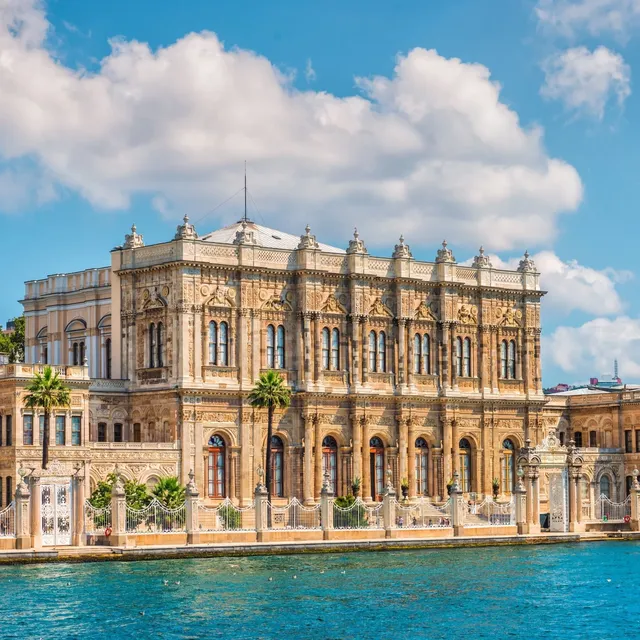
Dolmabahçe Palace stands right on the waterfront in Beşiktaş, on Istanbul’s European side. It lies between Kabataş and Beşiktaş piers, with the Bosphorus directly in front of it and the hills rising behind it. If you search for “Dolmabahçe Sarayı,” you will see the long palace walls and monumental gates facing the sea.
This setting is part of the appeal. Unlike more inward-looking historic complexes, Dolmabahce Palace opens visually to the Bosphorus, so even arriving on foot feels atmospheric. The location also makes it easy to combine with a ferry ride, a waterfront walk, or an afternoon around Taksim Square.
Getting to Dolmabahce Palace
Arrivals are easy by tram, metro, ferry, or on foot along the Bosphorus. If you are mapping where is Dolmabahce Palace for the first time, pin “Dolmabahçe Sarayı” in Beşiktaş and follow the waterfront line between Kabataş and Beşiktaş.
By public transportation
- Tram T1 to Kabataş: Walk 10–12 minutes north along the seaside promenade to the main palace gate.
- Metro M2 to Taksim: Descend via the F1 funicular to Kabataş, then continue on foot along the promenade.
- Ferries: Boats from Kadıköy or Üsküdar to Kabataş or Beşiktaş make for a scenic approach, followed by a short walk.
- Buses: Frequent lines run along Dolmabahçe Caddesi and stop near the complex. You can check current routes on IETT.
By car
Traffic along the Bosphorus can be busy, especially at rush hours and around holidays. If you must drive, aim for an early morning arrival and look for nearby paid parking around Beşiktaş. Street parking is limited, so walking the last few minutes is often the least stressful option.
Dolmabahce Palace entrance fee and tickets
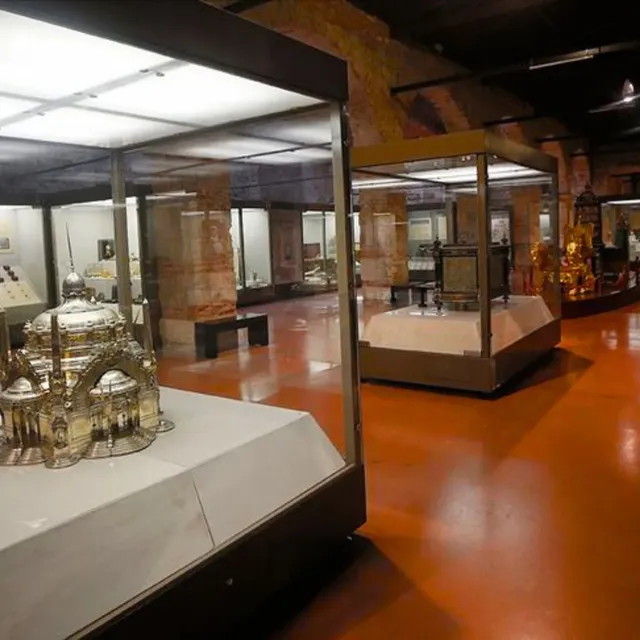
Tickets typically cover the Selamlık (state rooms), the Harem, and the Palace Collections / Painting Museum. Prices for foreign visitors changed several times in 2024–2025 because of inflation and operational updates. Recent public listings showed foreign-visitor prices in the TL 1,500–1,800 range for combined access, while Turkish-citizen and student prices differ. Check the official National Palaces page on the day you visit for the current figure and availability.
- Where to buy: Official ticket windows at the entrance, or the National Palaces online e-ticket portal.
- What’s included: Selamlık, Harem, and museum areas in most combined tickets. Confirm the exact inclusions before purchasing.
- Audio guide: Available and helpful for pacing your visit and understanding the rooms in sequence.
- Payment: Cards are widely accepted, though keeping a small amount of cash is practical.
For the latest ticketing details, see the official National Palaces website. If a third-party combo includes a Bosphorus activity, compare the timing carefully so you do not rush the palace interiors.
Dolmabahçe Palace opening hours
Typical posted hours are 09:00–17:00, with the last ticket or final entry cutoff earlier in the afternoon, and the palace is closed on Mondays. Hours may shift on public holidays, religious holidays, or special-event dates, so it is wise to confirm the schedule before you leave.
If timing matters to your day, arrive well before the final admission cutoff. Even visitors who move quickly usually enjoy the experience more when they do not feel pressed by closing time.
Dolmabahçe Palace tours
Guided and hosted entries can help you move smoothly through security, understand the highlights in the ceremonial halls, and avoid missing details in the Harem. The palace is visually rich, and a bit of context often makes the route more rewarding.
A well-planned tour can also pair nicely with a later Bosphorus Cruise, especially if you want to keep the day focused on Istanbul’s waterfront character. If you prefer to visit independently, the audio guide usually provides enough structure for a calm self-paced experience.
How long to visit Dolmabahce Palace
Plan 1.5–2 hours for the Selamlık alone, and 45–60 minutes more for the Harem and museum areas. If you enjoy the courtyards, gardens, and exterior photography, add about 30 minutes. For many visitors, a total of 2.5–3 hours feels right.
The interiors follow a fixed route, so a steady pace works best. This is not the sort of place where you dart in and out quickly. The experience is more enjoyable when you allow time for transitions between formal reception spaces, private quarters, and the waterfront grounds.
Visit Dolmabahce Palace: practical tips
- Go early if you can: Weekday mornings are usually the calmest.
- Book ahead in busy periods: Weekends and holidays can be noticeably busier.
- Travel light: Security checks are part of the entry process, and larger items may need to be deposited.
- Use the audio guide: It helps with pacing and makes the interiors easier to follow.
- Leave time after the visit: The area is pleasant for a short walk along the water.
Dress code
No special dress code is required because Dolmabahçe is a museum rather than a mosque. Still, comfortable and respectful clothing is sensible, and quiet shoes are kinder to the historic floors.
Photography
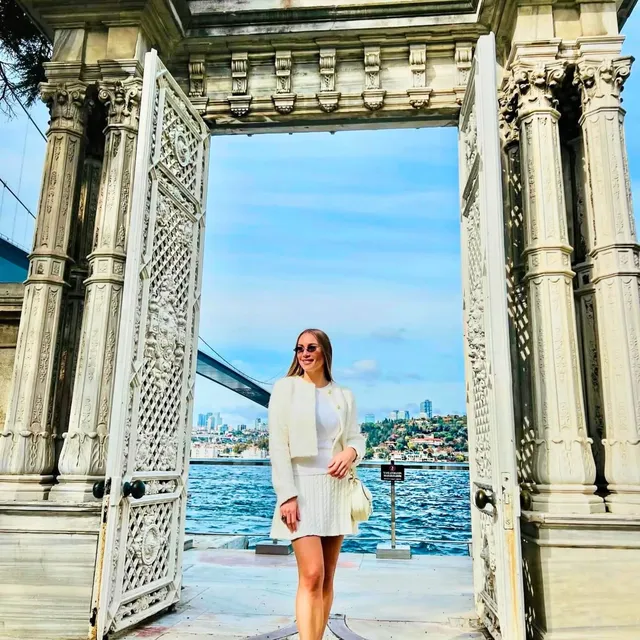
Rules can change, and photography is often restricted inside some of the main halls. Courtyards and exterior areas are generally the easiest places to take photos. Always follow posted signs and staff guidance on the day.
Facilities and accessibility
Expect security screening and cloakroom facilities near the entrance. Large items may need to be checked. Accessibility conditions can vary because surfaces and circulation routes differ across the complex, so asking staff for the easiest route is a good idea.
Best time to visit Dolmabahce Palace
Mornings on weekdays are usually the most relaxed. Summer brings more crowds and longer lines, while winter is quieter but offers shorter daylight hours. Around national and religious holidays, lines may form early.
If you cannot make the first entry of the day, mid-afternoon can be another good window after some tour groups have already passed through. Visitors who prefer gentler pacing often enjoy visiting outside the late-morning peak.
What to see at Dolmabahce Palace
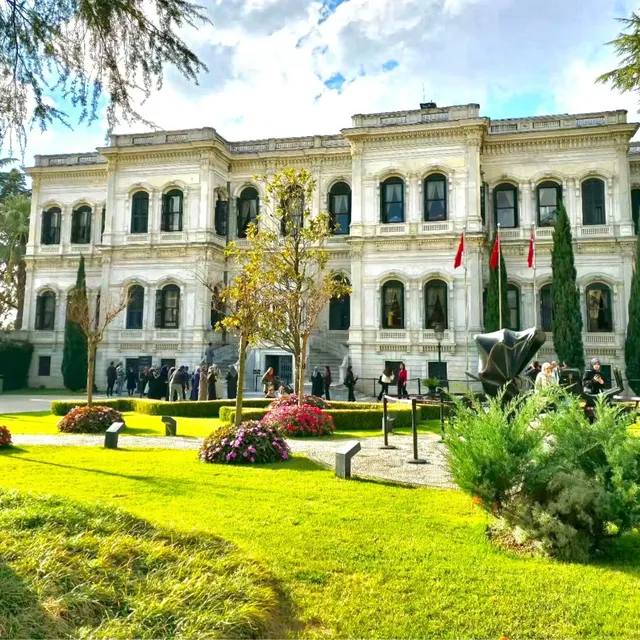
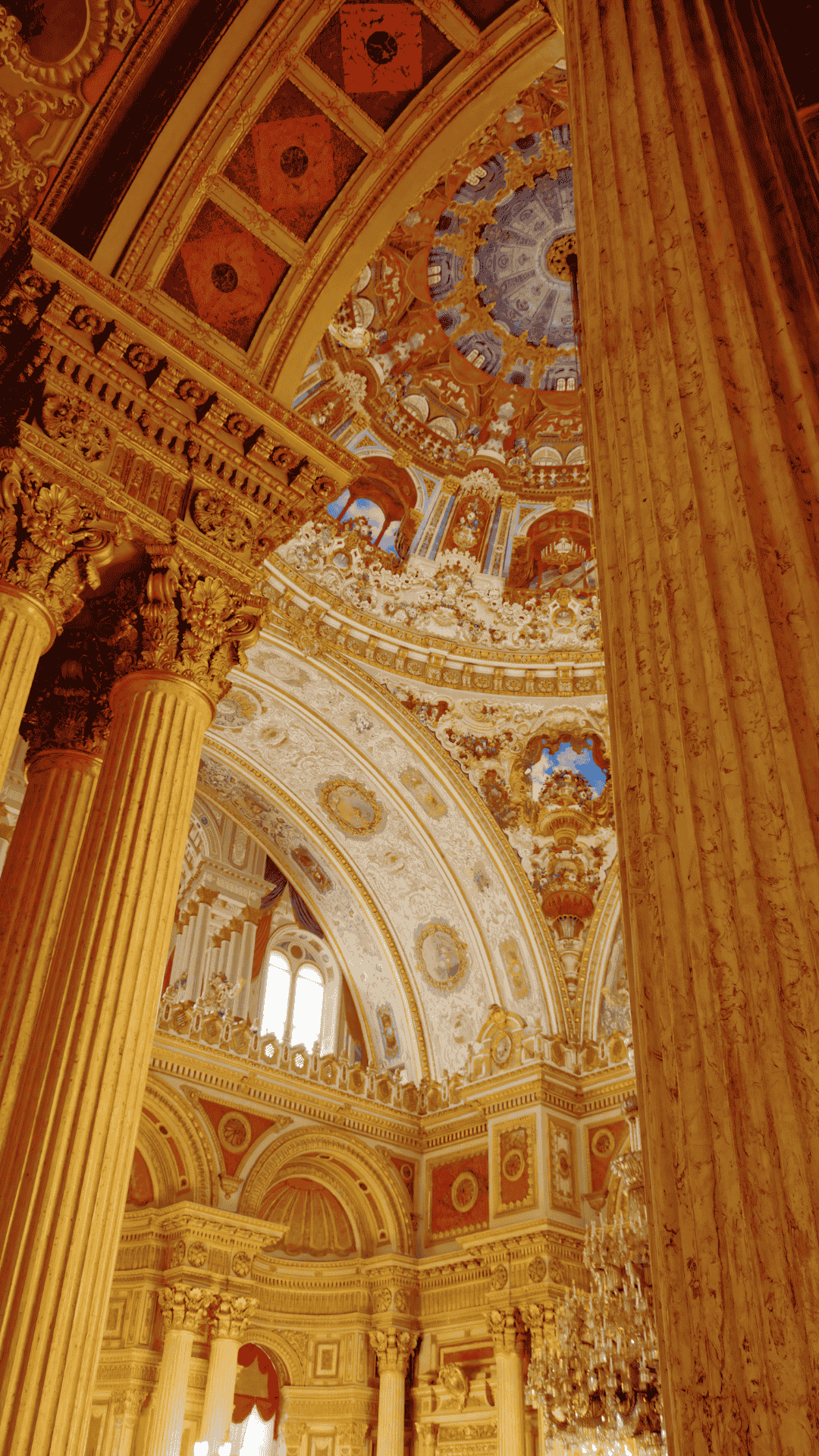
Visitors often remember the ceremonial grandeur first: reception halls, richly decorated rooms, sweeping staircases, and the Bosphorus-facing façades. The Selamlık presents the official and representative side of palace life, while the Harem gives the route a more intimate rhythm. The contrast between these sections is part of what makes the visit feel layered rather than repetitive.
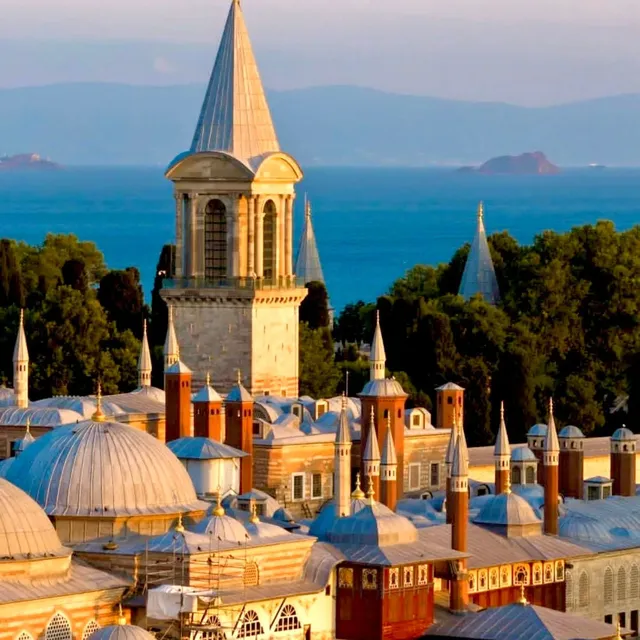
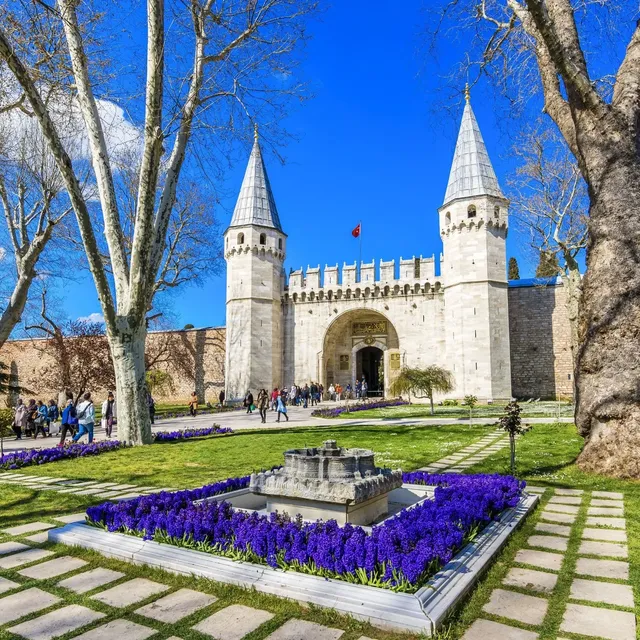
The waterfront location matters here too. Even between interior highlights, glimpses of the sea reinforce why this palace feels distinct from inland imperial complexes such as Topkapi Palace. Dolmabahçe is less about enclosed courtyards and more about ceremony, display, and a close visual relationship with the Bosphorus.
After your visit
Walk the waterfront toward Beşiktaş for tea and sea views, or continue to Kabataş for a ferry. This is one of the easiest areas in the city for stretching a museum visit into a pleasant half day. If you are building a larger itinerary, the palace connects naturally with central districts and other Bosphorus stops.
Some visitors like to continue by ferry, while others head uphill toward Taksim or stay by the water. Because the palace sits in such a practical location, it fits comfortably into many first-time Istanbul plans without creating long transfer times.
Before you go
Check current hours and the day’s ticket price just before setting out, especially around holidays. Ticket policy, photography rules, and last-entry times can change. Arriving with confirmed details makes the visit much smoother and helps you use your time inside well.
FAQ: Visiting Dolmabahçe Palace in Istanbul
What are the Dolmabahce Palace opening hours?
Typical visiting hours are 09:00–17:00, with the last admission earlier in the afternoon. The palace is generally closed on Mondays. Because holiday schedules can differ, check the official listing on the day of your visit.
What is the best way to get to Dolmabahce Palace?
For most visitors, Tram T1 to Kabataş followed by a short waterfront walk is the simplest route. Ferries to Kabataş or Beşiktaş are also an easy and scenic option, especially if you are coming from the Asian side.
How much time does it take to visit Dolmabahce Palace?
Allow around 2.5–3 hours for the Selamlık, Harem, museum areas, and a little time outside for photos. You can move faster, but the palace is more enjoyable when you do not rush through the route.
Is photography permitted inside Dolmabahce Palace?
Photography rules may vary by hall and can change over time. Interior photography is often limited in major rooms, while outdoor areas and courtyards are usually easier for photos. Follow the posted rules and staff guidance during your visit.
Is Dolmabahce Palace worth visiting?
Yes. The ceremonial rooms, the Harem sequence, the grand staircases, and the Bosphorus setting make it one of Istanbul’s most memorable palace experiences. It offers a very different atmosphere from the city’s earlier imperial landmarks.