Touristic Places in Istanbul You Should Not Miss
Hagia Sophia (Aya Sofya)
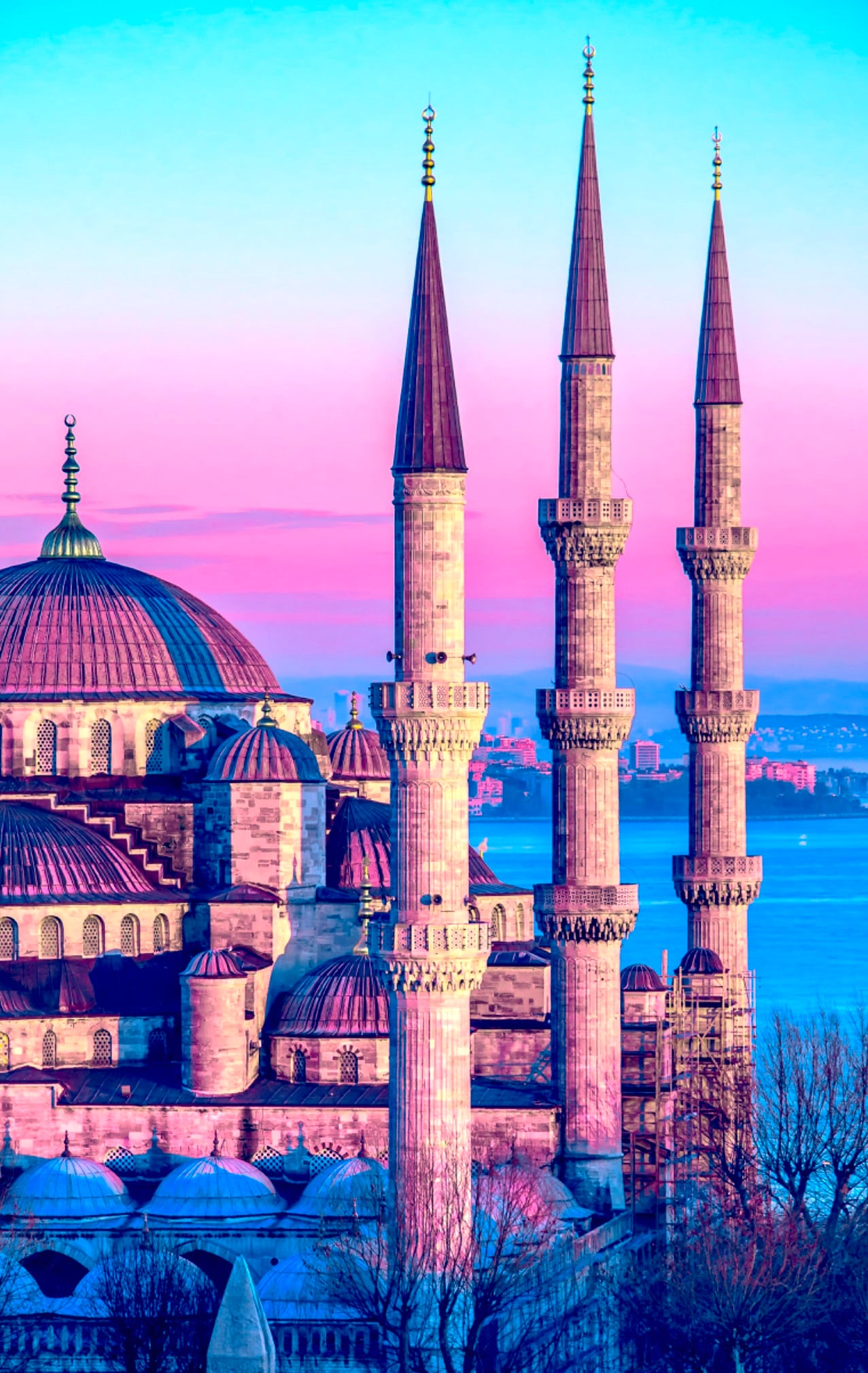
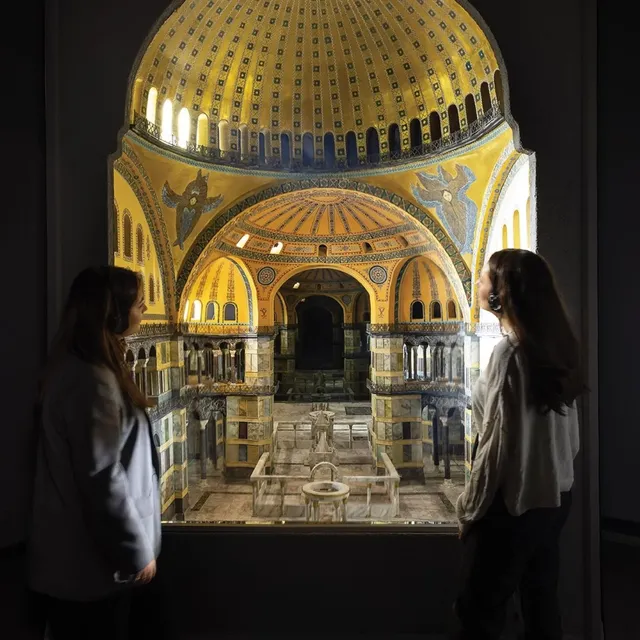
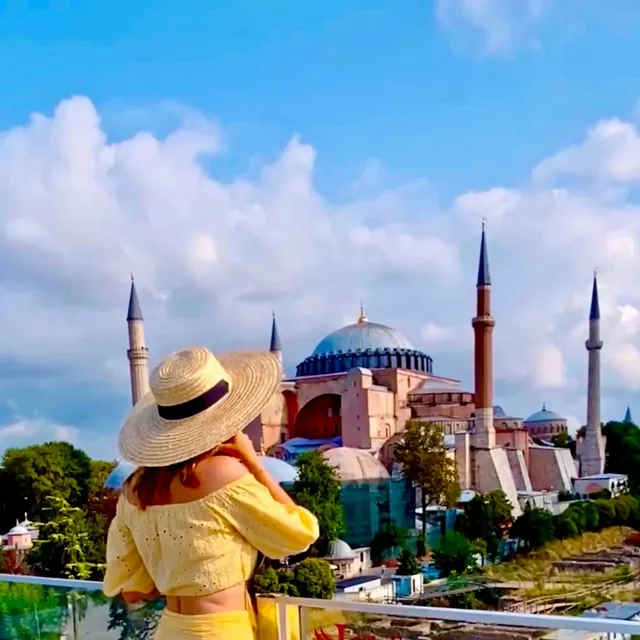
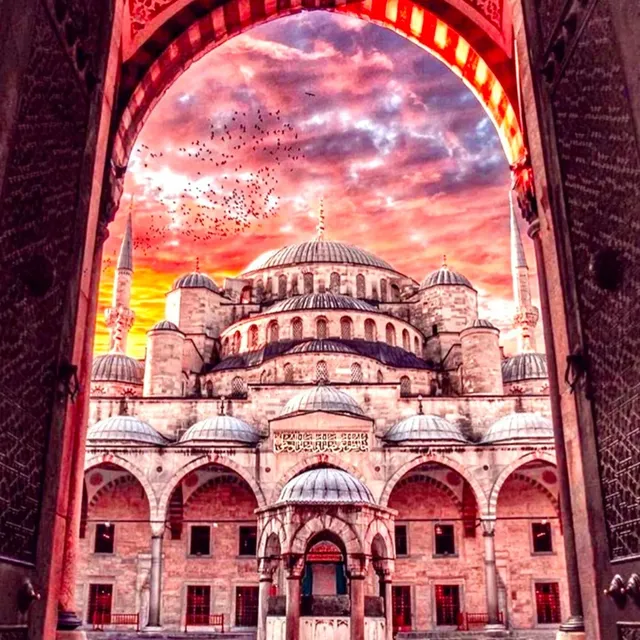
Established in 536 AD by Emperor Justinian of the Byzantine Empire, Hagia Sophia was the largest cathedral of its time and stood as proof of the empire’s advanced architectural technology. After the Ottoman armies conquered the city, the cathedral was turned into a mosque and continued to serve for more than four hundred years. Later, in the period of the Turkish Republic, Hagia Sophia became a museum telling the story of roughly 1,500 years.
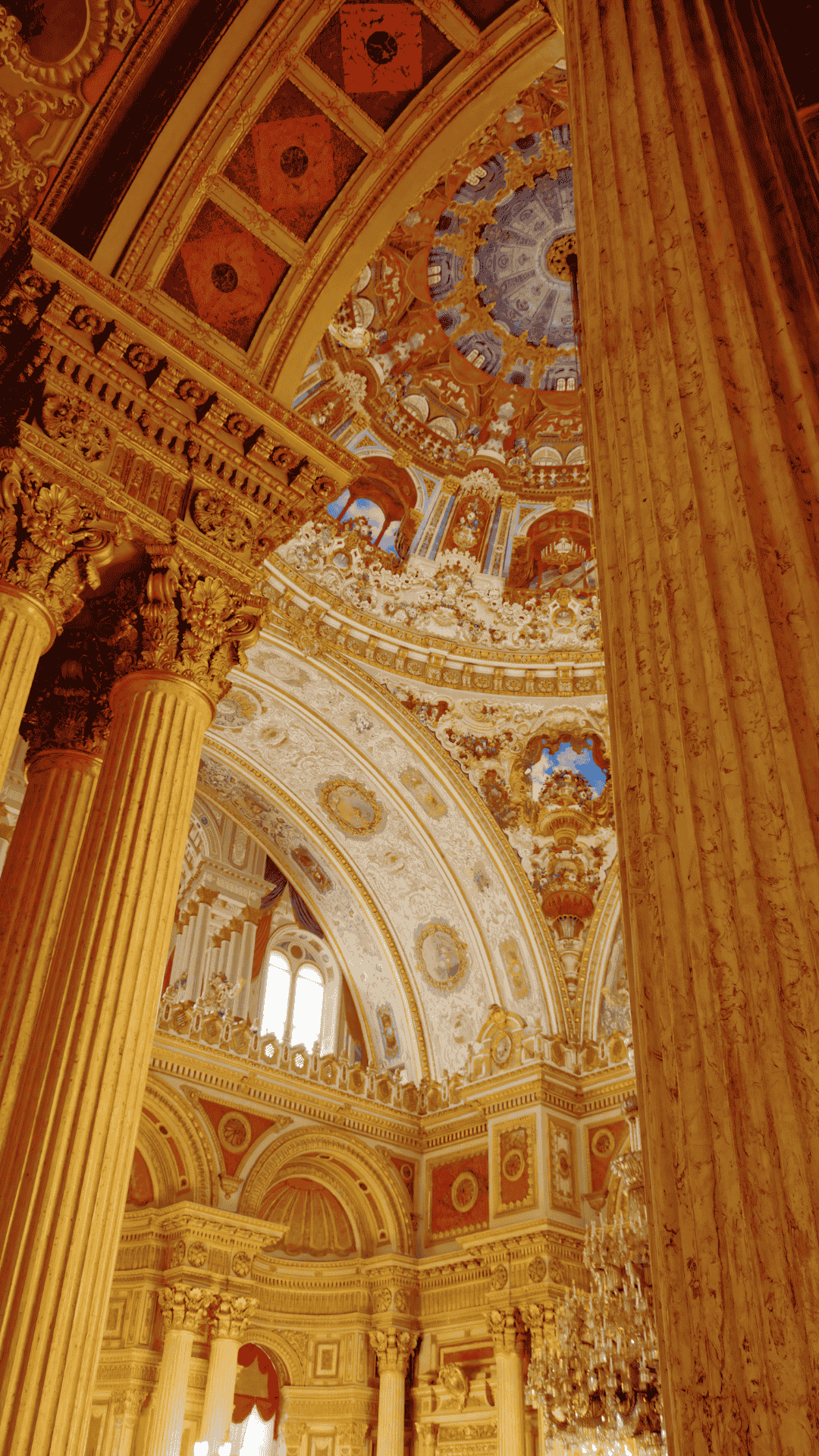
When you enter Hagia Sophia, its design and interior decoration are immediately striking. It remains far more than a monument; it feels like a masterpiece shaped by multiple eras of Istanbul’s history.
The site is located at Sultanahmet Square, and you can reach it via the T1 tram line. For broader historical background, you can also see the UNESCO overview of Istanbul’s historic areas at unesco.org.
The Basilica Cistern (Yerebatan Sarnıcı)
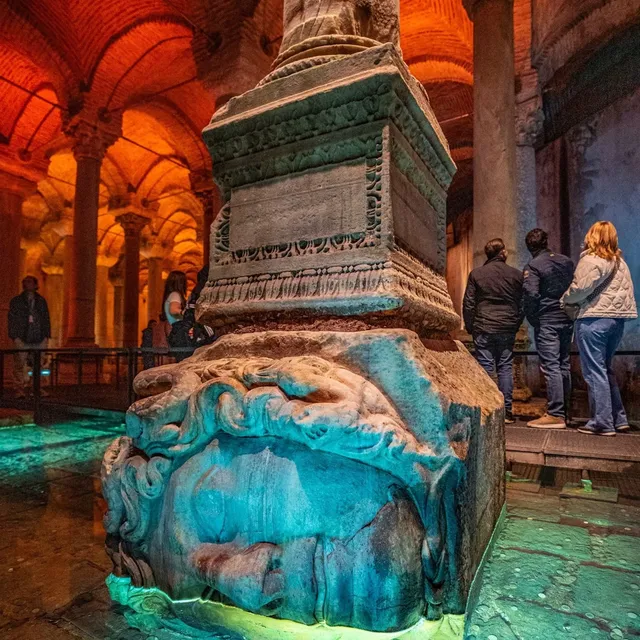
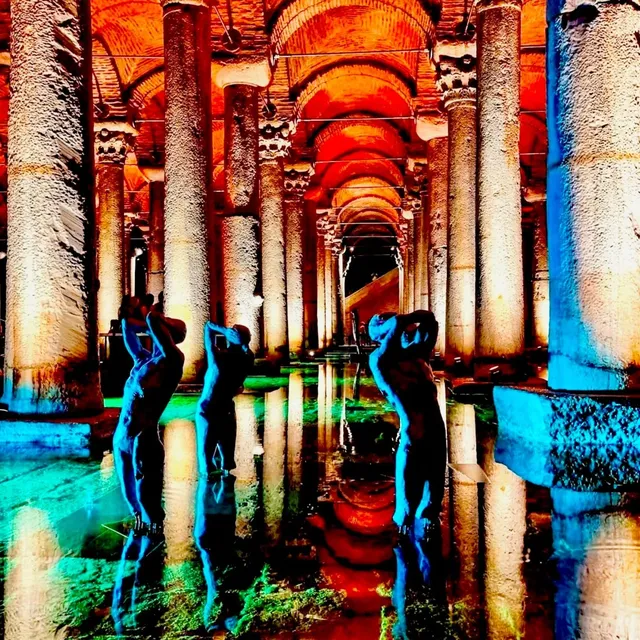
One of the world’s most breathtaking places, the Basilica Cistern looks like a vast underground palace hall. Its 336 columns line up in 12 rows, and construction began during the rule of Constantine before being completed in the 6th century under Emperor Justinian.
This cistern served as a major water source for Istanbul for many centuries thanks to its ability to hold up to 2.8 million cubic feet of water. Among its most intriguing details are the two columns with Medusa heads, believed to protect the cistern.
A visit to the Basilica Cistern feels mysterious and deeply historical. It is located on Yerebatan Caddesi in the Sultanahmet area and deserves a place on every itinerary.
Istanbul Archaeology Museum
This museum is one of Turkey’s most important because it brings together artifacts from the Middle East, Asia, and Europe. The complex consists of three museums: the main Archaeological Museum, the Ancient Orient Museum, and the Tiled Kiosk Museum.
Together, these museums contain more than one million historical items from civilizations across the world, including the sarcophagus of Alexander. It is one of the best places to understand Istanbul through the ages and to widen your perspective beyond the city itself.
The museum is located right next to Topkapi Palace. If you plan to visit, it is smart to check current visitor information on official museum resources such as muze.gen.tr.
The Grand Bazaar
If you do not know it yet, the Grand Bazaar is known as the oldest and first covered market or mall in the world. For centuries, it has been a place where people come to shop and discover traditional Turkish products.
The Grand Bazaar has eleven entrances and around four thousand shops offering souvenirs, traditional Turkish desserts, jewelry, antiques, clothes, carpets, and many other products. It is not only a shopping stop but also one of the most atmospheric places in the city.
Even if you are not interested in shopping or spending much money, it is worth walking through the lanes, taking photos, and soaking in the energy of the market before stopping for a bite to eat.
You can reach the Grand Bazaar via the T1 tram line. The original text notes opening hours of 9 am to 8 pm every day except Sunday, but as hours may change, it is best to check the official site or current local listings before you go.
Istiklal Street
Istiklal Street offers a different side of Istanbul from the older historical landmarks. With French-designed buildings on both sides and many cafés and restaurants below them, Istiklal is one of the city’s most active shopping streets.
Walking here is less about one specific monument and more about the atmosphere. The old red tram that carries people from one end of the street to the other adds a nostalgic character and brings to mind the simpler days of the city.
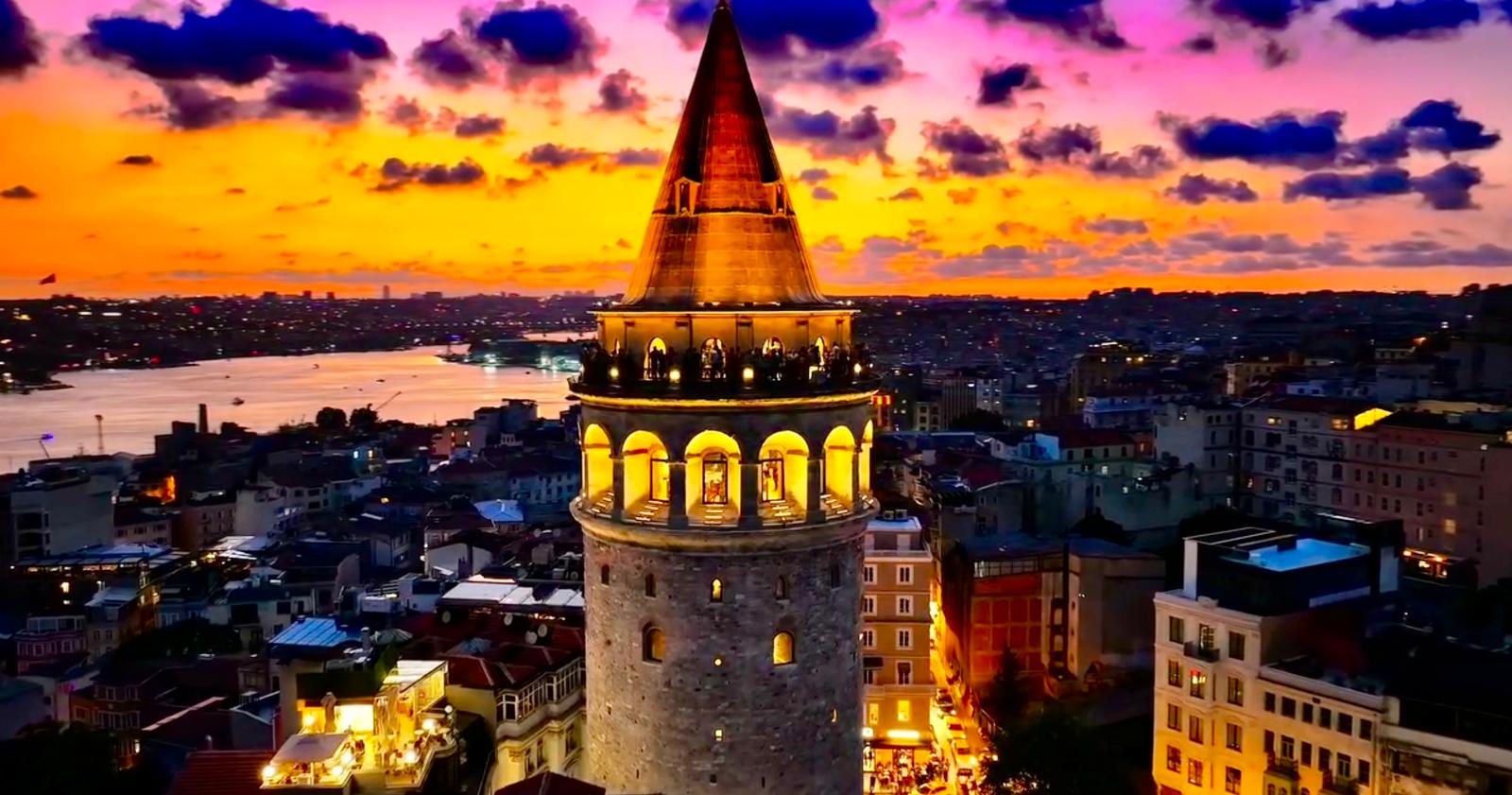
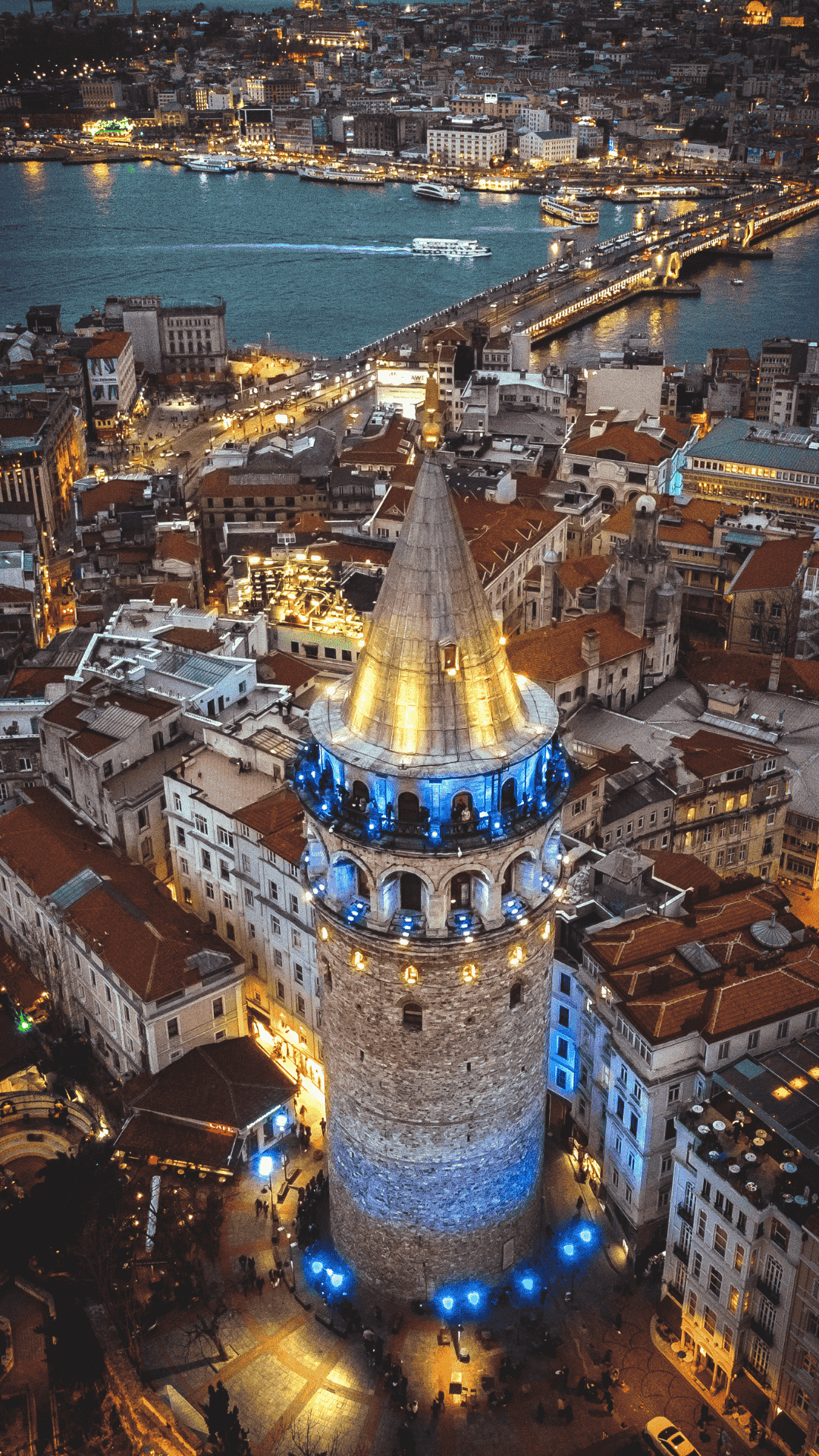
At the end of the street, you will find Galata Tower, where you can go up and enjoy a wonderful view over Istanbul. If you want to experience both modern urban life and classic city scenery, Istiklal Street is a strong addition to your route.
Why These Places Stand Out
These attractions represent different faces of Istanbul. Hagia Sophia reflects the city’s religious and imperial history. The Basilica Cistern reveals a hidden engineering world beneath the streets. The Archaeology Museum gives deeper historical context. The Grand Bazaar shows Istanbul’s commercial and cultural energy, while Istiklal Street highlights its more modern rhythm.
Together, they create a balanced first-time itinerary and help explain why Istanbul remains one of the world’s most memorable destinations.
FAQ About Touristic Places in Istanbul
What are the most famous touristic places in Istanbul?
Some of the most famous touristic places in Istanbul include Hagia Sophia, the Basilica Cistern, the Grand Bazaar, Istanbul Archaeology Museum, and Istiklal Street. These places combine history, architecture, shopping, and city life in a way that gives first-time visitors a broad experience.
How can I reach the main historic sights in Istanbul?
Many of the main historic sights, especially around Sultanahmet, are easy to reach by the T1 tram line. This makes places like Hagia Sophia and the Grand Bazaar convenient to visit in the same day, especially if you stay in central districts.
Is the Grand Bazaar worth visiting if I do not want to shop?
Yes. The Grand Bazaar is not only for shopping. Many visitors go simply to walk through its historic passages, take photos, and enjoy the atmosphere. It is one of the city’s classic experiences even if you do not plan to buy anything.
What makes the Basilica Cistern special?
The Basilica Cistern is special because of its underground setting, forest of columns, and mysterious lighting. Its connection to Byzantine engineering and the famous Medusa heads make it one of the most distinctive historical places in Istanbul.