
Later, with the beginning of steamship journeys between Kadıköy – Adalar, the islands drew interest as both residential and vacation areas. In time, Armenians moved to Kınalıada, Rums to Burgazada, Jewish residents to Büyükada, and Turks to Heybeliada. Today, the population is more cosmopolitan, much like Istanbul itself.
These islands now see heavy domestic tourism, especially in summer. The district population increases dramatically in the warmer months and even more on weekends. Many island residents work in Istanbul and commute by steamship daily. A large number of houses are second homes used by Istanbul families during summer. If you want a broader practical guide before planning a visit, see our Princes' Islands page.
Now let’s take a closer look at the main islands.
The Princes of Istanbul: Büyükada
The area of Büyükada is 5.4 km, and it is the largest of the islands in the Marmara Sea.
The island was once the place of exile for Trocki. On the highest hill of the island stands Aya Yorgi Church. On the way to the church, you may notice many ropes tied to trees. A pilgrimage point for Christians, this church is visited by many people from different religions who believe that their wishes may be realized, especially on 23 April and 24 September.
According to belief, you must climb the hill to the church without speaking, take a bell or a key from the church, and make your wish. If your wish comes true, you must return the bell or key to the church. You can read more background on the island group at Wikipedia.
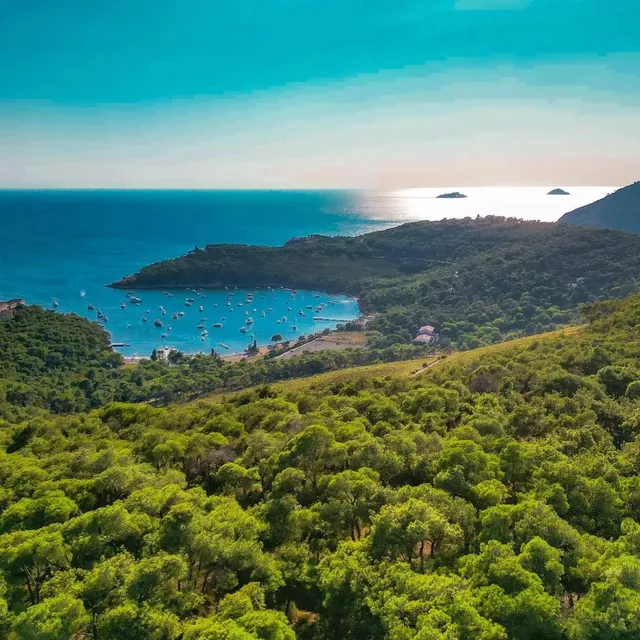
As you go up to Aya Yorgi, be sure to enjoy the picturesque views of the island. You can also admire the scenery from the restaurant while eating your meal. Sunset is especially rewarding here.
Another activity once enjoyed on the island was riding a phaeton. Visitors could take either a long or short tour around the island. Another way to explore was by renting a bicycle.
If you walk to the right from the steamship pier, you will find many fish restaurants, ideal for seafood appetizers and fresh fish. If you prefer meat, there are also many “cook it yourself” restaurants in different parts of the island.
For swimming, you may use the facilities of the Büyükada Water Sports Club or other beaches for a daily fee. And before leaving, don’t forget to taste the special crackly island snack called palmiye, sold in many pastry shops and bakeries.
Kınalıada: The Smallest Island
Kınalıada is the smallest of the islands in the Marmara Sea. It is known mostly for the Monastery of Hıristo. The founder of the monastery is the Byzantine Emperor Roman Diogenes IV, whose life became a historical example after he was betrayed by his friends.
Diogenes moved to stop the Seljuk from entering Anatolia in 1071, but he lost the war. While he was on pilgrimage in Jerusalem, plans were made to dethrone him. After his return, he was captured in Izmir, his eyes were taken out, and he was jailed in his own monastery in Kınalıada.
After visiting this monastery on the island’s highest hill, you will notice Ayazma Beach on the back side. This is the place to enjoy swimming on the island.
Burgazada: History, Culture, and Views
Known as Antigone in history, the island was named after Antigonus, a former commander of Alexander the Great. Demetrius Poliorcete named the island after his father Antigonus when he sailed to the Marmara Sea to conquer the empire and free the Bosporus in 298 BC. After the conquest of Istanbul, the island was called Pyrgos in Greek, and in time this changed to Burgaz. In the 19th century, the island became a summer resort for native Rums and other foreigners in Istanbul.
On the streets of Burgazada, you can hear Spanish and Hebrew. Among the main landmarks are The Great Orthodox Sanctuary, the Aya Yorgi Karipi Church with its three bells, and the monastery with the same name.
The only museum on the island is the house of the famous Turkish author Sait Faik Abasıyanık. He wrote his books and spent the last ten years of his life in Burgazada. The house was preserved and turned into a museum. For more on Istanbul’s wider historical texture, you may also enjoy visiting Istanbul Archaeology Museums.
Another place worth visiting is the recreation area called Kalpazankaya and the restaurant there. It can be reached by a 30-minute walk, phaeton, or boat. The setting has magnificent views, with forest on one side and the sea on the other. It would be a shame to leave without tasting the appetizers, the meat cooked in tandoor, and watching the sunset.
By the pier, Barbara Yani is among the recommended restaurants on the island. Formerly Rum, Yani runs the restaurant and serves delicious dishes from Rum cuisine.
Another important recreation area is Bayraktepe. It takes its name from the flag carved in wood somewhere on the island, visible from the front side. The view is unique, and there is also a camping area.
Founded in 1963, Adalar Water Sports Club serves in Burgazada as an institution training sportspeople in many branches, including swimming, water polo, sailing, and subaqueous sports. Burgazada Sea Club is the second club on the island.
Heybeliada: Active in All Seasons
Heybeliada is the second largest island after Büyükada. Compared to the others, it is more active in winter. The reason is the presence of naval schools and houses, the clerical school, sanatorium, churches, and the high school on the island.
In the Byzantine era, mining, the commerce school, churches, monasteries, and wine-selling were more important in daily life. In the Ottoman era, the island was used as a resort thanks to its pine woods, fish, and hotels.
Again in the Ottoman era, The Patriarchate of Fener and Jerusalem was on Heybeliada. For this reason, the island hosts many graves and memorials of patriarchs, metropolitans, and other clergy, especially Orthodox clergy.
Another important place on the island is Heybeliada Beach in Değirmenburnu on the north side of the island. The Halki Palas is an ideal place to spend the night. For ferry-related updates before your trip, it is wise to check Şehir Hatları.
Why These Islands Still Matter
The Princes’ Islands remain one of Istanbul’s most layered destinations: a place where histories of exile, multicultural settlement, seasonal leisure, pilgrimage, and local food all come together. Whether you choose Büyükada for its famous hilltop church, Kınalıada for its monastic past, Burgazada for literary and scenic appeal, or Heybeliada for its year-round life, each island offers a different side of the same story.