Istanbul has drawn people from different cultures throughout history with its unique structure, natural beauty, and varied climatic features. The city is influenced by the hot, dry Mediterranean climate in summer and by the Black Sea climate, where precipitation is often seen in winter. This mix means every season shows a different side of the city.
Seasons and weather in spring
Spring may be the most beautiful season to see Istanbul because the city becomes especially charming in mild weather. As the harsh cold begins to fade, the Bosphorus turns green and tulips and hyacinths appear across the city. If you want to start exploring Istanbul in pleasant conditions, spring is a rewarding time.
The Princes' Islands are among the places you will hear about in every season, but spring gives them a special appeal. Trees and plants become more vibrant, and the islands of Heybeliada, Burgazada, Buyukada, and Kinaliada offer many enjoyable options for local and international visitors. You can ride a bicycle, take photographs, observe animals, and go hiking while enjoying the fresh air.
Hiking is one of the best spring activities when the air carries the scent of flowers and plants. Polonezkoy, far from the center and crowds of Istanbul, offers excellent opportunities for hiking and family picnics in a mild climate.
Caddebostan is another favorite in fine weather, where many Istanbul residents gather on the lawns. During family visits, you can sit in Caddebostan, enjoy the sea view, and spend time in a calmer setting while watching the city’s natural beauty.
Summer in Istanbul
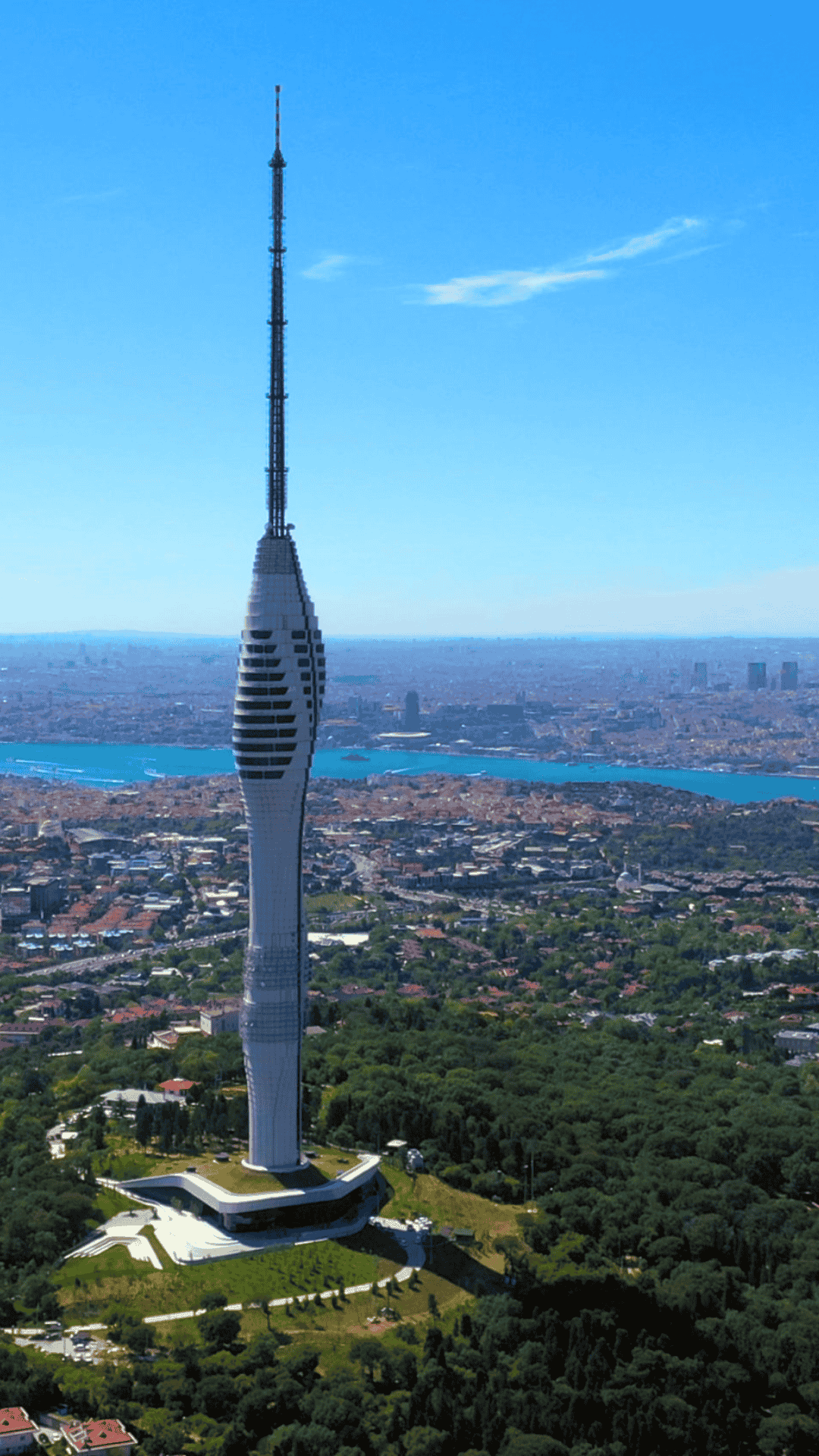
One of the most important things to know about Istanbul is that summer is generally hot and dry. If you plan to visit during this season, wooded areas close to the water can be especially pleasant, and it is wise to choose places that let you enjoy the city without staying in direct heat for too long.
The Belgrade Forest is a popular place for locals in every season, and in summer it stands out with its unique atmosphere and 6 kilometers of hiking trails. The forest, lake views, and giant trees on the European side of Istanbul can easily become a memorable part of both family trips and solo outings.
Riva is a good option for travelers who want to spend summer with the sea and sun. Located about 50 kilometers from the center of Istanbul, this old Greek village is known for its long sandy beach. The restaurants and cafes around the beach also add to its appeal as a summer escape.
Another place that can help you cool down is Şile. For holidaymakers who want to spend their summer by the sea, Şile is one of the best-known getaways near Istanbul. The district has a 60-kilometer coastline and is a common weekend escape for city residents. Besides its fine sandy beaches, its historical ruins are also worth seeing in any season.
If you prefer a breezier city experience in summer, a Bosphorus Cruise can also be a pleasant way to see Istanbul from the water.
Autumn in Istanbul
Autumn in Istanbul is usually lightly rainy and refreshing after the heat of summer. It is a season when you can enjoy many activities that suit the city year-round, including nature walks, museum visits, and steamboat rides. The cooler air makes sightseeing more comfortable, especially if you want to combine outdoor time with cultural stops.
Ataturk Arboretum is one of the places to see especially in autumn because of its remarkable colors. You can take a peaceful walk around the lake while watching leaves fall from the trees. It is well suited to nature walks, picnics, and photography, with scenery that leaves a strong impression.
Another place where you can fully feel the autumn atmosphere is Fenerbahce Park on the Anatolian side. Its view is striking, allowing you to frame both the sea and the city’s natural beauty in one scene.
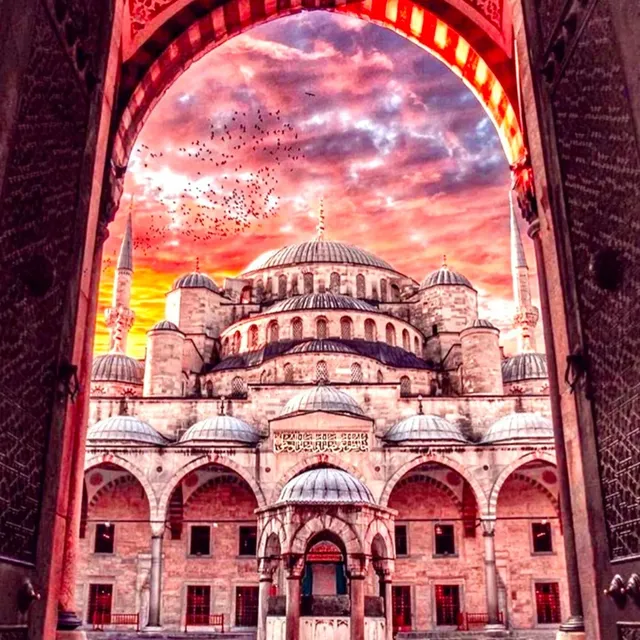
Autumn can also be an ideal season to explore historic areas such as Sultanahmet Square, when the weather is cooler and walking becomes easier.
Winter in Istanbul
One of the most accurate things that can be said about Istanbul is that the city takes on one of its most beautiful forms in winter. During this season, you can still enjoy the natural side of the city while also focusing on its historical monuments and museums. Rainy or snowy days can make indoor cultural visits especially appealing.
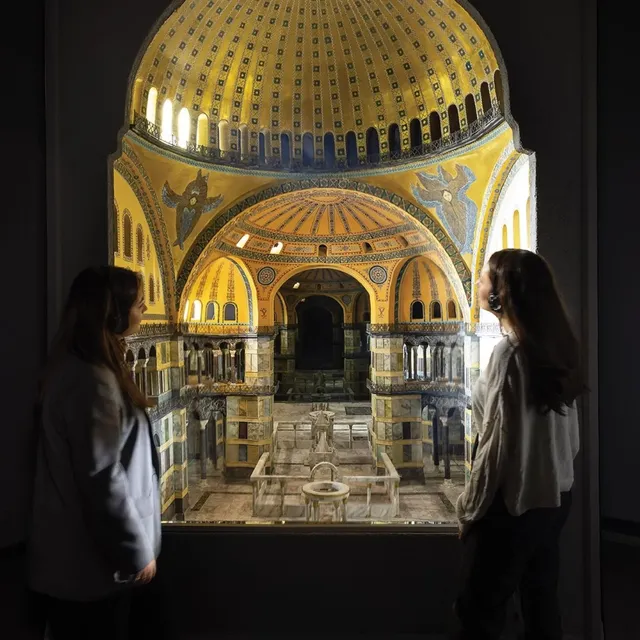
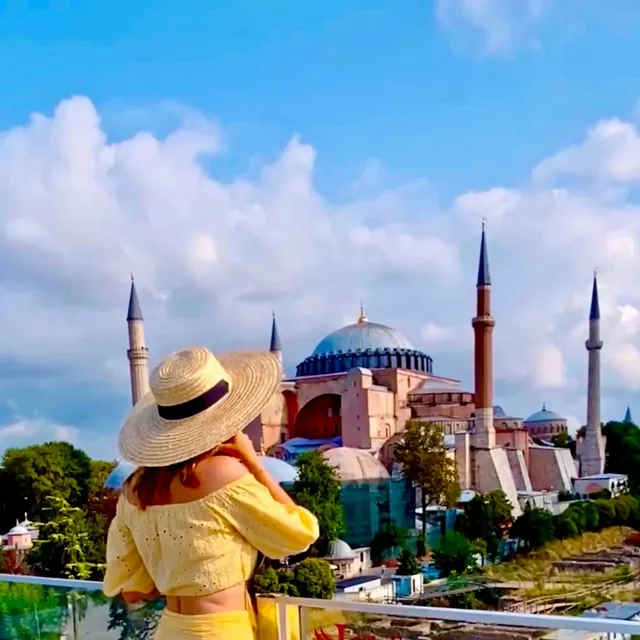
Hagia Sophia is undoubtedly one of Istanbul’s most important symbols and a monument that has stood for centuries. If you explore the city in winter, it is one of the places you should see. It has served different religious purposes through the centuries and was turned into a mosque from a church.
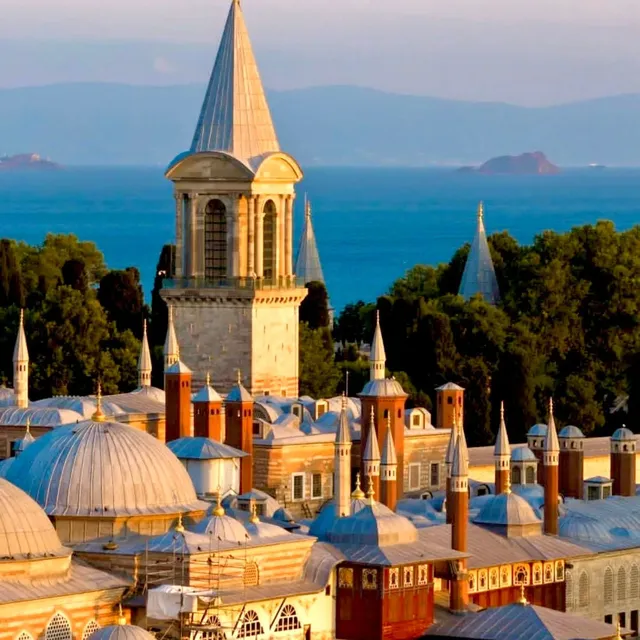
If you want to discover Topkapi Palace in the colder season, you can experience a sense of history that adds warmth to the day. Built by Sultan Mehmet the Conqueror during the Ottoman Empire, the palace became one of the empire’s important symbols. Visiting this palace, which is used as a museum today, can raise your mood in snowy or rainy weather.
For background on Istanbul’s geography and climate, you can also check Wikipedia’s Istanbul page. If you are planning public transport in changing weather, the official Metro Istanbul website may also be useful.
What to expect from Istanbul weather year-round
Istanbul does not offer the same mood in every month, and that is part of its charm. Spring brings flowers and greener landscapes, summer is hot and dry, autumn feels cooler and lightly rainy, and winter can be wet, cold, and atmospheric. Choosing the best time depends on whether you prefer nature walks, seaside escapes, or visits to famous historical sites.
No matter when you come, Istanbul offers different ways to enjoy the city in all seasons. From island trips and forests to museums and monumental landmarks, each part of the year creates a different travel experience.