Employment in private universities may sometimes be in return for a waiver from tuition fees. Internship programs are often among the most beneficial options because they allow students to continue their studies while gaining experience. Most internship programs take place during the summer period, but some international internship programs may last up to 12 months. One important advantage is that the Republic of Turkey does not require a work permit from students participating in these international internship programs. In addition, major cities such as Istanbul host many career fairs throughout the year, giving companies the chance to introduce themselves to students and collect resumes from potential applicants.
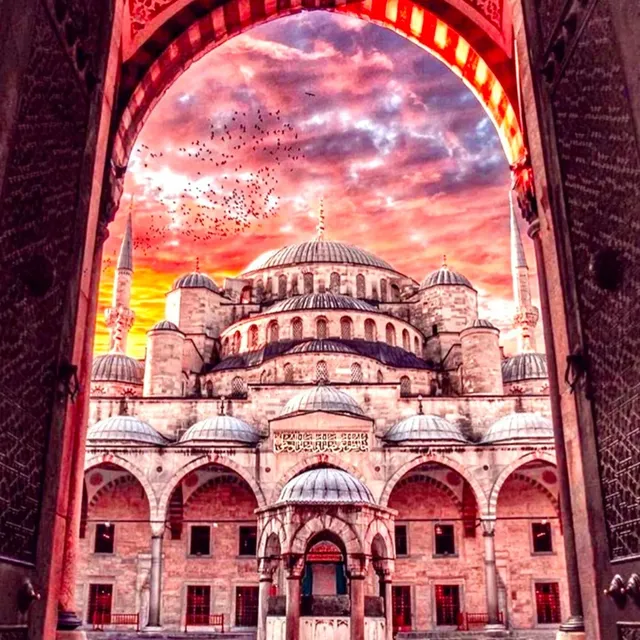
Many universities also have career centers that support students as they plan their work life after graduation. Along with career guidance, these centers announce suitable job opportunities for students and graduates. If you are living and studying in Istanbul, these resources can become part of your everyday student experience, just like getting to know the city around places such as Taksim Square or taking time to explore the historic Grand Bazaar.
Highlights
- Part-time jobs for undergraduate students.
- Work permits that may be easier to obtain after securing residence permission for work-related purposes.
- Work opportunities in universities for graduate students as assistants or researchers.
- Career fairs that introduce companies to students.
- Career centers that offer guidance and support within the university after graduation.
Employment opportunities for students in Turkey
Many students apply to higher education programs each year in search of better job opportunities. Because financial needs are a major part of student life, many also look for ways to work while continuing their education. Turkey offers a level of flexibility in student work life for both local and international students, and this is one reason the country remains attractive for higher education.
There are many part-time job opportunities for students who are still enrolled in undergraduate programs. It is common for undergraduate students to work part-time in line with their course schedules. International students, however, need additional documentation. Besides a residence permit, international students must apply for a work permit depending on the job they plan to do. For official and up-to-date information, students should always check the relevant Turkish government resources such as gov.tr.
If a student is in Turkey as part of an international internship program, no work permit is required for that internship, since the main reason for arrival is participation in the program itself. This makes international internships especially practical for students who want work experience without interrupting their studies.
University jobs for graduate students
Graduate students often have a more direct path into employment. They are commonly employed by their universities as researchers or assistants. These positions may be paid, or they may be offered in exchange for tuition support or a fee waiver. For students who want to stay close to academic life while building professional experience, this can be one of the most suitable forms of employment.
Private universities may also provide forms of employment that reduce the cost of education. Because policies vary from one institution to another, students should confirm details directly with the university they plan to attend.
Career fairs and career centers
After or near graduation, the private sector offers many additional opportunities. Career fairs bring multiple companies together so they can present their businesses, explain their hiring needs, and meet students face to face. These events also allow students to submit resumes directly to employers. In a city as active as Istanbul, these fairs are held throughout the year and can be valuable for networking as well as job searching.
University career centers serve a similar purpose, but they often go a step further by offering direct career guidance. They help students think about long-term plans, understand possible career paths, and find suitable openings. In many cases, these centers continue to support students even after graduation.
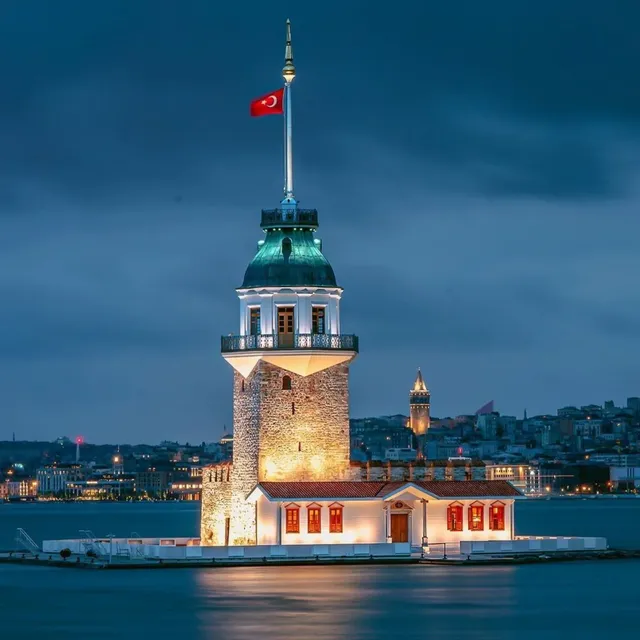
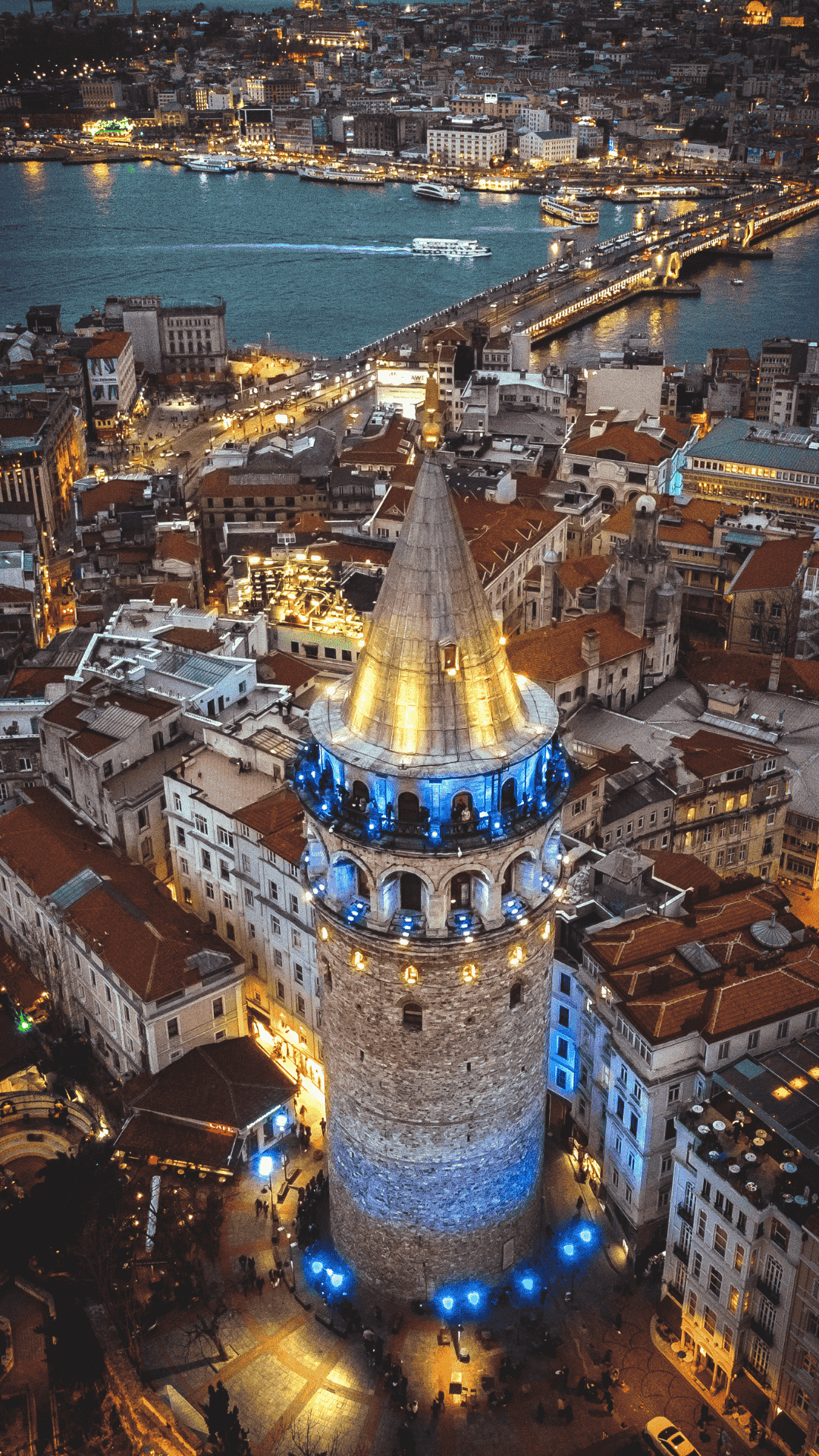
If you are studying in Istanbul, the experience of building a future is often tied to the city itself. Students may attend fairs, internships, or university meetings during the week, then spend their free time discovering landmarks such as Galata Tower. This mix of education, work, and city life is part of what makes Istanbul a practical and memorable place to study.
What makes Turkey appealing for student work experience?
Turkey stands out because employment opportunities can appear at different stages of student life. Undergraduate students may find part-time jobs. Internship participants may benefit from rules that support international programs. Graduate students may work within universities. Then, as graduation approaches, career fairs and university career centers help connect students with the private sector.
This means students are not limited to a single path. Instead, they can build experience gradually while continuing their studies. For general background about Turkey, students may also consult resources such as Britannica.
In short, Turkey offers students several routes into professional life. Whether through part-time work, internships, assistantships, research roles, career fairs, or university guidance services, there are employment opportunities throughout student life and beyond.