How to get to Sile Istanbul
The distance between Istanbul and Şile is approximately 70 to 80 kilometers. If you want to go by private car, you can reach Şile by following the Şile signs via the 1st and 2nd bridges and continuing in the Sarıgazi-Şile direction over the TEM. Transportation by private vehicle takes approximately 45 minutes.
If you do not have a private vehicle, you can use a public bus or Şile Ağva Üsküdar tourism buses that run regularly from Üsküdar and Harem to Şile. The journey to Şile by bus takes about one and a half hours, while the public bus takes around 3 hours. If you prefer public transportation, the 139 and 139A lines run from Üsküdar to Şile. For up-to-date routes and schedules, check the official IETT website.
If you are planning a wider Istanbul itinerary before or after your nature break, you can also explore landmarks such as Bosphorus Cruise experiences or spend time around Taksim Square.
History of Sile Istanbul
It is known that the first settlers in Şile were the Greeks. The earliest settlement appears to date back to the Paleolithic and Mesolithic periods, which makes Şile one of the oldest settlements in Istanbul. The name of Şile is said to have emerged when the Miletos tribe was influenced by the beauties of the region and named it “Marjoram” in their language. Until the area took its current name, it was referred to by similar names such as Philee, Shila, Aschil, Artena, Kilio, and Kalpe.
The first established and settled city in Şile was founded by the Miletos in the 8th century BC under the name Philee, in the rocky areas of the district. The Miletos, who dominated the Black Sea coast, are known to have founded Şile as a trade city. After various tribes controlled the region, the Romans dominated Şile in the 1st century BC. Gürlek Cave also became an important natural prison and was used during the conflict between the Romans and Christians in the 3rd century AD.
The Genoese controlled the region for a while, and then the Seljuks seized it in 1050. About 50 years later, the area changed hands during the Crusades. Şile officially joined Ottoman lands in 1401 and remained Ottoman for 500 years. During the First World War, it came under British control with the Armistice of Mudros in 1920. In 1923, one of the first municipalities of the Republic was established in Şile, which had been cleared of enemy forces in 1922.
Şile Castle
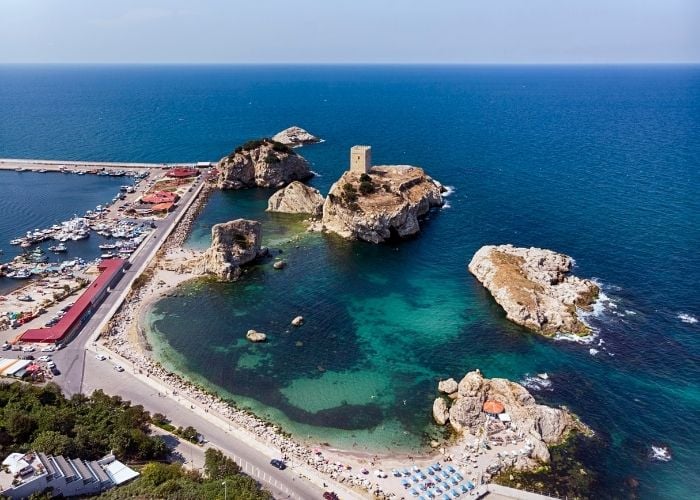
This 2,000-year-old castle stands on a tiny island. Although its construction was started by the Genoese, it was completed and used during the Ottoman Empire. The past of Şile Castle is not fully known. It was most likely constructed by the Byzantine Empire as a watchtower to protect a small harbor. It was seized by the Genoese in 1305 and taken over in 1396 by the army of Ottoman Sultan Bayezid.
Limestone quarried on the island was used to build the castle. It had four floors and a square ground plan. It was repaired twice, once during Byzantine rule and once during the Ottoman era. Later, it was neglected and eventually destroyed. Because of illicit treasure hunters’ excavations, it suffered significant losses in the 20th century.
Its current appearance was restored in 2015, and the result received harsh criticism. For that reason, it gained the nickname “Sponge Bob Castle” because of its resemblance to the cartoon character. Many visitors feel that it looks newly built and has lost some of its historical charm. Since it is located on an inaccessible island, Şile Castle cannot currently be visited.
Şile Lighthouse
Şile Lighthouse is the most significant symbol of Şile and has protected the area for many years. It is described as the largest lighthouse in Turkey and the second largest in the world. If you find lighthouses fascinating, this is one of the most memorable landmarks in the district. The lighthouse stands against the wild winds of the Black Sea, and visitors can also see the small maritime museum inside.
Built by a French architect in the 17th century during the reign of Sultan Abdulaziz, who built lighthouses along the beaches during his 15-year rule, the structure was intended to aid the navigation of ships traveling from the Black Sea to Istanbul during the Crimean War. Constructed on 60-meter-high rocks, the 19-meter-tall lighthouse features a covered stone tower that is 110 cm thick. It is painted in horizontal black and white bands so that it can be clearly seen and identified during the day.
For general background on the district, you can also review the Şile overview on Wikipedia.
Crying Rock
There are places in Turkey that are known as much for their legends as for their scenery, and Crying Rock is one of them. It symbolizes lovers who could not reunite and threw themselves into the wild waves of the Black Sea, while the rock is said to shed tears for them. If you visit this rock, known for its weeping water flow, you can also spend time on the beautiful beaches nearby.
Explore Şile and Ağva with a day trip
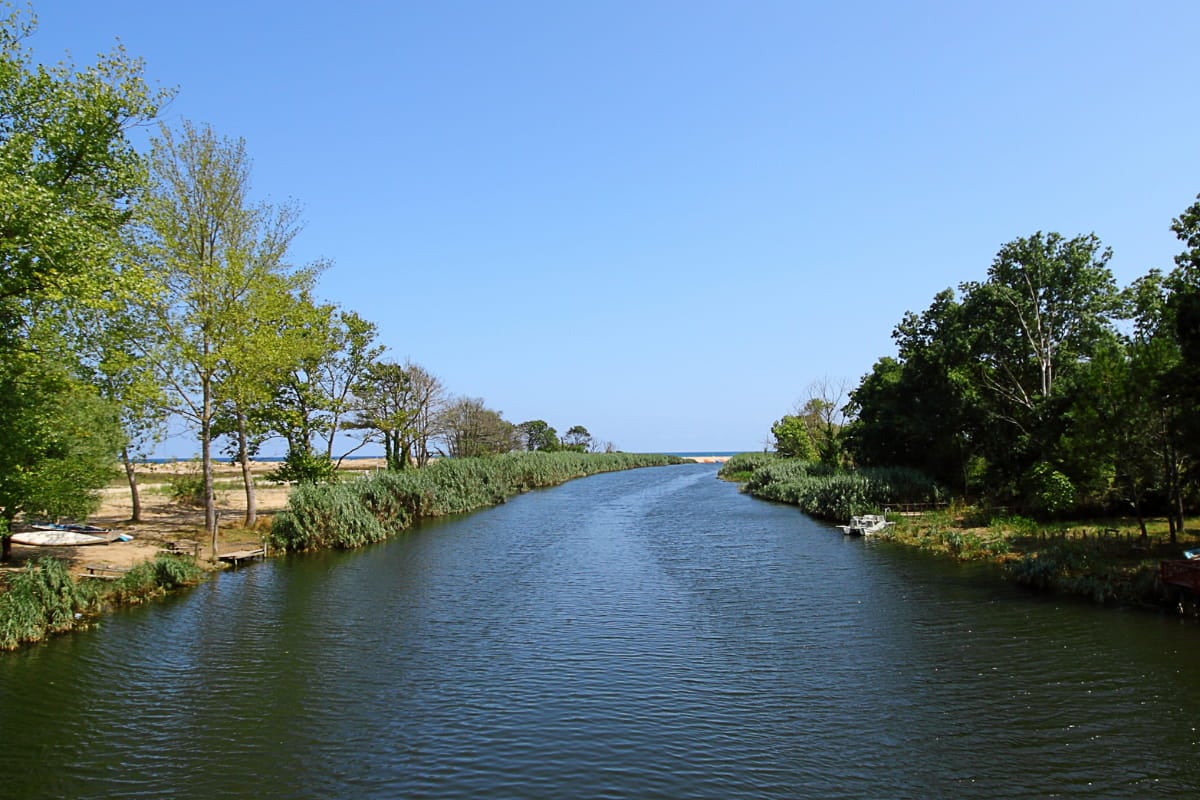
If you are looking for an off-the-beaten-path day trip, Şile and Ağva make a scenic pair. The route offers countryside views, charming villages, and hidden beaches along the way. It can be a relaxing addition to a classic city itinerary that includes places such as Princes' Islands for another slower-paced side of Istanbul.
Şile is especially appealing if you want a day surrounded by sea air, greenery, and a small-town atmosphere rather than the crowds of the historic center. It is a practical choice for travelers who want to combine natural scenery with local history.
Why visit Şile?
Şile stands out for its mix of nature, legend, and long history. You can come for a peaceful breakfast, a beach day, a short weekend escape, or a longer stay in nature-focused accommodation. Between the lighthouse, the castle, the beaches, and the Black Sea atmosphere, it remains one of the easiest and most rewarding getaways near Istanbul.