Istanbul has such districts that, when you take a look at them, you cannot guess that they had once been an important part of the city. Having lost their glimmer and dynamism, they remain silent in their own shell. As if they had never hosted fairs and carnivals, or brought together religions and people of every kind, they stand still like a naughty child hidden away in a corner after doing something wrong.
However, if you look carefully, you will see that various sects of the same religions and people from different countries have adopted these streets. These districts once gathered communities of different religions, ethnicities, and nationalities. Despite some problems caused by this diversity, they remain special enough to become the subject of new urban transformation projects. Let us witness the dedicated history of these districts.
Kurtulus tarlabasi and the memory of old Istanbul
Both Kurtuluş and Tarlabaşı carry traces of a city that changed hands, languages, and ways of life many times. For visitors staying near Taksim Square, these areas can feel close in distance yet far removed in atmosphere. Their streets preserve fragments of old Istanbul in churches, apartment buildings, fading facades, and stories that are easy to miss unless you slow down and look carefully.
A burnt Tatavla, a settled Kurtuluş
Kurtuluş District became a settlement area during the reign of Kanuni the Lawmaker, when immigrants from Chios were settled there, and it was once known as “Tatavla.” The name “Tatavla” was derived from “Ta Tavla,” the Greek word corresponding to “byre.” The reason was that the barns and meadows of the palace were situated there. After the great fire in 1929, the district was given the name “Kurtuluş.”
Kurtuluş appears in historical records as a poor Greek district until the mid-19th century. From that period to the mid-20th century, some of the richest and most crowded Greek communities lived in the area. Although the marks of that wealth are faint today, the district still has the air of someone who remains beautiful with age.
As Orhan Türker says in his book A Corner from the Ottoman İstanbul: Tatavla, although Turks and other minority groups had started to settle in Kurtuluş, the dominance of the Greeks continued until the 1950s. Many of the Greeks of Kurtuluş who suffered during the events of 6–7 September were deported according to the law enacted in 1964. A rapid social and ethnic transformation followed during the 1970s, 1980s, and 1990s. The old buildings of Tatavla changed hands, and jerry-built structures took their place.
One of the unforgettable elements of Tatavla’s history is “Baklahorani,” the festival day that the Greeks of Istanbul organized on the last Monday before Lent. It was a day when the Greek community gathered, held feasts and carnivals, and prepared for Lent. Unfortunately, these festivals, which continued until 1945, are no longer organized, as the Greek population is now at low ebb.
Kurtuluş behind the veil: the churches
Another important aspect of Kurtuluş is that it shelters different sects of Christianity. The diversity created by the settlement of different religions and sects in a small district still makes itself felt today. Since most of the Greeks were Orthodox, Kurtuluş is especially notable for its Orthodox churches.
The Cathedral of the Holy Spirit is an important exception. Monsignor Hillerau, the Istanbul representative of the Pope, had the famous architect Gaspard Fossati build the cathedral in 1845. Another important feature is its underground cemetery for nuns and believers of the Holy Spirit. No burial has taken place there since 1927, and the cemetery contains the grave of the famous palace musician Giuseppe Donizetti. You can also check general background on the architect Gaspard Fossati at Britannica.
Another important church in Kurtuluş is the Greek Orthodox Church of Agios Dimitrios, situated at today’s Kurtuluş Square. One Istanbul legend says that when a small church in Kasımpaşa was turned into a mosque after the conquest of Istanbul, the icon of Agios Dimitrios was moved to the Saint Athanasios church on top of the hill, and from then on the church became known as Agios Dimitrios.
According to the rest of the story, the icon not only gave its name to the church, but also caused the neighborhood itself to be called Saint Dimitrios or Saint Dimitry from time to time. The original construction date of the church is unknown. It appears in travelers’ notes and city plans dating back to the 16th century. Repairs and annexes in 1726, 1782, and 1798 helped preserve the building that remains in service today. It is forbidden to take photos inside, but you may visit if you wish to listen to hymns and experience a spiritual moment accompanied by the scent of incense.
Evangelistra Church is another Greek Orthodox church in Kurtuluş. According to its epigraph, the church was completed in 1893 on the site of an older wooden building after sixteen years of construction. To the northwest stands the Holy Spring of Panayia Teotokos. Like many churches dedicated to Mary, it is filled with icons expressing maternal affection and fidelity. One of its most interesting features, however, is the flea market in front of the church. Here, you may come across everything from a worn French book to a guitar with broken strings, from a mirror with faded glazing to floor lamps of uncertain age.
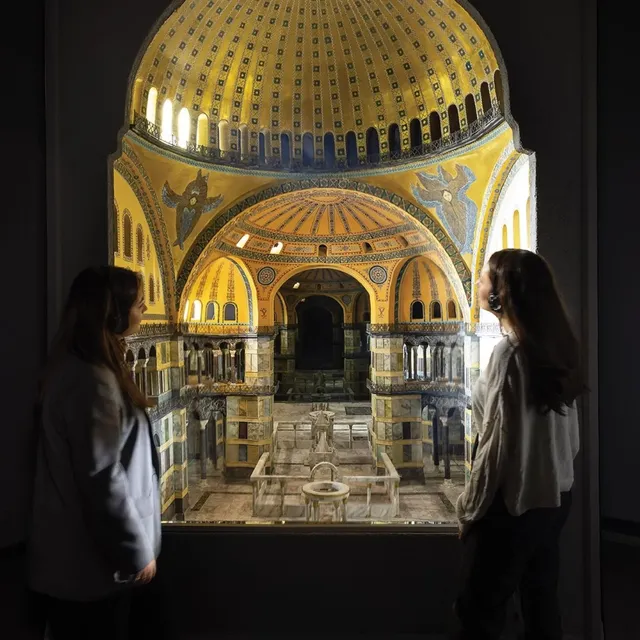
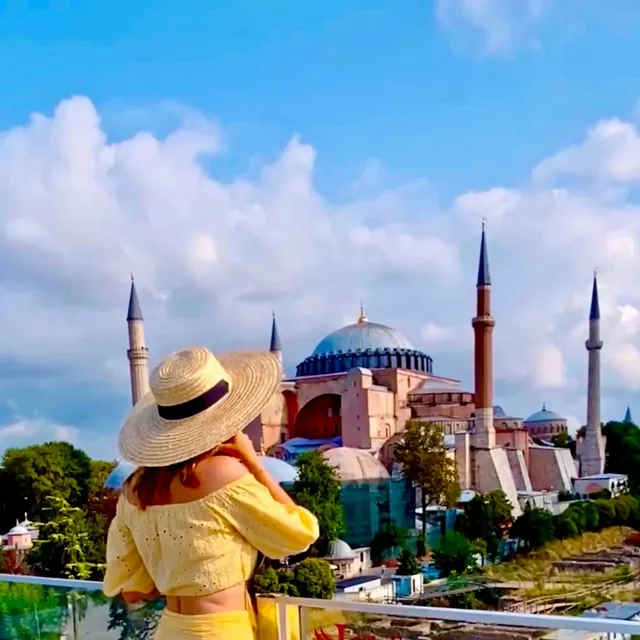
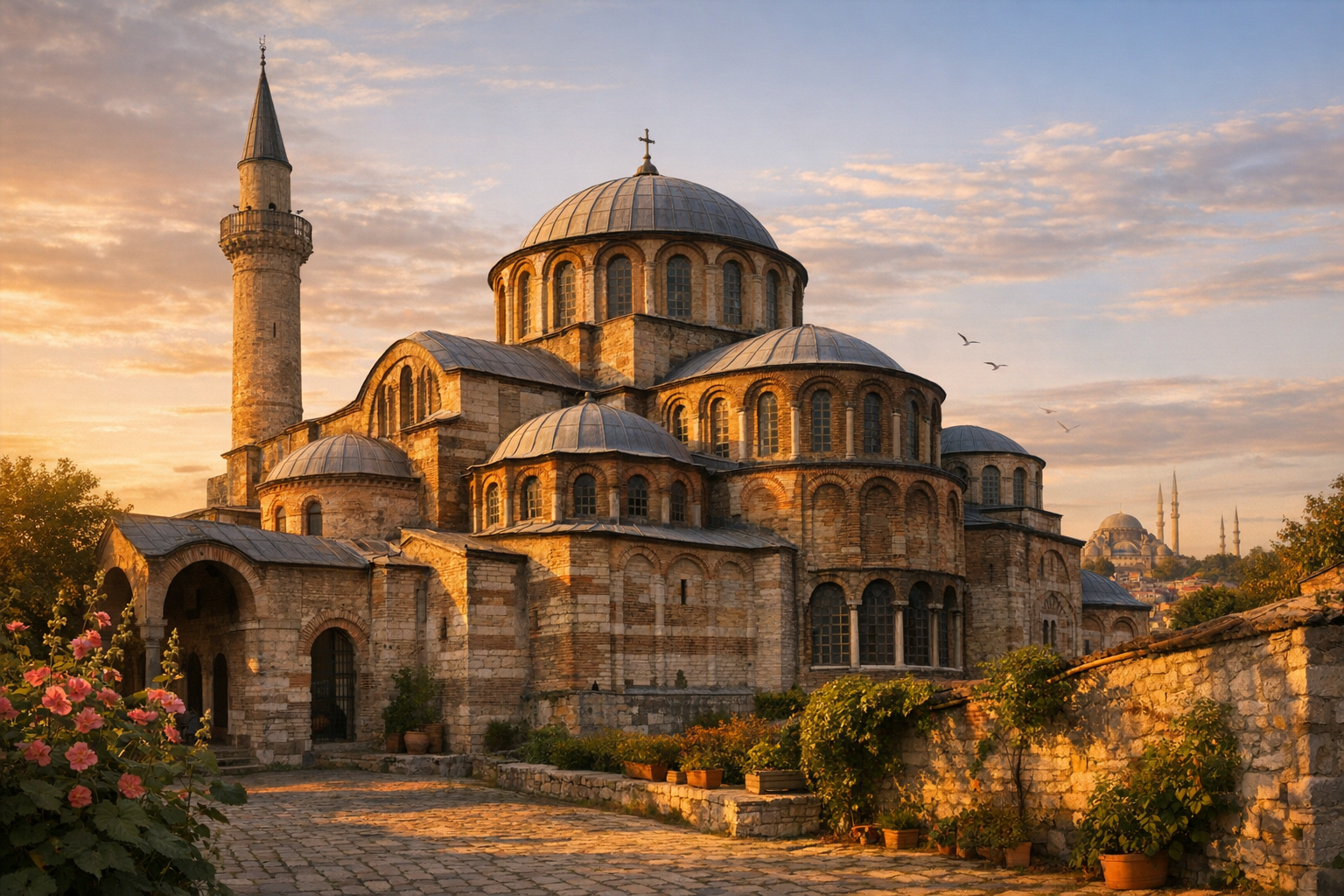
Those interested in Istanbul’s wider religious and imperial layers may also want to compare this atmosphere with grander monuments such as Hagia Sophia.
Heyula Apartment and changing urban tastes
One of the oldest apartment buildings in Istanbul is the Heyula Apartment.
When apartment living became fashionable around the world, an apartment rose in Elmadağ. It was inhabited by wealthy people of the period who had grown tired of mansion life and wanted to keep up with the spirit of the times. Since there was no concern for panoramic views then as there is now, the servants’ rooms were placed on the top floor. When you look at Heyula Apartment, as magnificent as its name, you may feel envious. Perhaps this is because the building reflects the delicacy and refinement of the period in which it was built.
If you pass by Tarlabaşı
If you pass by Tarlabaşı, show some courage and step into its streets to discover what secrets it conceals beneath its unkempt appearance. Your discoveries may both amaze and excite you. For instance, did you know that both the Chaldeans and the Melkites, whose communities are diminished today, have churches here?
The Chaldean and Melkite (Saint Pantelemion) churches of the Catholic faith are striving to remain standing despite their reduced communities and battered appearances. Two other churches in Tarlabaşı belonging to other sects are the Greek Orthodox Saint Constantine–Saint Helen Church and the Protestant Armenian Aynalı Çeşme Church. A female chaplain administers the Aynalı Çeşme church, a situation that is still uncommon. Although its community is not large, it is accepted as one of the important parts of the district.
To understand the history of Tarlabaşı, we should go back to 1535. Tarlabaşı began to develop as a residential area through the settlement of ambassadors of diplomatic missions, and of workers and servants of the Levantines and non-Muslim communities of Beyoğlu. Looking at more recent history, we see that with its changing socio-cultural composition, Tarlabaşı has not remained a desirable settlement area. It now waits for a renewed appearance through the “Urban Transformation Project.” For a broader outline of Istanbul’s history, Wikipedia’s Istanbul entry provides additional context.
A Polish poet in Istanbul: Adam Mickiewicz
Adam Mickiewicz was sent to Istanbul in 1855 to organize Polish troops who would fight in the Crimean War. But he died before accomplishing his mission because of an epidemic. The house where Adam Mickiewicz once lived is close to Kasımpaşa. The building in which he stayed for a time and where he died was turned into a museum in 1955. Documents about his life and poems, along with photographs and busts, are exhibited there. The basement floor is arranged as a symbolic grave for the poet, who was in fact buried in Krakow.
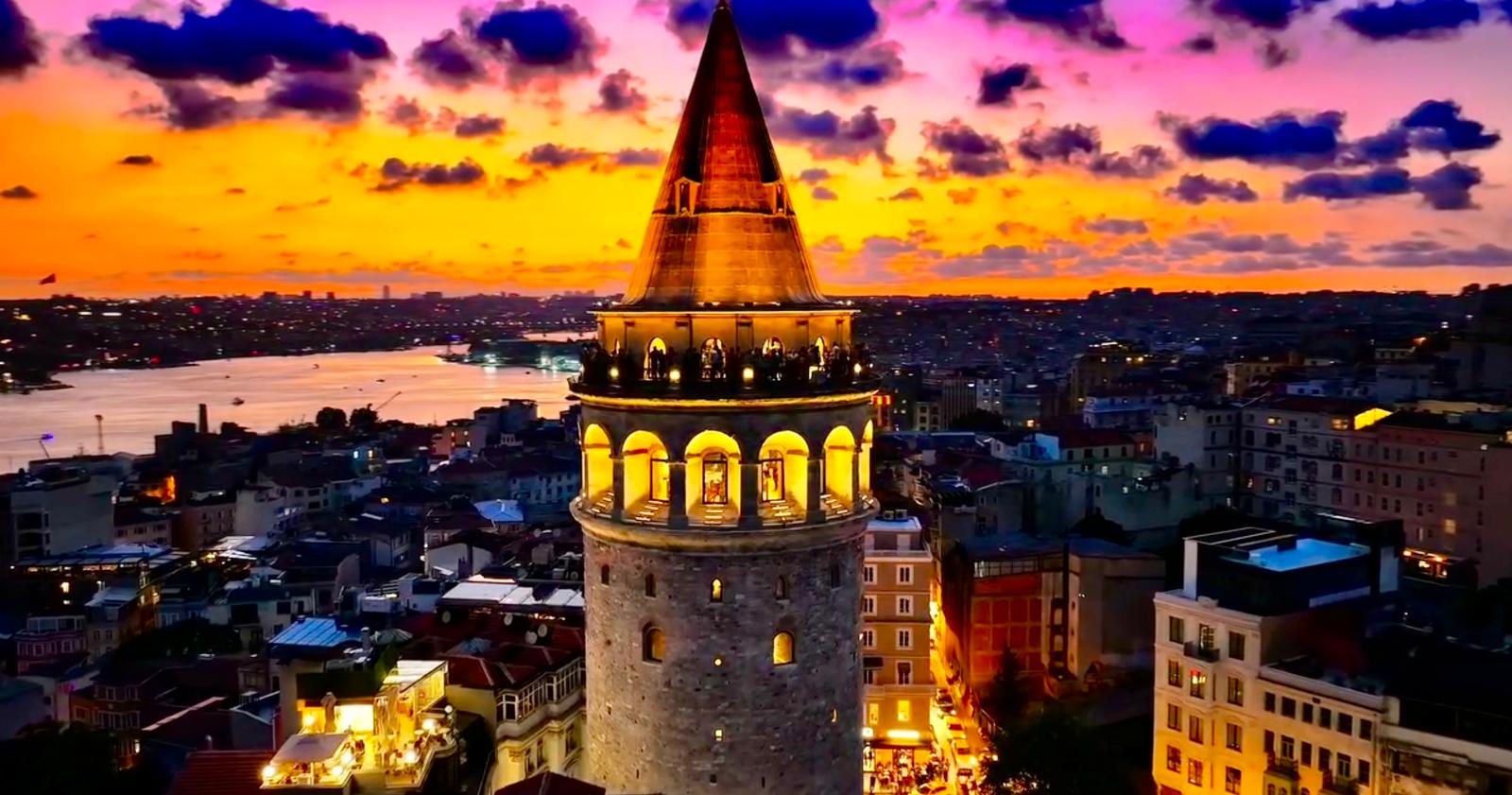
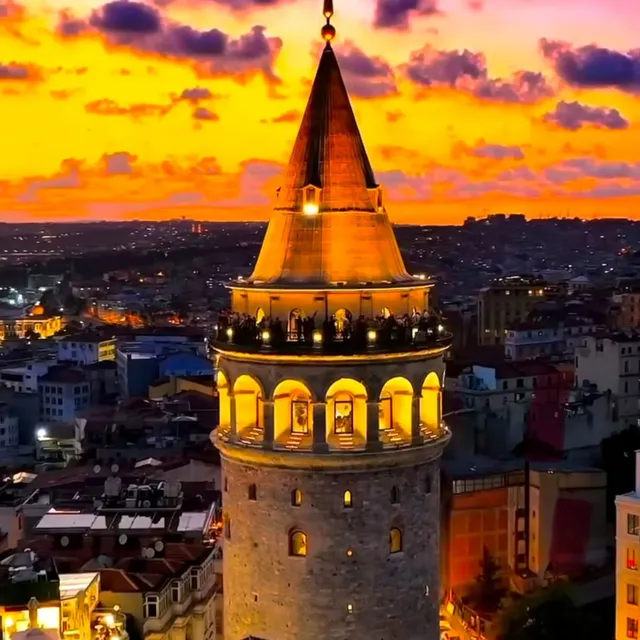
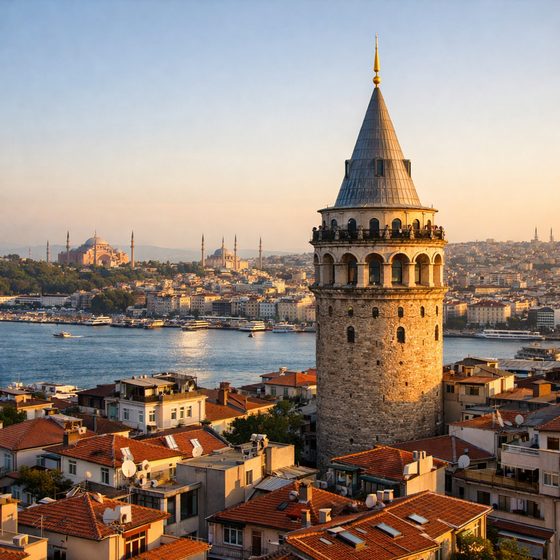
If you are exploring Beyoğlu and nearby districts, you might also continue toward Galata Tower to see how another historic quarter presents a very different face of Istanbul.
Key takeaways
- The name “Tatavla” was derived from “Ta Tavla,” the Greek word corresponding to “byre.” After the great fire in 1929, the district was given the name “Kurtuluş.”
- Another important church of Kurtuluş is the Greek Orthodox Church of Agios Dimitrios, situated at today’s Kurtuluş Square.
- The Chaldean and Melkite (Saint Pantelemion) churches of the Catholic faith are striving to remain standing despite their diminished communities and battered appearances.
- The house where Adam Mickiewicz once lived, near Kasımpaşa, was turned into a museum in 1955.