The passage stands in a lively part of Beyoğlu, surrounded by food and entertainment venues, bookstores, publishing houses, embassy buildings, religious buildings, educational buildings, cinemas, theaters, historic shops, inns, and other passages near the old bazaar area. Passages adjacent to European Passage include Aznavur Passage, Atlas Passage, Anadolu Passage, Çiçek Passage, Alhambra Passage, Aleppo Passage, Hazzopulo Passage, Karlman Passage, Narmanlı Han Passage, Rumeli Passage, Syria Passage, and Tunnel Passage.
Inside European Passage, you can take your time browsing the shops and looking for gifts. There are 22 full shops. In this historic bazaar area, visitors can find rugs, souvenirs, hobby items, antiques, Yemeni, postcards, tiles, and similar goods. The passage was once lit with gas lamps, but the lighting has since been modernized. Even today, its interior easily catches the eye of passersby, and it remains one of the places tourists like to shop in Istanbul.
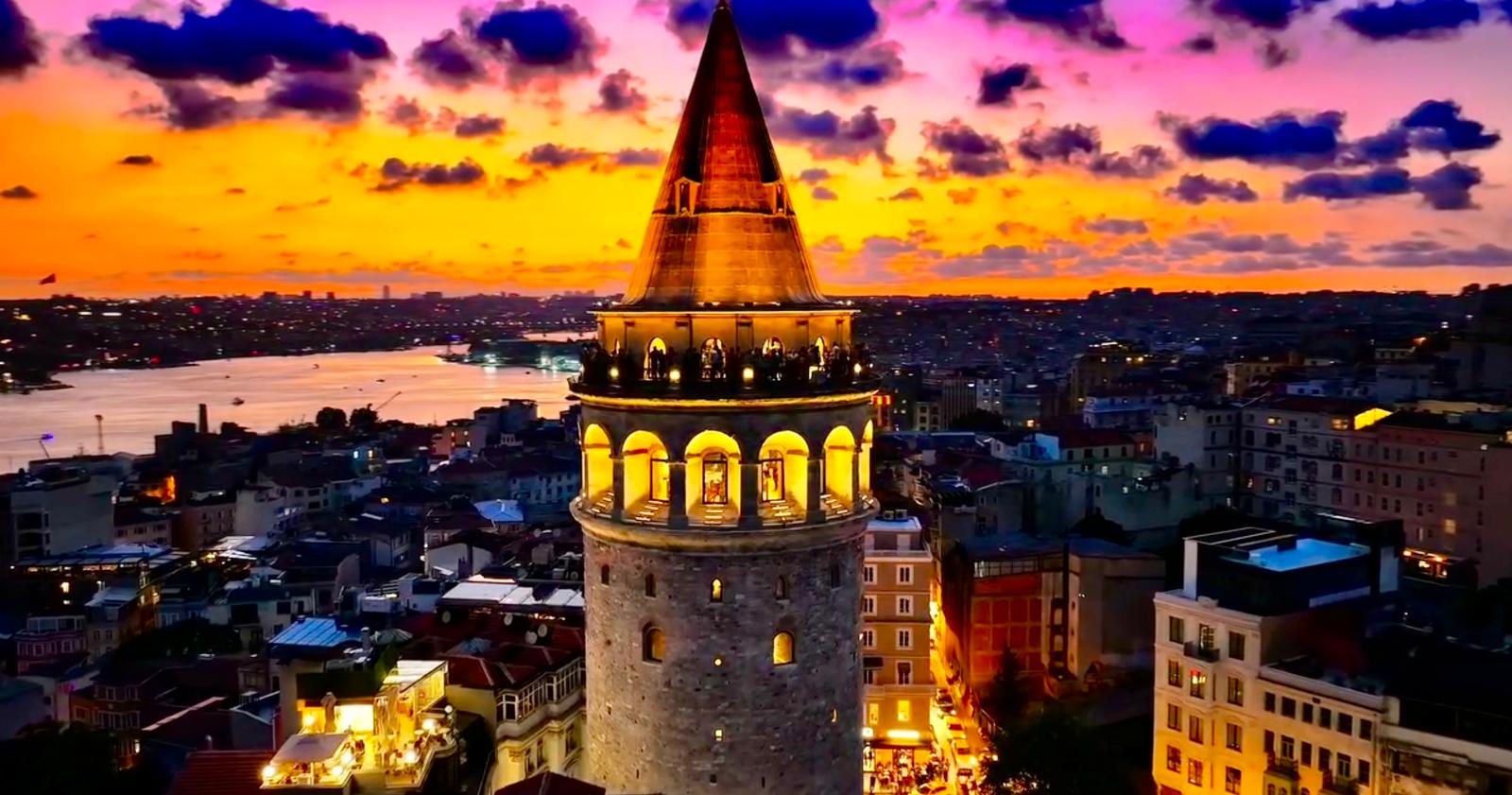
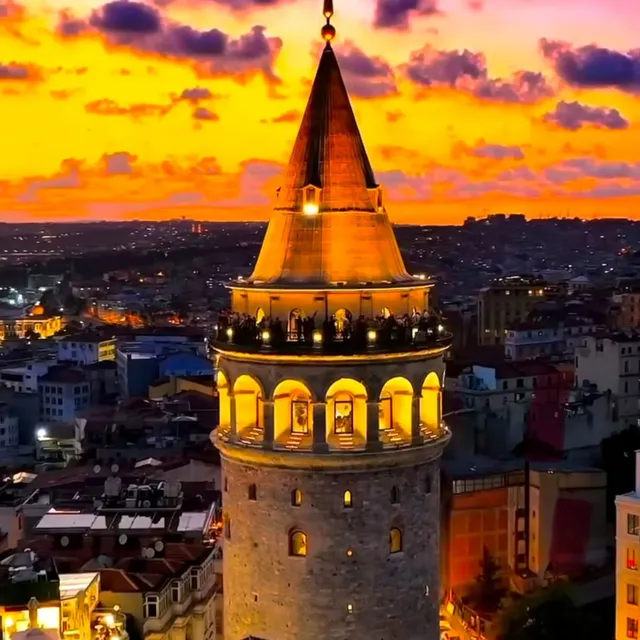
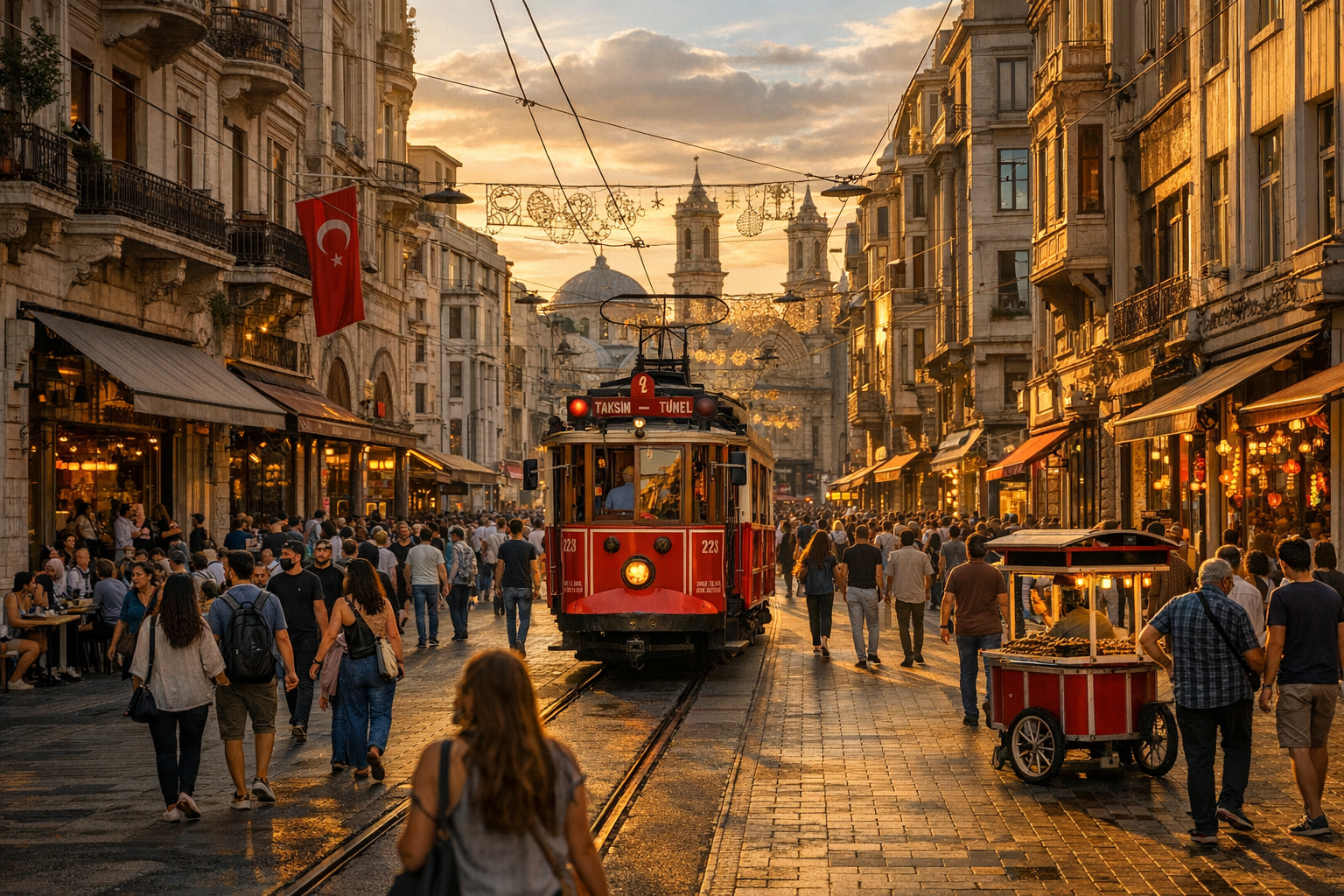
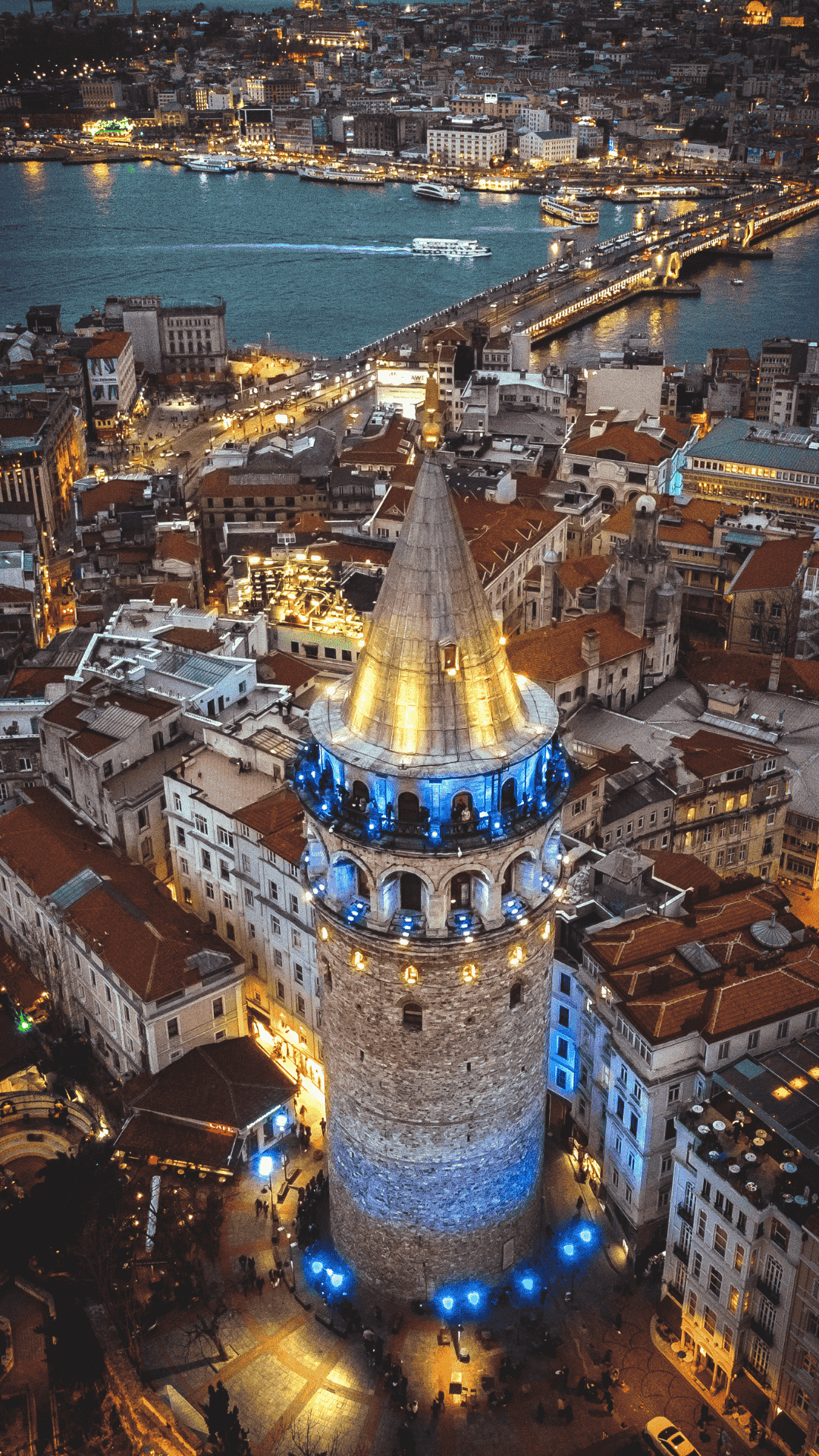
After visiting the passage, a walk along Istiklal Street adds even more to the experience. Historical places, shops, restaurants, and entertainment venues line the area. Many visitors describe Istiklal Street as a small Istanbul in itself, shaped by the memories of celebrities, writers, poets, painters, musicians, and actors who have spent time here. If you are planning a wider route through Beyoğlu, you can also combine your visit with Taksim Square or continue toward Galata Tower.
European Passage highlights
What makes European Passage memorable is not only its age but also its atmosphere. The mirrored upper section gives the arcade its alternate name, Aynalı Passage, while the dark sculptures at the entrance create a striking first impression. Its relatively compact 56-meter length makes it easy to explore without rushing, and the preserved arcade setting reflects the spirit of 19th-century Beyoğlu.
For a quick background read, you can also check Wikipedia. If you are using public transportation, current metro information is best confirmed on Metro Istanbul.
Other historical shops
There are many historical shops for shopping in Istanbul. A few notable examples mentioned in this area include the following:
Butterfly Corset Store: It was opened in 1936. Production and sales are made in the same shop.
Madam Katia Hat: Founded in 1944, the store moved to Hazzapulo Passage in 1964.
What to eat after the European Passage?
There are of course fast-food chains and many casual options near European Passage. For visitors looking for places with a historical feel, these are some of the better-known names in the area:
Abdullah Efendi Restaurant: It was built in 1888 at the request of Abdülhamid II. It later moved from Karaköy Pier to Beyoğlu.
İnci Patisserie: It was built in 1944 by Lefter Iliadis and Luka Zigoris. It is known as the place that introduced the famous French dessert profiteroles to Turkey.
Rejans Russian Restaurant: The restaurant opened in 1932, and one of its most important regulars was Gazi Mustafa Kemal Atatürk.
Consular buildings around the passage
There are numerous consular buildings in the vicinity of European Passage and Istiklal Street. The Consulate General of France, the Consulate General of the Netherlands, the Consulate General of England, the Consulate General of Sweden, and the Consulate General of the Russian Federation are located here. They are notable not only for their diplomatic role but also for their elegant architecture.
Religious buildings near European Passage
A stroll around the area can easily be extended with several religious and historical buildings nearby.
Ağa Mosque: It was built in 1594 by Hüseyin Ağa. It was restored in 2011.
Hagia Triada Greek Orthodox Church: Its construction continued from 1867 to 1880. Vasilaki Ioannidis undertook the construction.
Galatasaray Panayia Church: It was built in 1804, with the permission of the Ottoman administration of the day.
Saint Antoine Catholic Church: It was built between 1906 and 1912. Its architect is Giulio Monger. It is especially admired for its redbrick architecture.
Santa Maria Draperies Church: Although it was built in 1768, its construction phase dates back to 1585. A fire in the 1660s destroyed the church, and the Austro-Hungarian embassy later undertook its rebuilding.
Art and culture nearby
Atlas Cinema: Founded in 1948, the cinema has survived to the present day.
Atatürk Cultural Center: Also known as AKM, the building reopened with its renewed form on October 29, 2021 and met again with art lovers.
If you want to continue your shopping-focused itinerary after Beyoğlu, Istanbul’s better-known historic market route also includes the Grand Bazaar and the Spice Bazaar.
How to go to Istanbul Beyoğlu, European Passage?
Getting to European Passage is fairly simple. Buses going to Taksim bring you close enough, after which you can walk to the passage. The buses listed for this route are 36T, 46C, 54E, 66, 74A, and 97T.
You can also use the M2 metro and get off at Taksim or Şişhane, then walk to the passage while enjoying Istiklal Street along the way. As routes and services can change, it is a good idea to check the official transport sites before your trip.