Exploring Historic Bazaars Istanbul
Markets have been Istanbul's living rooms for centuries. Craftspeople, traders, and families met under painted vaults and wooden eaves to talk, bargain, and share news. Walk this route and you will see textiles, ceramics, jewelry, spices, teas, and sweets made by hands that keep old skills alive. For first-time visitors, historic bazaars istanbul shows how the city's neighborhoods still gather and how shopkeepers tell stories through objects.
To understand the broader history of Istanbul's commercial life, you can also browse the background on the Grand Bazaar on Wikipedia. It gives useful context before you step into the markets themselves.
Why Visit Istanbul's Traditional Markets
These places are more than shops. They are social spaces shaped by craft guilds, caravan routes, and daily life. In the arcades you can learn how to compare quality, how to ask for stories, and how to leave with pieces that travel well. The appeal is not only buying something beautiful, but also understanding how old skills continue inside working neighborhoods.
Suggested Itinerary and Ideal Starting Point
Begin at Arasta Bazaar when the city is still quiet. Step into the Grand Bazaar around late morning, then wander to the Spice Bazaar for tea and sunset. The loop is walkable with gentle hills. If you need a reset, sit for simit and tea and watch the crowds flow by. This sequence balances calm, intensity, and ease.
Arasta Bazaar: A Quiet Start Near Sultanahmet
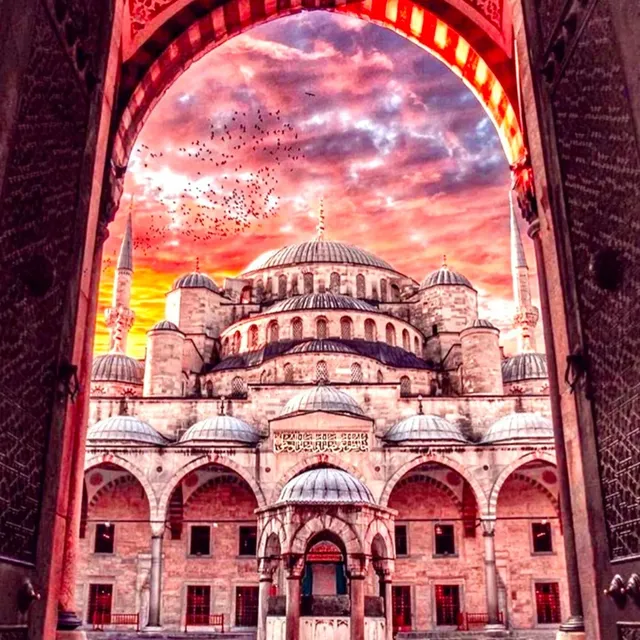
Arasta Bazaar rests behind the Blue Mosque like a calm back garden. Its low arches, stone paths, and small courtyards feel peaceful. This is the gentle way to start your tour of historic bazaars istanbul before stepping into larger crowds.
A Serene Market by the Blue Mosque
Walk a minute from the mosque's courtyard and the noise fades. Shops open late morning with friendly greetings and wide displays. Because the bazaar sits in the heart of Sultanahmet, it works well as a first stop before continuing to larger landmarks such as Hagia Sophia or deeper into the old city.
Handicrafts and Authentic Souvenirs
Arasta's small scale helps you compare calmly. You will find handmade soaps, copperwork, calligraphy prints, and tasteful ceramics. Ask shopkeepers to explain designs and motifs. They often show how patterns travel from tiles to textiles.
Ceramics and Iznik Tiles
Look for deep blues, coral reds, and spring greens. Many pieces are hand-painted and kiln-fired nearby. Ask about glaze, firing temperature, and how to pack plates flat. This is also a pleasant place to gather your first market photos without the pressure of heavy crowds.
Traditional Textiles and Rugs
Arasta is a friendly place to learn the basics. Touch the weaves and ask the difference between kilim and pile. If a piece feels right, the seller can help fold it tightly for luggage. If you are weighing Arasta Bazaar against the Grand Bazaar for textiles, Arasta is quieter while the Grand Bazaar gives you a wider range.
Grand Bazaar
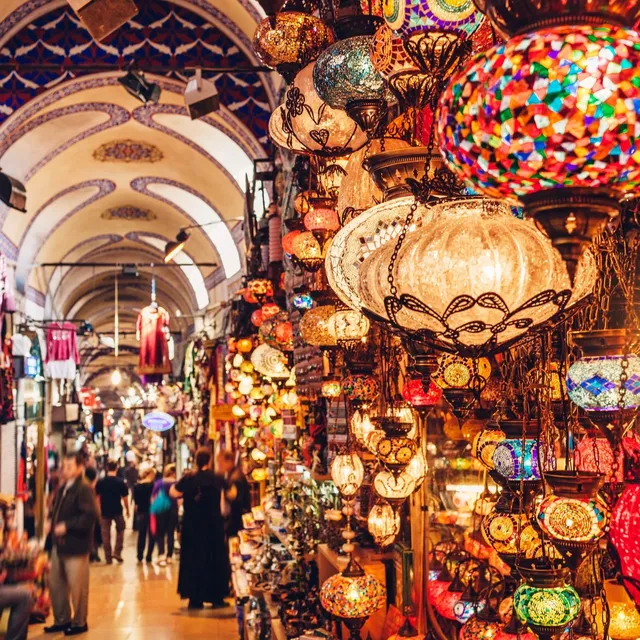
The Grand Bazaar Istanbul is a city under painted vaults. Dozens of entrances, more than sixty streets, and thousands of small shops create a soft buzz that rarely stops. This is the heart of historic bazaars istanbul, and it rewards visitors who slow down enough to notice the details.
Iconic Sections and What to Buy
Each lane tends to have a focus: leather, jewelry, textiles, copper, or antiques. Save a map offline and mark a meeting point before you begin. If you get lost, follow the flow toward a main gate and re-enter where you left off. The bazaar is most enjoyable when you browse with a simple list rather than trying to see everything at once.
Jewelry and Gold Shops
Gold shines especially well under the bazaar's soft light. Ask about carat, weight, and workmanship. Established stores usually issue receipts and certificates. Since prices move with international rates, compare politely before deciding.
Carpets and Kilims
Rug rooms feel like quiet islands within the maze. Sit, drink tea, and learn. A good seller explains tribal patterns, dyes, and maintenance. Taking photos and notes can help you remember what you liked after you leave a shop.
Antique Collections
Antique lanes hold maps, books, brassware, and unusual treasures. Examine condition and ask about restoration. Some pieces are replicas, and good sellers will say so clearly. In many cases, conversation is part of the experience as much as the object itself.
Best Entrances and Visiting Hours
Popular gates include Çarşıkapı, Beyazıt, and Nuruosmaniye. Check visiting hours before your trip, especially around holiday periods when schedules may change. If you want an official overview of the site, UNESCO's page on Istanbul's historic areas is also helpful: Historic Areas of Istanbul.
Spice Bazaar (Egyptian Bazaar)
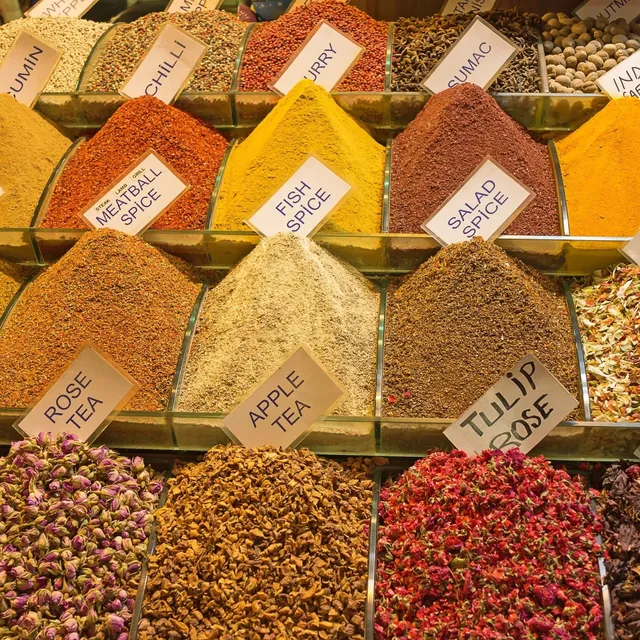
The Spice Bazaar Istanbul is smaller, scented, and easy to love. It sits at Eminönü near the water, with a quick flow of locals and visitors. It is close to the New Mosque (Yeni Cami) and within easy reach of the ferry area.
Top Spices, Teas, and Delicacies to Try
Taste before you buy. Saffron, sumac, isot pepper, apple tea, and blended herbal mixes are favorites. Ask for airtight bags and clear labels. If you want to compare the Spice Bazaar with the Grand Bazaar, do the tasting here and the broader browsing there.
Turkish Delight
Look for fresh cuts with nuts and natural flavors. Ask when the batch was made. Popular choices include pomegranate-pistachio, hazelnut, and classic rose. Clear labeling helps if you are carrying edible gifts home.
Hidden Corners and Nearby Attractions
Slip through the smaller exits to find tea sellers and old inns that once welcomed caravans. A few minutes away are two easy pauses that work well between shopping stops.
Rustem Pasha Mosque
Climb the steps above the street for an interior covered in İznik tiles. It is a quiet pause in the center of the city and a rewarding contrast to the noise of the market lanes.
Eminonu Ferry Pier
Watch boats cross the Golden Horn and head toward the Asian side. If you need a reset, a short ride can be the calmest break between markets. The waterfront energy here gives the day a natural ending after the covered lanes of the bazaars.
Practical Tips for a Historic Bazaars Istanbul Route
Make simple choices and the day will feel light. Carry a small bottle of water, wear comfortable shoes, and bring a tote bag. Keep a kind pace so you can enjoy stories from sellers as much as the shopping.
Best Time of Day to Visit Each Bazaar
- Arasta Bazaar: morning is calm and bright.
- Grand Bazaar: late morning or early afternoon works well.
- Spice Bazaar: mid-afternoon into sunset is especially pleasant.
Transportation
Tram T1 connects Sultanahmet, the Grand Bazaar area, and Eminönü. You can also walk between Arasta and the Grand Bazaar in about 15 to 20 minutes with short cafe breaks along the way. From Eminönü, ferries offer an easy sea pause before returning to your hotel.
Etiquette and Shopping Culture
Greet the shopkeeper, browse, and ask questions. Bargaining is often a friendly dance. Offer a fair counter and enjoy the talk. If you are unsure, take a short walk and return. Thoughtful decisions are usually respected.
Cash vs. Card
Cards are widely accepted, especially in established stores. Small cash is still useful for snacks, tea, or small souvenirs. Keep your receipts together so you can remember what you bought and where.
Closing Note
Walk with curiosity and ask for stories. Arasta's calm, the Grand Bazaar's maze, and the Spice Bazaar's scents form a memorable trio. With a light plan, a good map, and friendly conversation, a day through historic bazaars istanbul can feel both easy and unforgettable.