Nature and outdoor escapes in winter in Istanbul
Forests are among the most popular destinations in Istanbul during the colder months, especially for people who enjoy being outdoors. Belgrade Forest, at the easternmost point of the European side between Sariyer and Eyup, is well known for jogging and hiking. Walking its paths while surrounded by deciduous forest offers a quieter side of the city and a chance to enjoy winter nature at a slower pace.
Camping is also a desirable activity for some visitors and locals. There are camps and places where people go with their own equipment, and in some places equipment can be hired. Forests, coasts, and mountains are all common destinations for outdoor time. Depending on conditions, people pitch tents, gather around campfires, enjoy physical activities, and in some areas even try kayaking or canoeing.
As always in winter, weather conditions can change quickly, so it is wise to check local transport and municipal updates before setting out. For public transportation information, the official Metro Istanbul website is a useful source.
Snowy views, breakfast, and winter atmosphere
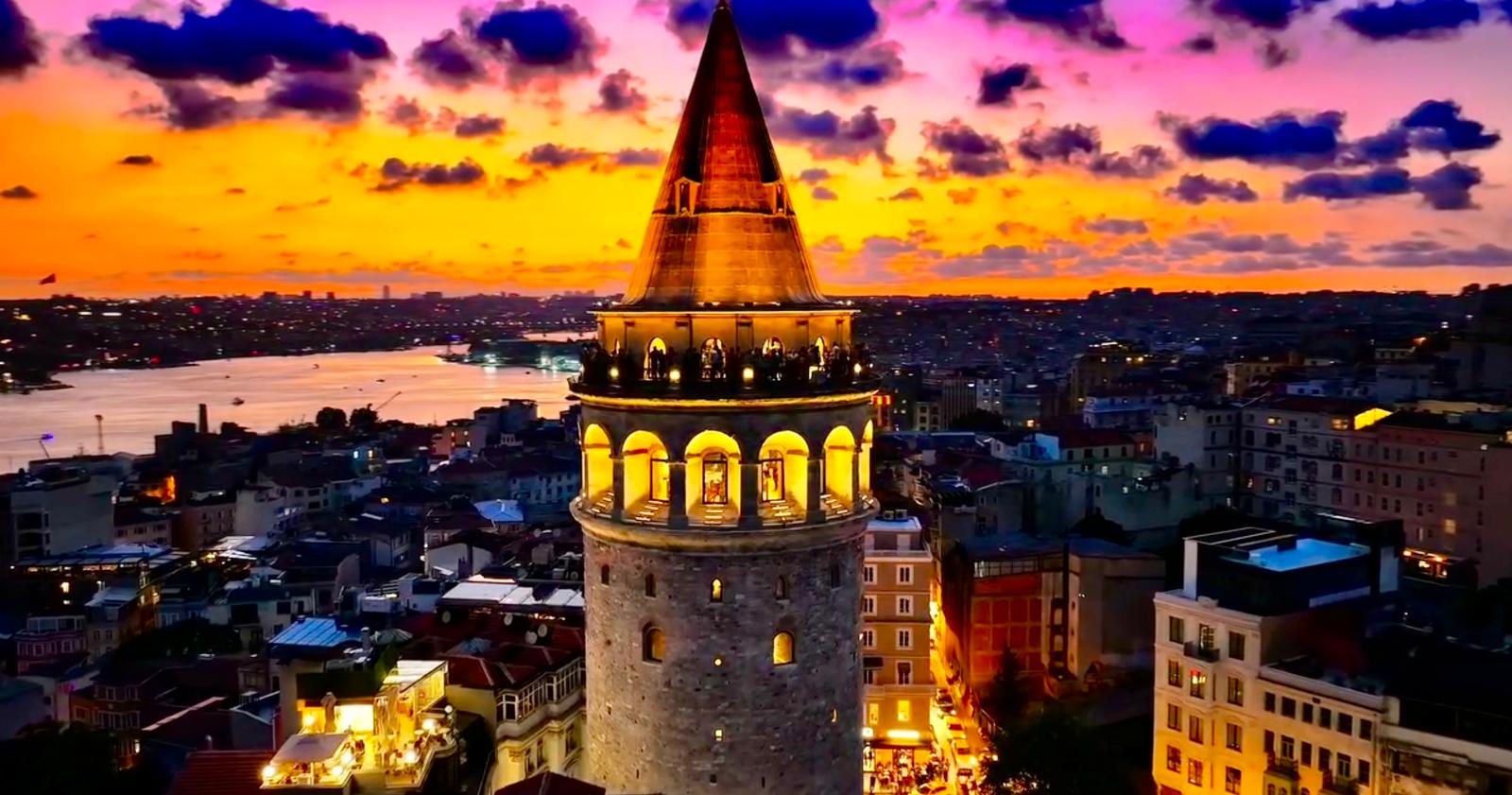
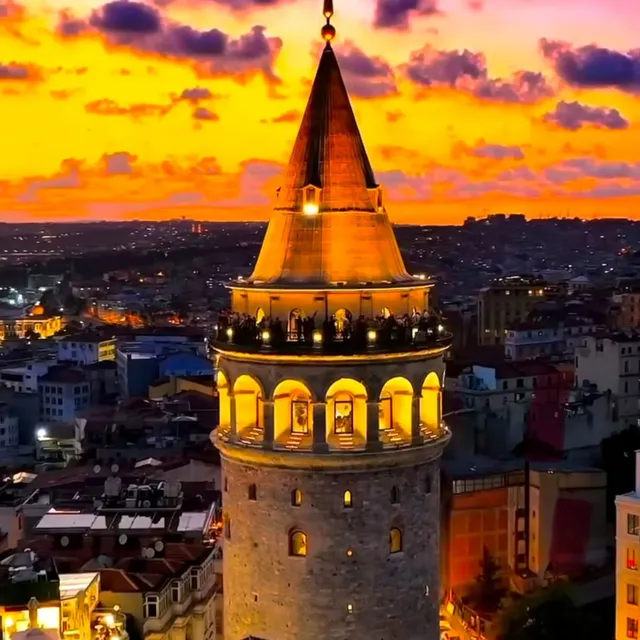
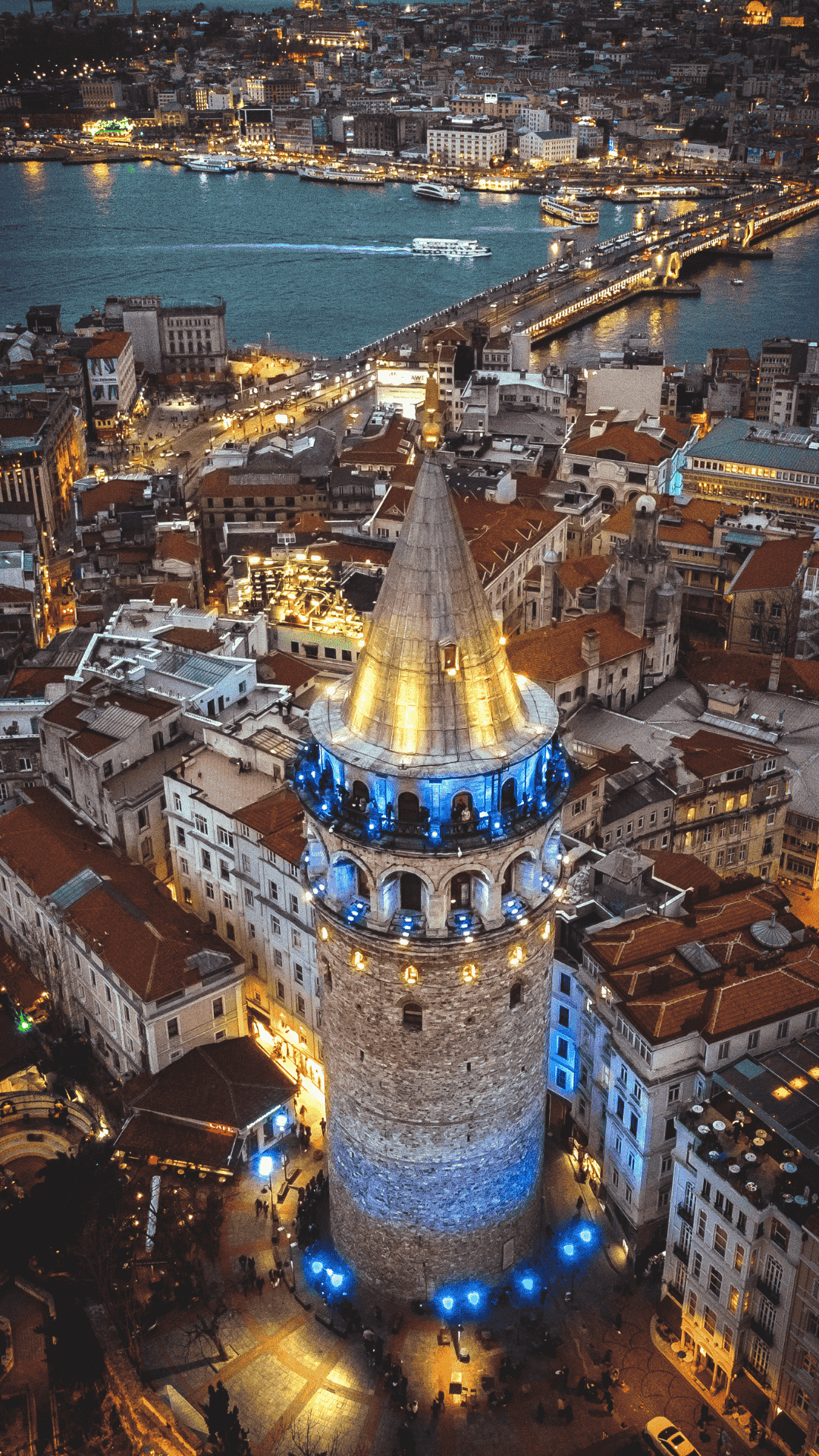
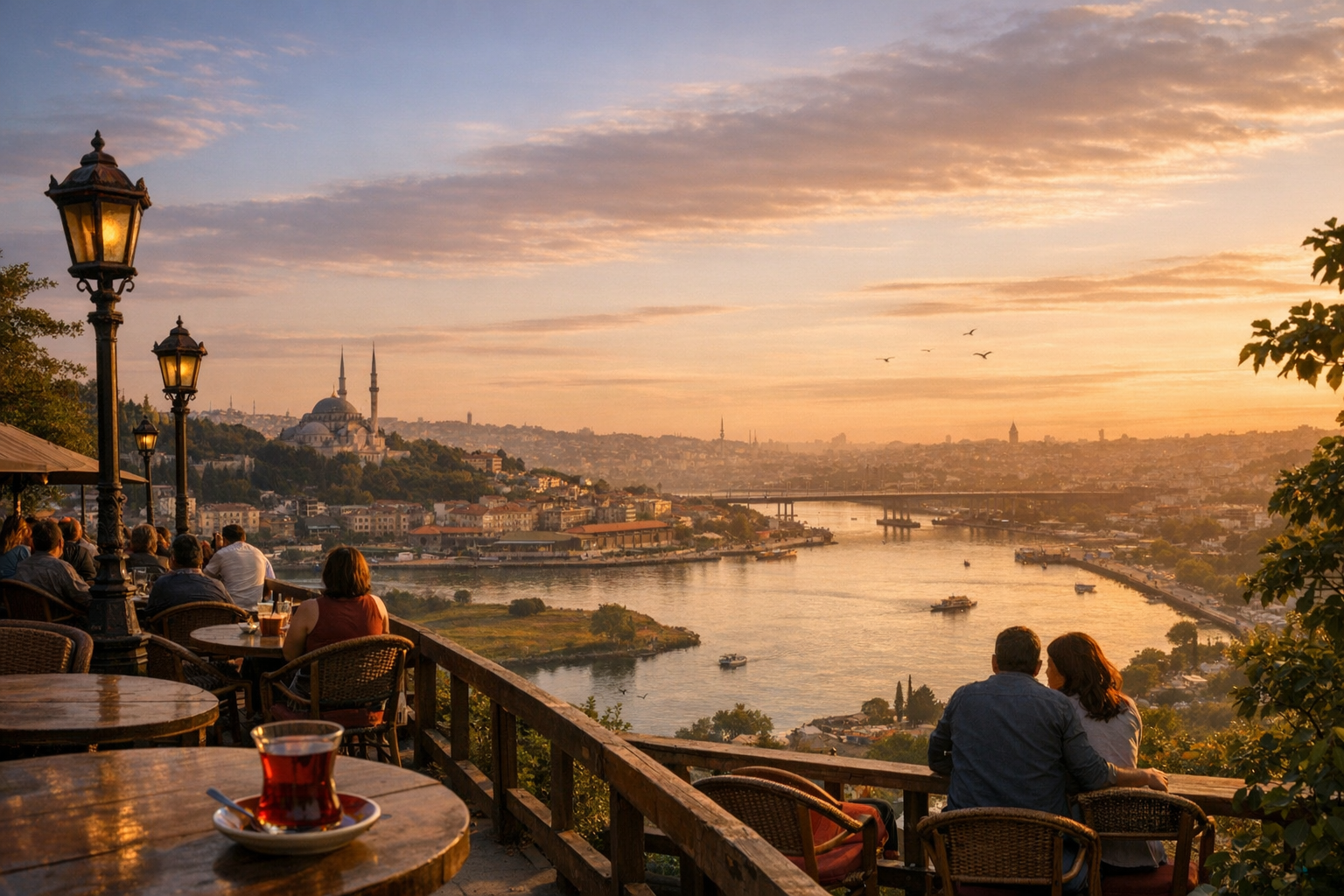
Istanbul has a magical scene when snow falls over the city. On a cold morning, starting the day with a Turkish breakfast feels especially rewarding. Later, many people enjoy sitting with a warm drink or a glass of wine in neighborhoods known for their atmosphere and views, including Bebek, Ortakoy, the area near Galata Tower, Taksim Square, and Sultanahmet Square.
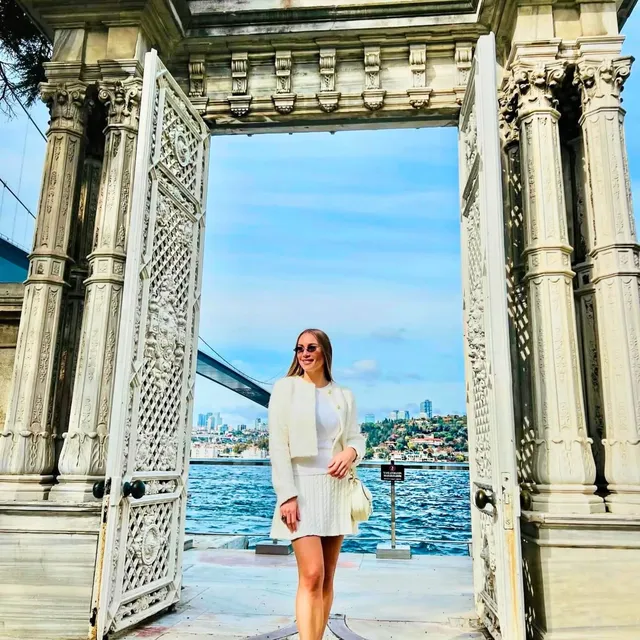
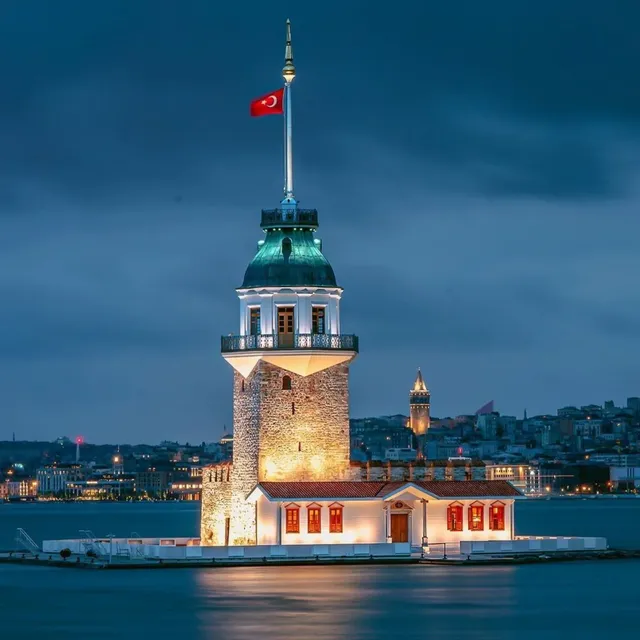
The Bosphorus becomes even more memorable in winter light, especially under low clouds or after snowfall. Waterfront districts feel calmer, and the season gives familiar views a softer and more dramatic character.
Shopping in the city: bazaars and modern centers
Istanbul is also famous for its goods, clothing, and traditional items. The city offers many places to shop, from historic markets to large malls and shopping centers. Two of the best-known stops are the Spice Bazaar and the Grand Bazaar, both popular with tourists looking for local flavors, gifts, and a classic Istanbul shopping experience.
Alongside these historic bazaars, modern shopping centers bring together international brands, cafes, and restaurants, making them practical options on rainy winter days.
Seaside walks and famous avenues
Taking a walk by the sea is one of the simplest pleasures of winter in the city. Cold evenings, pretty sunsets, and rainy or snowy weather create a memorable setting along Istanbul’s waterfront paths. On the European side, Florya, Eminonu, and Istinye are often enjoyed for coastal strolls. On the Asian side, Uskudar, Kadikoy, and Beykoz offer their own attractive winter views.
Beyond the shoreline, Beyoglu remains one of the most enjoyable historic districts to explore. Istiklal Avenue, around 1.4 kilometres long, is lined with late Ottoman-era buildings and stays lively in every season. On the Asian side, Baghdad Avenue stretches for about 14 kilometres, running almost parallel to the coast of the Sea of Marmara and offering another classic urban walk.
Parks, hills, and panoramic winter scenes
Spending time in Istanbul’s parks is another rewarding seasonal activity. Gulhane Park, located between Sirkeci and Sultanahmet, offers a peaceful environment, pools, and outdoor cafes nearby. It is also close to the Museum of the History of Science and Technology in Islam, where visitors can explore the development of Islamic civilizations through different scientific branches.
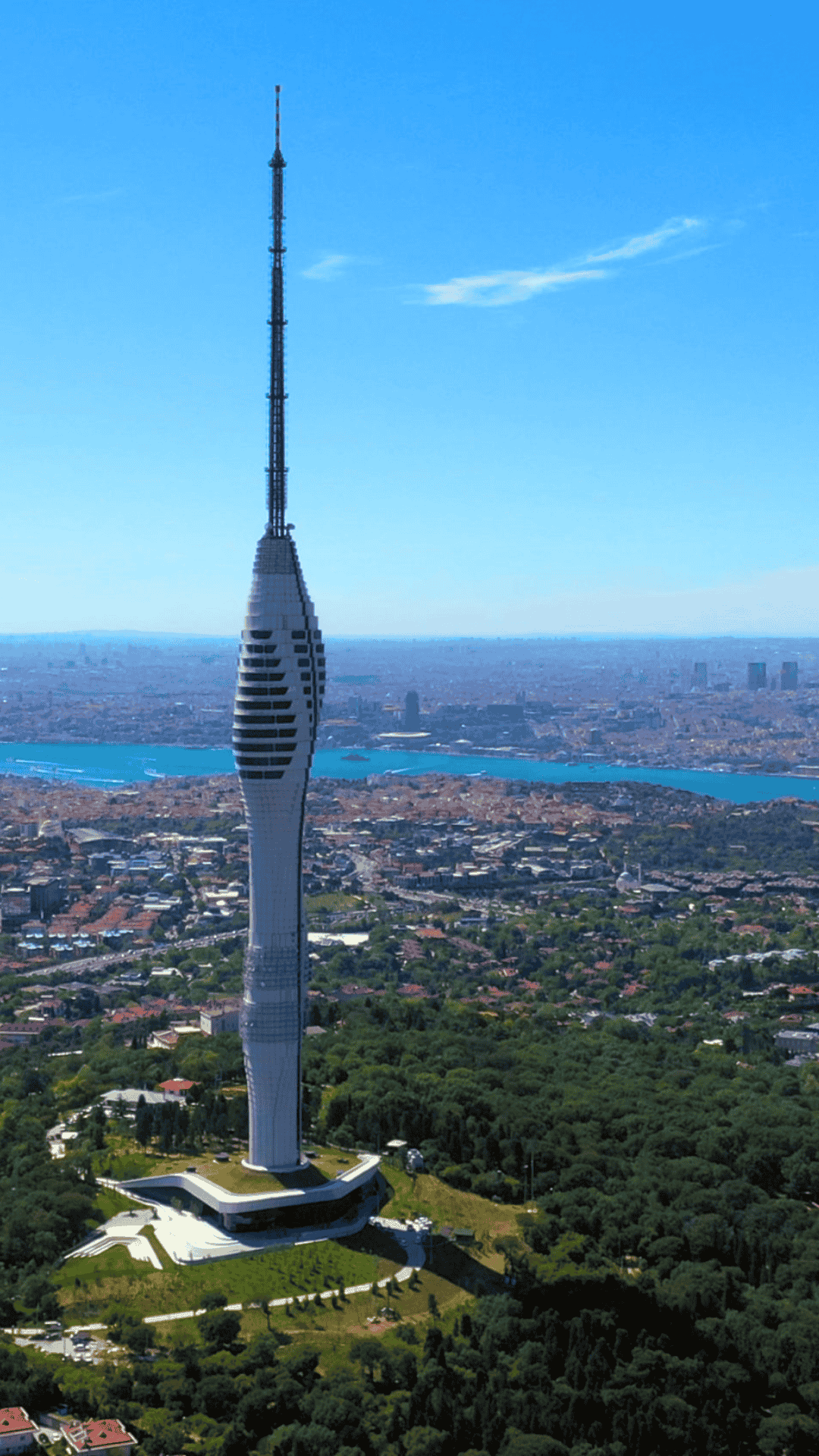
Camlica Hill is another excellent destination in winter. Located on the Asian side and rising about 265 meters above sea level, it offers a panoramic view over the city. On clear winter days, the contrast between the sky, the Bosphorus, and the urban skyline can be striking.
Historic monuments to visit in winter in Istanbul
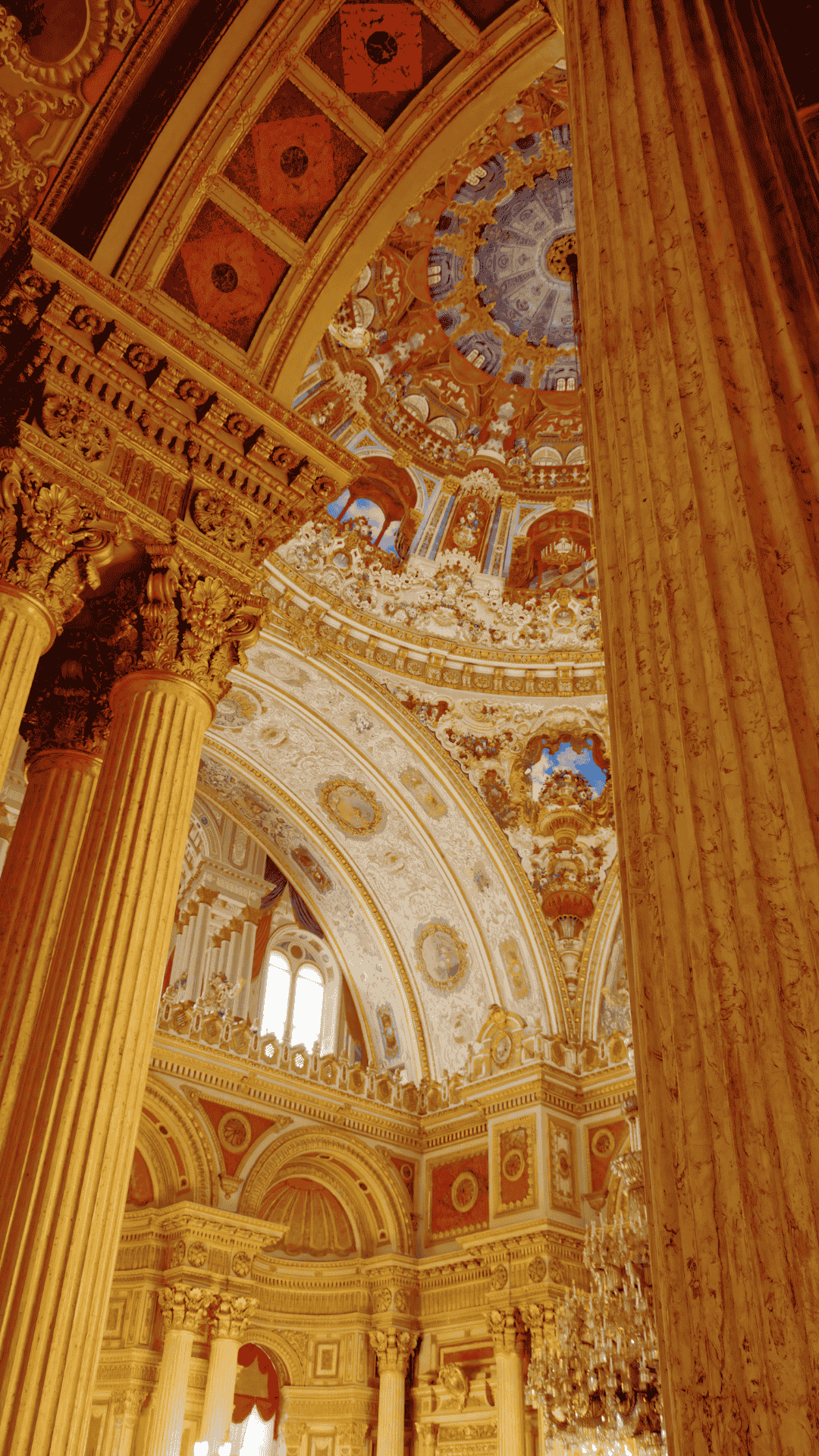
Istanbul stands out for its historic monuments and traditional spots, shaped by centuries as the capital of powerful empires including the Roman, Byzantine, and Ottoman empires. This cultural and architectural diversity gives visitors many landmarks to explore even in colder weather.
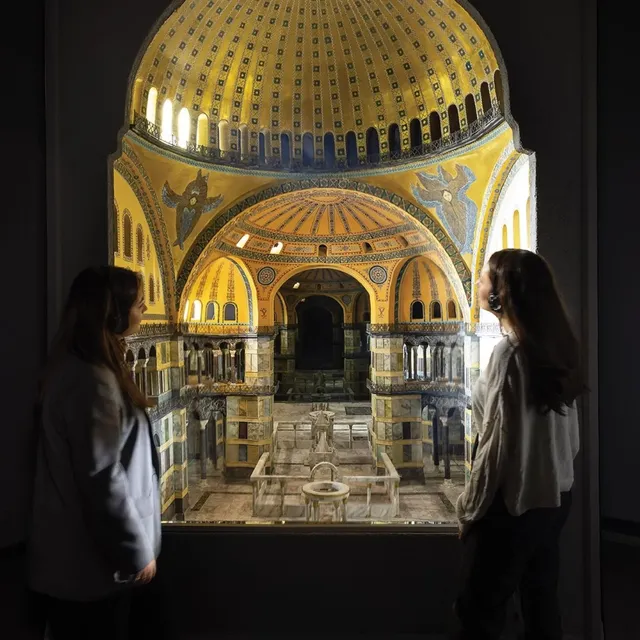
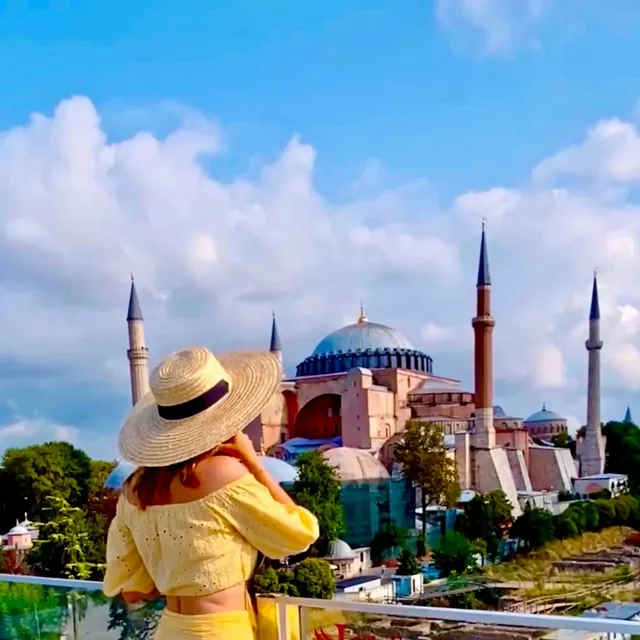
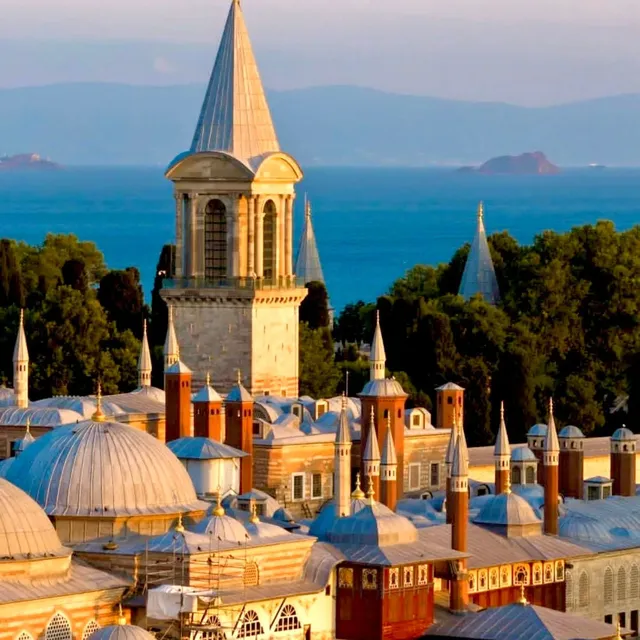
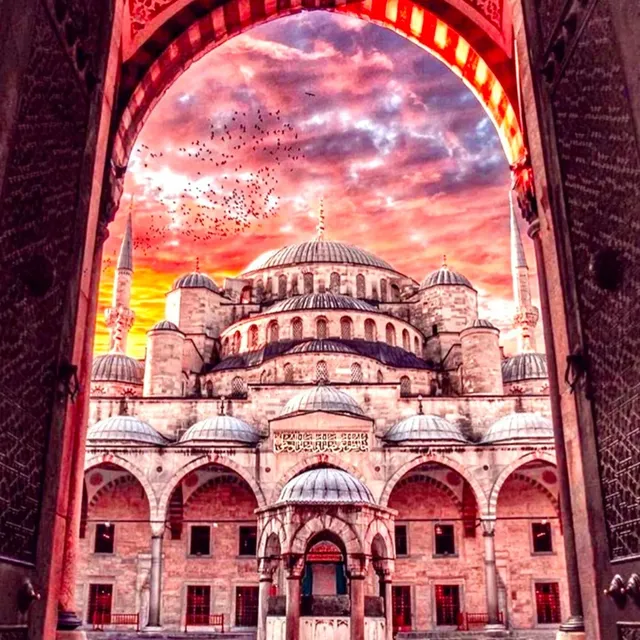
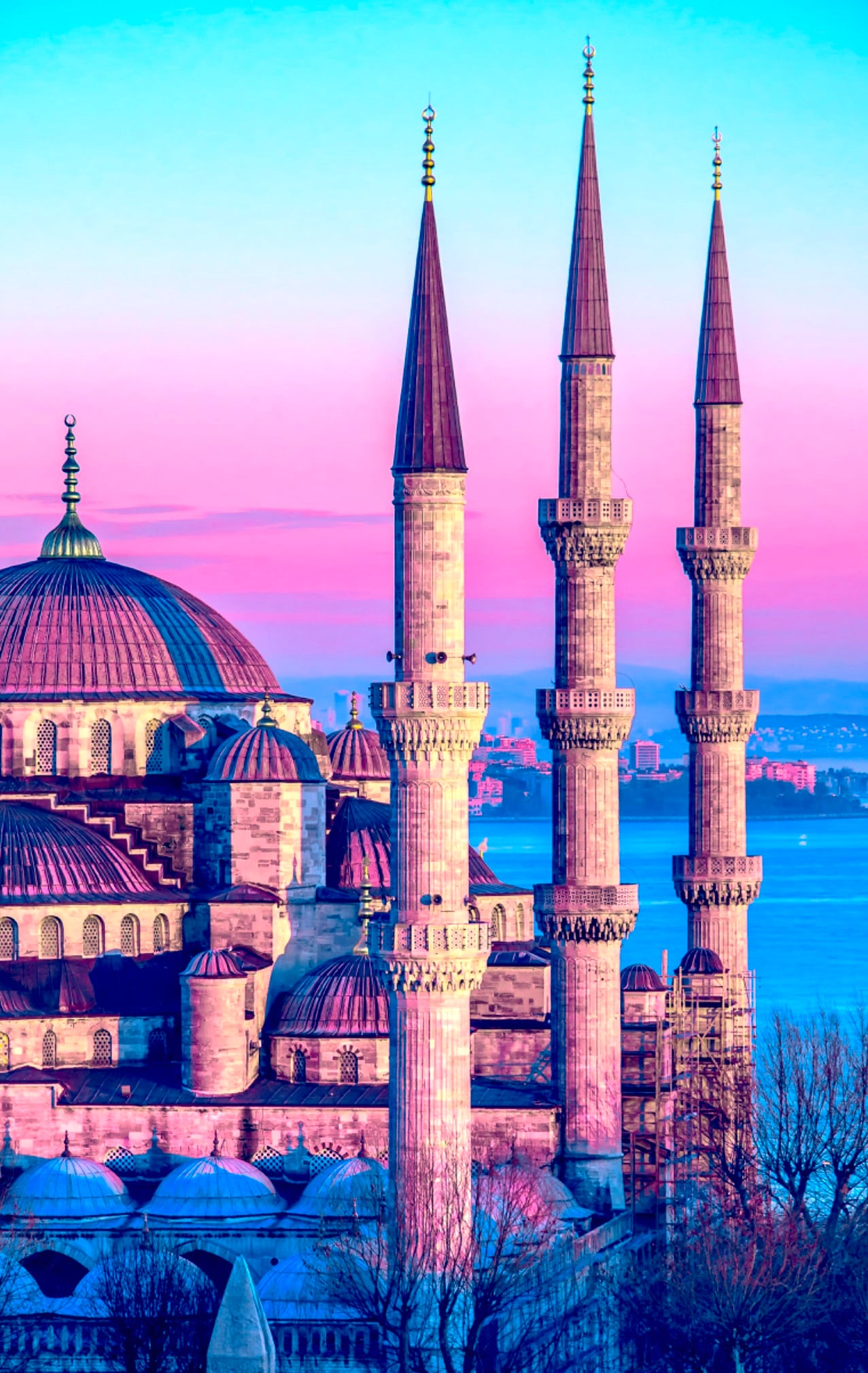
Among the most famous is Hagia Sophia, a site associated with both Orthodox and Islamic culture. Nearby stands the Blue Mosque, the last great mosque of the classical period, and close by is Topkapi Palace, the imperial Ottoman residence. These major sights are especially appealing in winter, when the old city often feels more atmospheric under cloudy skies.
For background on the historic importance of Istanbul, the UNESCO World Heritage Centre is a reliable reference.
Warm up in a traditional Turkish bath
One of the most appealing winter activities in the old city is visiting a traditional Turkish Bath (Hammam). Istanbul has dozens of baths, and the hammam experience remains one of the city’s most enduring traditions. According to the original recommendation, Cukurcuma is ranked as the best, noted for its wide dome and heated marble as well as its connection to the splendor of an older era.
After a cold day outdoors, a hammam visit can be one of the most relaxing ways to experience Istanbul’s winter culture.
Why winter still suits Istanbul so well
Through the years, Istanbul has remained a destination for visitors from all around the world because of its beauty, history, and unique character. What makes the city especially interesting in winter is the variety of experiences it still offers: nature walks, sea views, shopping, parks, monuments, and traditional wellness experiences all within one vast city.
Whether the weather is rainy, cloudy, or snowy, Istanbul keeps its charm. Winter does not reduce the city’s appeal; it simply reveals a different version of it.