After the conquest of Istanbul, Fatih Sultan Mehmet worked to strengthen the city’s commercial networks and took steps to make shopping easier in Istanbul. As a result, the historical bazaar culture continued during the Ottoman period and survived into the present day through places such as the Grand Bazaar, Arasta Bazaar, and Mimar Sinan Bazaar.
About Mimar Sinan Bazaar
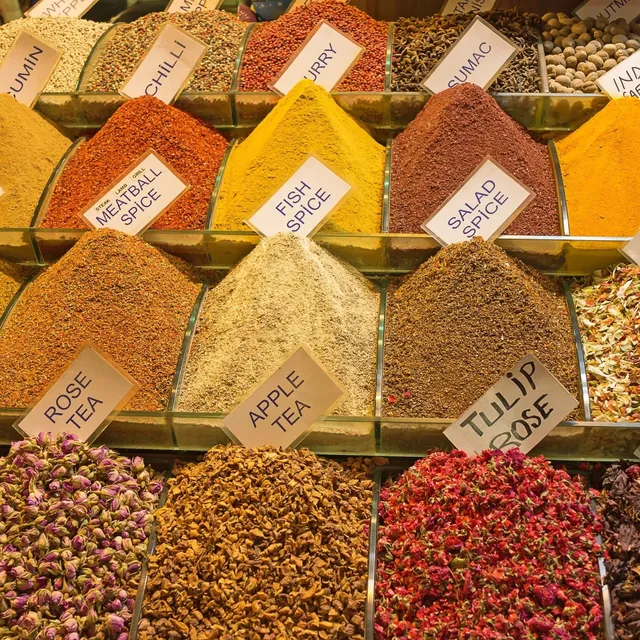
Mimar Sinan Bazaar is one of the notable places to discover Istanbul through shopping. It includes various shops and remains an authentic stop for many visitors. Especially for tourists visiting the city, it offers an interesting atmosphere, while locals also use it for everyday needs. In Mimar Sinan Bazaar, artisans sell spices, textiles, souvenirs, cultural clothing, and household items.
Shopping in Istanbul’s historical bazaars can be a fascinating experience, and Mimar Sinan Bazaar is part of that tradition. The artisan culture in Turkey feels distinct to many visitors, and shopkeepers are often remembered for their warm approach.
Mimar Sinan Bazaar was originally designed and built as a bathhouse in 1583 during the Ottoman period. It was built by the mother of Sultan Murat III, and its architecture was designed by Mimar Sinan, one of the most celebrated architects of his era. The bath later gave its name to the bazaar. In 1962, the structure was restored and officially transformed into a historical bazaar. Although it no longer serves its first function, it has survived as an example of how historical values have been preserved in Istanbul.
Who Is Mimar Sinan?
Mimar Sinan, the architect who gave his name to Mimar Sinan Bazaar, is one of the most important figures in Ottoman architectural history. If you are interested in Istanbul’s historical places, knowing his name adds context to many landmarks across the city. He contributed to numerous monuments, and his legacy is especially visible in Üsküdar, where the bazaar is located.
In Üsküdar, there is also a mosque associated with the famous architect through Mihrimah Sultan. For travelers exploring the district, visiting such historical monuments can give more meaning to a stop at Mimar Sinan Bazaar. For a broader introduction to Ottoman architecture and Sinan’s legacy, you can also consult Britannica’s overview of Sinan.
Mimar Sinan Bazaar and Shopping in Istanbul
Istanbul has been one of Turkey’s shopping centers for both residents and foreign visitors since historical times. Historical bazaars are among the city’s most attractive places for tourists, especially for those looking for souvenirs and traditional goods. These bazaars appear in many districts and neighborhoods, and each offers a slightly different atmosphere.
If you are planning a shopping-focused trip, Mimar Sinan Bazaar can be a worthwhile stop, but it can also be combined with other historical destinations. Many visitors compare it with famous market areas such as the Spice Bazaar, where the city’s trading culture is equally visible in a different setting.
Istanbul is a cosmopolitan city where many cultures intertwine, and this diversity is reflected in its shopping opportunities. The city offers alternatives for different budgets, both for domestic and foreign tourists. Along with historical bazaars, you will also find historical passages, inns, and modern shopping centers. Exploring these places means not only shopping but also seeing the historical layers of Istanbul more closely.
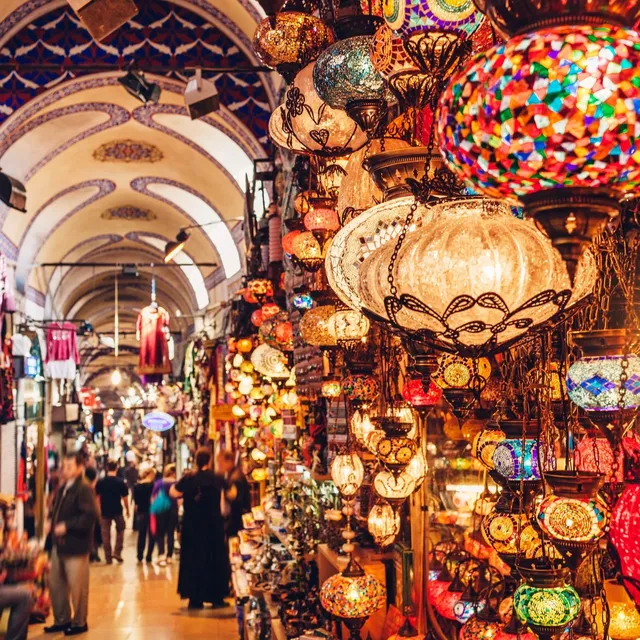
For many travelers, the first historical market that comes to mind is the Grand Bazaar. Built in the fifteenth century, it has continued to serve a commercial purpose until today. Alongside major landmarks such as the Grand Bazaar, historical stops like Mimar Sinan Bazaar remain important for travelers who want a more authentic shopping experience. If your route includes the old city and its iconic monuments, you may also want to connect your shopping trip with nearby highlights such as Sultanahmet Square.
Why Visit Mimar Sinan Bazaar?
Mimar Sinan Bazaar stands out because it combines history, architecture, and everyday shopping life. It is not only a place to buy goods but also a place to observe how Istanbul’s market culture has continued through centuries. Visitors interested in local craftsmanship, Ottoman-era structures, and neighborhood atmosphere may find it especially rewarding.
Since the bazaar developed from a restored historical bathhouse, it also offers something beyond ordinary shopping. Even if you are simply walking through and browsing, the site connects you to a longer story of Istanbul’s urban life. For general background on Istanbul’s historical significance, the official Türkiye tourism platform can also be helpful: GoTürkiye Istanbul guide.
FAQ
What can you buy at Mimar Sinan Bazaar?
Visitors can find a range of everyday and traditional items at Mimar Sinan Bazaar. The bazaar is known for shops selling spices, textiles, souvenirs, cultural clothing, and household items, making it attractive for both tourists and locals.
Was Mimar Sinan Bazaar always a bazaar?
No. The structure was originally built as a bathhouse in 1583 during the Ottoman period. It was later restored in 1962 and officially transformed into a historical bazaar, giving the building a new commercial function while preserving its heritage value.
Why is the bazaar called Mimar Sinan Bazaar?
The bazaar takes its name from Mimar Sinan, the famous Ottoman architect connected with the original building. He was one of the most prominent architects of his era and played a major role in many important historical monuments in Istanbul.
Is Mimar Sinan Bazaar worth visiting for tourists?
Yes, especially for travelers interested in authentic shopping and historical places. Mimar Sinan Bazaar offers a more local and traditional atmosphere, and it can be a meaningful stop for those who want to experience Istanbul beyond only the most famous attractions.
Can Mimar Sinan Bazaar be combined with other Istanbul sights?
Yes. Many visitors include it as part of a wider shopping and sightseeing route in Istanbul. It can be paired with historical bazaars and major landmarks, allowing you to combine cultural discovery with a practical shopping experience.