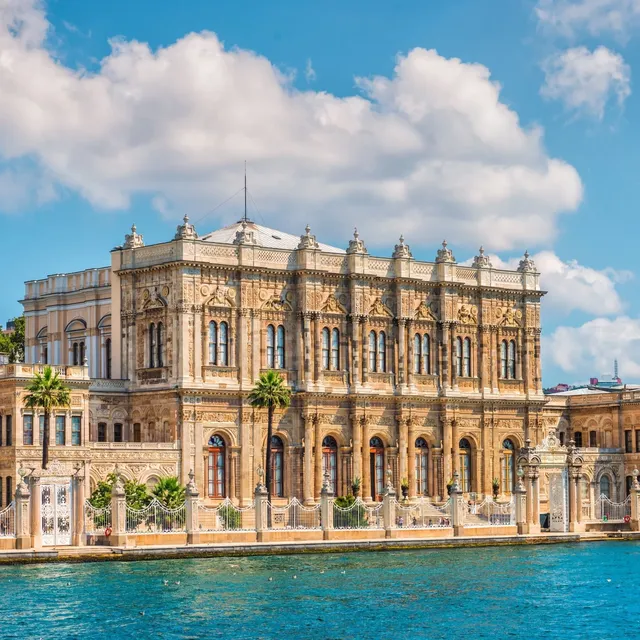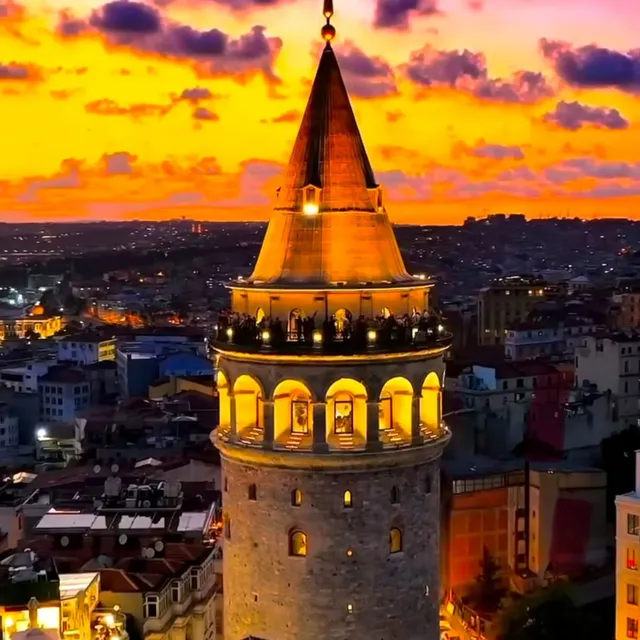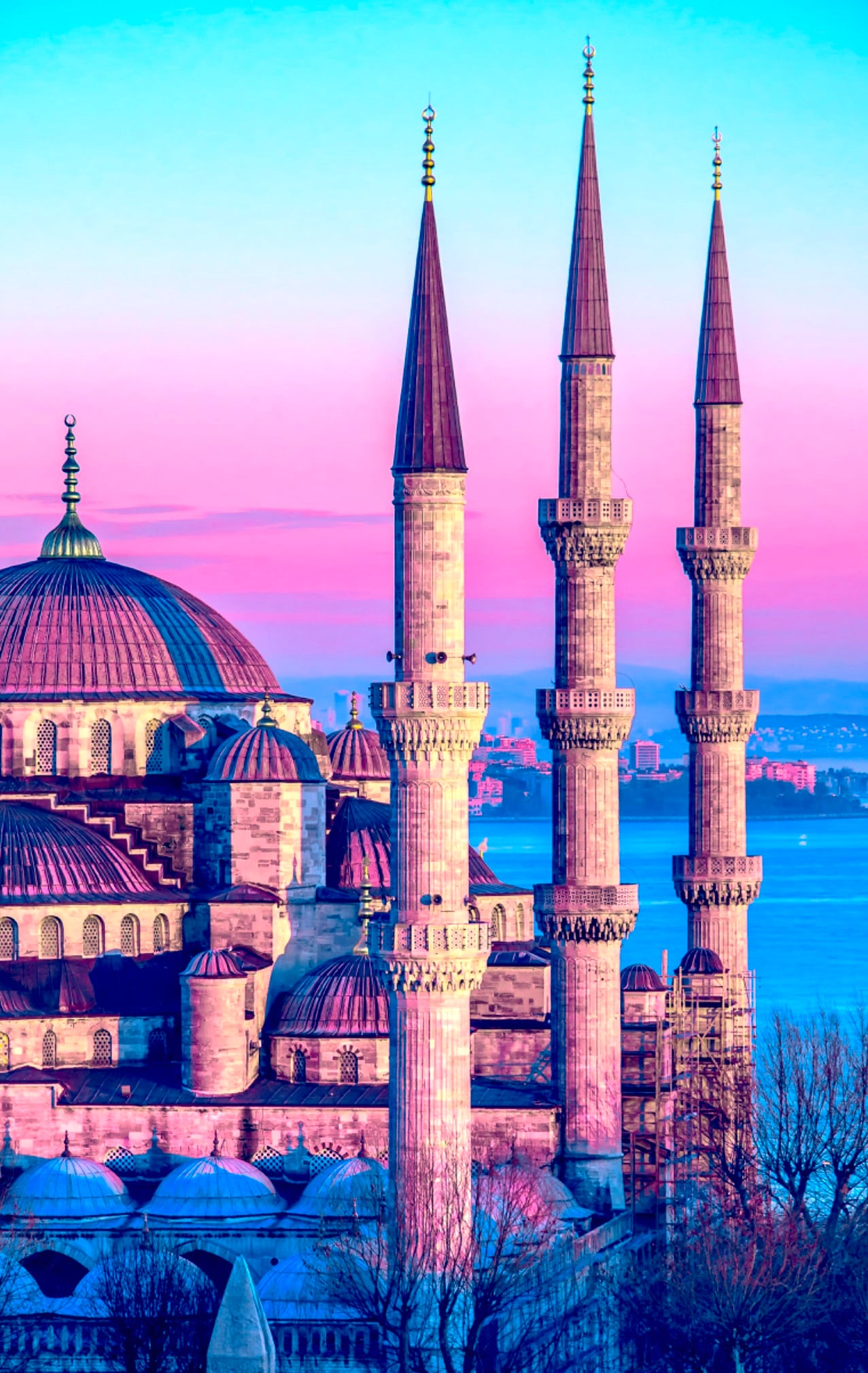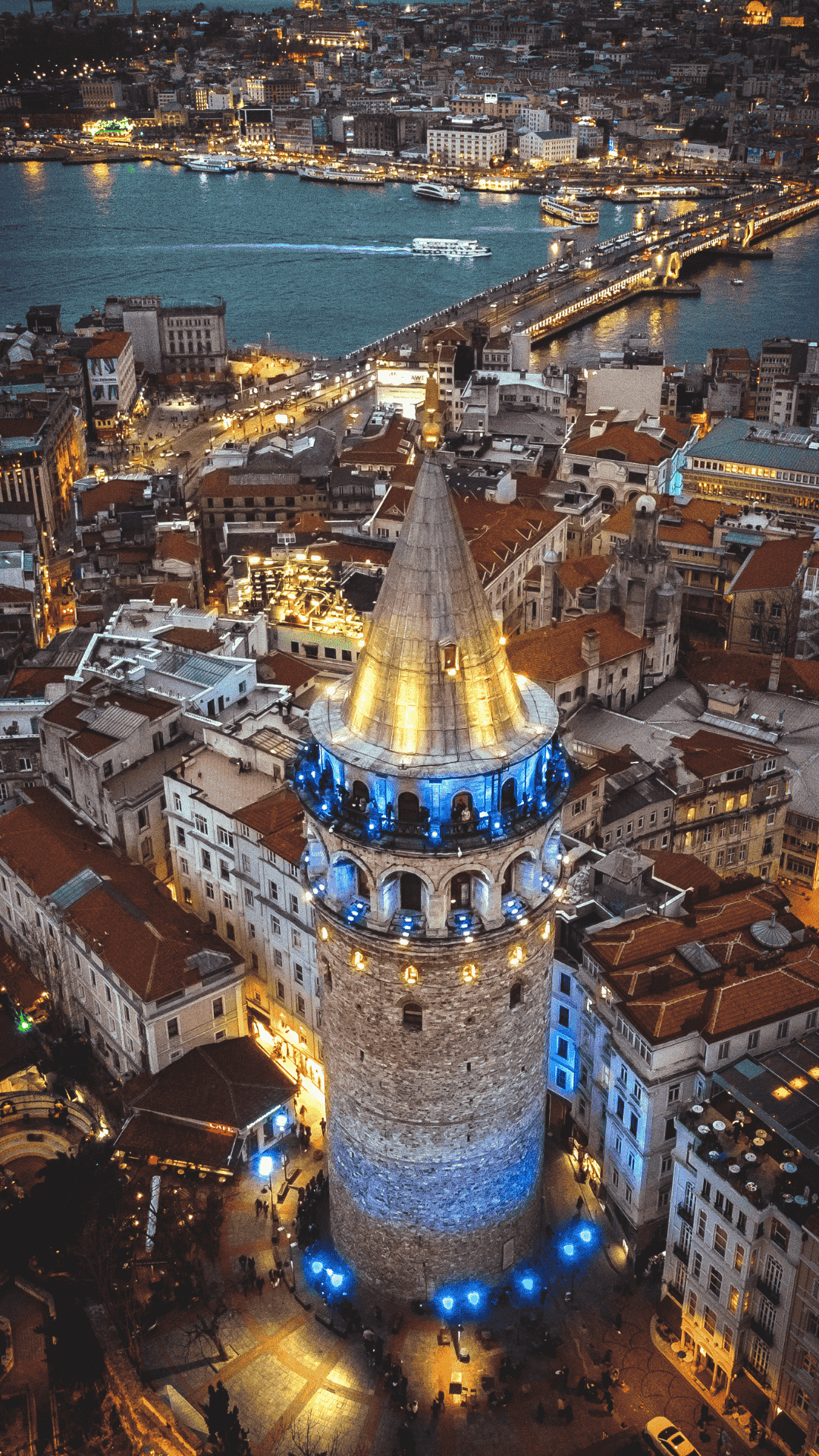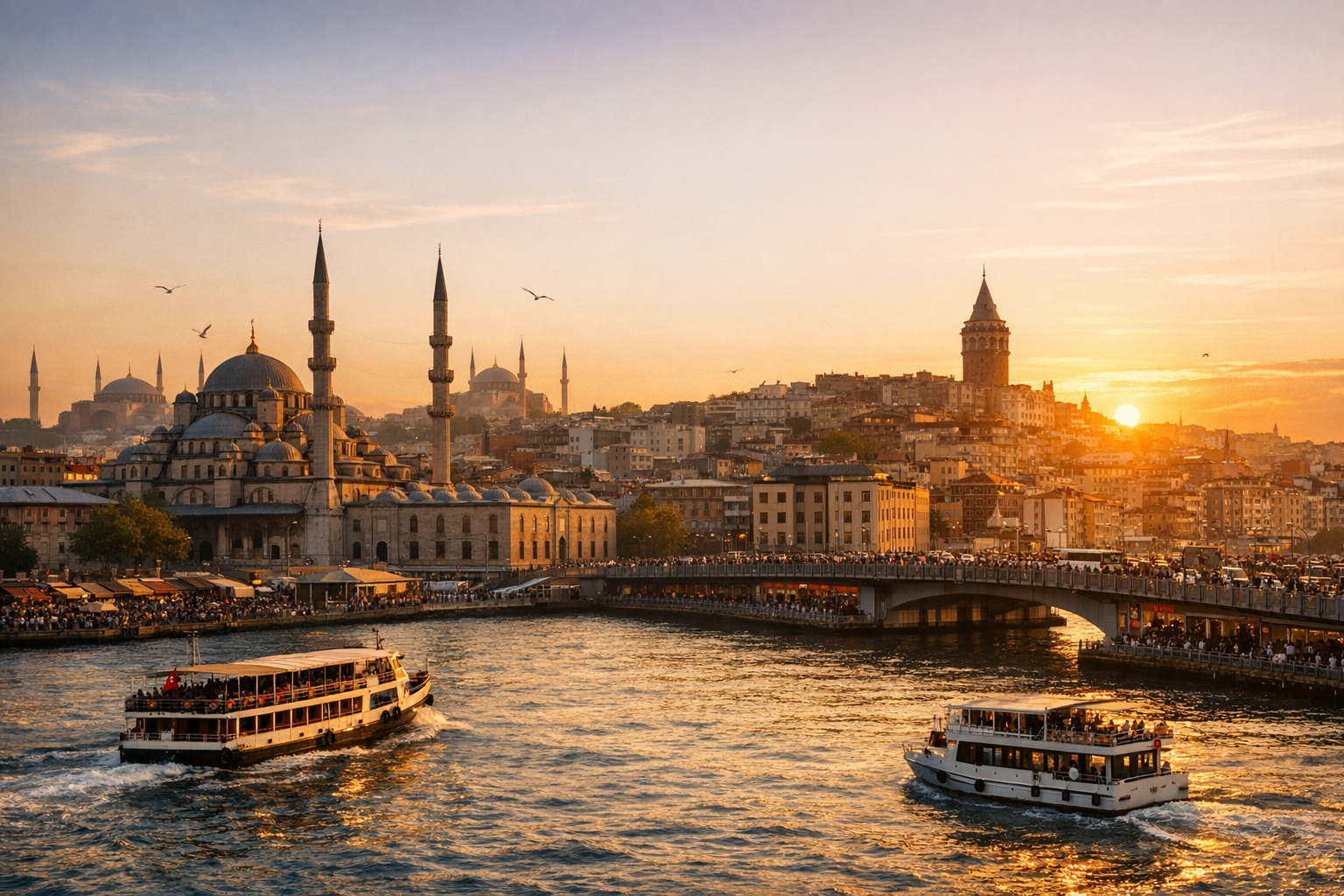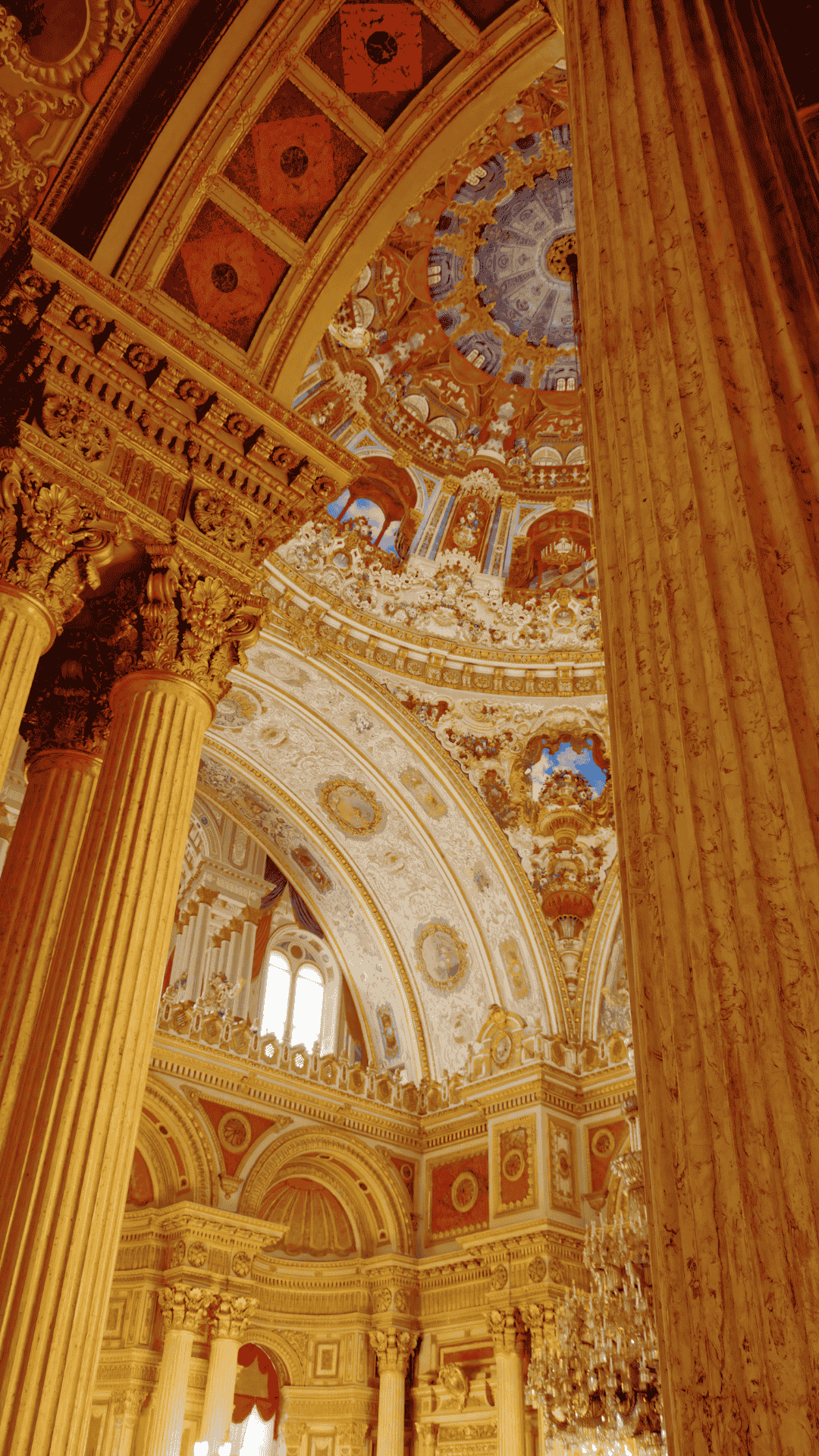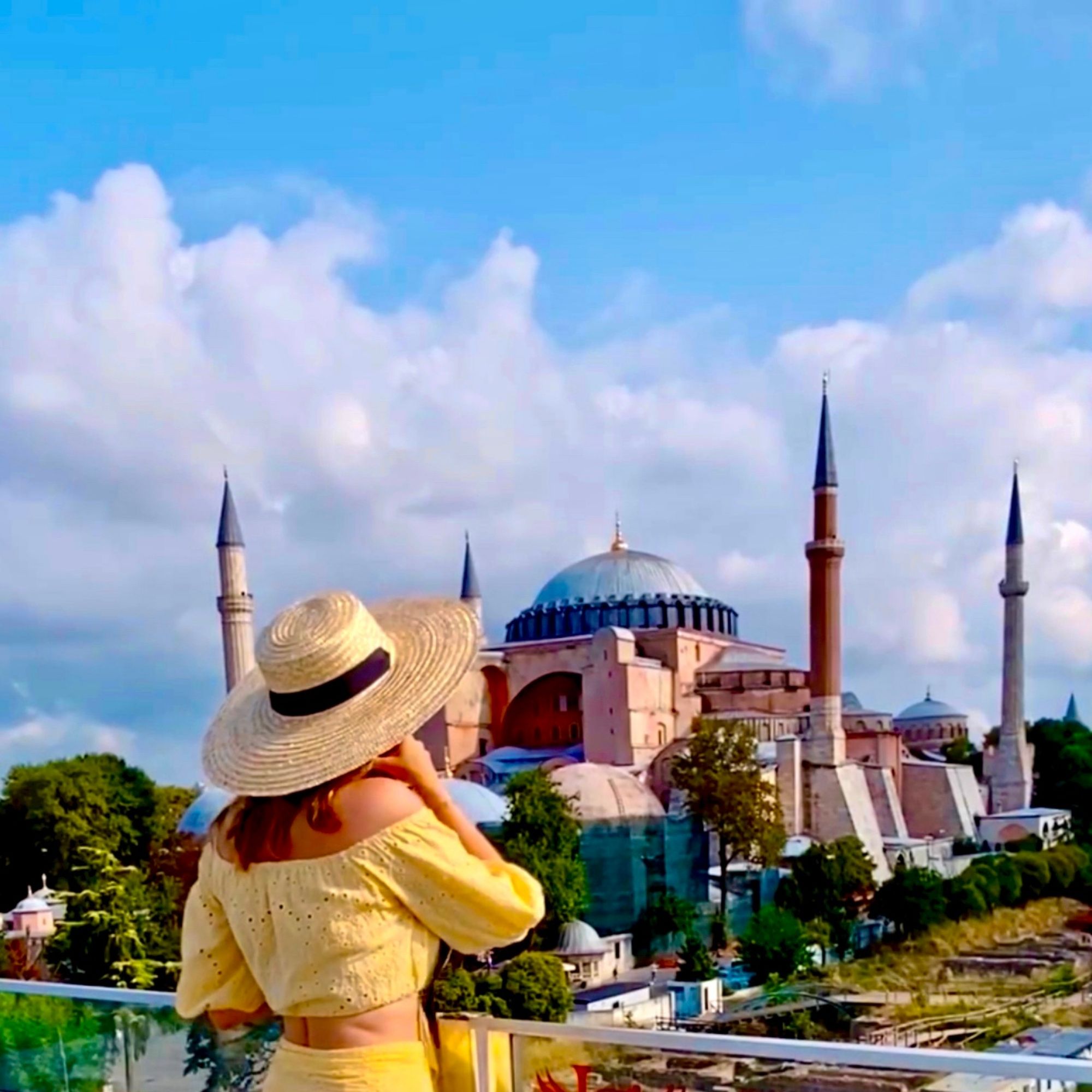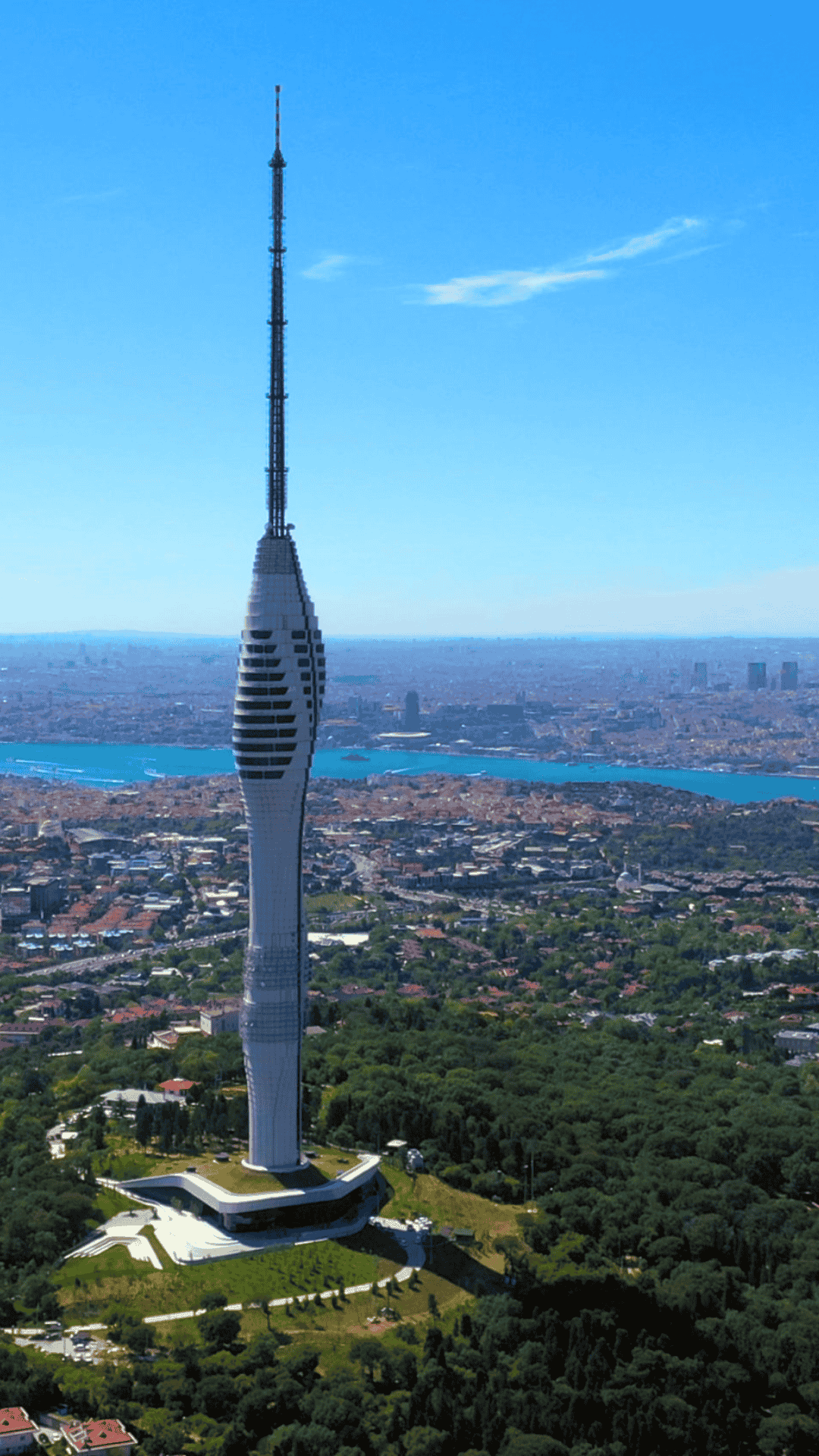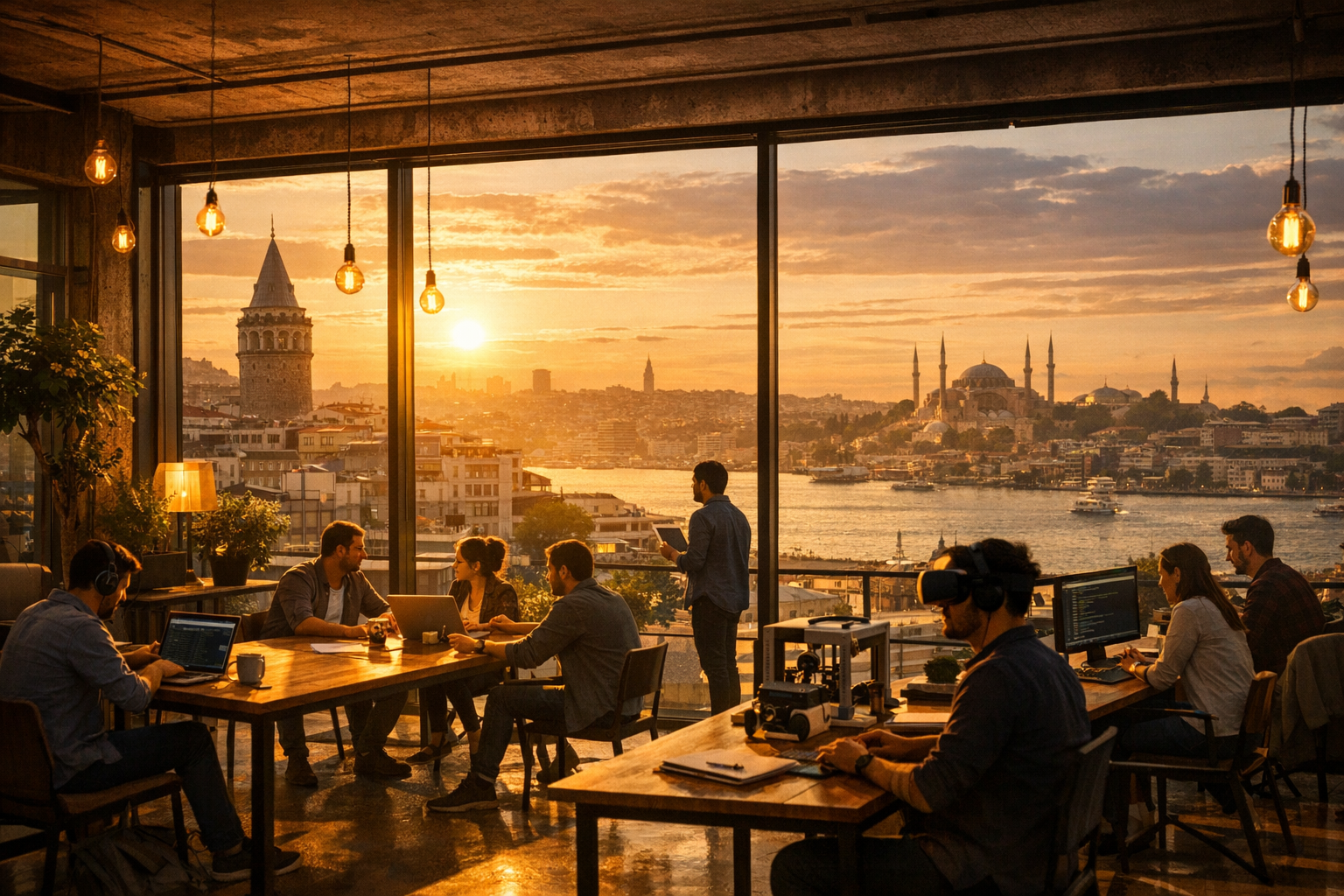

Istanbul has a strong economy and a very favorable business environment. The city is a vibrant economic growth engine with a diverse structure and international renown. Istanbul has sustained its strong international position and has a well-known city brand.
Why Istanbul is a fast growth market
Istanbul's economy has undergone rapid structural change over the last 15 years. Its economic role has shifted from that of a service center to that of a vibrant urban center with powerful, multifaceted international ties that have grown significantly with the rise of Turkey's broad vision. Because of strengths in several new areas, including significant clusters in experience and knowledge sectors, the economic system is now highly diversified.
For many businesses, Turkey is quickly evolving as a high-growth market, and Istanbul is the engine of this fascinating financial system, offering a wide range of opportunities. While many European cities have found it difficult to recover from the recent international crisis, Istanbul has continued expanding its FDI portfolio into new markets.
To keep up with international trends and maintain a competitive edge as an investment location, Istanbul decided to transform its economy after the 1980s, diverting attention away from low-cost manufacturing and toward knowledge-based industries and high-value-added services.
Key sectors driving growth
The city benefits from a broad economic base rather than dependence on a single industry. Services, tourism, finance, construction, and knowledge-focused sectors all contribute to Istanbul's momentum. This diversity helps explain why the city remains central to Turkey's economic story.
Tourism, in particular, strengthens the local economy by feeding demand across hospitality, retail, transport, and food services. Major visitor areas such as the Grand Bazaar and Taksim Square also reflect how commerce and tourism intersect in daily city life.
For a wider overview of Turkey's economy and historical development, readers can consult Britannica's overview of Turkey's economy. General background on Istanbul's global and economic importance is also available on Wikipedia's Istanbul entry.
Business rankings and industry performance
Istanbul was named the ninth major European City of the Long Term 2018/2019 regarding Business Friendliness and the Best Southern European City of the Future 2018/2019. The Business Friendliness Index is based on 23 judging considerations such as the overall amount of high manufacturers, ease of doing business, corporate tax, investor protection index strength, and more.
In one ranking of fast-growing companies, 33 of the fastest-growing industries were based in Istanbul, 14 in Ankara, and 9 in İzmir. Tripenia IT Tourism Inc. of Istanbul took first place, increasing its turnaround by 5,808 percent in two years. Türktem Bilişim Construction LTD. STI of Ankara placed second with a growth rate of 2.543 percent, and Finder Fire Safety Electronic Systems Inc. of Antalya came in third.
Luxury retail and consumer demand
Understanding Turkey's population patterns is an important first step in targeting potential buyers of luxury goods. Between sixty and eighty percent of Turkey's luxury market is focused in Istanbul, where lifestyles reflect European cultural influences.
Global luxury houses and major brands have flocked to Istanbul over the last decade, not only to the historic and upscale Nişantaşı district, but also to newly developed retail hubs throughout the city, such as Istinye Park, Kanyon Mall, and Zorlu Centre. This pattern underlines the city's role not just as a production and investment center, but also as a high-value consumer market.
Wealthier visitors, meanwhile, are flocking to Turkey in greater numbers, drawn to Istanbul by its increasing number of large malls and luxury hotels. This inflow supports both the tourism economy and premium retail activity, reinforcing the city's market depth.
Istanbul's broader economic appeal
What makes Istanbul especially notable is its ability to combine international visibility, domestic demand, and sector diversity in one urban economy. Business, tourism, culture, and retail all overlap here. Landmark districts and attractions, from the historic Spice Bazaar to the city's waterfront and commercial corridors, help shape an environment where local and international spending meet.
As a result, Istanbul continues to be seen as one of Turkey's most dynamic business locations. Its transformation toward high-value-added services and knowledge-based industries, together with its established strengths in tourism and trade, explains why it is widely viewed as a fast-moving and opportunity-rich market.