Turkish Real Estate Market Benefits for Buyers
The Turkish government has taken steps to make foreign investment more attractive. The price threshold of the Golden Visa program, for example, was reduced from $1 million to $250,000. Along with relaxed restrictions and lower purchasing costs, this helped improve foreign investor numbers and attract new buyer groups. Iranians, as well as African, Gulf, and Asian buyers, became especially prominent. Despite a stagnant domestic home economy, total foreign buying increased by 80% in 2017.
Turkey's cost of living has also been a draw. The original comparisons cited Turkey as around 50% less expensive on average, and 60% less expensive when dining out. For more current official context on housing and sales activity, buyers should review the latest releases from Turkish statistical authorities and check current program rules before making decisions.
According to the figures referenced in the original text, in July 2021, despite domestic sales slowing because of high lending rates, 4,495 residences were sold to foreign buyers, a 64% year-on-year increase. Istanbul was the leading province in Turkey by population and remained the country's most active market for outside buyers.
Why Istanbul Leads Property Interest
Istanbul is Turkey's leading city for both domestic and international property sales. For buyers considering a mid- to long-term investment, neighborhoods on the European side are often seen as offering notable capital growth potential. Although it is not the country's capital, Istanbul functions as an economic powerhouse and supports the most active real estate market in Turkey.
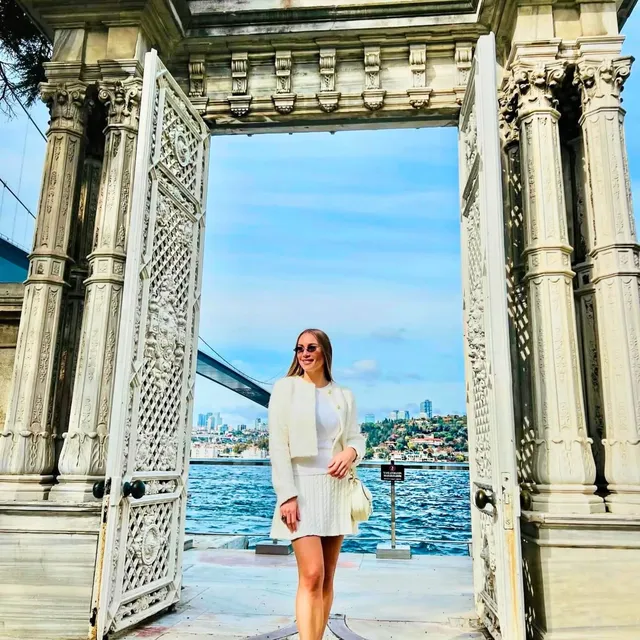
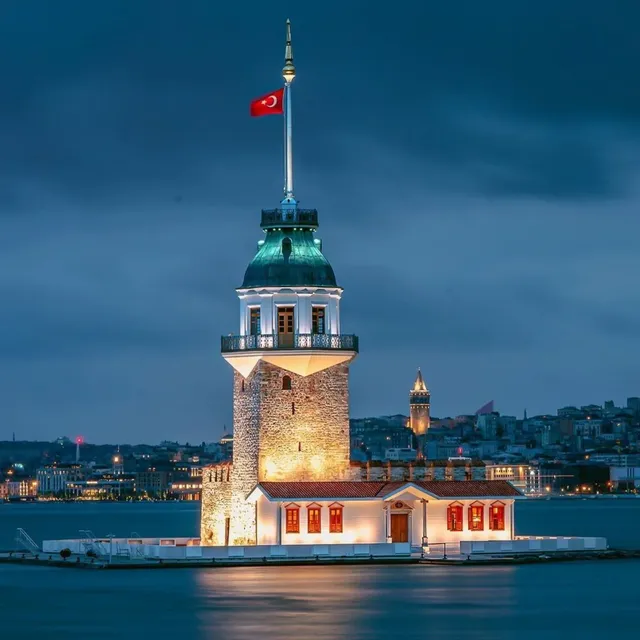
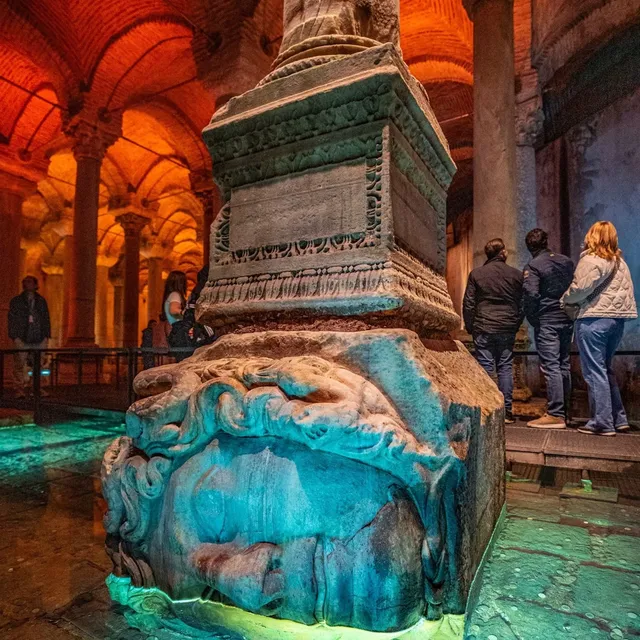
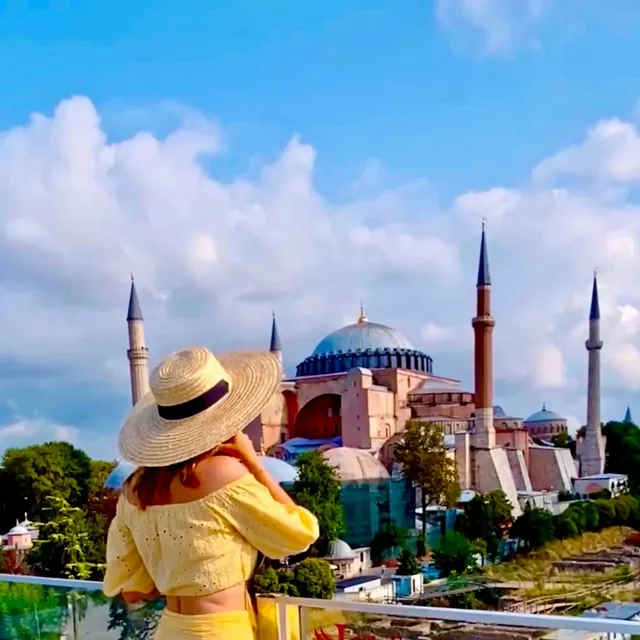
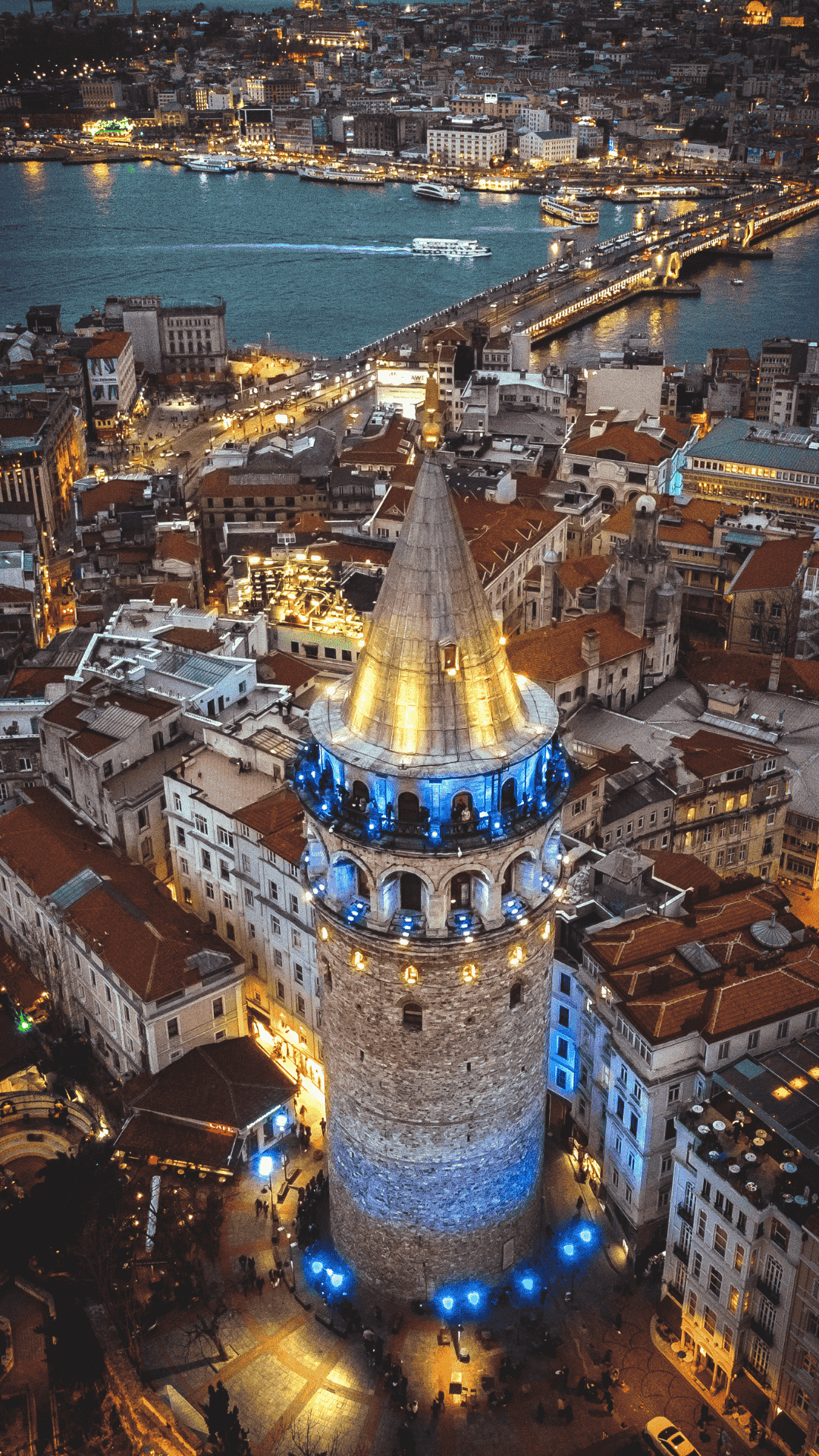
The city's appeal is not only economic. Its global visibility, cultural landmarks, and year-round visitor interest help keep attention on the market. Areas connected to iconic sites such as Hagia Sophia, Galata Tower, and the experience of a Bosphorus Cruise continue to shape how many overseas buyers view Istanbul as both a lifestyle and investment destination.
What Foreign Buyers Should Focus On
If you are evaluating opportunities in Turkey, it makes sense to look beyond headline prices. Established neighborhoods, proven visitor demand, manageable project size, and a healthy resale market can all matter when judging long-term potential. In a market with mixed signals, these basics may help buyers avoid overreliance on short-term momentum.
- Track proven locations: Areas with years of visitor and residential demand may offer more resilience.
- Review resale potential: A stronger resale market can provide more flexibility later.
- Compare project scale: Smaller developments may present different risk profiles than large oversupplied schemes.
- Verify current regulations: Residency, citizenship, and property purchase rules can change, so always confirm the latest framework.
For broad background on the country and its economy, see Britannica's overview of Turkey. For updated travel and destination context that also helps explain Istanbul's enduring international appeal, GoTürkiye is another useful reference. As with any property decision, check the official site or current legal guidance for the latest thresholds, costs, and eligibility requirements.
Starting Your Search
To learn more about real estate in Turkey, you can explore portfolios of residences and villas for sale in locations including Istanbul. Listings typically include the asking price, location, home features, and contact details for further information or to schedule a viewing. Before moving forward, compare multiple listings carefully and verify that all legal, financial, and location details are current.
For many buyers, the appeal of Istanbul comes from the combination of market activity, international visibility, and lifestyle value. That does not remove risk, but it does explain why the city remains central to discussions of property investment in Turkey.