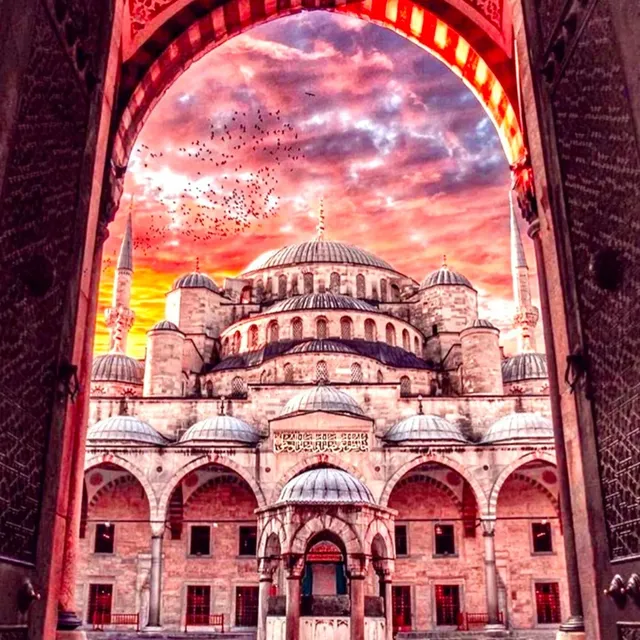

Sedefkar Mehmet Aga, a talented architect of the 17th-century Ottoman era and a pupil of the renowned Mimar Sinan, designed the mosque to reflect glory, strength, and brilliance. Sultan Ahmed’s wish came true: the Blue Mosque has dominated the center of Istanbul ever since, surrounded by layers of imperial history and visible from many parts of the city.
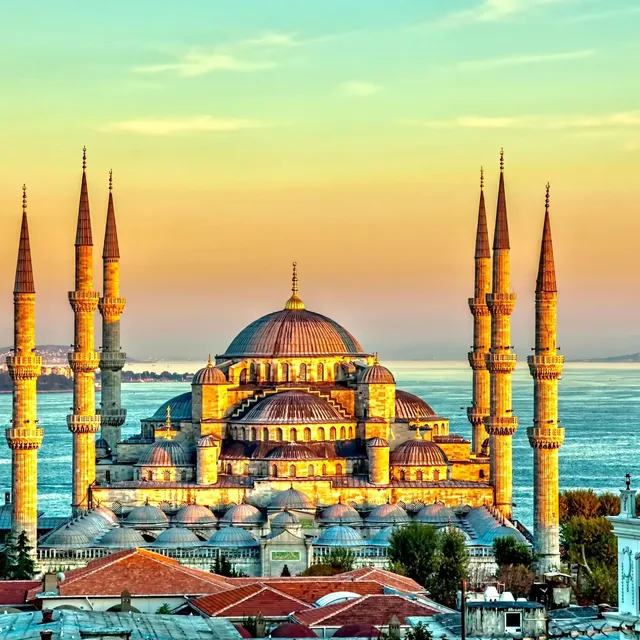
What makes this mosque stand apart? The Blue Mosque is widely known as the first mosque of the Ottoman Empire to have six minarets, a feature that made it a peerless work of 17th-century Ottoman architecture. During its construction, this reportedly caused controversy because the Kaaba in Mecca also had six minarets at the time. As the story goes, Sultan Ahmed then sent builders to Mecca to construct a seventh minaret for the Kaaba.
The Blue Mosque Istanbul interior
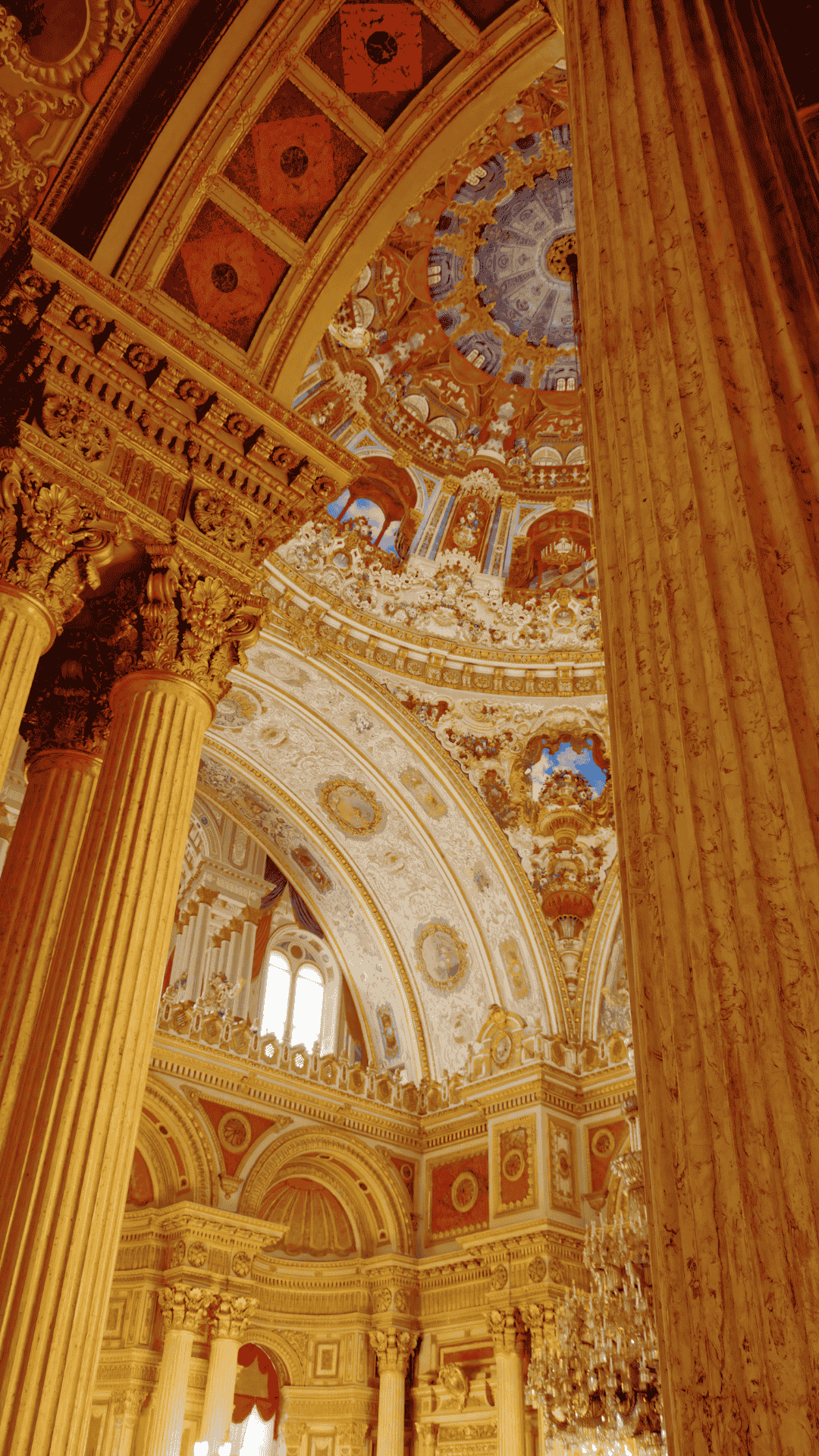
The Blue Mosque, or Sultanahmet Camii in Turkish, came to be known as the “Blue Mosque” among Europeans because of the blue tiles that decorate its interior walls. Step inside and the effect is striking: the interior is just as captivating as the exterior.
More than 20,000 handmade Iznik (Nicaea) ceramic tiles, featuring 50 different tulip designs, adorn the interior walls of the mosque. Along with these intricate tile patterns, the grand chandeliers add to the atmosphere and make the prayer hall feel especially memorable.
The regal red carpet stretches across the floor, while calligraphy with Quranic verses immediately draws the eye. If you are searching for the best places to visit in Istanbul, the Blue Mosque offers a rich visual experience shaped by craftsmanship, devotion, and imperial ambition. Its details reward both first-time visitors and those returning to admire it again.
For many years, this majestic mosque has welcomed people from many backgrounds. It remains a place of worship and a destination for travelers who want to understand Istanbul through its monuments and layered history. Visitors often come not only to see a famous building, but also to feel the living rhythm of the city around it.
At the heart of Istanbul: the Blue Mosque
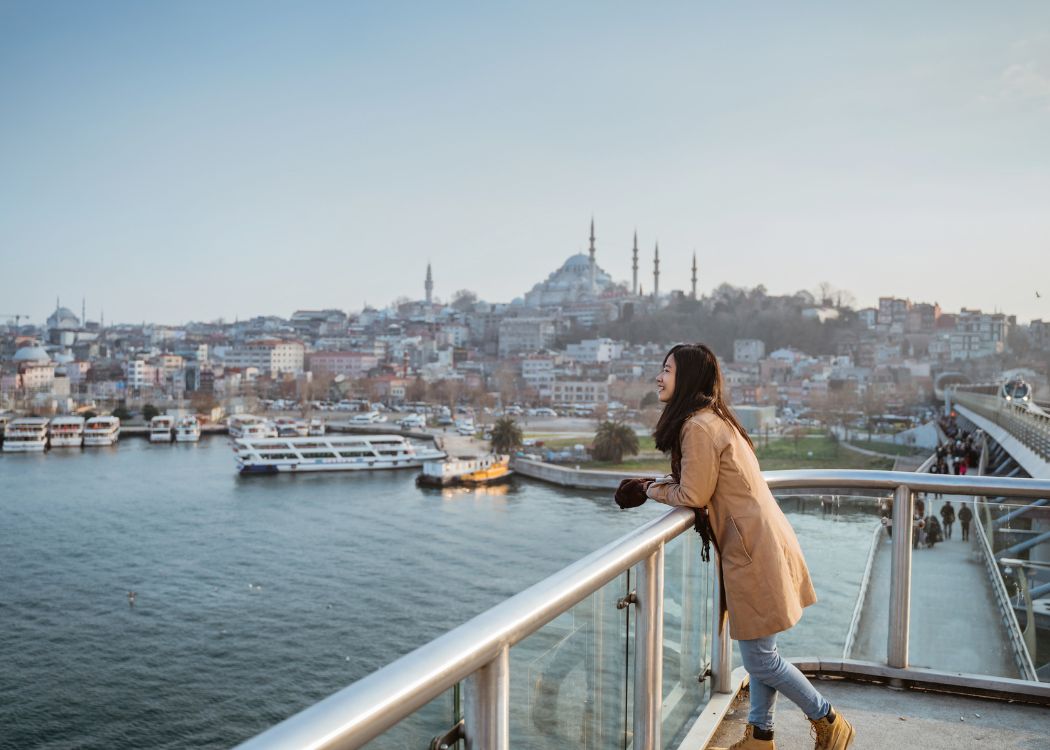
It is almost impossible to ignore the Blue Mosque, even from a distance. Whether you are walking through historic districts or spending time by the waterfront, its silhouette can become a point of reference on the horizon. In many ways, it reflects the soul of Istanbul itself.
Istanbul is a city shaped by different nations, cultures, and religions, and the Blue Mosque is one of the places where that layered story feels especially visible. As one of the most significant works of Islamic architecture in the city, it stands as both a monument and a living part of everyday Istanbul.
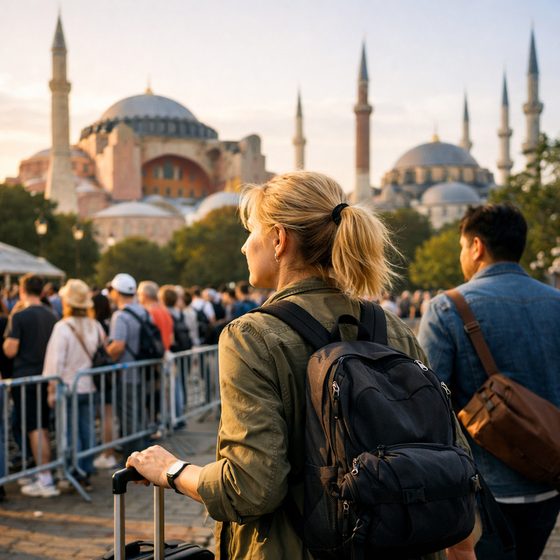
Around the mosque, you may hear the calls to prayer, the flutter of pigeons, and the voices of visitors arriving from all over the world. The atmosphere in and around the site is part of what makes the experience memorable. The building is not only admired for its scale and beauty, but also for how naturally it belongs to the life of the city.
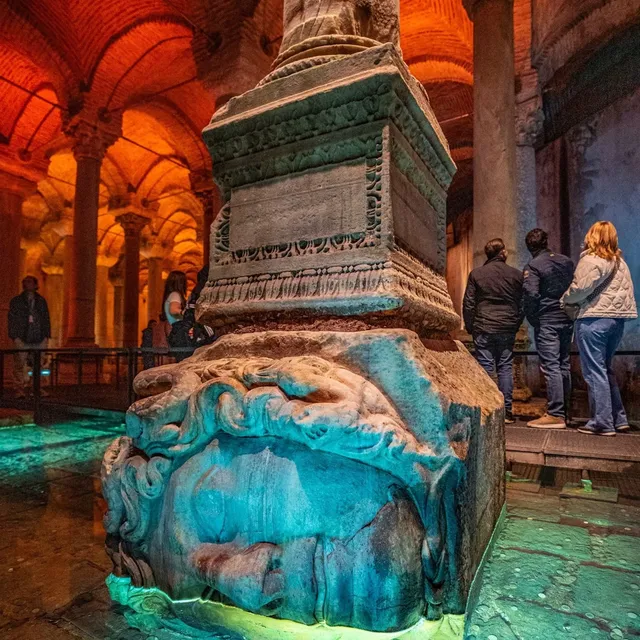
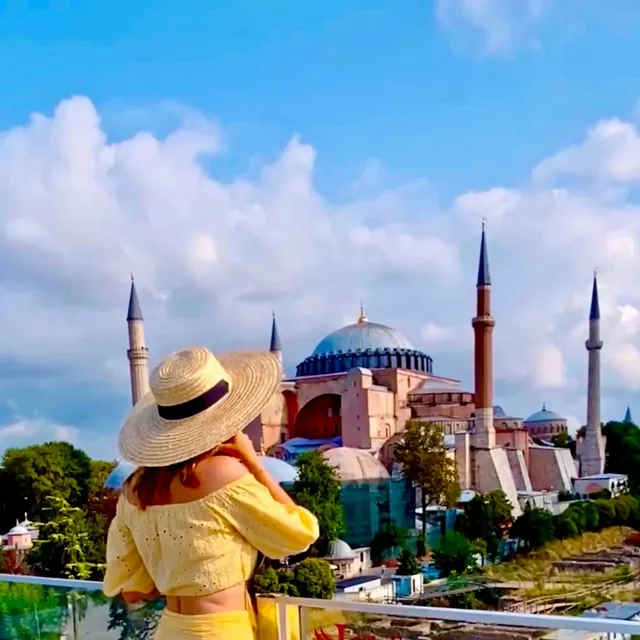
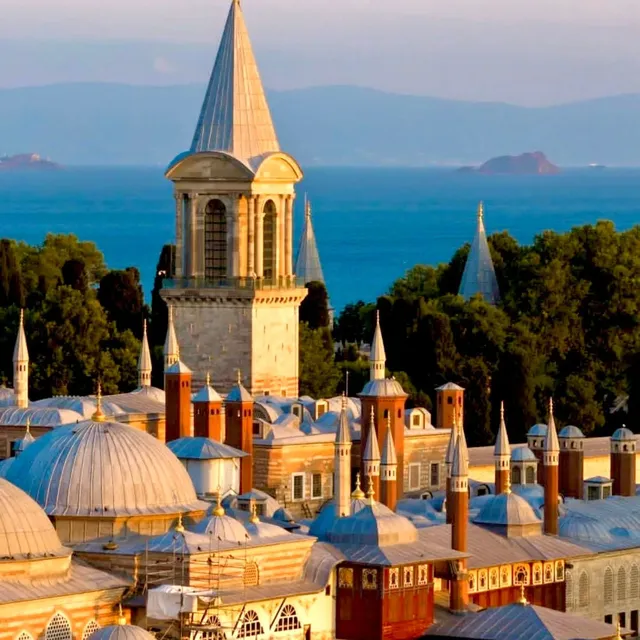
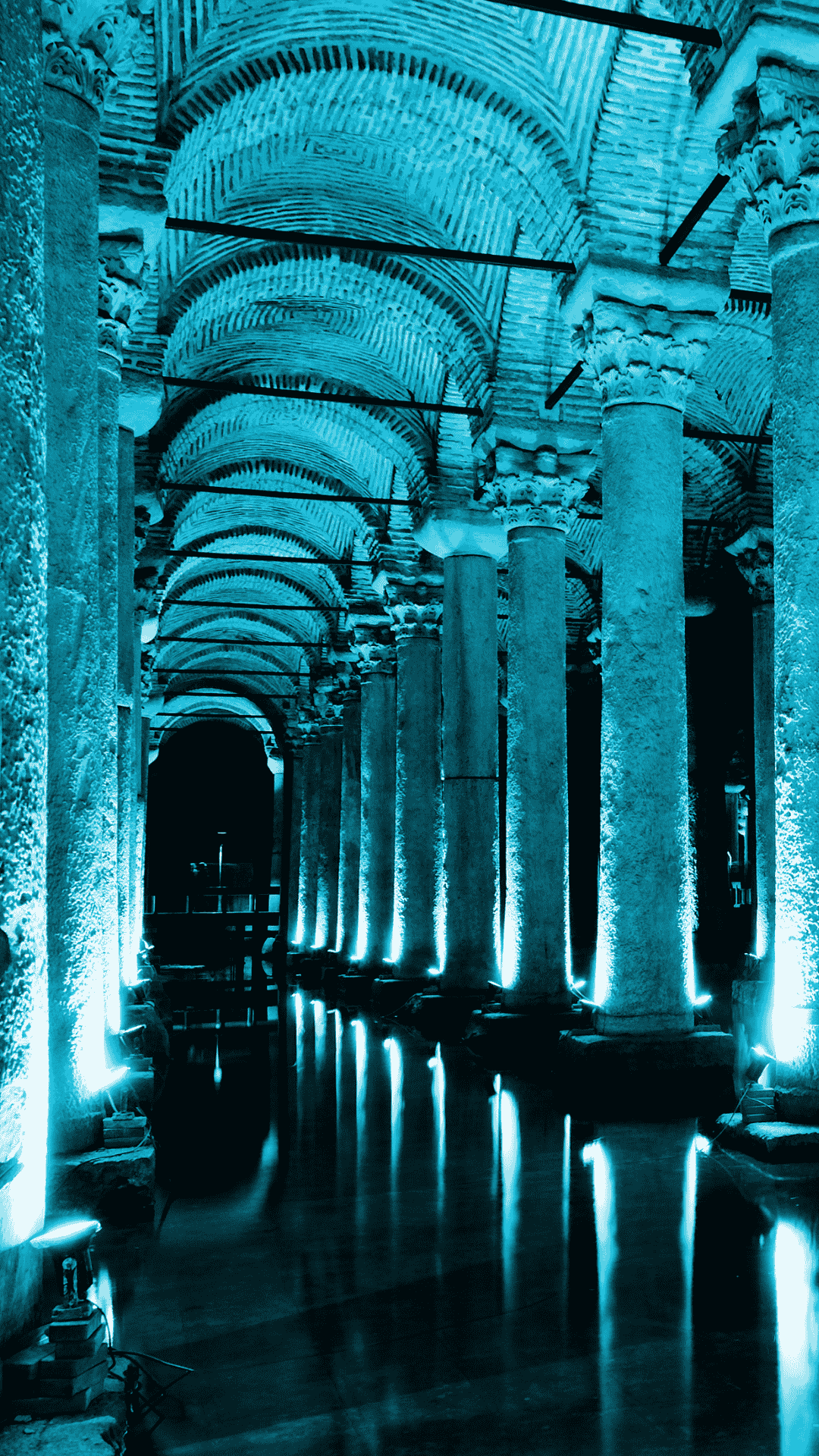
The mosque also stands close to several of Istanbul’s best-known attractions. You can easily combine your visit with Hagia Sophia, Topkapi Palace, the Basilica Cistern, or the Grand Bazaar. This makes the area ideal for travelers who want to explore several major sights in one day.
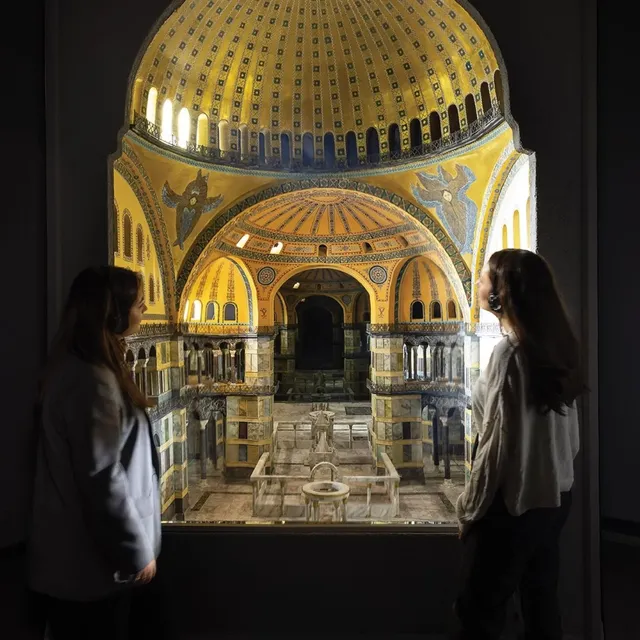
One of the most remarkable details of the setting is the face-to-face presence of Hagia Sophia and the Blue Mosque. The former was commissioned by Emperor Constantius in 360 A.D., while the latter belongs to the Ottoman world of the 17th century. Together, they show how Istanbul preserves its history while embracing cultural and religious diversity.
Why visit the Blue Mosque?
- Historic significance: It is one of the defining monuments of Ottoman Istanbul.
- Six minarets: This unusual feature helped make the mosque famous across the world.
- Iznik tilework: The interior decoration is one of its most admired elements.
- Central location: It sits in Sultanahmet, near many of the city’s headline attractions.
- Living atmosphere: It remains an active mosque as well as a major visitor site.
Planning your visit
The Blue Mosque stands in the historic center, near Sultanahmet Square, making it easy to include in a walking itinerary through old Istanbul. Because it is an active place of worship, visitors should be respectful of prayer times and dress expectations. For current visitor details and broader historical background, it is a good idea to check reliable sources such as UNESCO and Britannica.
Whether you are interested in architecture, Ottoman history, sacred spaces, or simply iconic views, the Blue Mosque remains one of the city’s essential experiences. It is not just a monument to look at, but a place to feel Istanbul’s continuity between past and present.