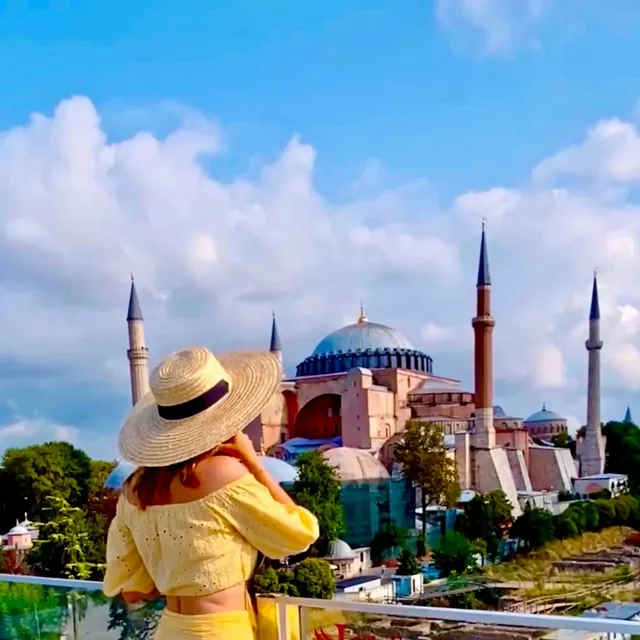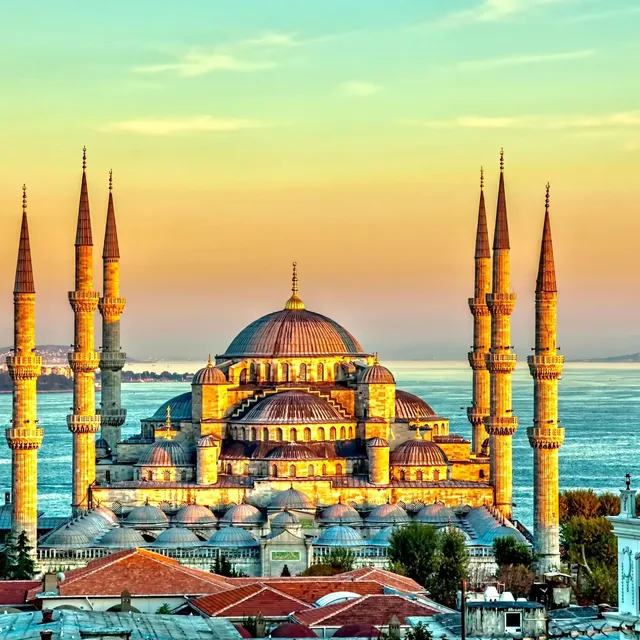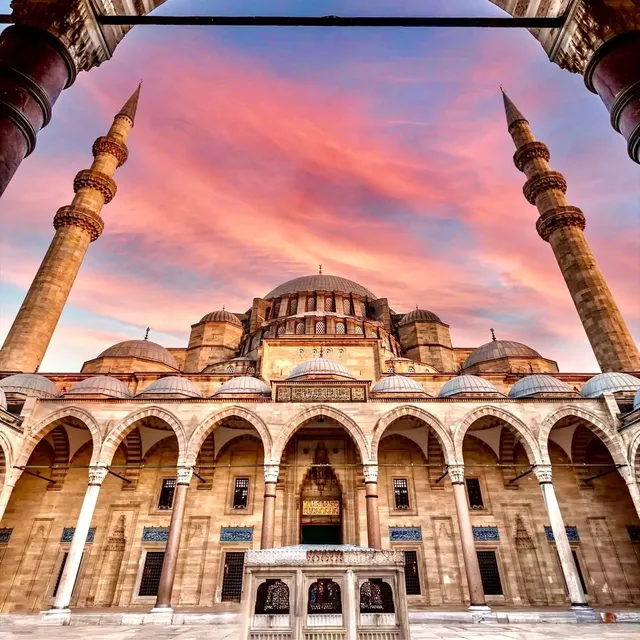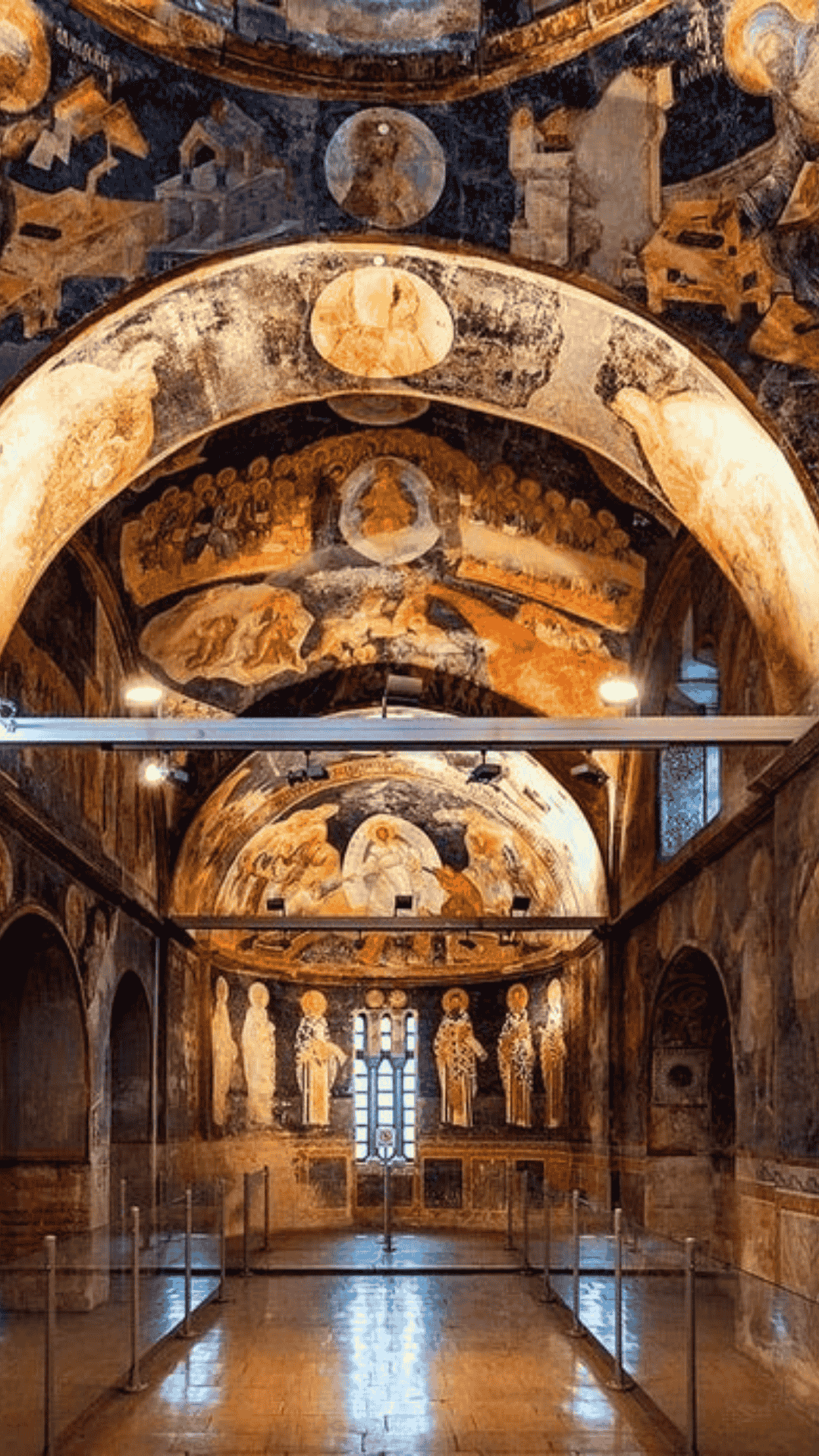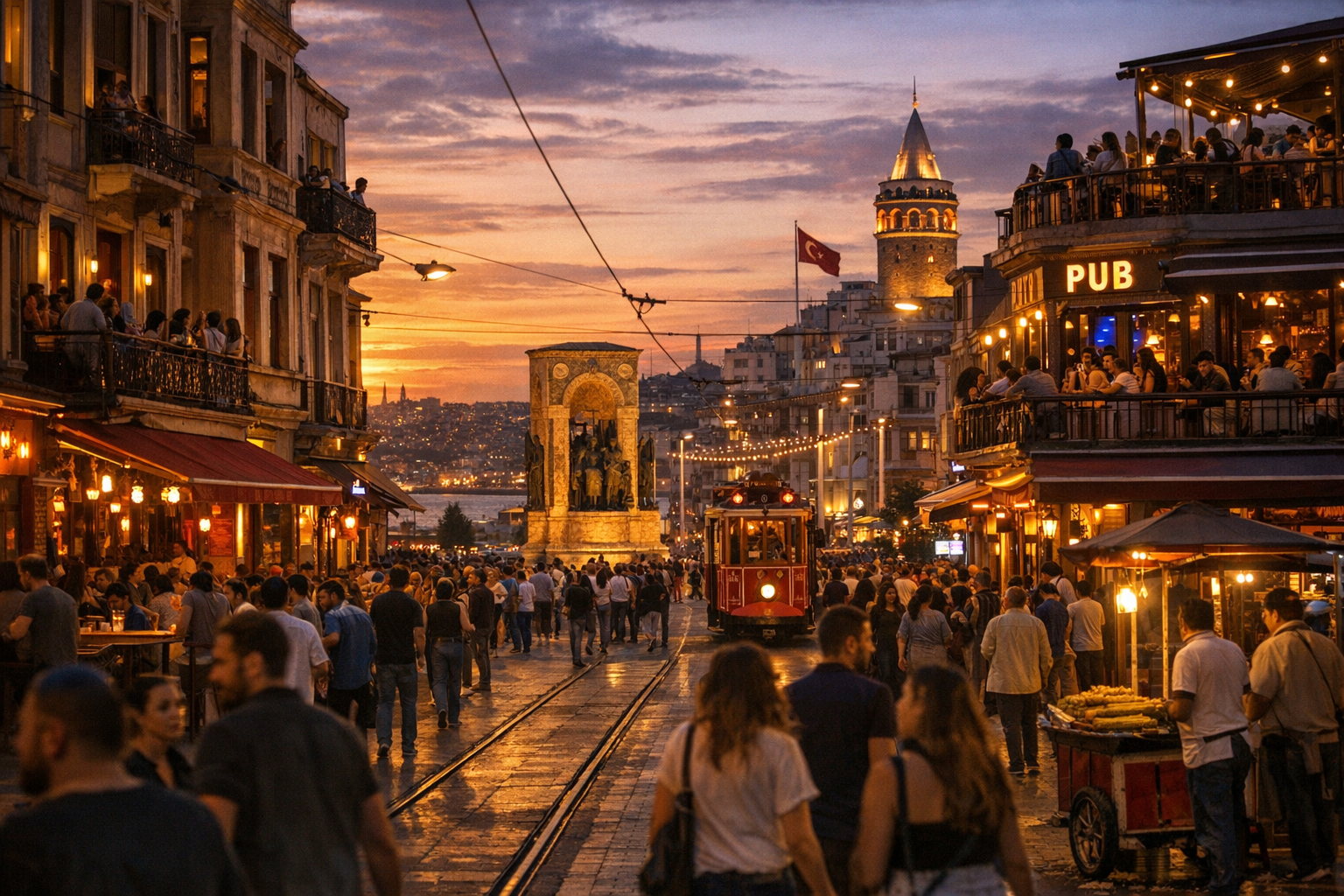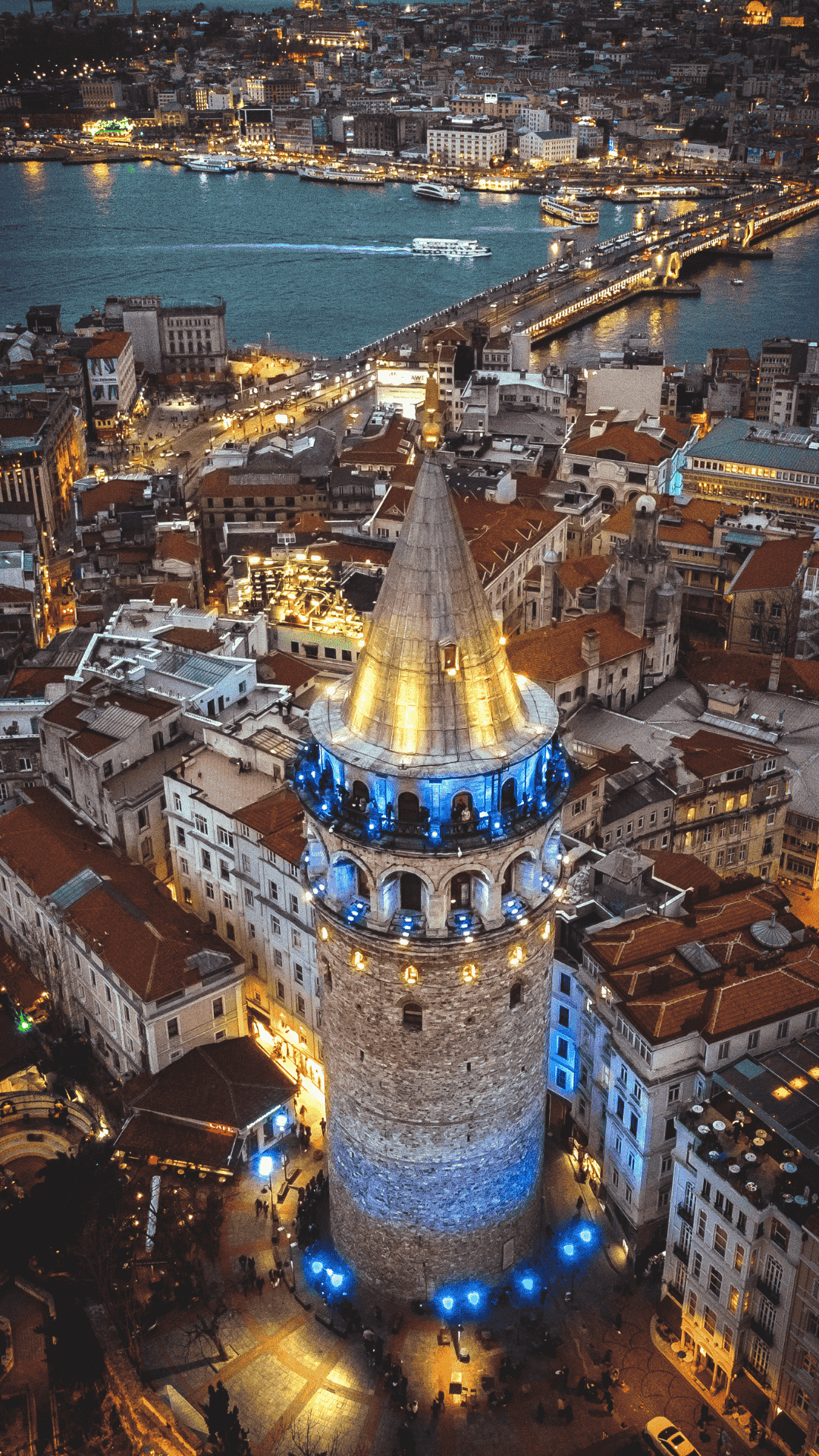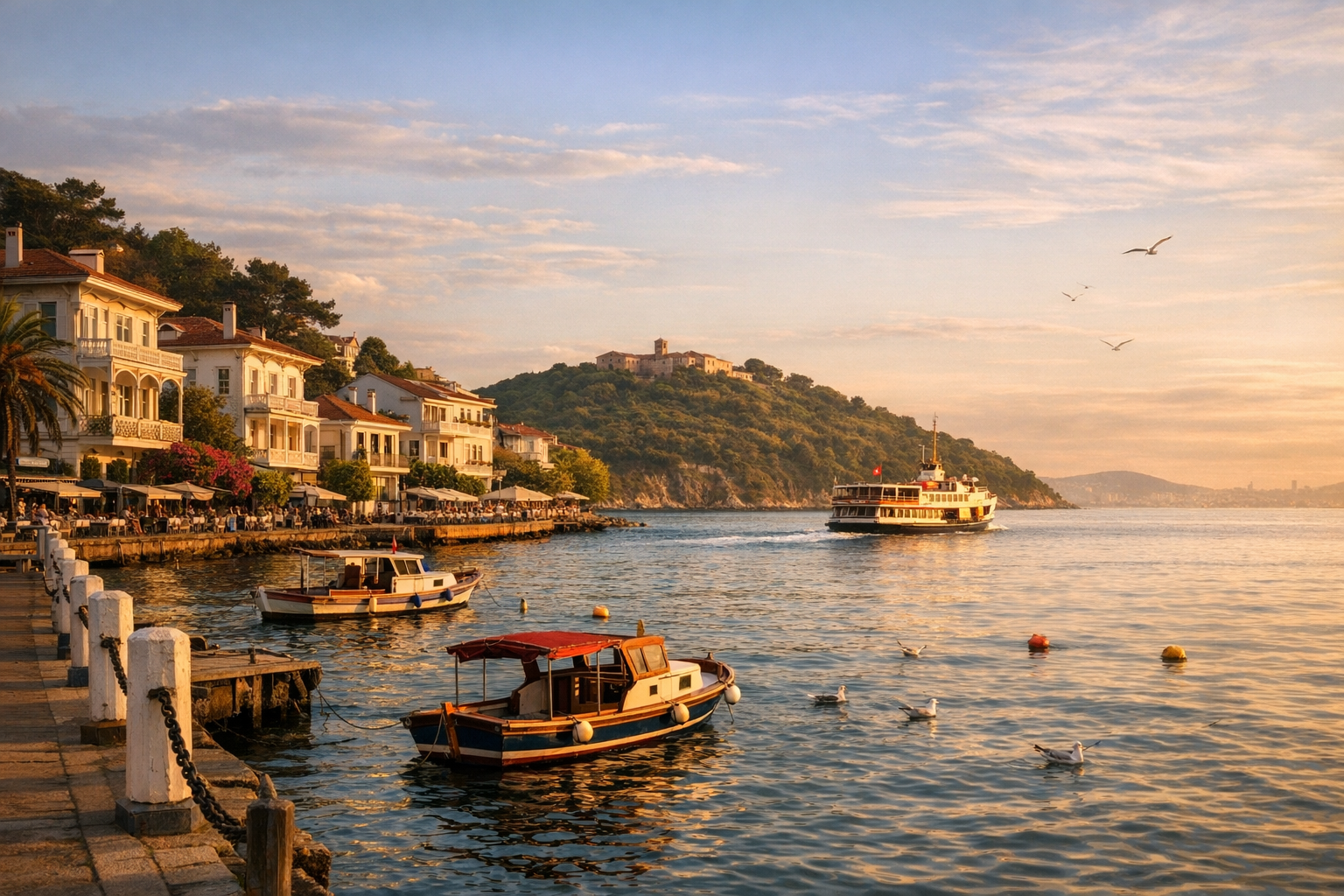
For a quick primer on how this landscape formed, skim the concise overview of the city’s past here: Istanbul on Britannica. Then, if you want global historical context for your first stop, see UNESCO’s Historic Areas of Istanbul.
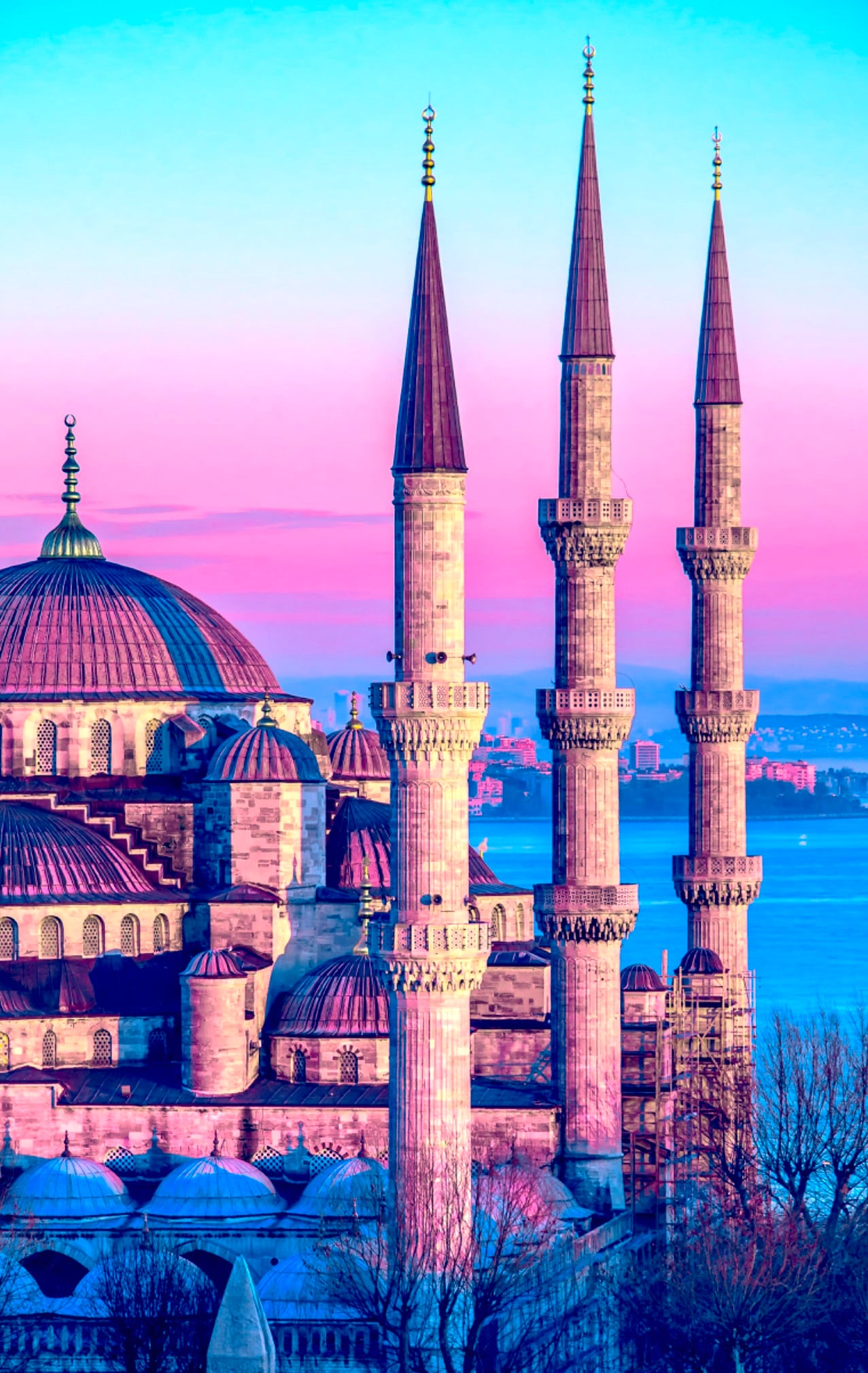
A Religious Sites Route Connecting Three Iconic Stops
This route is compact, meaningful, and easy to navigate. The sequence lets you feel different layers of Istanbul’s faith and history without rushing. Begin early at Hagia Sophia to enjoy quiet light. Move to Eyüp Sultan for devotion and neighborhood life. End at Ortaköy Mosque with the sea breeze and bridge lights.
Why These Three Mosques Are a Must-See
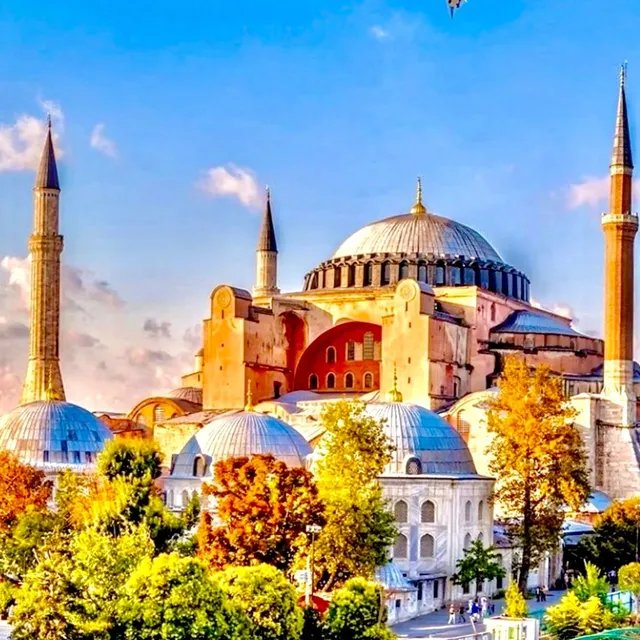
Hagia Sophia embodies the city’s layered identity with its vast naos, elegant marble, and surviving mosaics. Eyüp Sultan Mosque surrounds the resting place of Abu Ayyub al-Ansari, making it a beloved site of prayer and remembrance. Ortaköy Mosque, officially Büyük Mecidiye Camii, frames faith and daily life with the Bosphorus Bridge as a backdrop. Together, they show how architecture, devotion, and the waterfront shape Istanbul’s spirit.
Suggested Order of Visit and Travel Time
Morning: visit Hagia Sophia in Sultanahmet, then take a brief walk through the area for photos. Midday: continue toward Eyüp by tram or taxi via Eminönü, or take a Golden Horn ferry for a scenic approach. Afternoon and sunset: head to Ortaköy Mosque for soft light and an easy close by the water. With modest transfers and a few pauses for tea, the route feels unrushed and complete.
Hagia Sophia
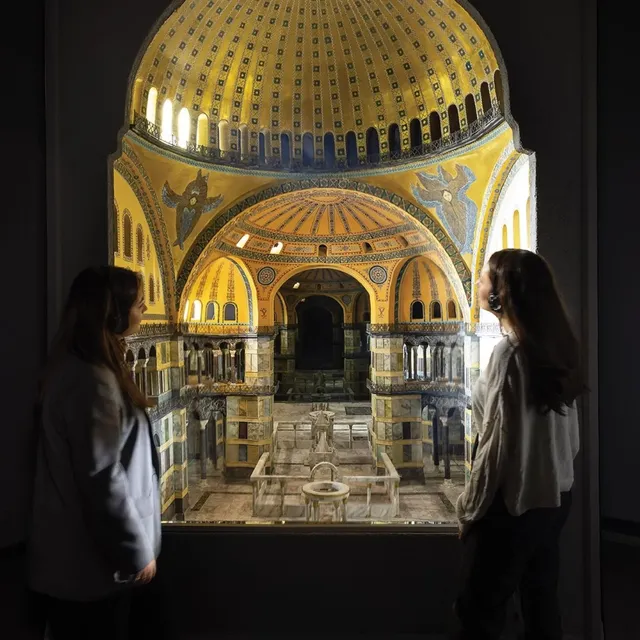
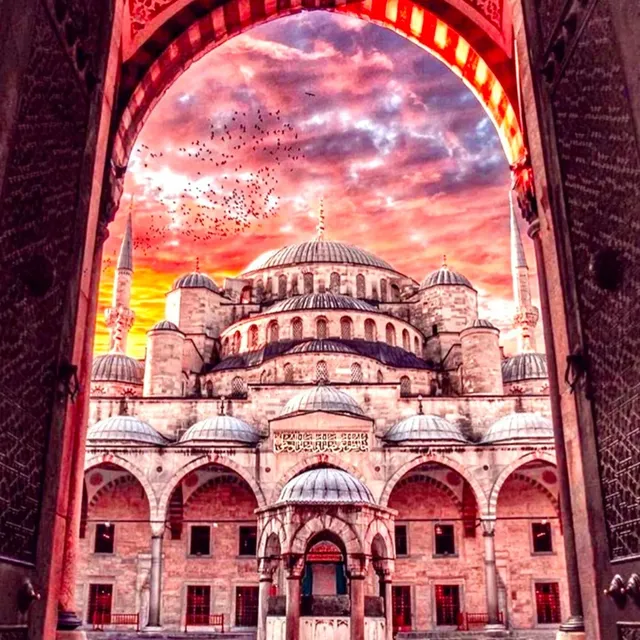
Step into one of the world’s great interiors. The dome seems to float on light, while marble panels, columns, and calligraphy medallions give the space quiet power.
Architectural Wonders and Spiritual Atmosphere
Hagia Sophia interior details reward slow looking. Stand beneath the central dome to feel the proportions. Walk the side aisles to study capitals and marble veining. The atmosphere shifts gently through the morning as the light moves across the floor.
Iconic Dome and Mosaics
Look for shimmering tesserae and quiet traces that survived time. Bring a short lens for wider shots and a longer one for mosaic details. You can build your own set of Hagia Sophia photos with balanced angles and respectful framing.
Transition From Church to Mosque
Hagia Sophia history reflects the city’s long arc. The site served as a church for centuries, later as a mosque, and continues as a place of worship today. This layered story is part of what makes this religious sites route so compelling.
Visiting Hours and Entrance Details
Hagia Sophia opening hours can shift on religious or national holidays, and prayer times affect interior access. Arrive near opening for the calmest visit. Entry procedures may differ by section. For the most current information, follow posted signs and ask staff if you plan to join a Hagia Sophia tour or need guidance about visitor access.
The Spiritual Heart of Istanbul: Eyüp Sultan Mosque
Eyüp Sultan Mosque stands at the upper reaches of the Golden Horn, surrounded by centuries of devotion and neighborhood life. Families gather in the courtyard, children chase pigeons, and the flow of visitors remains gentle and kind.
Tomb of Abu Ayyub al-Ansari
The resting place of the Prophet’s companion gives the complex profound meaning. Many visitors come to offer prayers near the Eyüp Sultan Türbesi. If you are looking for the location, ask locals for the türbe; they will often guide you with warmth.
Friday Prayer Experience
Fridays see larger gatherings. If you wish to observe, arrive early and keep a respectful distance. The flow of worship, greetings in the courtyard, and the city’s rhythm are moving to witness.
What to See Around Eyüp Sultan
Walk the historic streets around the complex. Look for carved fountains, small bookstores, and gentle cafés. If you have time, ride the cable car to Pierre Loti Hill for a wide view of the Golden Horn.
Pierre Loti Hill and Cable Car Ride
The cable car rises to a terrace that frames mosques, water, and hills. It is a soft pause after your visit. Many travelers look up schedules for the Eyüp cable car before planning a tea break at the top.
Ortaköy Mosque
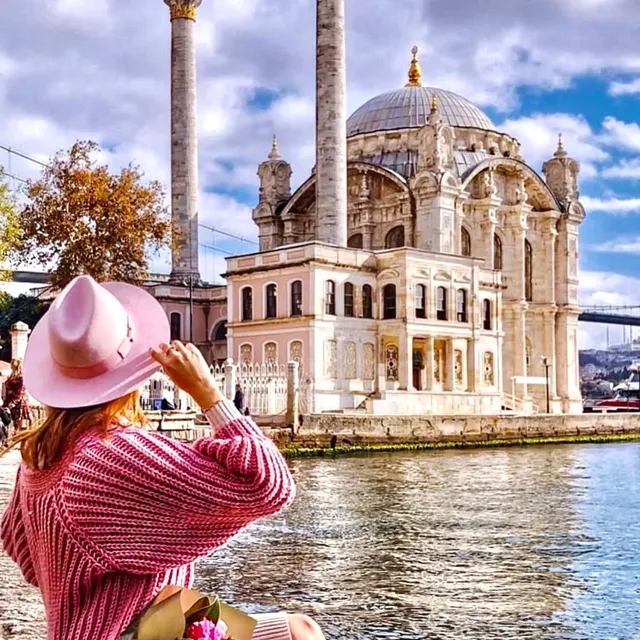
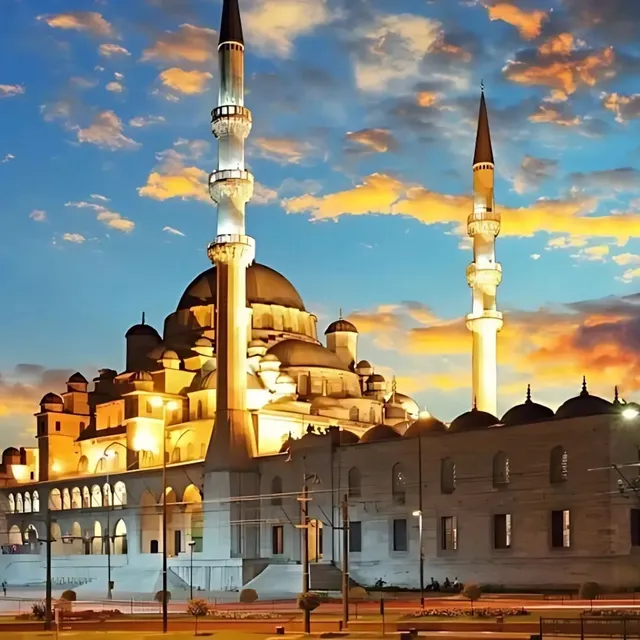
Ortaköy Mosque, officially Büyük Mecidiye Camii, sits right on the Bosphorus with the bridge beyond. The setting makes every visit feel special, especially near sunset.
Café Culture and Street Food by the Mosque
The square fills with life. Try a simple kumpir or share a waffle, then sit by the balustrade to watch boats turn under the span. The mood here is lighter than at the earlier stops, which makes it a lovely way to end the day.
Best Photography Spots at Sunset
Stand on the right side of the square for the classic frame: mosque, water, and Bosphorus Bridge. As lights come on, reflections gather on the surface. If you have more time later in your stay, a Bosphorus Cruise offers another angle on Ortaköy Mosque and the shoreline.
Practical Tips for Your Religious Sites Route
Small choices keep the day smooth. Comfortable shoes, a light scarf, and a bottle of water cover most needs. Save pins for tram stops, ferry piers, and taxi stands so transfers remain easy.
Best Time to Visit
Spring and autumn offer mild weather and soft light. Winter brings quiet mornings; pack a warm layer. Summer gives long evenings that suit Ortaköy at sunset. For access details at the mosques and tomb areas, check notices on the day since prayer schedules guide entry.
Transportation Tips
Tram T1 and nearby ferries make the route flexible. A short taxi ride can bridge gaps if you are short on time. When navigating to Ortaköy, searching for Büyük Mecidiye Camii can help if your map app gives mixed results.
Cultural Etiquette and Dress Code
These are living places of worship. Shoulders and knees should be covered. Women may need a headscarf inside prayer halls. Speak softly, follow the flow of visitors, and avoid blocked areas. During prayers, step back and wait respectfully.
What to Wear Inside Mosques
Simple, modest clothing is best. Bring a light scarf and socks for shoe-off areas. Avoid flash photography and bright camera lights inside.
Respectful Photography Guidelines
Photograph architecture and details without intruding on worship. Frame wide shots from the back of the hall and move quietly. If in doubt, ask a staff member. When you share images, caption with care and use accurate place names.
Closing Note
Walk with calm, look for details, and pause often. With this religious sites route, you will carry home clear photos, kind memories, and a deeper sense of the city’s living faith; one dome, one courtyard, and one waterfront view at a time.