Construction was completed in 1136. During the Latin invasion of 1204, Catholic priests reconsecrated the monastery. After the conquest of Constantinople, Sultan Mehmet the Conqueror transformed the monastery into a medresse and its church into a mosque. The monument later took the name of its first professor, Molla Zeyrek Mehmet Efendi.
The mosque underwent major repairs at the end of the 18th century and was restored in 1966. As noted in the original account, it has again been undergoing serious renovation and may be closed until restoration is completed, so it is best to check current visitor status before planning a trip.
History of Zeyrek Mosque
Zeyrek Mosque reflects several major periods of Istanbul’s past in a single structure. It began as the Church of Pantocrator Monastery, one of the most important religious foundations of the Byzantine era. Commissioned by Eirene, the wife of John Comnenos, the complex was completed in 1136 and became a significant monastic center.
In 1204, during the Latin invasion, the monastery was taken over and reconsecrated by Catholic clergy. After the Ottoman conquest of the city, Sultan Mehmed the Conqueror converted the monastery into a medresse and its church into a mosque. This layered history is one reason the site is so important for visitors interested in both Byzantine and Ottoman Istanbul.
The name Zeyrek comes from Molla Zeyrek Mehmet Efendi, its first professor. Over time, the building saw serious repairs, especially at the end of the 18th century, followed by restoration work in 1966. Because conservation has continued in different periods, access conditions can change.
Architecture of Zeyrek Mosque
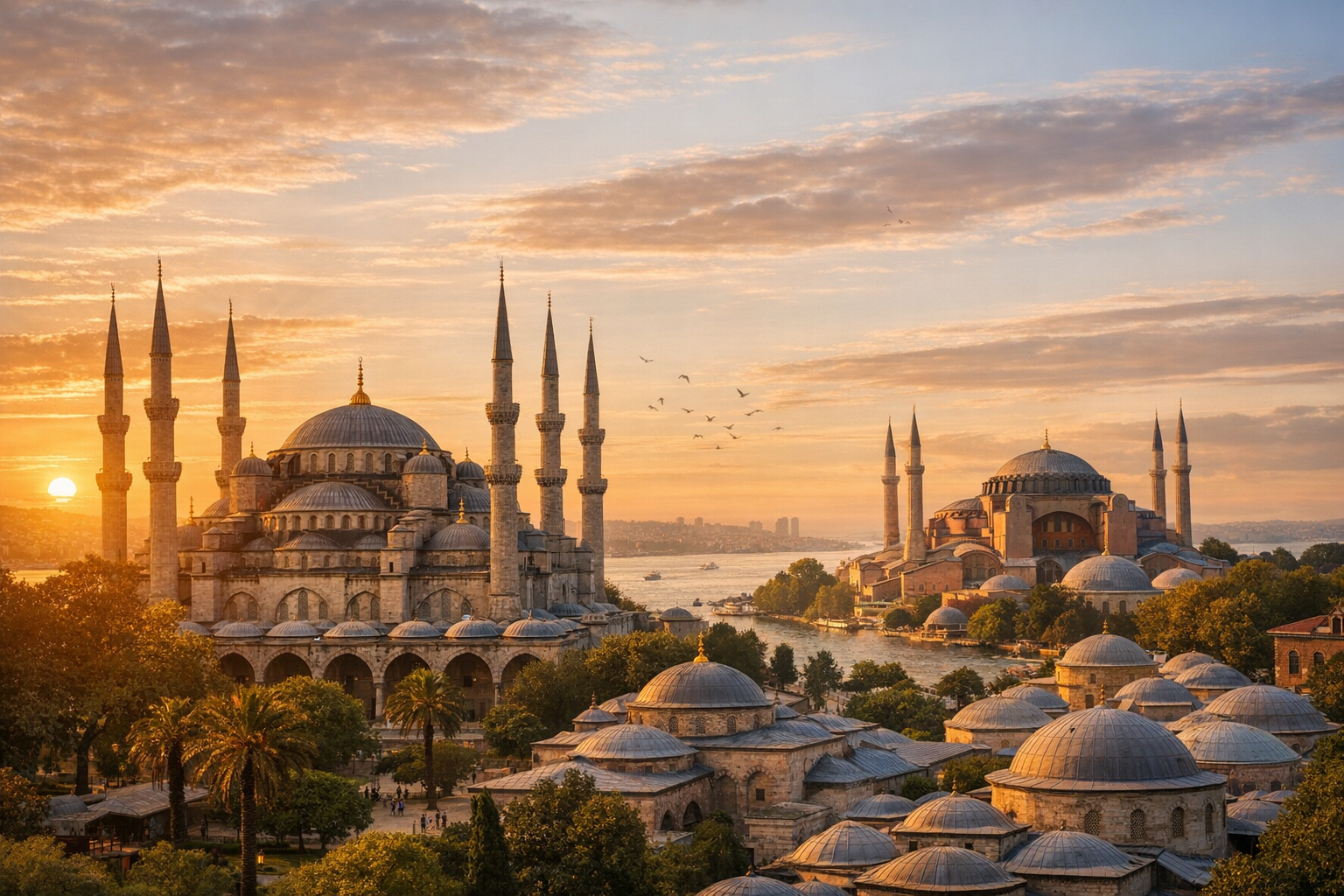
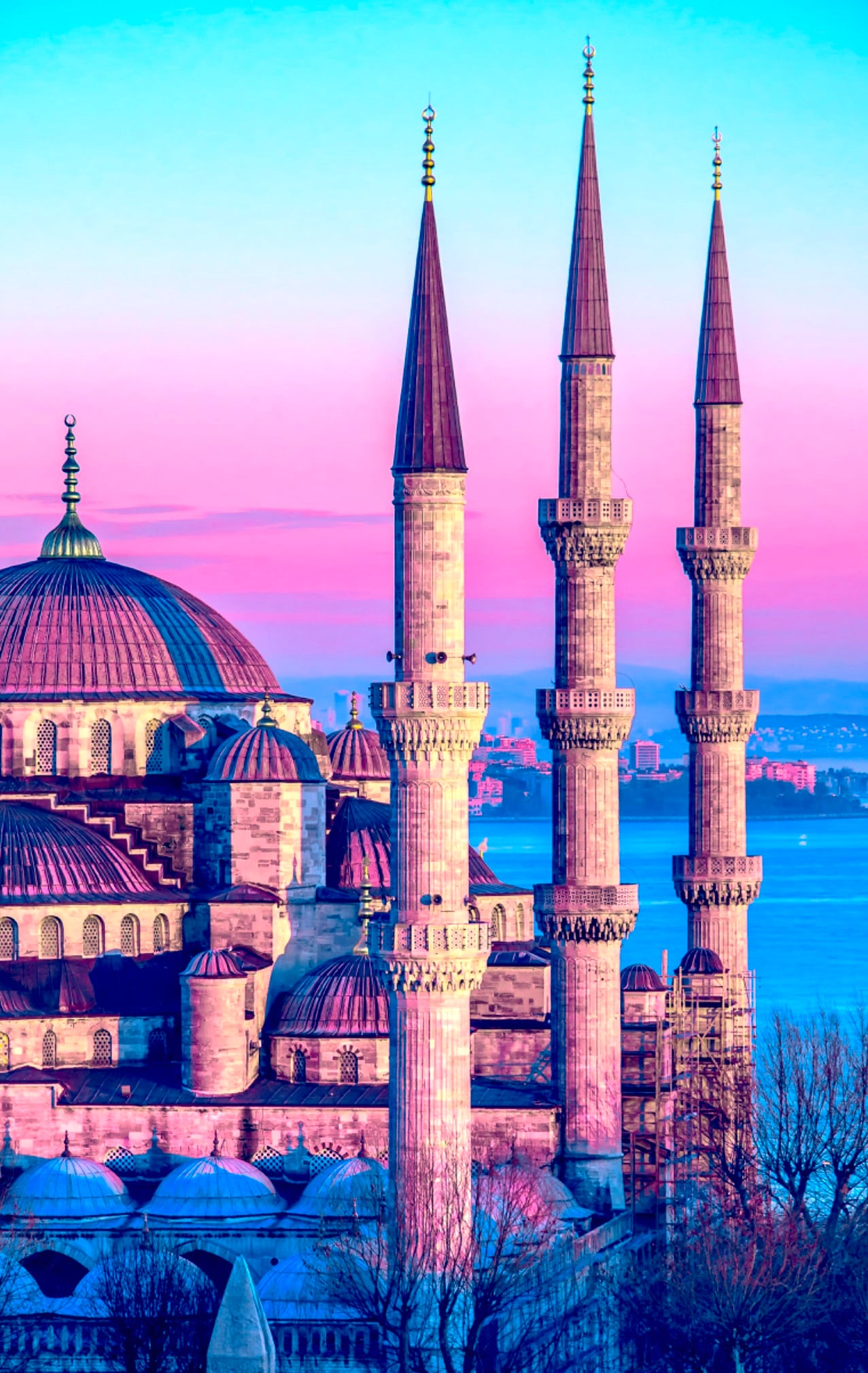
The building is composed of three adjacent structures and is built with brick and tile. Its roof is covered by five domes, and the mosque has a minaret with a single balcony. These features give the monument a distinct silhouette within the historic Fatih skyline.
One of the most remarkable details mentioned in restoration work is the floor tiling uncovered during repairs. These tiles are considered among the unequalled surviving examples of decorative art from the period and are especially noted for their beauty. Even with its later additions and repairs, the structure preserves an atmosphere that reveals its deep historical origins.
Visitors interested in sacred architecture may also want to compare it with other major religious landmarks in the city, such as Suleymaniye Mosque and Kariye Mosque, each representing a different chapter of Istanbul’s architectural story.
Where is Zeyrek Mosque?
Zeyrek Mosque is in the Zeyrek area of Fatih, on İbadethane Street. Its elevated position gives it a commanding outlook toward the Golden Horn, adding to its visual appeal and historical presence. The surrounding district is part of old Istanbul, where layers of Byzantine and Ottoman heritage can still be felt in the streetscape.
Because the mosque is set within one of the city’s oldest neighborhoods, many travelers visit it as part of a wider exploration of the historic peninsula. Pairing the area with nearby heritage sites can make for a rewarding route through Istanbul’s past.
Visiting Zeyrek Mosque
If you plan to visit Zeyrek Mosque, keep in mind that restoration status may affect access. The original text notes that it was closed during a serious renovation period, so checking current information before you go is advisable. For broader historical context, UNESCO’s page on Istanbul’s historic areas offers useful background on the city’s heritage significance: unesco.org.
For travelers researching the monument’s historical identity as the former Pantocrator complex, an overview is also available at Britannica. If the building is not open during your visit, the exterior and its setting in Fatih still make it a worthwhile stop for architecture and history enthusiasts.
Why Zeyrek Mosque matters
Zeyrek Mosque is more than a neighborhood landmark. It brings together Byzantine monastic history, the Latin occupation period, Ottoman educational and religious transformation, and modern restoration efforts. Few places in Istanbul express so many eras through one surviving monument.
Its combination of three adjoining structures, five domes, brick-and-tile construction, and notable floor decoration makes it architecturally distinctive. Its location above the Golden Horn strengthens its appeal for visitors seeking quieter but deeply meaningful historic sites beyond Istanbul’s most crowded attractions.