15 famous mosques in istanbul to know
Here is a practical list with short notes. It balances world-famous icons with neighborhood landmarks, so you can map a full day or split the list into smaller walks.
Blue Mosque (Sultanahmet Camii)
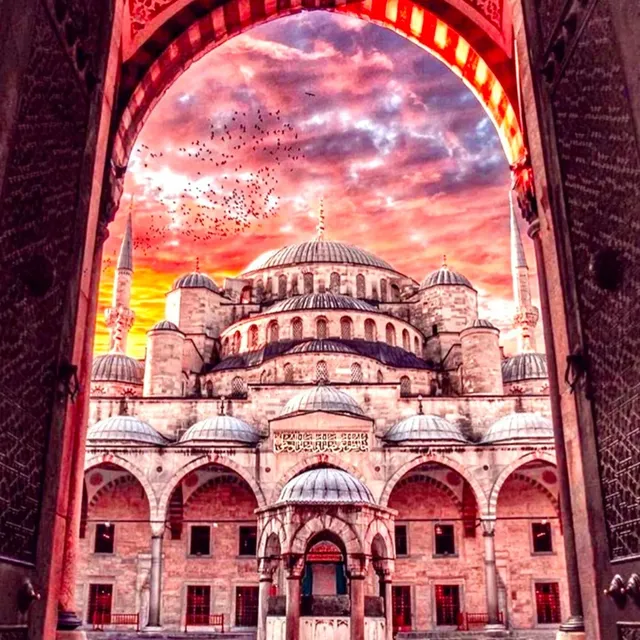
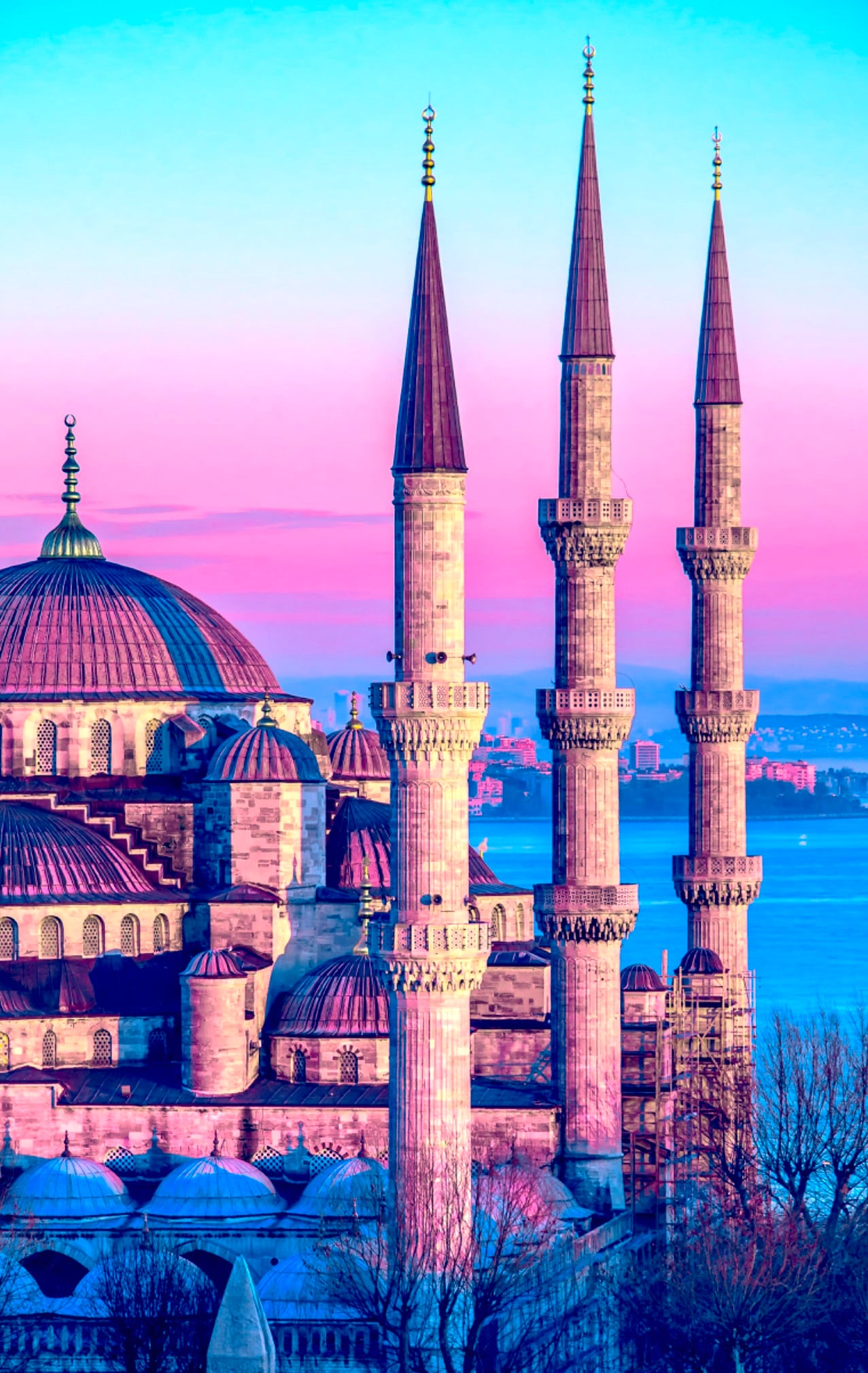
The Blue Mosque is the face of the city for many visitors. Its six minarets and blue İznik tiles make the interior glow. Arrive early for quiet light, dress modestly, and pause in the courtyard to feel the scale. If you want a closer look before your visit, see our guide to the Blue Mosque.
Hagia Sophia Mosque (Ayasofya Camii)
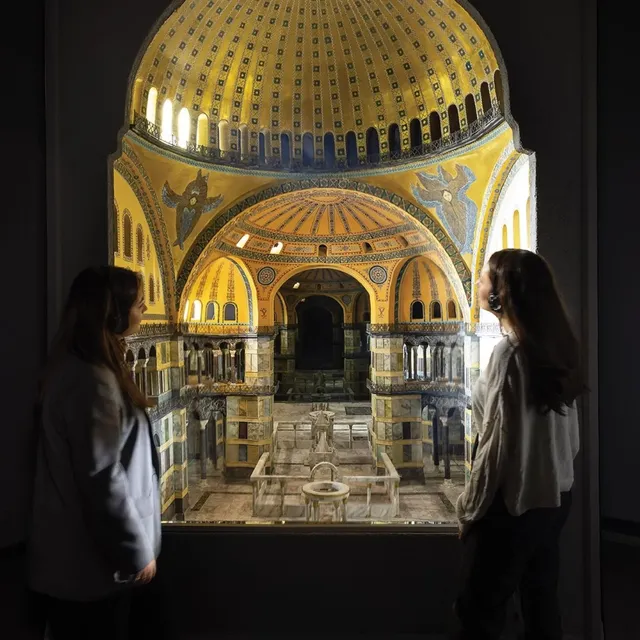
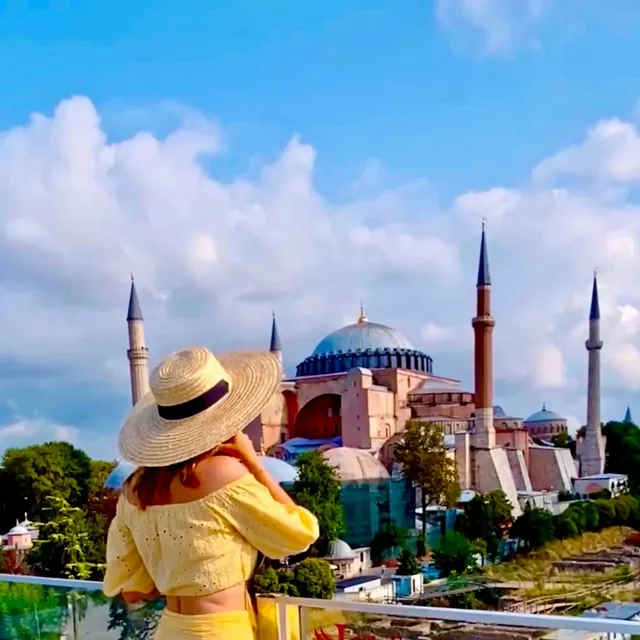
Hagia Sophia carries the city’s layered story. The vast dome, marble floors, and calligraphy medallions create a calm, powerful space. Visit early or between prayer times, and move with quiet steps. It remains one of the first places people name when they ask about the city’s best-known mosques. For broader historical context, UNESCO’s page on the Historic Areas of Istanbul is useful: UNESCO.
Ortaköy Mosque (Büyük Mecidiye Camii)
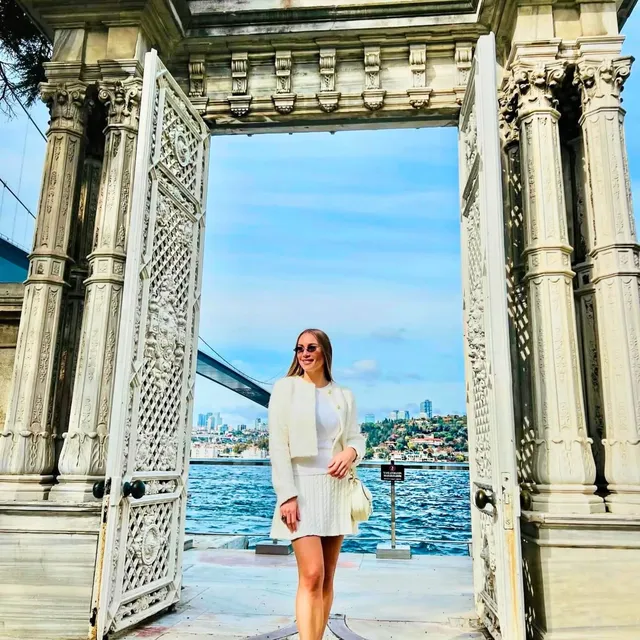
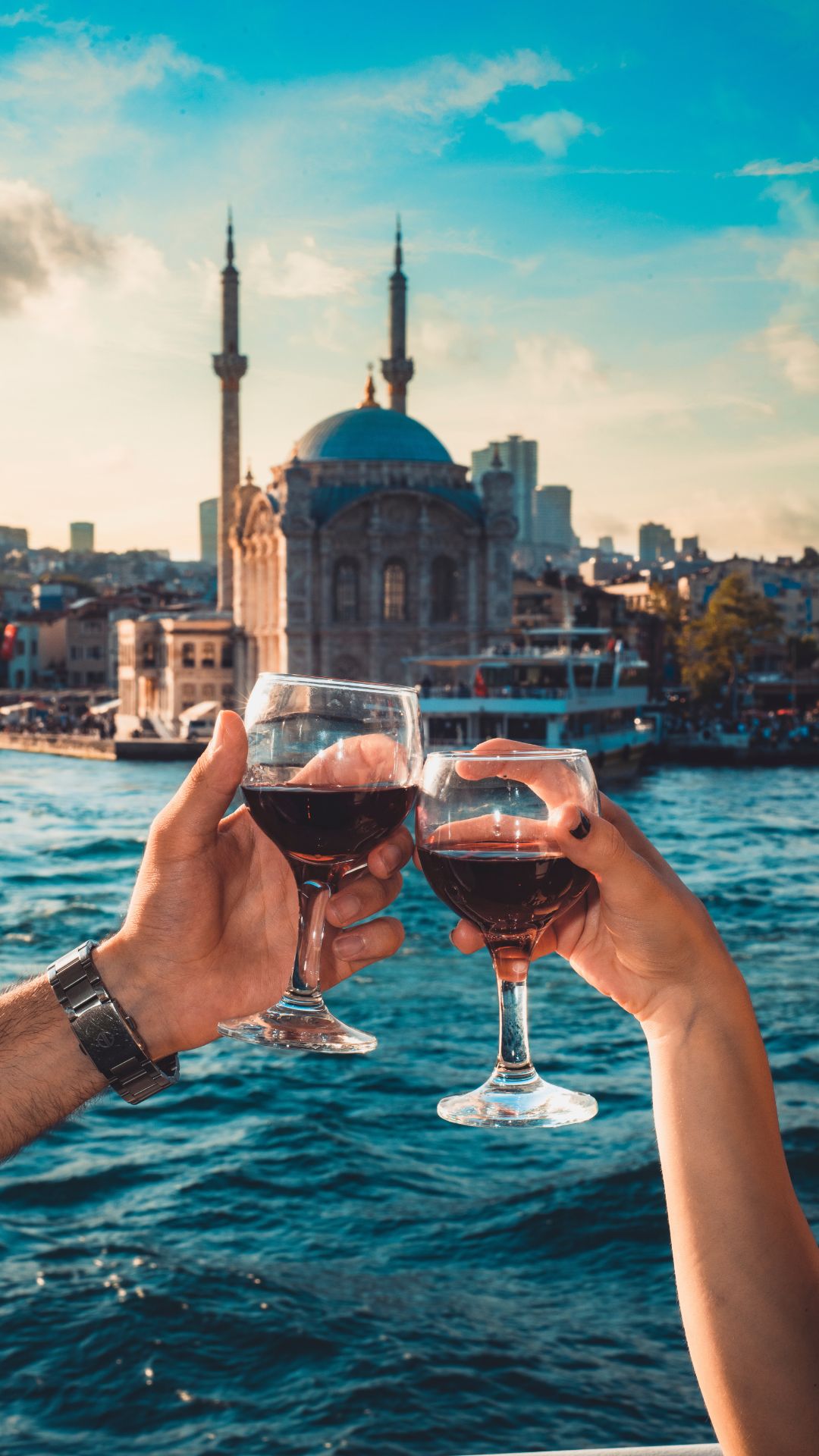
Ortaköy Mosque sits right on the Bosphorus with the bridge behind it. Come for soft sunset light, grab a tea, and watch boats turn under the span. It is a perfect stop on a shoreline walk, especially if you plan to continue toward nearby waterfront neighborhoods.
Süleymaniye Mosque
Mimar Sinan’s masterpiece rests high above the Golden Horn. The complex includes courtyards, medreses, and a peaceful garden with city views. Bring a light scarf and wander slowly along the terraces. You can also read our dedicated page on Suleymaniye Mosque.
Fatih Mosque
Fatih Mosque stands at the heart of its district with lively streets around it. The interior is airy and bright. After your visit, try a simple lunch in the nearby market lanes.
New Mosque (Yeni Camii)
By the Galata Bridge and the Spice Bazaar, the New Mosque frames the waterfront with domes and pigeons. It is easy to pair with a ferry ride across the Golden Horn.
Beyazıt Mosque
Close to the Grand Bazaar, Beyazıt Mosque offers a calm courtyard and a classic plan. It is a good pause between shopping streets and historic squares.
Rüstem Pasha Mosque
A hidden jewel near the Spice Bazaar, famous for its İznik tiles in rich blues and reds. Step up the stairs above the street and you find a quiet hall that feels like a secret.
Eyüp Sultan Mosque
One of the most beloved sites in the city. The complex includes the tomb of Abu Ayyub al-Ansari and shaded lanes that lead to tea gardens. Schedules can be busy on Fridays.
Çamlıca Mosque
The largest mosque in Türkiye sits on a hill on the Asian side. The scale is impressive and the views across the Bosphorus are wide. Combine it with a walk on Çamlıca Hill. For transport planning, official city transit resources such as Metro Istanbul can help.
Yıldız Hamidiye Mosque
Near Yıldız Park and the former imperial pavilions, this mosque blends late Ottoman style with a serene setting. It pairs well with a garden stroll.
Arab Mosque
In Karaköy, this Gothic-influenced mosque reflects earlier layers of the district. It is quiet, atmospheric, and close to the waterfront.
Chora Mosque (Kariye Camii)
Known for exquisite mosaics and frescoes from its museum period, Chora’s setting in a residential neighborhood makes the visit feel intimate. Check current visiting status and hours before you go. Our page on Kariye Mosque may help with planning.
Nuruosmaniye Mosque
By the Grand Bazaar’s Nuruosmaniye Gate, this mosque brings Baroque lines into Ottoman space. The interior is bright and elegant, and the courtyard is a calm pause from the bazaar.
Mihrimah Sultan Mosque (Üsküdar)
Another Sinan design by the water. The space feels generous and light. Pair it with a promenade walk in Üsküdar and a ferry crossing at sunset.
How to plan a route around Istanbul’s mosque landmarks
The easiest route depends on your pace. First-time visitors often start with the Blue Mosque and Hagia Sophia in the morning, then continue toward Rüstem Pasha and the Spice Bazaar by midday. After that, Süleymaniye works well for views and a quieter atmosphere. If you still have time and energy, end the day at Ortaköy Mosque for evening light by the water.
This simple loop lets you experience grand imperial spaces, detailed tile work, and neighborhood life without rushing too much between districts.
Planning notes and simple etiquette
Dress modestly, move calmly, and enjoy the light. Shoulders and knees should be covered. Women are expected to cover hair inside prayer halls. Remove shoes at marked areas and carry them in the small plastic bag provided. Avoid flash photography. If you arrive during prayer, wait in the courtyard and enter when the flow of visitors resumes.
Wondering how many mosques there are in Istanbul? The city counts several thousand across districts and neighborhoods, from grand imperial complexes to small local spaces. This variety explains why the famous mosques in Istanbul feel both monumental and close to daily life.
Photo tip: For steady frames, rest your elbows on a courtyard wall. Capture wide scenes at dawn and details at noon. Evenings can be especially rewarding around waterfront mosques.
Closing note
Let the city set your rhythm. With this list, you can weave the famous mosques in Istanbul into calm walks, sea crossings, and simple pauses for tea. Move with care, look for details, and you will carry home a clear memory of domes, light, and neighborhoods that welcome you.
FAQ: Famous Mosques in Istanbul
What are the most famous mosques in Istanbul?
Hagia Sophia, the Blue Mosque, Süleymaniye, Ortaköy, Eyüp Sultan, Fatih, and Nuruosmaniye are among the most famous names. Each offers a different setting, from monumental courtyards and imperial architecture to lively neighborhood streets and Bosphorus views.
Which mosque should I visit first?
Start with the Blue Mosque and Hagia Sophia in Sultanahmet. They are close to each other and make an easy first introduction to the city’s religious architecture, layered history, and visitor flow.
Are mosques in Istanbul free to enter?
Most mosques are free to enter. Some prayer halls may close temporarily during worship, and certain adjoining museum-style sections at some sites can have separate rules. Check signs on site before entering.
What should I wear inside a mosque?
Dress modestly with shoulders and knees covered. Women should cover their hair inside prayer areas. Shoes are removed at the entrance, and many mosques provide small plastic bags so you can carry them with you.
When is the best time to visit famous mosques in Istanbul?
Early morning and late afternoon are usually the calmest times for both atmosphere and photos. Avoid main prayer times, especially Friday midday, if your goal is a quiet interior visit rather than the courtyard and exterior views.