
While You Are in Turkey: Road Safety Basics
The unique and magnificent landscape of Turkey is waiting to be explored by vacationers who are ready to hit the road. While you are in Turkey, knowing a few basic road rules can help make your journey smoother and safer, whether you are collecting a rental car at the airport or heading out toward destinations beyond the main tourist centers.
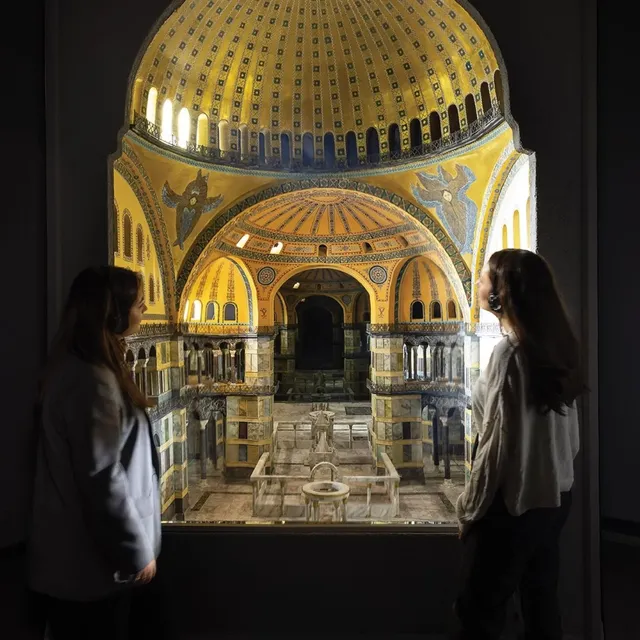
If your trip also includes time in Istanbul, many visitors combine driving plans with famous stops such as Grand Bazaar, Hagia Sophia, or a relaxing Bosphorus Cruise.
Car Rental in Turkey
Car Rental: Car rental companies are positioned in close proximity to the airport and terminal exit gates as well as in numerous city centers and holiday resorts. They can provide a suitable vehicle for a pleasant car trip. Before leaving the lot, it is wise to confirm documents, insurance details, and how toll payments are handled.
Traffic Lanes and General Driving Rules
Traffic Lanes: Turkey drives on the right-hand side of the road, as in many other countries of the world. Drivers who check the mirrors as frequently as possible will automatically improve their safety. Staying alert, following lane markings, and observing local road signs are especially helpful when driving in unfamiliar areas.
Seat Belt and Child Safety Seat Requirements
Seat Belt and Child Safety Seat: Drivers and passengers are legally required to fasten their seat belt as soon as getting into the car and to wear their belt until arriving at their destination. Likewise, children under the age of 7 are legally required to be seated in child safety seats.
Drink Driving Rules
Drink Driving: The legal alcohol limit for drivers is limited to 0.1 promilles since drink driving is prohibited in Turkey. Drivers who are convicted of driving while over the legal alcohol limit run the risk of having to pay a fine of over 700tl and will suffer the suspension of their driver’s license for six months. As rules and penalties may change, it is always best to check the official site for the latest information.
Using Mobile Phones While Driving
Mobile (Cell) Phones: Drivers are not allowed to use mobile phones while driving for their own security and that of their passengers. Using a mobile phone while driving is prohibited by law and the penalty for breaking this law is a fine of 73 TL. For updated regulations, check official sources before your trip.
Travelling Beyond Tourist Centers
Travelling to destinations away from tourist centers: Turkey is like a riddle to be solved, as it hides numerous interesting spots and towns in the interior regions, just waiting to be explored. It is advisable to make use of a GPS device and road map and to keep an eye on the road signs at all times.
For broad travel information about Turkey, you can also review resources at GoTürkiye. For general background on the country and its geography, Britannica offers a useful overview.
Tolls on Major Highways
Tolls: Some of the major highways of Turkey are toll highways that can be used in return for a small fee collected at automated HGS (fast pass system) and OGS (automatic pass system) stations located at the entrance and exit of toll highways. Tourists intending to rent a vehicle may bring up the matter and ask the car rental agency for assistance.
Emergency Call Numbers
Emergency Call: Drivers can dial the following numbers in case of an emergency situation: 154 Traffic or 156 Gendarmerie. It is a good idea to save important numbers before setting off, especially if you plan to travel through less populated areas.
Quick Tips Before You Drive
- Pick up your rental car from airport, terminal, city center, or resort locations.
- Remember that traffic moves on the right-hand side of the road.
- Wear seat belts at all times, and use a child safety seat for children under 7.
- Do not use a mobile phone while driving.
- Ask your rental agency how HGS or OGS toll payments are managed.
- Use a GPS device, a road map, and follow road signs carefully.
- Keep emergency numbers handy before heading away from tourist centers.