Blue Mosque
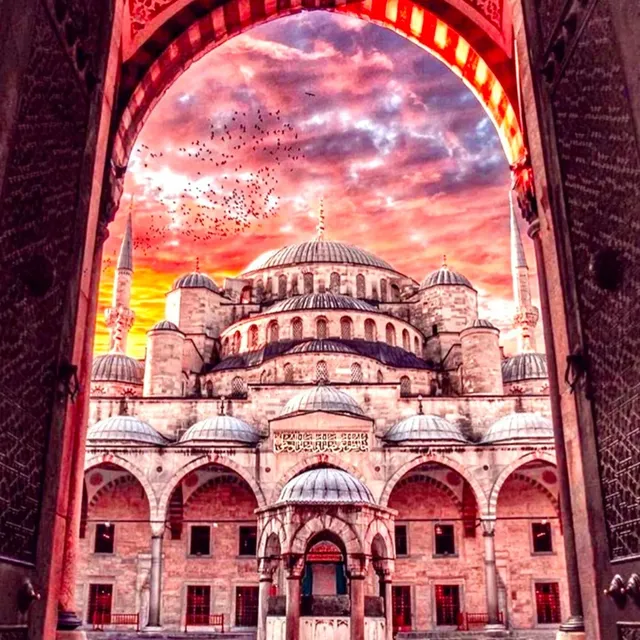
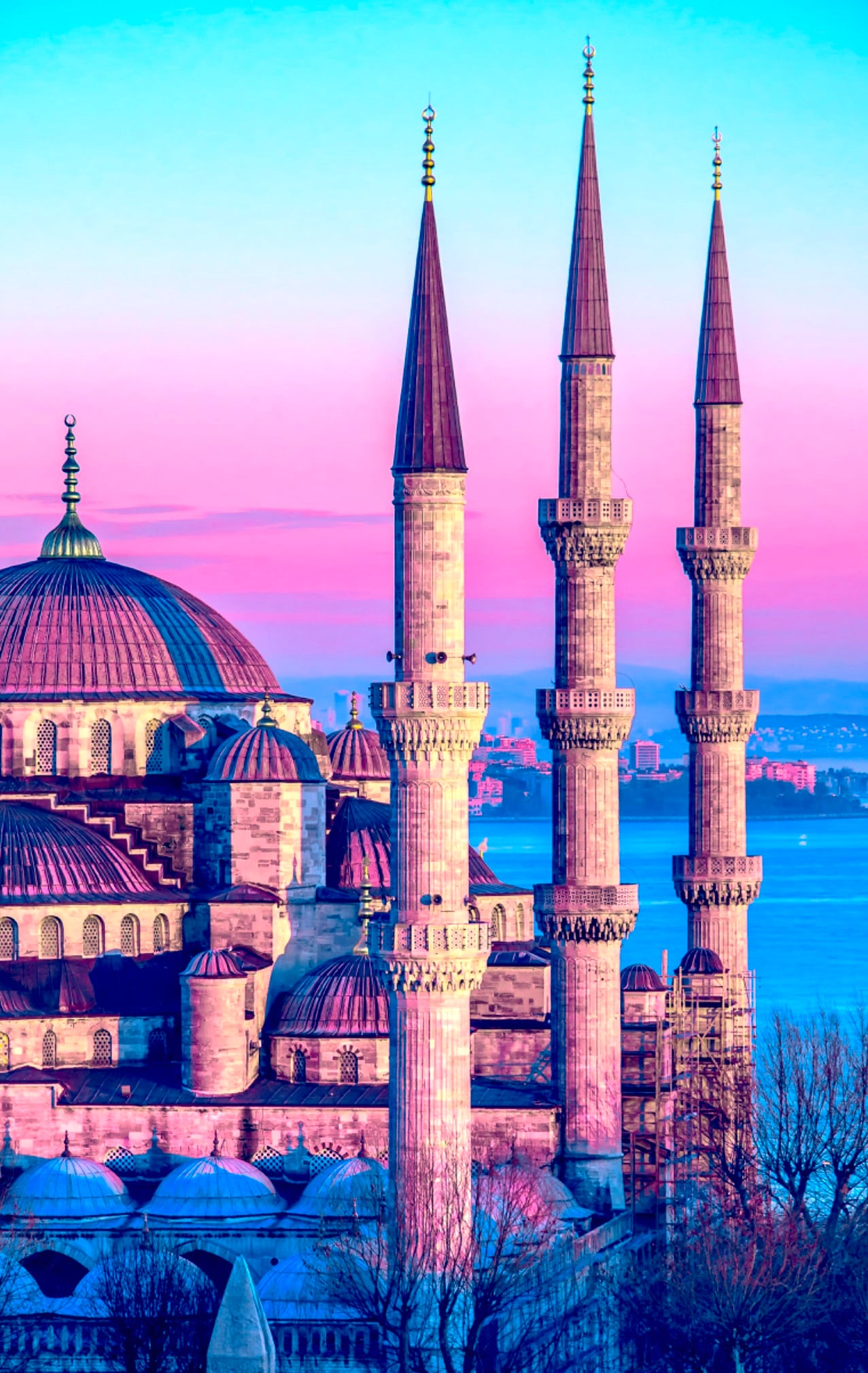
The Blue Mosque dates back to 1616 and remains one of the most important historical places in Istanbul. Its story is linked to the war of 1603-1618 against Persia, after which Sultan Ahmet I decided to build a mosque in the city. The mosque was built beside Hagia Sophia, a decision that caused anger among Muslim jurists at the time.
The mosque has five domes, six minarets, and another eight domes, and it was designed in a typical Islamic architectural style. It is open to the public to visit, and non-Muslims are expected to wear a cape out of respect for the holiness of the mosque. The Blue Mosque is located in the Sultan Ahmet district in Istanbul’s old city, near the Sultan Ahmet tram station. You can also read more about the Blue Mosque before planning your visit.
Hagia Sophia
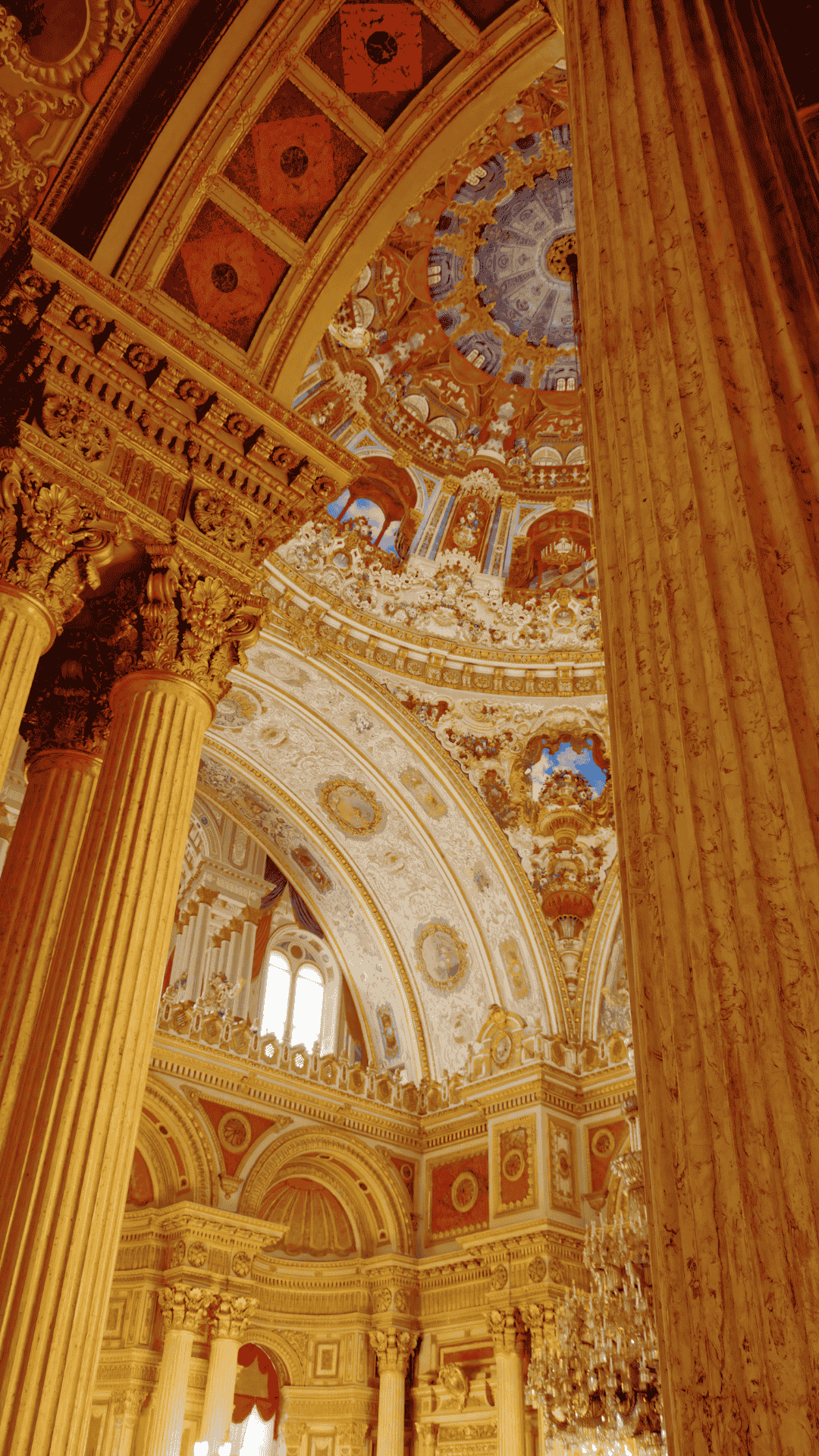
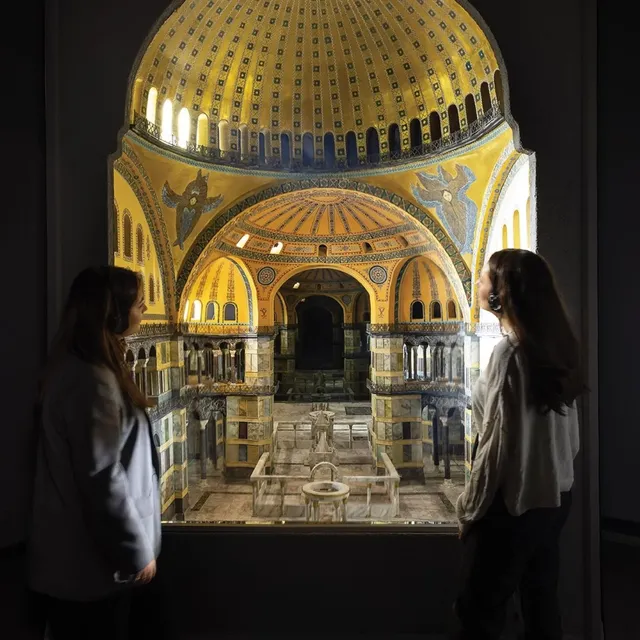
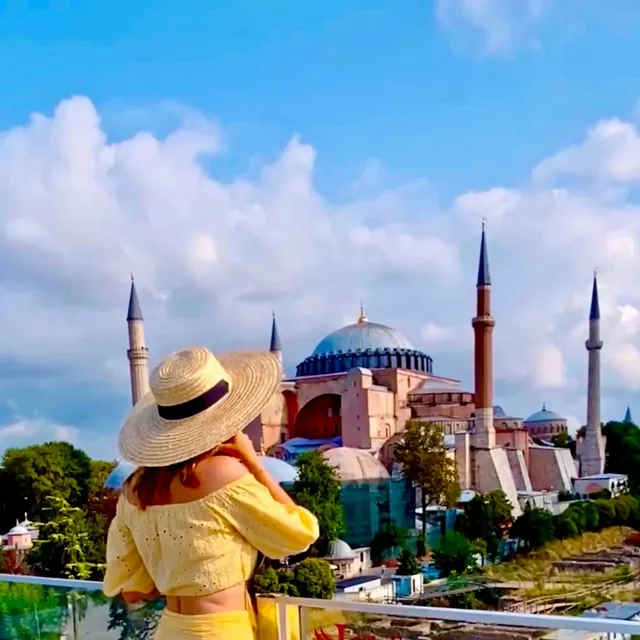
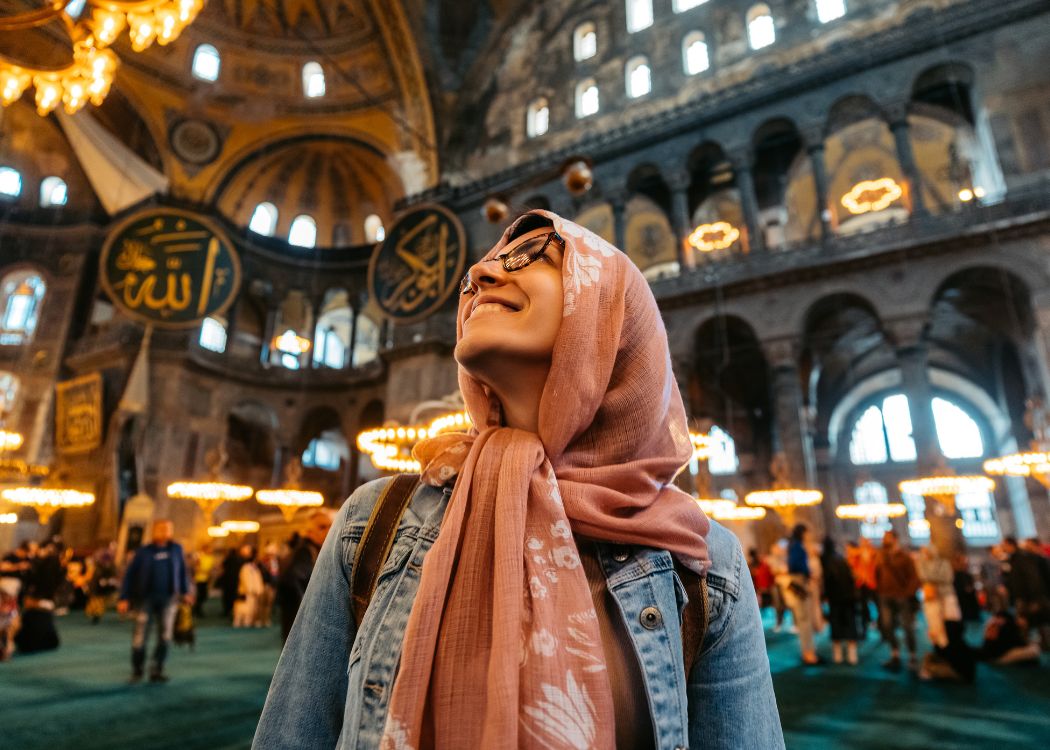
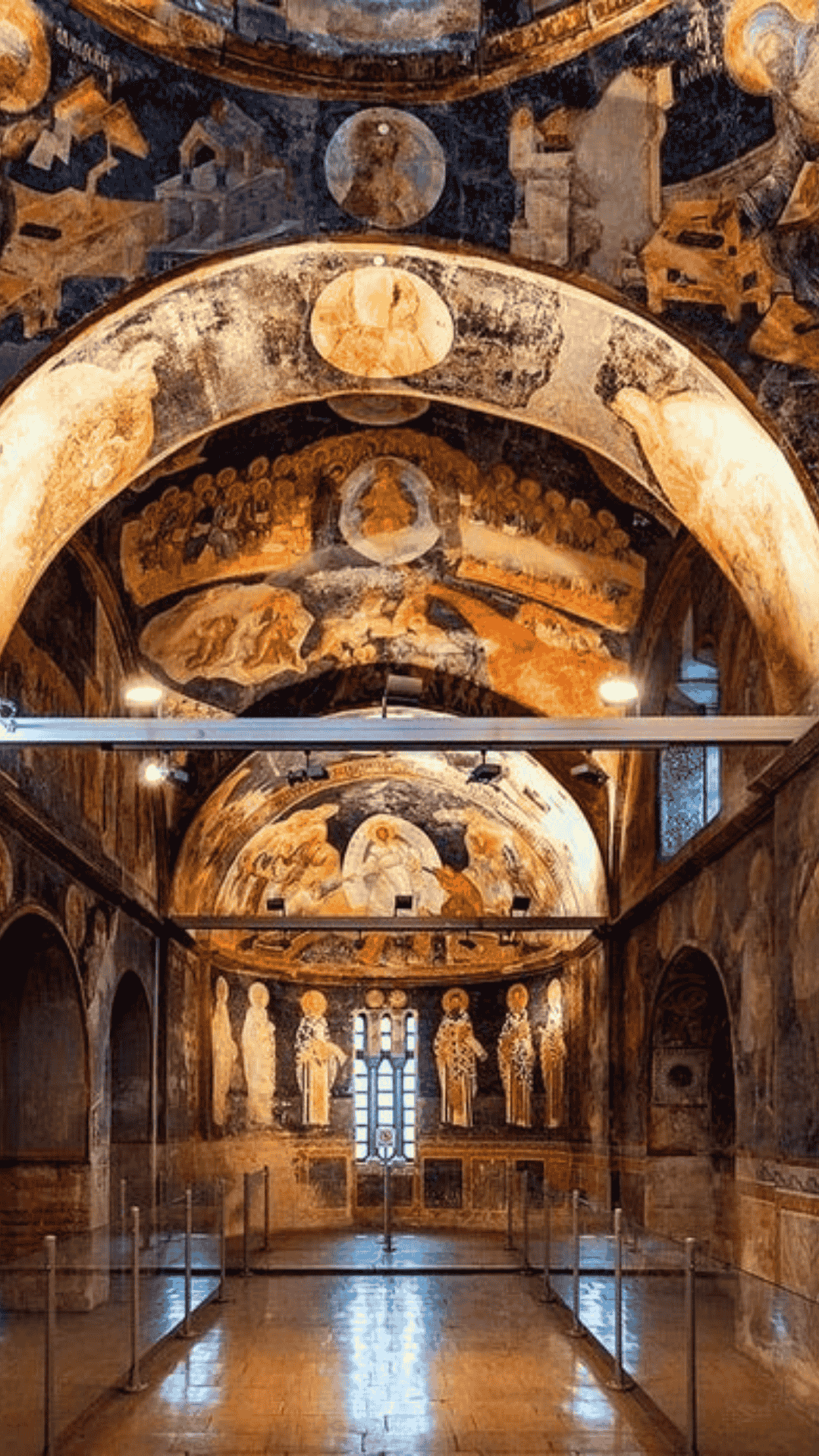
Hagia Sophia has an extraordinary history that continues to attract visitors from around the world. It was first an Eastern Orthodox cathedral from 537 until 1453. After the Ottoman conquest of Constantinople, it was converted into an Ottoman mosque, and later it became a museum. Hagia Sophia was the largest cathedral in the world for around a thousand years, until the Cathedral in Seville was completed in the 1520s.
The interior is as impressive as the exterior, and the building contains relics from both the Ottoman and Byzantine Empires. Located near the Blue Mosque in Sultan Ahmet District, Hagia Sophia stands in one of the city’s most walkable and atmospheric historic areas, close to restaurants and cafes. For historical background, UNESCO’s page on Istanbul’s heritage can also be useful: UNESCO.
Topkapi Palace
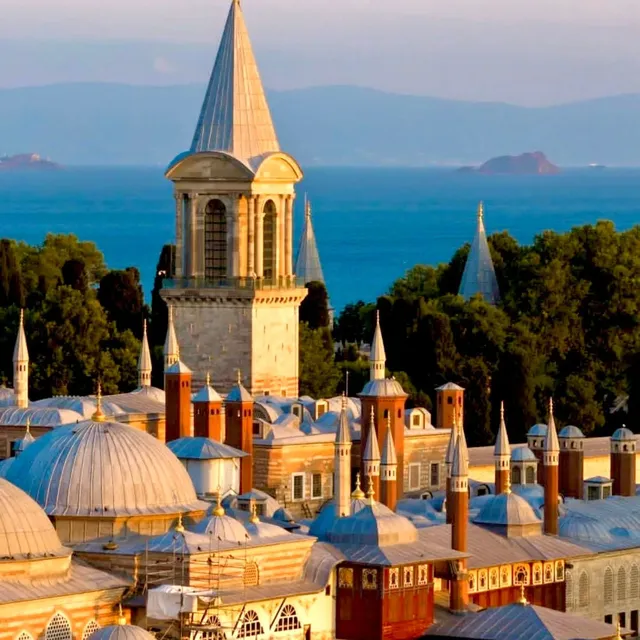
Among the most remarkable historical buildings in Istanbul, Topkapi Palace once served as both a home and a ruling center during the Ottoman era. The palace included kitchens, living rooms, bedrooms, and Harem rooms, showing how imperial life functioned on a vast scale. Over time, the palace lost some of its political importance because the sultans preferred to live in their own palaces along the Bosphorus shore.
Topkapi Palace has hundreds of rooms and chambers. In 1923, it was turned into a museum. Its courtyards are among its most striking features: the first courtyard, surrounded by high walls, is the largest and was considered a park. The Gate of Salutation leads directly to the palace and the second courtyard, and the gate is marked by two large towers.
The second courtyard was not completed until the reign of Mehmed II. It is surrounded by the bakery, Janissary headquarters, stables, and the imperial Harem. The imperial stables are located around six meters below ground level. If you want to continue exploring Ottoman imperial sites, see our guide to Topkapi Palace. For current visitor details, check the official palace authority: millisaraylar.gov.tr.
Grand Bazaar
The Grand Bazaar is one of the largest covered bazaars in the world and one of Istanbul’s most famous landmarks. Constructed during the Ottoman Empire by Mehmed the Conqueror in the 1460s after the conquest of Constantinople, it became a key center of the city’s economy and has remained a major attraction ever since.
The bazaar has several gates, including Akkeciler, Zenneciler, Beyazit, Carsikapi, Mahmutpasa, Cuhacihan, Kuyumcular, Nuruosmaniye, and Sepetcihan, each leading to different sections. Inside, visitors will find areas devoted to jewelry, clothes, antiques, Turkish delights, and food. With over 4,000 shops, the Grand Bazaar offers a memorable experience filled with color, sound, and movement.
Many merchants speak foreign languages and are open to bargaining, which adds to the excitement of visiting. If you are exploring the old city, the Grand Bazaar is one of the essential stops.
Why these landmarks matter
Istanbul has an extraordinary number of monuments dating from the Greek Empire through the Byzantine and Ottoman Empires. These buildings shaped the history of the city with their architecture, political importance, and cultural stories. Visiting them is one of the best ways to understand Istanbul beyond its skyline.
Whether you are walking through Sultanahmet, exploring palace courtyards, or getting lost among the lanes of the Grand Bazaar, these monuments offer a memorable introduction to the city. They are not only impressive structures but also living reminders of how Istanbul developed over centuries into a crossroads of empires.
FAQ about historical buildings in Istanbul
What are the most famous historical buildings in Istanbul?
The most famous historical buildings in Istanbul include the Blue Mosque, Hagia Sophia, Topkapi Palace, and the Grand Bazaar. Each represents a different side of the city’s history, from imperial religion and architecture to royal life and commercial culture.
Which area is best for seeing historic landmarks in Istanbul?
Sultanahmet is one of the best areas for seeing major historic landmarks because the Blue Mosque and Hagia Sophia are very close to each other. It is also a convenient base for reaching Topkapi Palace and other important monuments in the old city.
Is Hagia Sophia close to the Blue Mosque?
Yes, Hagia Sophia is located very near the Blue Mosque in Sultan Ahmet District. Their close proximity makes it easy for visitors to see both in one walk while exploring one of Istanbul’s most historic neighborhoods.
What can you see inside Topkapi Palace?
Topkapi Palace contains kitchens, living spaces, Harem rooms, courtyards, and other chambers that once supported the Ottoman court. Its layout helps visitors understand how the palace functioned as both a royal residence and an administrative center.
Why is the Grand Bazaar important in Istanbul’s history?
The Grand Bazaar was historically one of the city’s economic centers and remains one of Istanbul’s defining landmarks. Built in the 1460s, it reflects the commercial importance of the Ottoman capital and still offers a lively shopping experience today.