The First Scientific Investigations in the Bosphorus
A bosphorus dinner cruise is best enjoyed with some context about the waterway itself. Long before modern sightseeing boats, the Bosphorus drew attention for its unusual currents and strategic location. There are records suggesting that the Persians, who conquered Byzantium, knew about the current in the Bosphorus, and it is also claimed that the “Acheron River” mentioned in legends and myths refers to the straits and the undercurrent there.
Luigi Ferdinando Marsigli made the first scientific investigations on the Bosphorus. Marsigli, who stayed in Istanbul for 11 months, is considered the first scientist to measure the strength of the undercurrent in the Bosphorus. In his experiments in 1680, he used white-painted mushrooms dipped deep with lead-weighted rope and showed that they were drifting north. He also took measurements of water depth and flow velocity.
Features of the Bosphorus
The Bosphorus is defined as a 29.9 km long, narrow, and highly curved waterway connecting the Black Sea and the Sea of Marmara, generally extending in a northeast-southwest direction. The width of the strait decreases to 698 meters at the point where the two sides come closest to each other. Its widest point is 3600 meters.
The strait is described as Late Devonian (355 million years ago) deformed sandstone carved into schist rocks. The sediments in the Bosphorus are not older than 7500 years, which refers to a process that started 7500 years ago.
The Bosphorus presents a channel structure that also progresses on the continental shelf of the Black Sea on the sea floor. The curves on the iso-depth map clearly show this. In the Bosphorus, there are many shallows, a ridge, a depression, and two thresholds, one at each entrance from the Marmara and Black Sea sides. These thresholds are 50 meters deep and act like a natural dam separating the Bosphorus valley from the Marmara and Black Seas. The ridge is 25-30 meters high, then splits into two branches and disappears completely.
Since the different water bodies of the Mediterranean and the Black Sea can be located in the same place at the same time but at different depths in the Bosphorus, the salinity values are also variable. The salinity of the Black Sea is half that of normal sea water. For this reason, the salinity in the Bosphorus, where it is usually 17%, increases as you go deeper from the surface and rises up to 35%.
Currents in the Strait
Although the average depth in the Bosphorus is 60 meters, as you go from south to north, the depth increases and reaches 110 meters. There are a total of 12 sharp folds in the strait, whose angles can sometimes reach 45-800 degrees. There seems to be a parallelism between the two sides of the strait, with a projection on one side and an indentation on the other. However, the many bays and headlands are not evenly distributed.
There are many different current systems in the Bosphorus, such as eddies and turbulences. The narrowest and deepest parts of the strait are where the current velocity is strongest. Discharge in the strait can be thought of as two separate rivers flowing in one bed but in different directions. The water flowing from the surface is Black Sea water, while the deep-flowing water is Mediterranean. Upper and lower currents are very different from each other in terms of temperature, salinity, and density. There is also a turbulent interlayer between these currents. While this turbulent interlayer is 10 meters thick in the Sea of Marmara, it is only 2 meters at the Black Sea entrance. In addition, the indented and protruding shores of the Bosphorus can also cause countercurrents in the surface current. In such cases, the upper and lower currents mix together to form eddies.
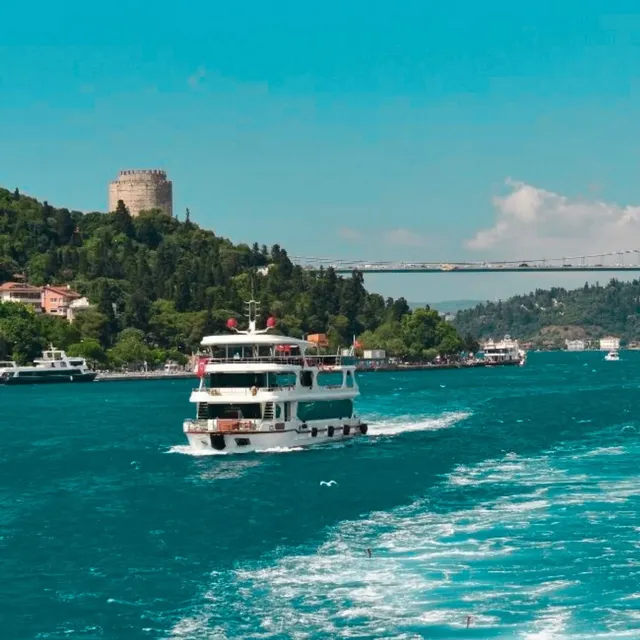
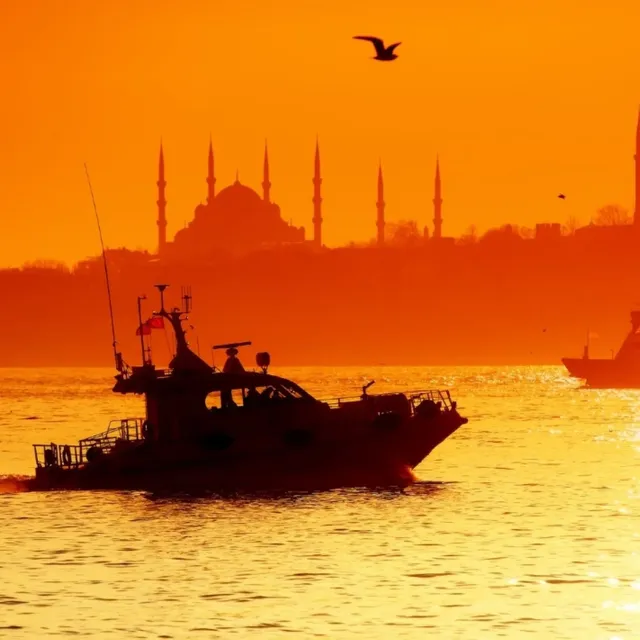
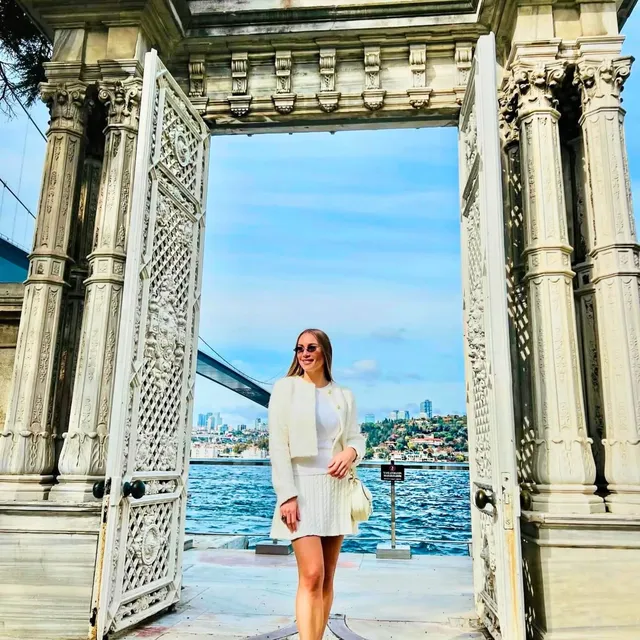
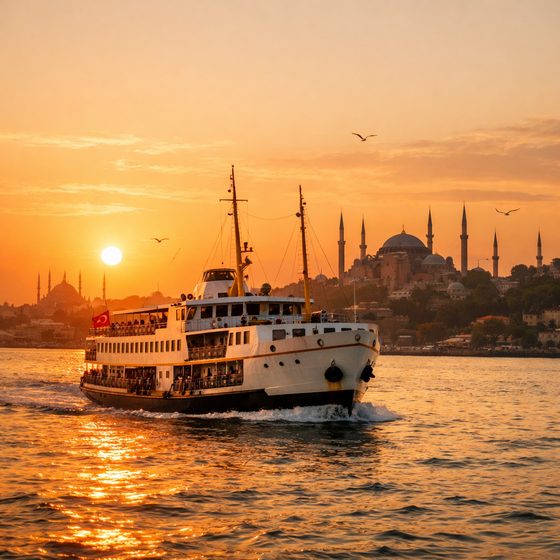
If you want to explore the waterway in a more general way before choosing an evening program, see our guide to a Bosphorus Cruise. Along the route, you may also spot landmarks such as Dolmabahce Palace and the shoreline around Ortakoy Mosque.
Bosphorus Dinner Cruise Experience
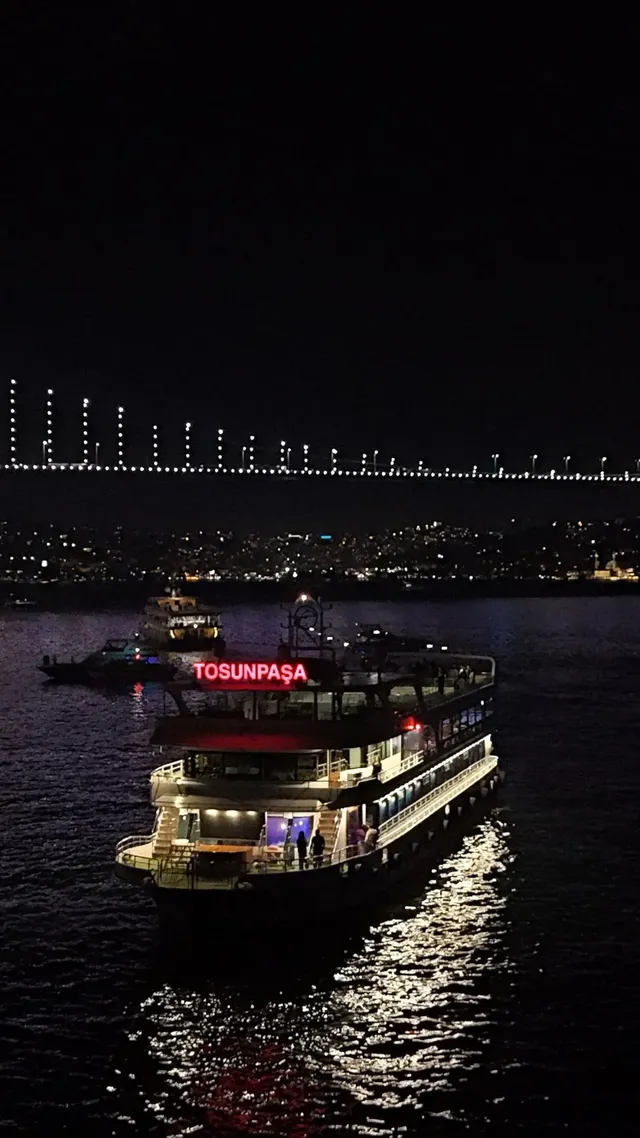
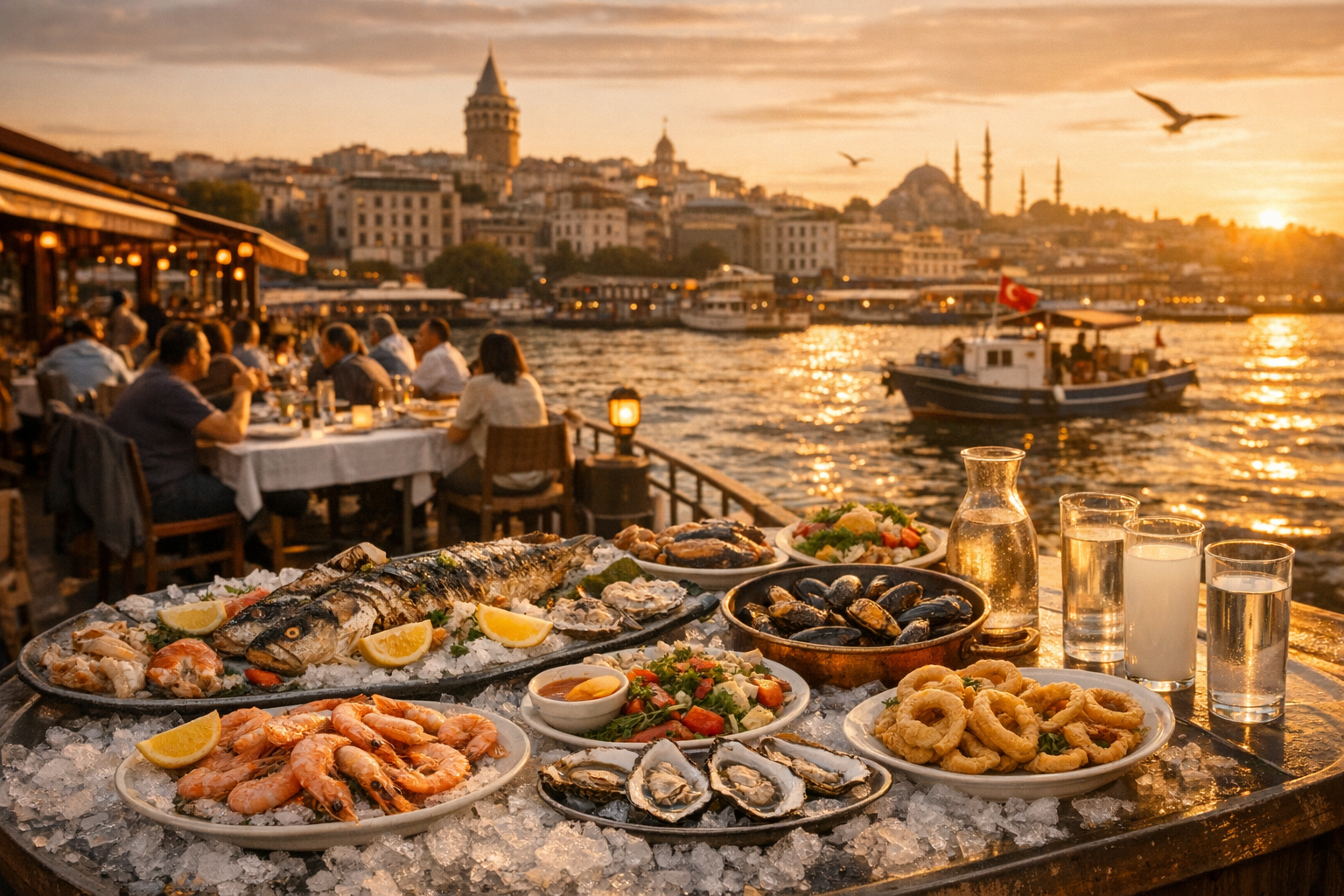
Whether you are a local or an international visitor, choosing a bosphorus dinner cruise means more than enjoying a beautiful view. A delicious authentic Turkish dinner is just the beginning of the evening. The program typically combines dining with performances that highlight different aspects of Turkish culture.
During the cruise, guests may watch Gypsy and Caucasian dances as well as belly dance performances, which are among the best-known live entertainment shows associated with Turkish nights. Other traditional elements such as a henna ceremony and Turkish folk dance are also included in the program. The evening usually continues with a live DJ performance, adding a lively atmosphere to the relaxing setting of the Bosphorus.
For background on the Bosphorus itself, you can also review the general overview on Wikipedia. If you want to compare sea transportation options in Istanbul, official city ferry information is available at Şehir Hatları.
Some travel products and city passes may include discounts or package options for dinner cruises. As offers can change over time, it is best to check the official site of the provider for current availability and terms.
Why People Choose a Bosphorus Dinner Cruise
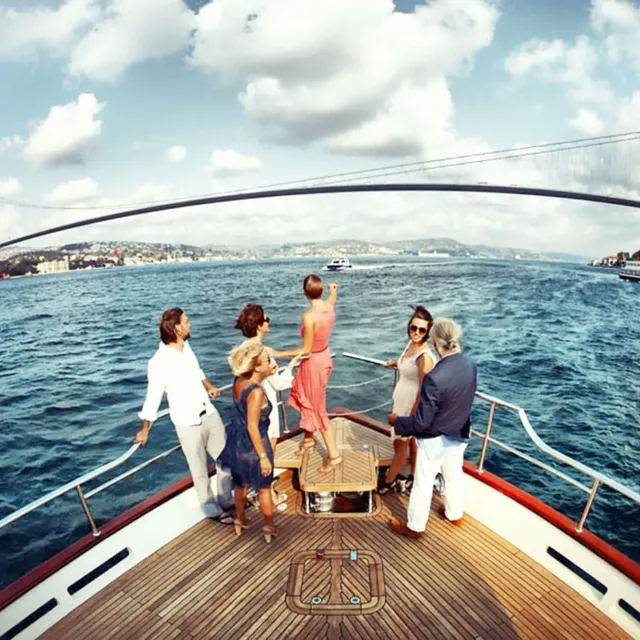
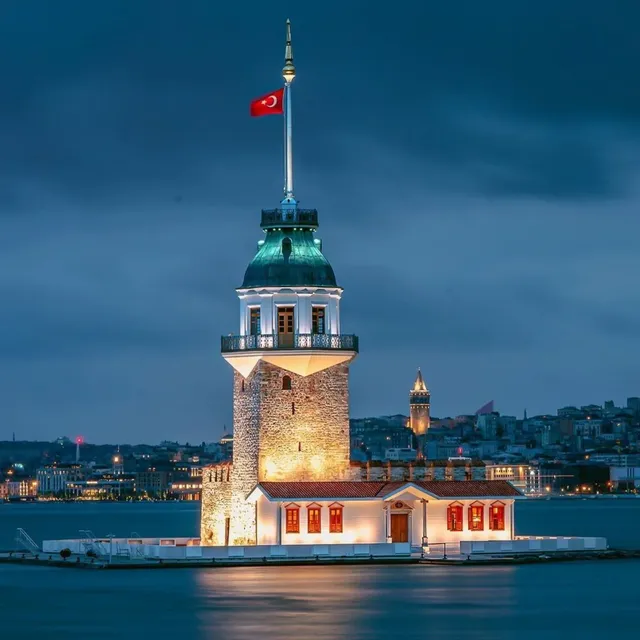
The appeal of a bosphorus dinner cruise comes from combining Istanbul’s geography, evening skyline, and cultural entertainment in one outing. Instead of seeing the Bosphorus only from the shore, visitors experience the strait directly while passing between two continents. The constantly changing waterfront, historic silhouettes, and movement of the water make the experience memorable even for travelers who have already explored the city’s major landmarks.
For many visitors, it is also an easy way to add a special evening to an Istanbul itinerary after a day spent visiting places such as the old city or the Bosphorus shore. The combination of dinner, views, and performances makes it suitable for first-time visitors, couples, and anyone looking for a relaxed night activity.