Regional attractions in Istanbul worth seeing
Spice Bazaar
A trip to Istanbul would not feel complete without a stop at the Spice Bazaar, a landmark known for its colorful, fragrant, and lively atmosphere. This historic market is one of the city’s most visited places, and part of its appeal is the sensory experience: stalls are filled with spices, teas, sweets, and other food items that make browsing especially enjoyable.
The covered market was built in 1664 as part of the New Mosque complex. It is known in Turkish as the Egyptian Bazaar, often written as Mısır Çarşısı and sometimes translated as “Egyptian Bazaar.” If you enjoy cooking or shopping for edible souvenirs, this is one of the most appealing stops in the city. For nearby market culture, you can also explore the Grand Bazaar.
Topkapı Palace
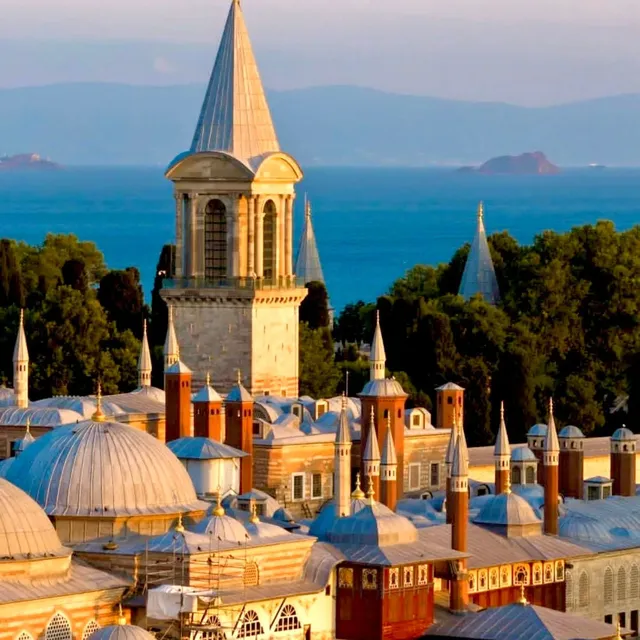
The magnificent Topkapi Palace, built after the conquest of Istanbul by Fatih Sultan Mehmet in the 15th century, stands in a commanding position near the Bosphorus. It served as the place where Ottoman sultans lived and ruled, and it remains one of the city’s essential imperial landmarks.
Topkapi fascinates visitors with its special design and splendor. Courtyards, handmade tiles, richly decorated rooms, crenelated walls, and towers all contribute to its distinctive character. The palace also offers a dazzling display of Islamic calligraphy. For anyone wanting a closer look at the grandeur of the Ottoman world, Topkapi Palace is a must-visit stop.
Basilica Cistern
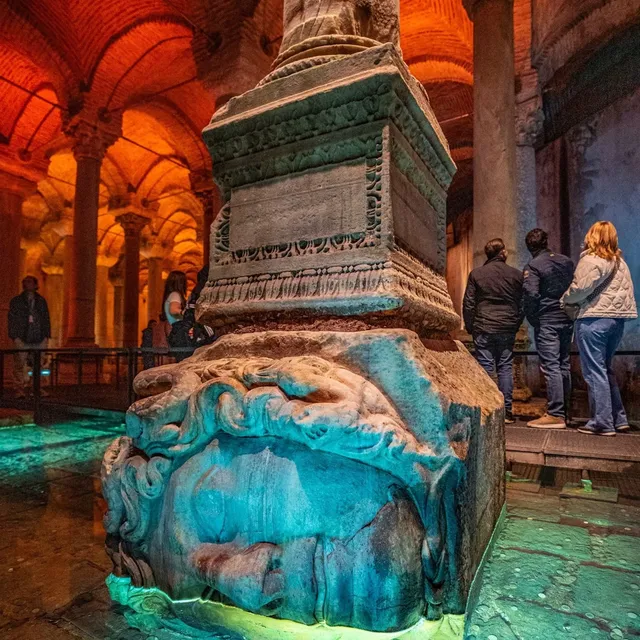
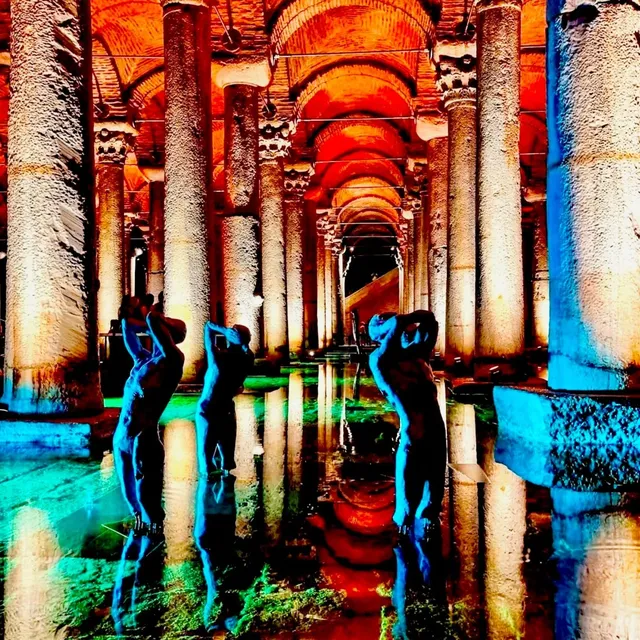
The Basilica Cistern is one of Istanbul’s most unusual and atmospheric attractions. Supported by 336 columns arranged in 12 rows, this vast underground structure once met the water needs of the Byzantine emperors. Its palace-like appearance makes it far more than a functional engineering work.
The cistern’s most striking details are the carved column bases made from classical stones. The best known are the famous Medusa heads in the northwest corner, which give the site an almost mythical quality. Located just a short walk from the Blue Mosque area, the underground cistern was built on the site of a basilica dating to the third century.
Hagia Sophia
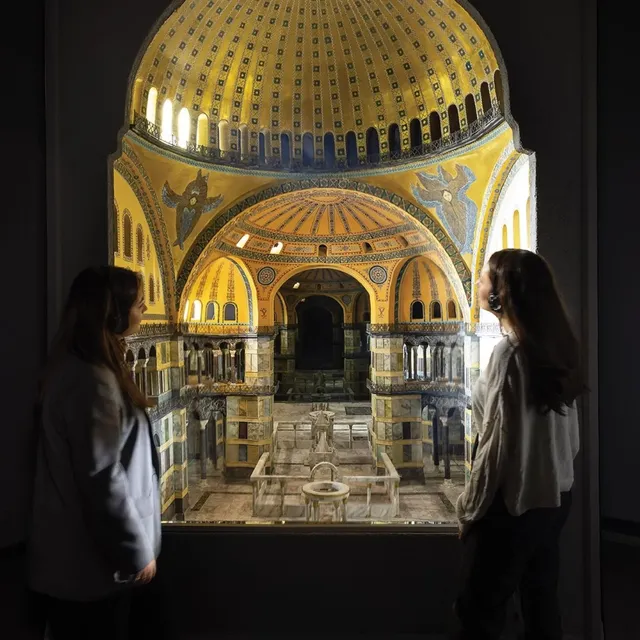
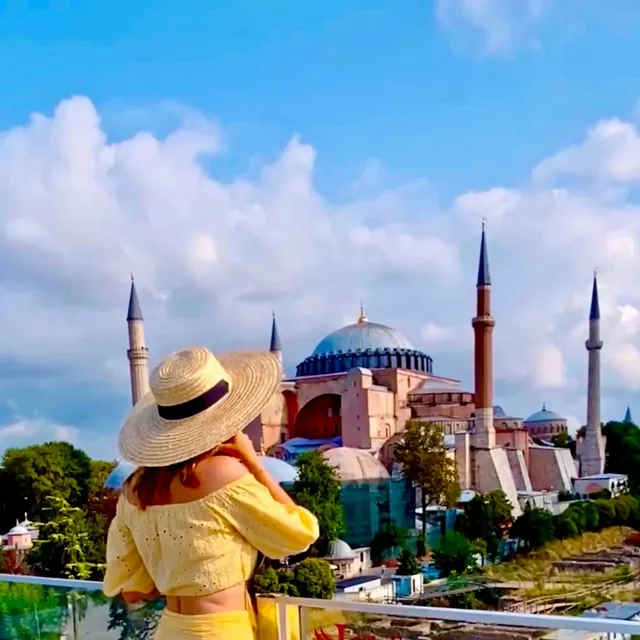
Hagia Sophia is a masterpiece of Roman engineering, with a huge dome that covered the world’s largest enclosed area for more than a century. Its name comes from the Greek phrase for Sacred Wisdom, referring to Jesus Christ, the second person of the Trinity.
Built between 532 and 537 at the request of the Byzantine Emperor Justinian, Hagia Sophia served as a Roman Catholic cathedral and then as an Eastern Orthodox cathedral until 1453, apart from about 60 years in the 1200s. Today, it serves as the Hagia Sophia Mosque in Istanbul. For broader historical background, UNESCO provides context on the city’s heritage at unesco.org.
Dolmabahce Palace
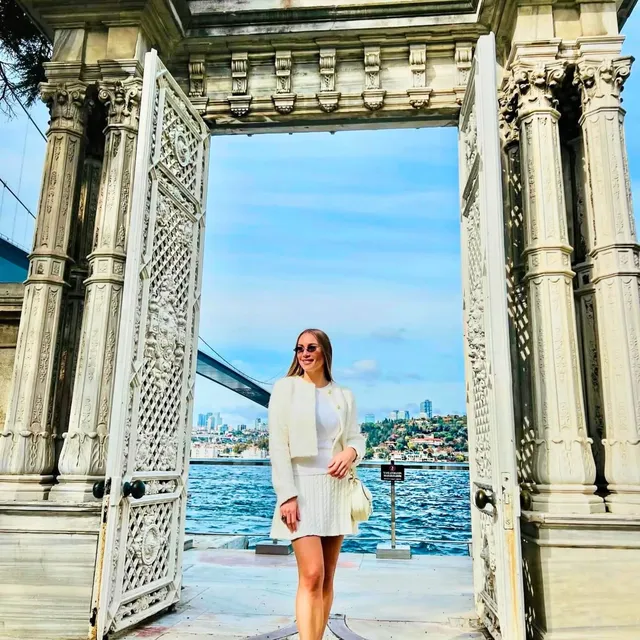
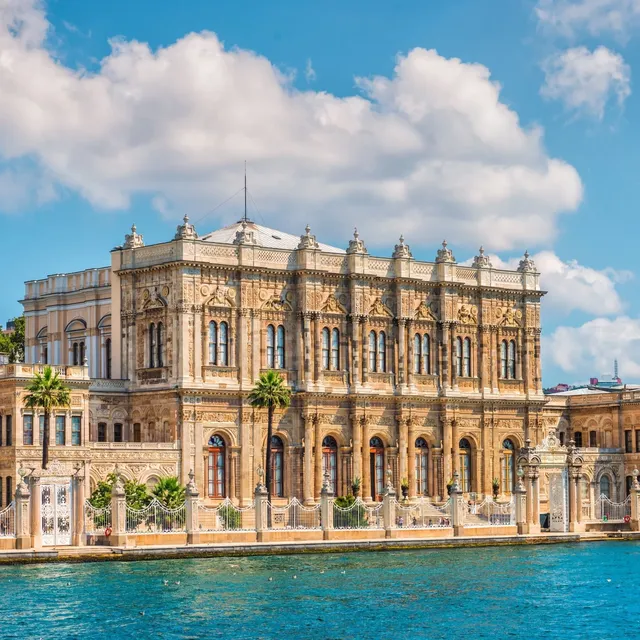
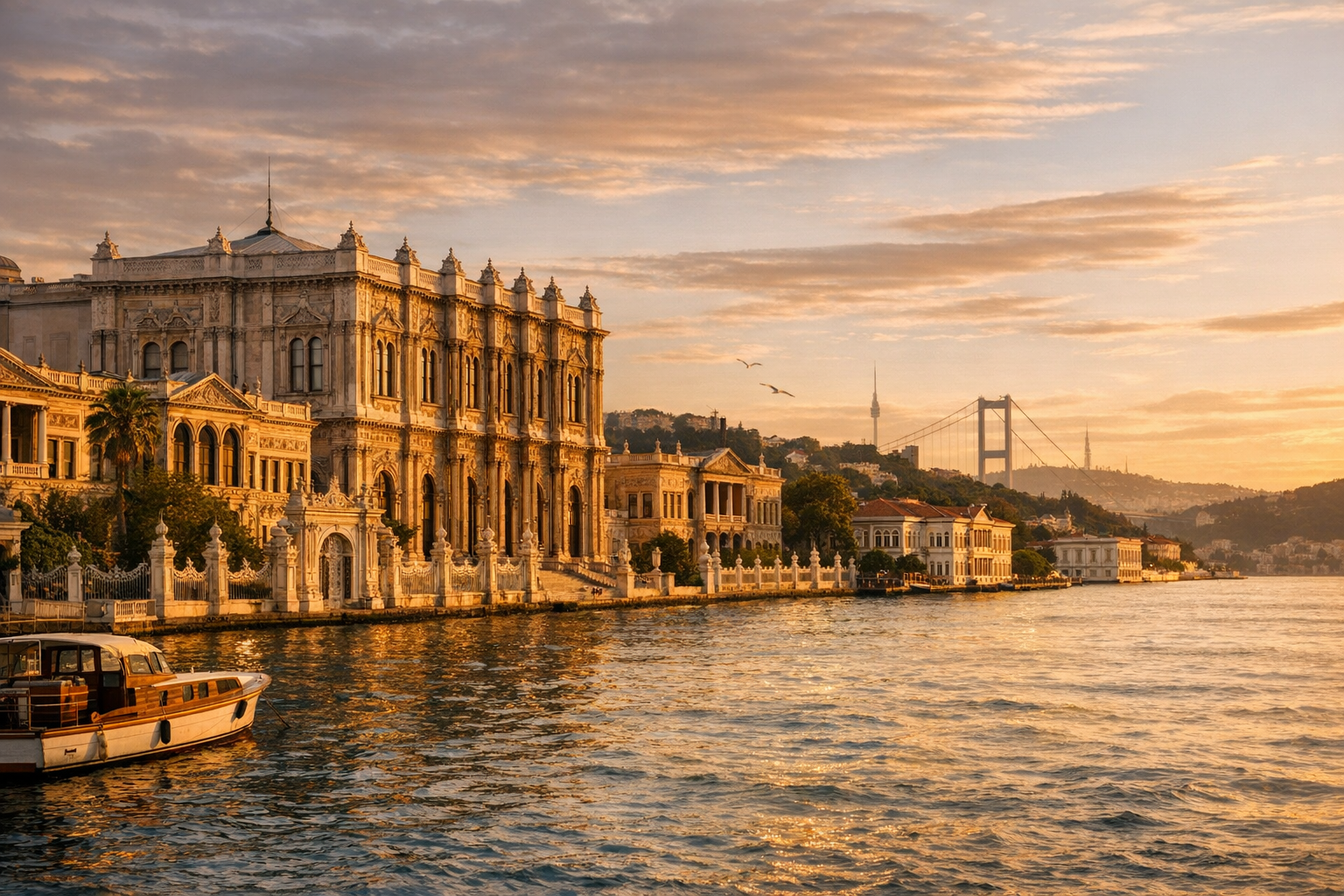
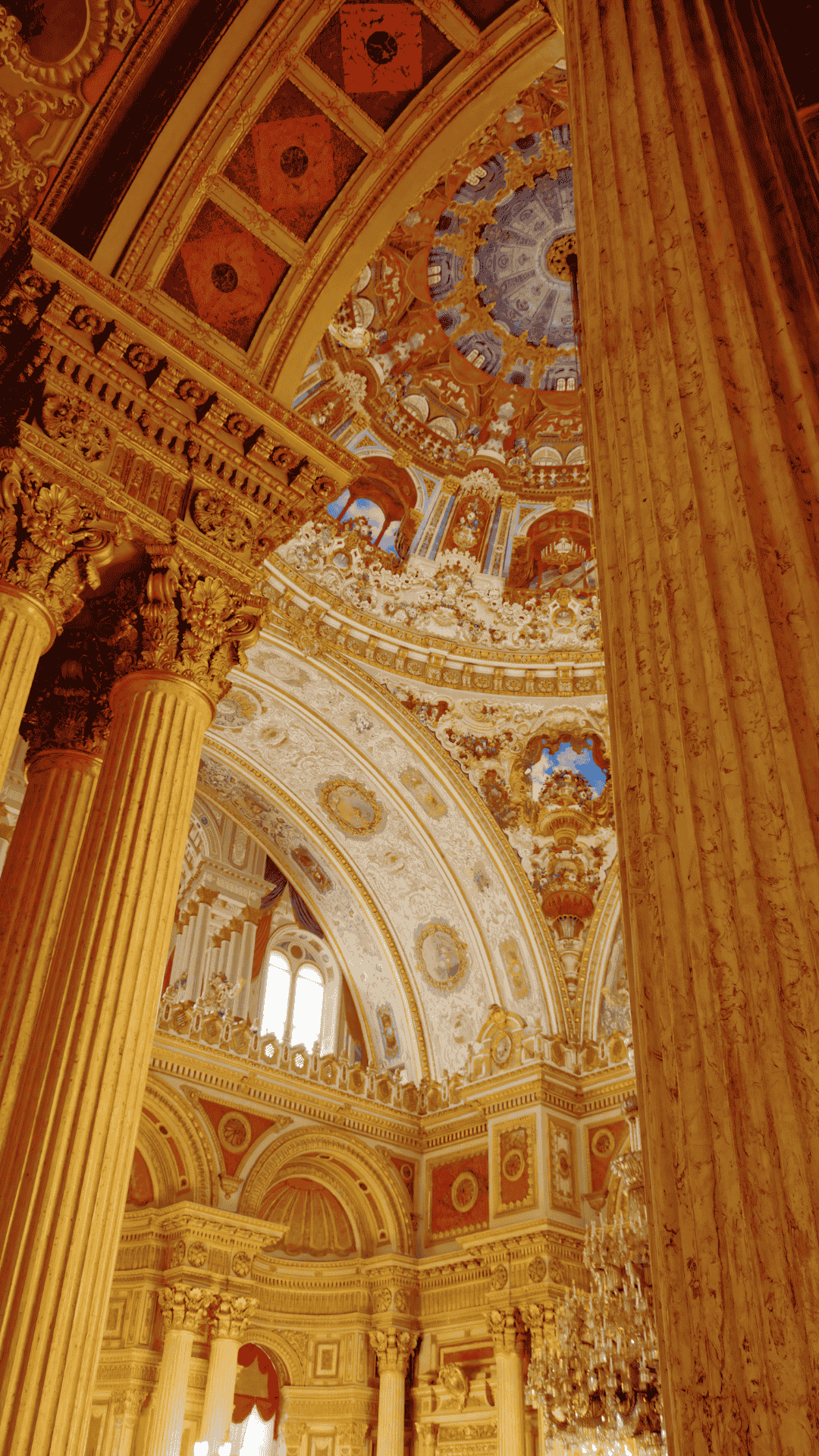
Dolmabahce Palace is one of Turkey’s most glamorous palaces, blending traditional Ottoman architecture with European Neoclassical, Baroque, and Rococo styles. Often compared with the Palace of Versailles for its luxurious appearance, it was built in the 19th century and is noted for the use of 14 tons of gold leaf.
Dolmabahce Palace was used as the residence of six sultans from 1856 to 1924. It is also known for housing the world’s largest Bohemian crystal chandelier, described as a gift from Queen Victoria. Its setting is equally striking, stretching along the Bosphorus coastline. For current visitor information, check the official palace authority at millisaraylar.gov.tr.
Why these regional attractions stand out
These places represent different layers of Istanbul’s identity. The Spice Bazaar captures the city’s trading spirit, Topkapi Palace reflects Ottoman power, the Basilica Cistern reveals Byzantine engineering, Hagia Sophia embodies religious and architectural transformation, and Dolmabahce Palace shows the imperial taste of a later era. Together, they make a strong starting list for visitors who want more than a single neighborhood experience.
If you are planning your route, it makes sense to combine nearby landmarks on the same day and leave time for slower exploration. Some of these sights are in the historic peninsula, while others are better visited as separate outings. As always, check official sources before visiting for the latest visitor rules and access details.