A Brief History of Galatasaray SK Stadium
Galatasaray SK Stadium has a long and turbulent story that reflects the club’s wider history. Among Istanbul’s main three clubs, Galatasaray struggled the most to secure a permanent home in the middle of the twentieth century. Fenerbahçe erected the Fenerbahce Stadium after Taksim Stadium was destroyed in 1940, while Beşiktaş relocated to Şeref Stadium before building BJK İnönü Stadium a few years later.
In 1933, Ali Haydar Barşal, the president of Galatasaray at the time, and the government agreed to share a small plot of land outside Mecidiyeköy. Construction began in 1936, but despite financial support from Adnan Menderes, then president of the Turkish Sports Organization, work had to be suspended because of budgetary constraints.
Under Tevfik Ali Çınar’s presidency, the same land was leased to Galatasaray once more in 1940. But with the Second World War underway and the same financial issues continuing, progress again stalled. To address the problem quickly, Osman Dardağan constructed a modest stadium with a small tribune in Mecidiyeköy. It was named Ali Sami Yen Stadium in honor of the club’s founder. Even so, the ground remained unused for a long period because of its remote location and poor weather conditions in the area.
After Beşiktaş completed İnönü Stadium in 1947, Galatasaray halted work in Mecidiyeköy and played there for a short while. Following more financial troubles, the Physical Education General Directorate took over development of the Mecidiyeköy stadium. When construction was completed in 1961, the Directorate gave Galatasaray full access to the venue.
The opening day, December 20, 1964, was also marked by misfortune. One of the tribunes collapsed because of overcrowding, killing one person and injuring 84 others. Galatasaray later abandoned the Mecidiyeköy Stadium again in 1972 and played at İnönü Stadium until 1981, after Beşiktaş resumed using it.
The stadium reopened in 1981, and in 1993 new seats were installed while the lighting system was upgraded. In 1997, Galatasaray publicly announced plans to replace Ali Sami Yen Stadium with a new venue. The club pushed the project in 1998 but could not secure the necessary approvals from the mayor and the state. A second attempt followed in 2001 with a revised, more economical strategy, but the 2001 financial crisis prevented the club from obtaining the required funding.
From around 1990 onward, Ali Sami Yen Stadium also became famous for its intimidating atmosphere and earned the nickname “Galatasaray Stadium of Hell.” Galatasaray supporters were known for producing intense noise and lighting hundreds of flares during matches, creating a fierce environment. “Welcome to Hell” signs were displayed to increase pressure on visiting teams. A well-known “Welcome to Ali Sami Yen Hell” poster in the center section of the covered tribune was eventually removed after a UEFA warning in 2000. According to Setanta Sports, Ali Sami Yen was ranked the fourth-best stadium in the world for atmosphere.
Eventually, similar financial and urban planning issues led to a deal between Galatasaray and the government. Since Mecidiyeköy had become part of the city center, the state proposed Seyrantepe as an alternative site for the club’s future stadium, partly out of concern over possible traffic bottlenecks. Galatasaray then concentrated fully on the new Seyrantepe project, soon renamed Aslantepe.
Construction began in 2007 and was completed in 2011. The new home was first named Turk Telekom Arena and was later renamed Galatasaray Football Stadium. For broader context on the club and venue naming history, you can also check Wikipedia’s Ali Sami Yen Sports Complex entry.
Galatasaray SK Stadium Today
Today’s stadium, also referred to in this text as Rams Global Stadium, reportedly cost about $200 million. It has a capacity of 52,650 spectators and includes a 4-story tribune system, 176 seats for disabled visitors and their companions, 33 buffets, 198 suites, 6,231 VIP seats, 6 Galatasaray stores, 2,900 VIP parking spaces, and a 350-seat restaurant.
It is described as the first and only stadium in Turkey that satisfies the 2016 UEFA standards. After Atatürk Olympic Stadium, it is also presented as the second-largest stadium in the country.
Visiting Rams Global Stadium
If you want to watch a football match in Turkey, a Passolig card is required. So, if you plan to buy Galatasaray match tickets, you must first obtain one. Once you have the card, buying online can save time.
For the Galatasaray Stadium tour, there are three ticket options: online, at the stadium ticket booths, or through a guide. The tour includes the museum, the movie, and the stadium visit. According to the available information, the museum is open from 10 AM to 5 PM on all days except Mondays, days of indoor athletic competition, and the first days of religious holidays. Visitors aged 0 to 6 are admitted free of charge, while adults pay an entrance fee of 200 Turkish Liras. As ticketing rules and prices can change, it is wise to check the official club channels before your visit.
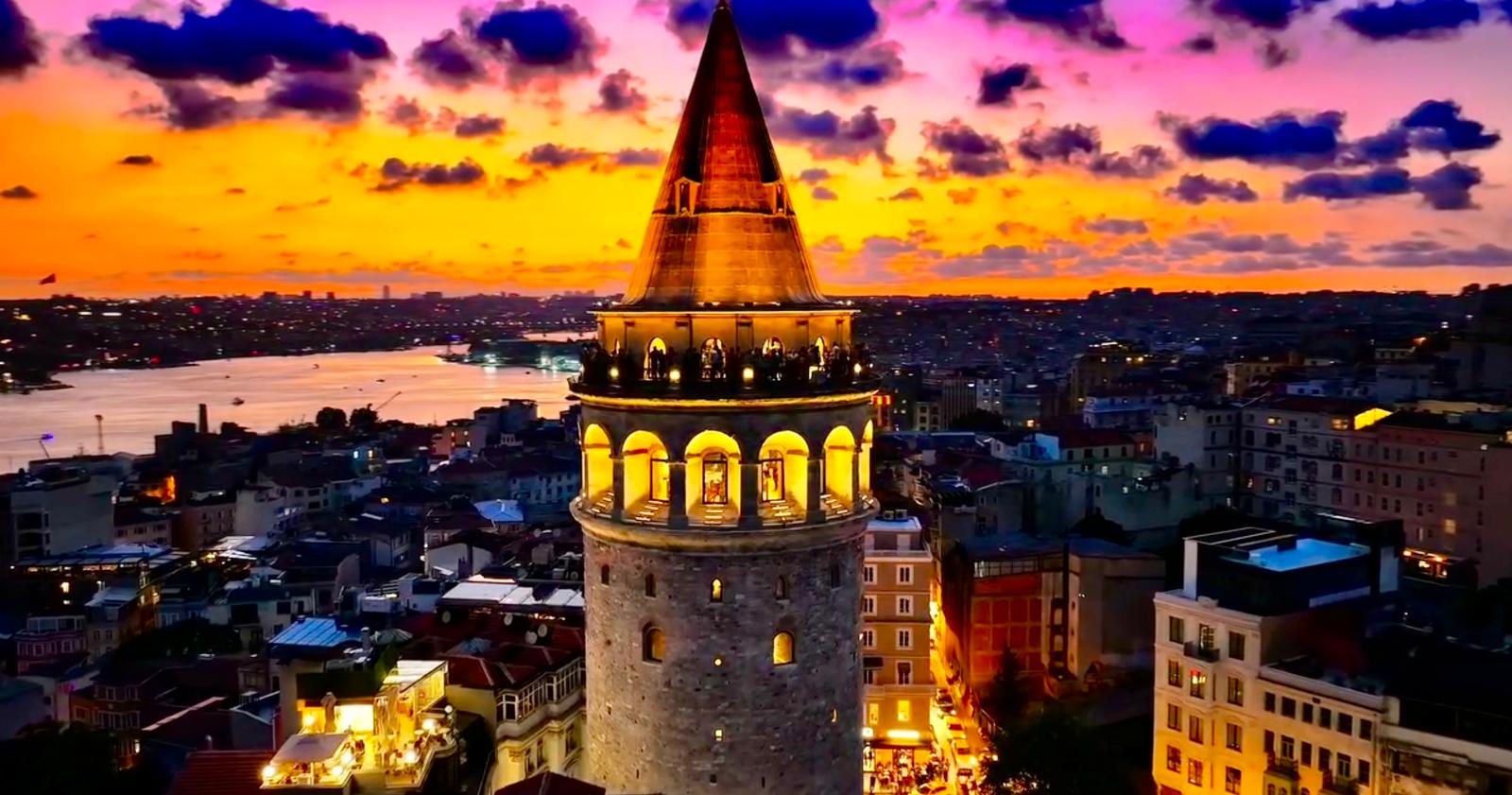
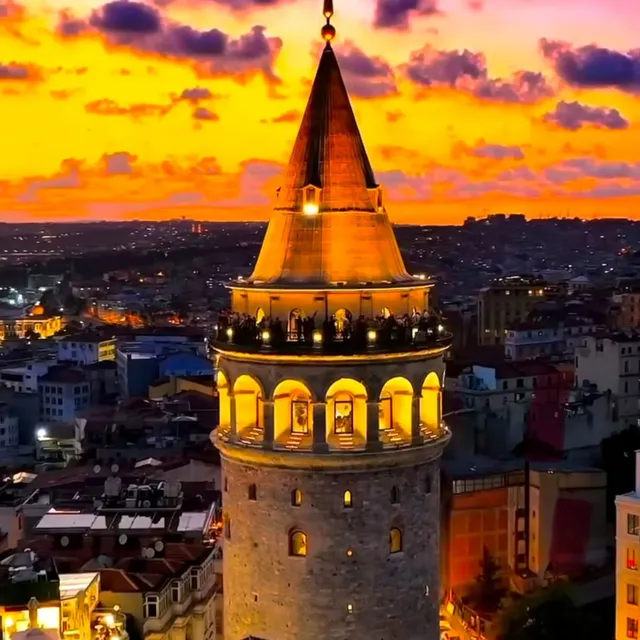
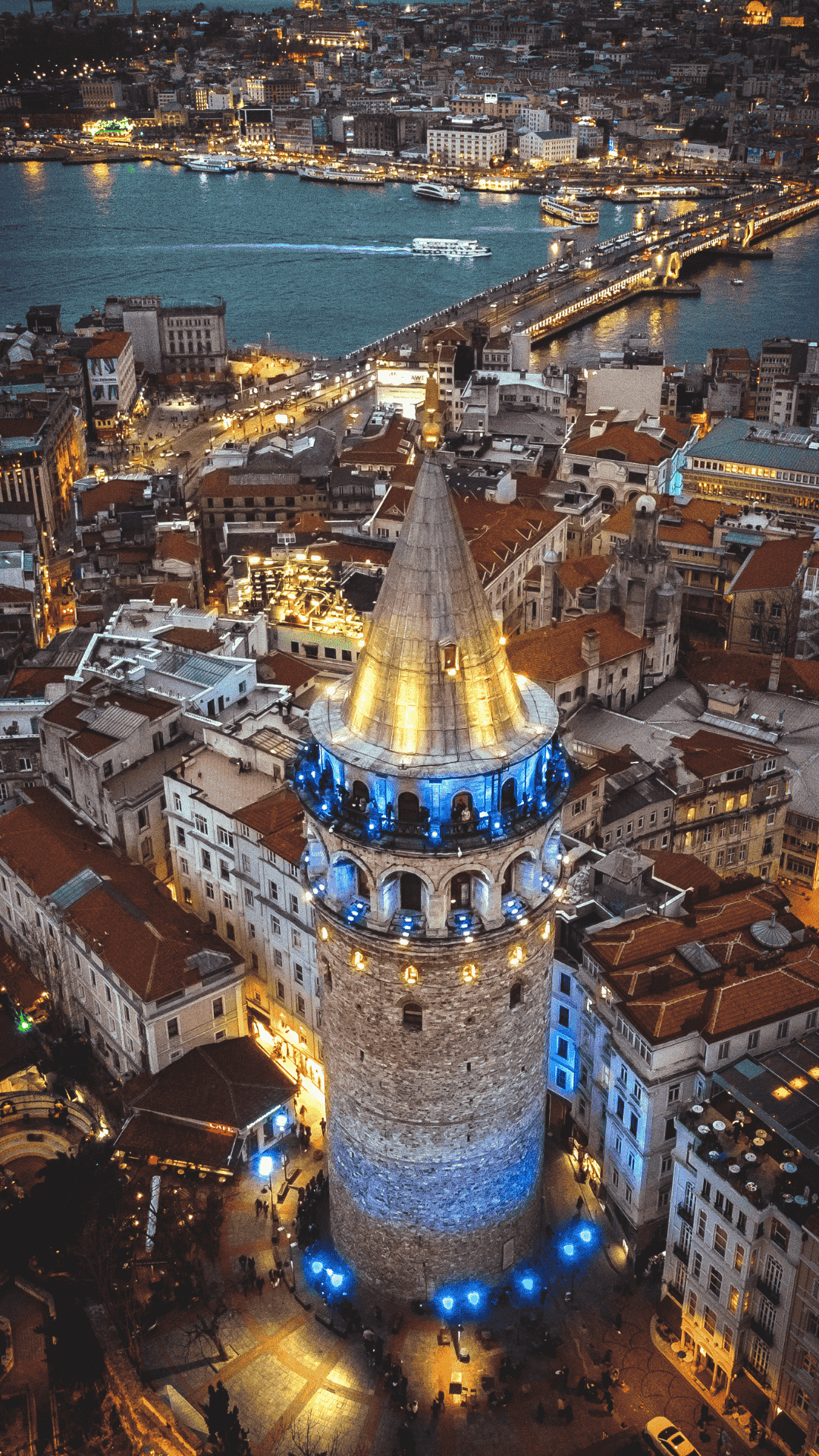
To plan transport across the city before or after a match, the official Metro Istanbul website can be helpful. If you are combining your stadium visit with sightseeing, nearby central areas such as Taksim Square and landmarks like Galata Tower are popular additions to an Istanbul itinerary.
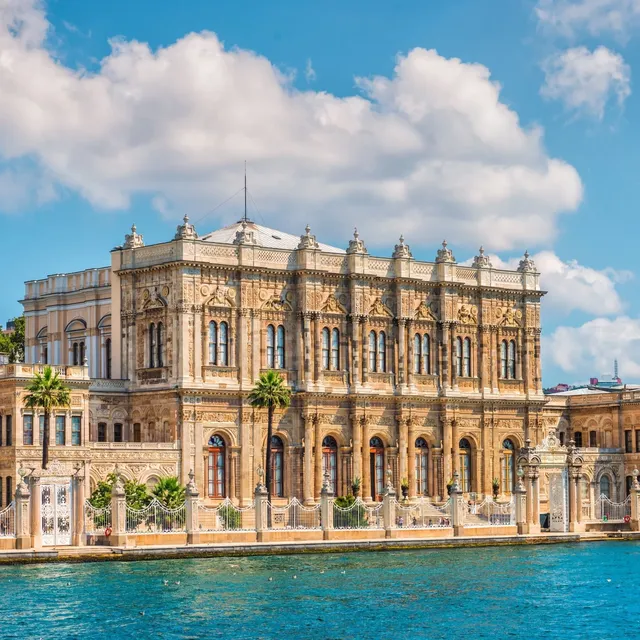
Sports travelers often pair a matchday or stadium tour with classic city experiences. If you have extra time, you can also balance the modern football atmosphere with a scenic Bosphorus Cruise or a visit to historic icons such as Dolmabahce Palace.
Why the Stadium Matters
Galatasaray’s stadium story is not only about architecture or capacity. It is also about decades of interrupted construction, financial difficulties, relocation, and one of the most intense match atmospheres in European football. From the difficult Mecidiyeköy years to the modern Seyrantepe era, the venue remains deeply tied to the club’s identity.
For visitors, that makes the experience more meaningful. Even if you are not attending a match, the stadium tour and museum offer a useful introduction to Galatasaray’s place in Istanbul sports culture.