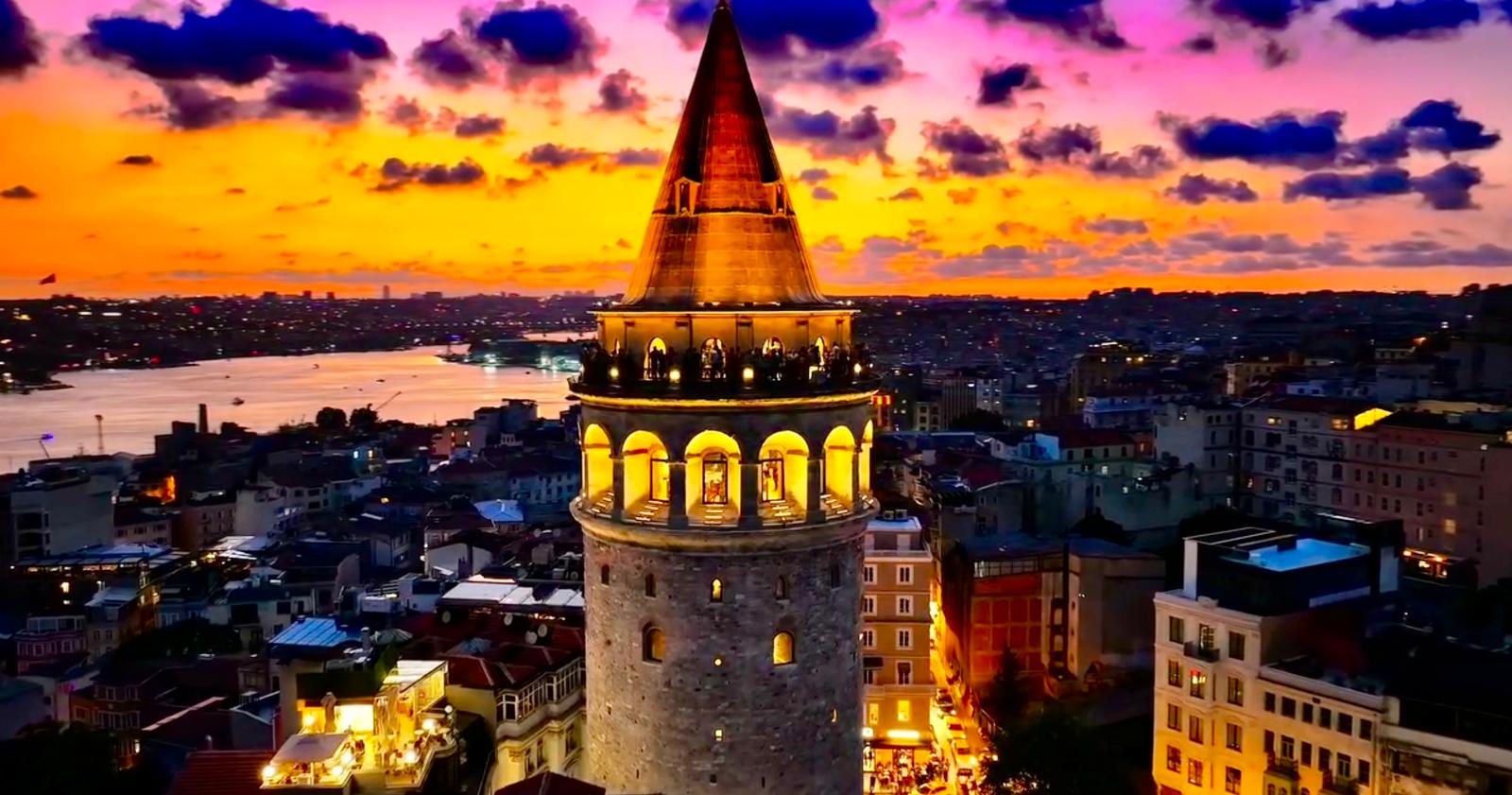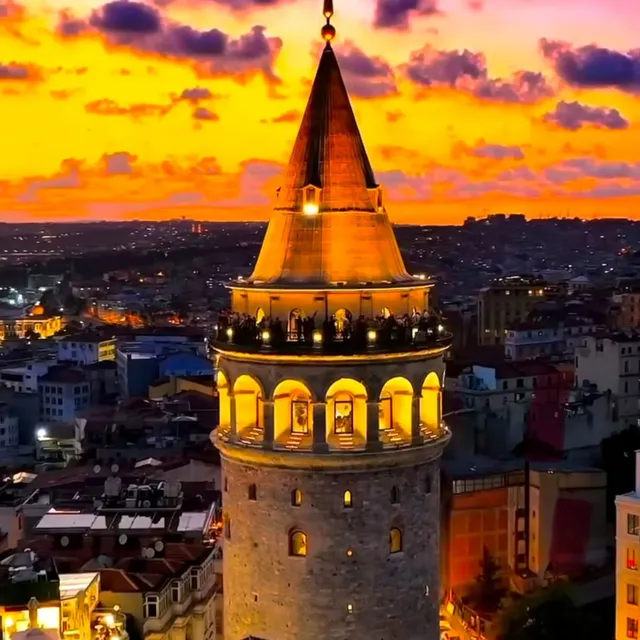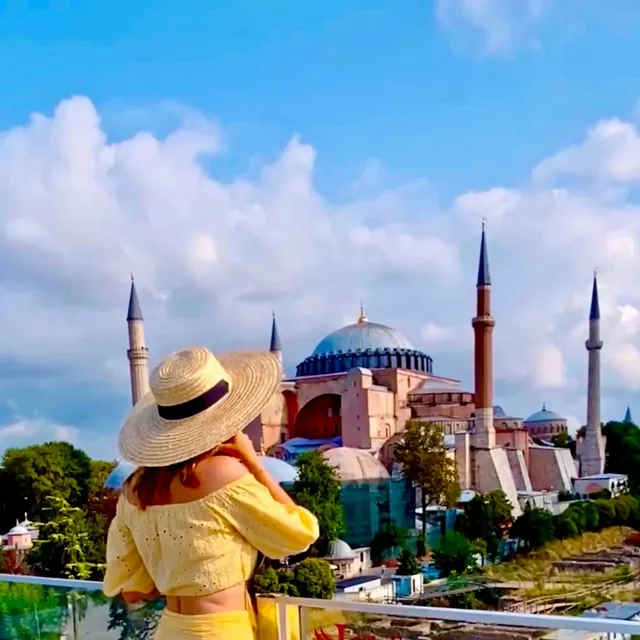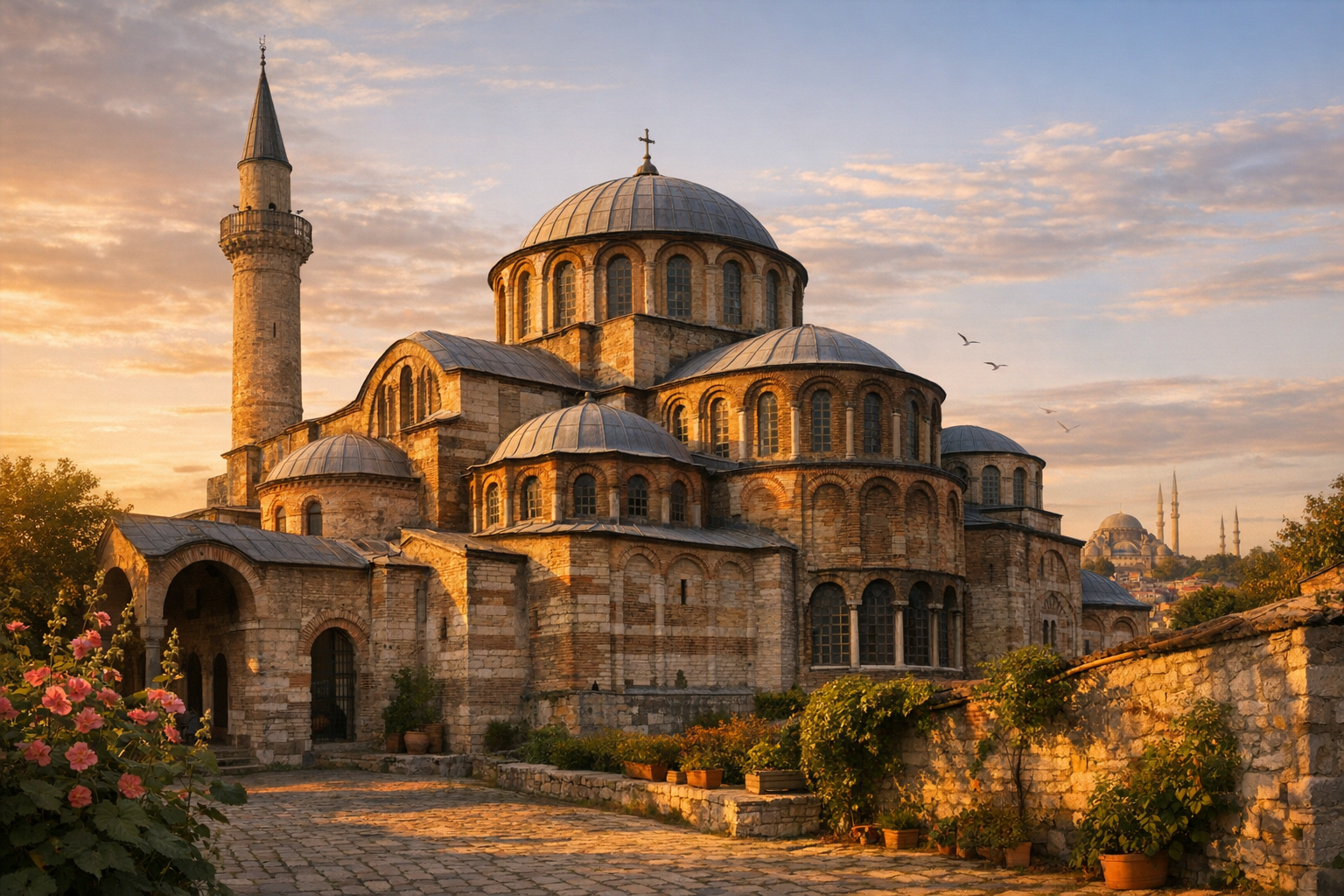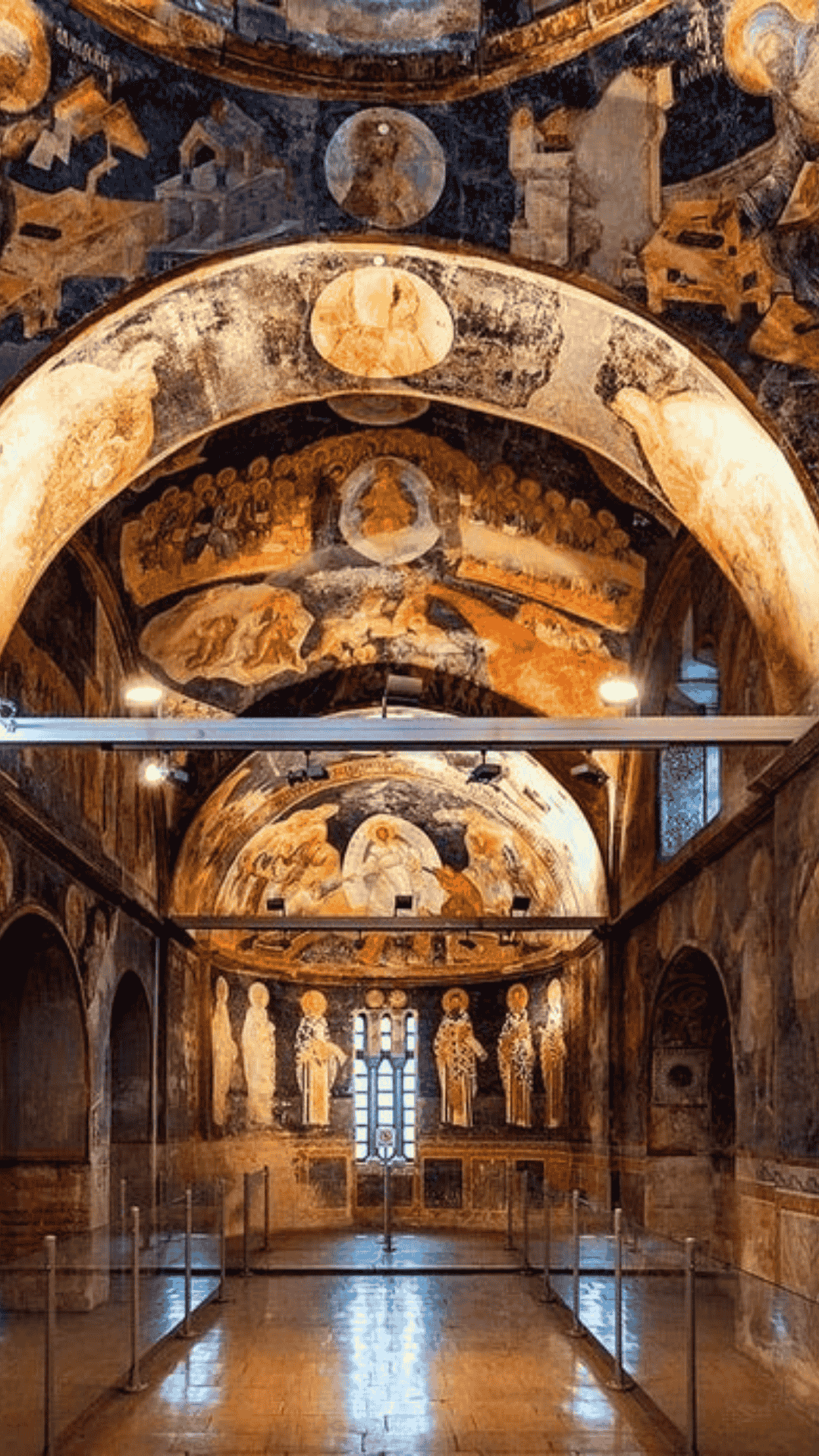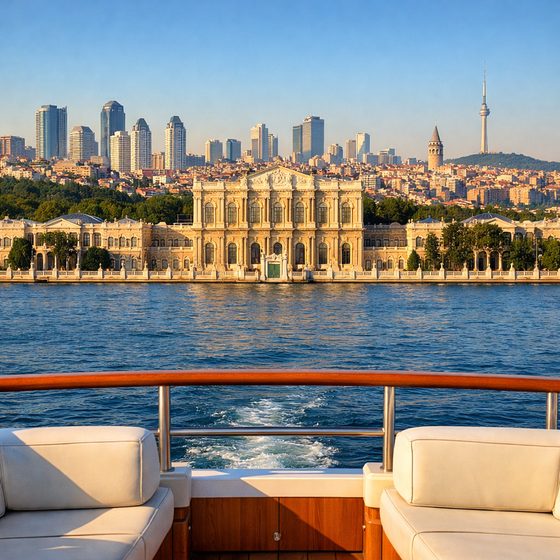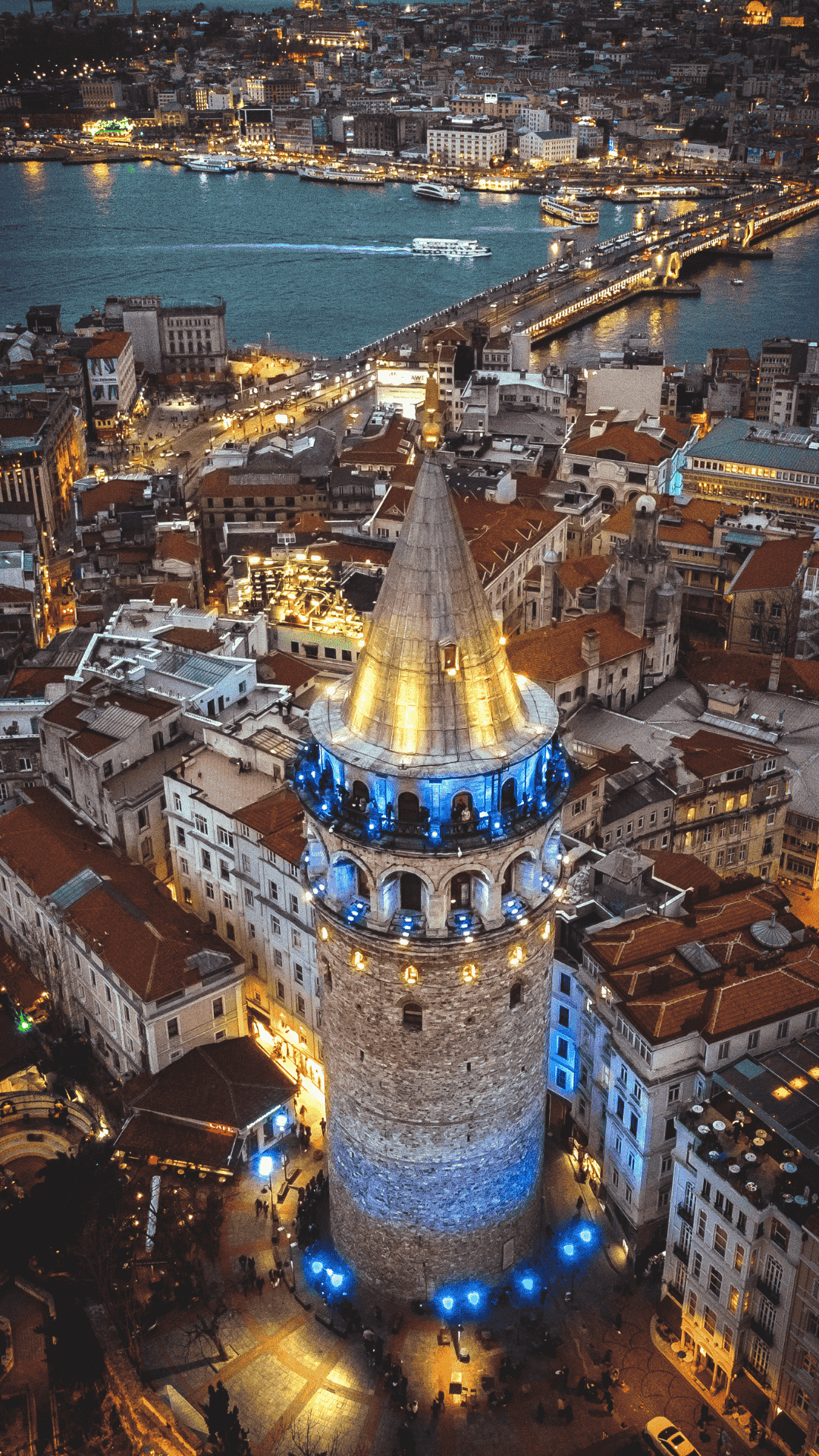
From the terrace you frame the Historical Peninsula, the Bosphorus, and long sunset light across the Golden Horn.
A Brief Look at Galata Tower History
The story begins in the medieval era. Built by the Genoese community that once held this district, the stone cylinder served as a watchtower, landmark, and symbol of the northern shore. Fires and earthquakes damaged the upper structures in later centuries, and each restoration added new materials and details. Today the tower works as a museum with a viewing terrace and exhibitions that explain galata tower history in a calm and compact way.
Layers you can still feel: masonry that bears siege marks, wooden elements that reflect period repairs, and an outlook that once guided ships. This gentle summary of the history helps the interior make more sense when you step inside. For a broader city timeline, you can compare the tower’s story with Istanbul’s larger historical setting on Britannica.
The tower’s place in the skyline is part of its power. Even before you enter, you can read it as a monument to Galata’s trading past and to the long relationship between the waterfront below and the neighborhoods climbing uphill behind it. That mix of utility and symbolism is one reason the building still feels so vivid.
Galata Tower Legends
Stories make stones feel alive. Through the years, travelers and locals have shared short tales that give the tower a warm place in memory. Guides on site often weave a legend into their explanations, and you will hear versions that link love, distance, and reunion with the hill and the skyline.
An Istanbul Legend: The Love Story of Galata Tower
One tender thread is the galata tower love story. In popular telling, two hearts promise to climb together. If they keep the promise and reach the top hand in hand, their bond will last. This is why you may hear about the tower’s meaning for couples when you stand beneath the dome. Even if you travel solo, the view carries a feeling of meeting point and hope that suits the legend well.
These tales are part of the site’s appeal. They are not a replacement for the historical record, but they do explain why so many visitors remember the tower emotionally as well as visually. A place can be important because of its architecture, and also because of the stories people choose to keep telling.
How to Arrive at the Galata Tower
Keep the approach simple. The hill is steep in parts, but the routes are short. The tower stands between Karaköy on the waterfront and Şişhane on the ridge. Walking up from Karaköy puts small cafés and vintage shops on your path. Coming from Şişhane keeps the climb lighter as you descend toward the entrance.
Public transport choices: from Eminönü or Karaköy, walk ten to fifteen minutes uphill. From the T1 tram at Karaköy or the M2 metro at Şişhane, follow brown pedestrian signs toward the square. If you prefer a softer start, ride the short funicular from Karaköy and stroll the last blocks at an easy pace. For current metro information, check Metro Istanbul before you go.
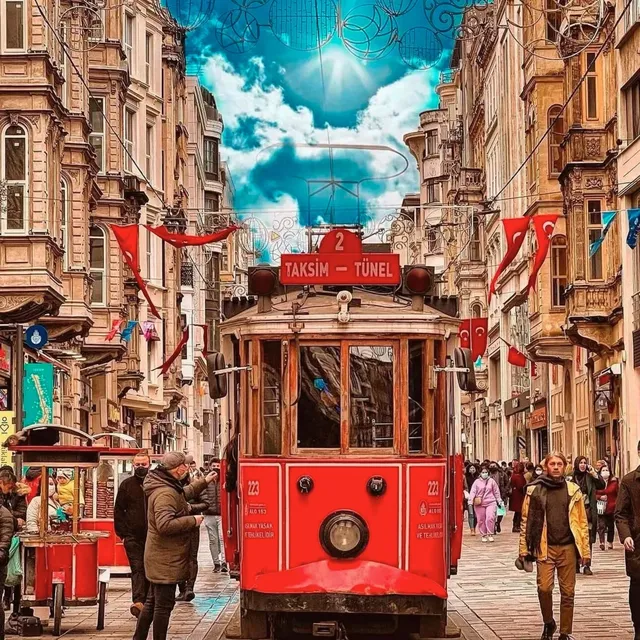
If you want to shape a half-day around the visit, the tower combines naturally with a walk through Karaköy, Beyoğlu side streets, or onward city stops such as Taksim Square. The route feels especially pleasant if you enjoy neighborhoods as much as monuments.
Visiting Information for Galata Tower History and Views
Tickets and timing shape your experience. Lines can form in the middle of the day. If you can, arrive near opening or later in the afternoon before the sunset rush. Check the current opening hours on the official site before you go, since seasonal adjustments can occur. Purchase tickets at the official desk or through approved channels. When comparing ticket options, look for the current foreign visitor fee and whether the timed-entry window suits your plan.
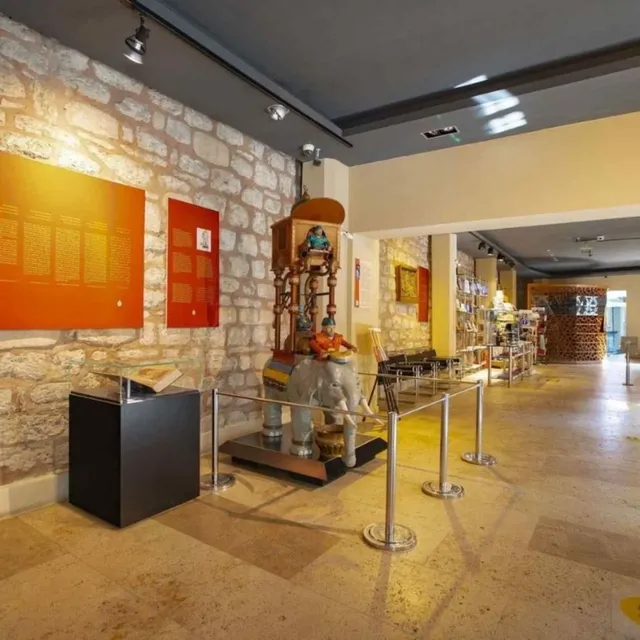
Inside the museum: exhibits explain galata tower history in concise panels. The circular plan leads you upward to the terrace for photos and wide city views. On breezy days, hold phones and hats securely. For the best light on the Historical Peninsula, try late afternoon on clear days or blue hour after sunset.
The visit itself is compact, which is part of the appeal. You do not need to set aside a full day. In about an hour you can move through the museum spaces, take in the view, and still have time left for coffee or a neighborhood walk. That makes the tower especially good for first-time visitors trying to balance major landmarks with freer time.
Entrance Fee
Expect a distinct foreign visitor rate and a local rate. Prices may be updated during the year, so check the official site for the latest fee. When you confirm the ticket, see whether it covers the museum interior, the viewing terrace, and any temporary exhibitions. If timed entry is offered, it can keep your wait shorter.
Because the area is so central, many travelers pair the tower with other classic stops rather than treating it as a stand-alone destination. If you are planning a fuller day, you can connect your route with places such as Spice Bazaar or continue toward the waterfront for broader skyline views.
What’s Around Galata Tower
The square is lively and friendly. Musicians play in the afternoons, and small bakeries and coffee bars line the side streets. This is one reason the site is famous for both panorama and street life. If you have a second hour, wander down to Karaköy for waterfront views or up toward Çukurcuma for antiques. The context helps you understand why the tower’s history still feels present in daily life.
Nearby viewpoints: bridges and quays along Karaköy and Eminönü, rooftop cafés in Beyoğlu, and terraces that frame the Bosphorus and the Golden Horn. The tower is also useful as a visual anchor when you are trying to understand Istanbul’s geography from above. Once you see the waterlines and the rise of the hills, later walks through the city become easier to place in your mind.
If this is your first visit, it can also help to compare the experience with another major lookout and monument in the city. The tower’s urban viewpoint contrasts nicely with the imperial atmosphere around Topkapi Palace, giving you two very different ways to read Istanbul’s past.
Practical Notes
- Best time of day: early morning for quieter terraces, late afternoon for warm light, evening for night photos.
- How long to plan: about one hour for the museum and terrace. Add time for coffee and side streets.
- Photo policy: non-flash is the norm. Be kind to those sharing the ledge and give everyone a turn.
- Accessibility: check on site for current lift and stair details. Staff can guide you to the best route.
- Weather: wind can be stronger near the top than it feels in the square below, so carry light layers if needed.
Why This Tower Matters
Galata Tower is a compass for the whole city. Stand at the railing and you can read the curve of the Golden Horn, the domes and minarets of the Historical Peninsula, and the line of the Bosphorus beyond. This is where galata tower history becomes a living view rather than a list of dates. The feeling stays with you long after you return to the square.
That is also why the tower works so well for different kinds of travelers. History lovers find a layered monument, photographers find one of the city’s memorable outlooks, and casual visitors find a compact stop that still feels meaningful. Few places in Istanbul tie together architecture, geography, and urban atmosphere so neatly.
Conclusion
Carry two things away from the hill. First, a simple sense of galata tower history that ties stones to stories. Second, a gallery of wide frames that show why the tower holds a special place in the city’s heart. With clear directions, up-to-date ticket checks, and calm pacing, your visit will be easy to love, and your own Galata Tower story summary will be ready to share.