Time Zone of Istanbul and Turkey’s Official Time
Located between the 26th and 45th eastern meridians, Turkey uses eastern meridian time. In the past, clocks were advanced by one hour when daylight saving time was applied. The purpose was to make better use of sunlight and extend the usable hours of the day.
However, this system created difficulties in winter because mornings remained dark for longer. This especially affected children going to school and adults commuting to work. With a decision taken in 2016, Turkey stopped applying daylight saving time and began using a fixed time throughout the year. So today, Istanbul stays on GMT+3 in all seasons. For a broader overview of the country, you can also check the official Türkiye tourism guide at GoTürkiye.
Sunrise and Sunset by Seasons
Sunrise and sunset times in Istanbul change significantly depending on the season. In winter, the sun rises at 08:08 and sets at 17:38. In summer, the sun rises at 05:35 and sets at 20:29.
This means summer days are especially long for travelers planning to visit Istanbul. If you want to make the most of extended daylight, this can be a great season for outdoor sightseeing and evening walks around places such as Sultanahmet Square or along the waterfront before a Bosphorus Cruise.
Time Zone of Istanbul Compared to Other Countries
Because Turkey no longer applies daylight saving time, the time difference between Istanbul and many other countries can feel more noticeable at certain times of the year. For example, Istanbul has a time difference of 2 hours with Paris, 2 hours with Berlin, 3 hours with Madrid, 2 hours with Rome, and 1 hour with Helsinki.
There are also more substantial differences with intercontinental destinations. Istanbul is 8 hours different from America, 8 hours different from Australia, and 6 hours different from Korea. For some visitors, especially those arriving from long-haul flights, this may lead to temporary jet lag.
The average flight time from the USA to Turkey is about 11 hours, and there is an 8-hour difference between the two countries. So, if you took off at 12 pm, you would arrive in Istanbul at around 8 pm local time. The same basic logic applies whether you are flying from England, France, India, or elsewhere. Because of this, it is often helpful to start adjusting your sleep schedule before departure.
Travelers coming from countries that are also in the GMT+3 time zone, such as parts of Russia, some Eastern European countries, or countries in the Middle East, should have little difficulty adapting. Even for visitors from GMT+2 or GMT+1 countries, a one- or two-hour difference is usually manageable, and travel fatigue may even make it easier to fall asleep at the right time.
What This Means for Travelers in Istanbul
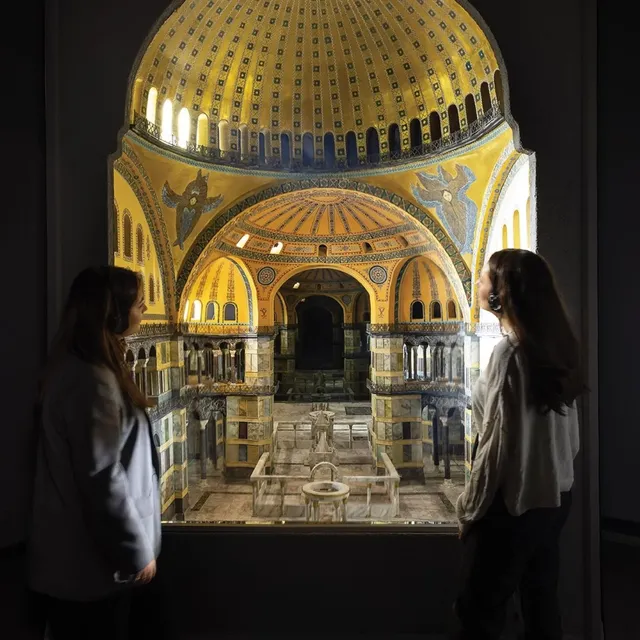
Knowing Istanbul’s time zone is useful when planning flights, hotel check-ins, meetings, and museum visits. A fixed year-round time makes scheduling simpler, especially if you are organizing a short trip packed with major sights such as Hagia Sophia and the Grand Bazaar.
It is also practical for arranging airport transfers, tours, and calls with family or colleagues abroad. If you are visiting from a faraway destination, allowing yourself a little flexibility on the first day can help you settle in more comfortably.
Quick Summary
- Istanbul uses GMT+3.
- Turkey has used a fixed year-round time since 2016.
- There is a natural 76-minute solar time difference across Turkey from west to east.
- Winter and summer daylight hours in Istanbul vary significantly.
- Visitors from Europe usually face a small time difference, while long-haul travelers may experience jet lag.
For additional background on Turkey’s standard time, you can also see the reference overview on Wikipedia.