Public Holidays in Turkey: What Travelers Should Know
Public holidays in Turkey can shape your trip more than many first-time visitors expect. Museums may adjust schedules, government offices often close, public transport can run differently, and city squares may feel especially lively. None of this means you should avoid traveling during holiday periods. In fact, these dates can be fascinating moments to experience local culture—if you plan with a little flexibility.
If your trip includes Istanbul’s major sights, it is smart to check official sources shortly before you go. Holiday operations can vary by year, by institution, and sometimes even by neighborhood. A little advance planning helps you enjoy the atmosphere while avoiding unnecessary surprises.
What are public holidays in Turkey?
In general, Turkey’s public holidays fall into two broad groups: national holidays and religious holidays. National holidays are tied to the history of the Turkish Republic and are often marked by ceremonies, flags, concerts, and a visible patriotic atmosphere in public spaces. Religious holidays, observed according to the Islamic calendar, tend to center more on family visits, prayer, shared meals, and seasonal travel within the country.
For visitors, the practical difference is simple: both types of holidays can affect opening times, transport patterns, and crowd levels. Religious holidays may also create especially busy intercity travel periods as locals visit relatives. In Istanbul, that can mean a city that feels calmer in some business districts but busier around waterfronts, shopping streets, and major landmarks.
How holidays affect sightseeing in Istanbul
The good news is that Istanbul remains very visitable during holiday periods. The city is used to hosting large numbers of domestic and international visitors, and many of its most famous areas continue to be active. Still, your day may work better if you build in extra time and avoid overpacking the schedule.
Museums and historic sites
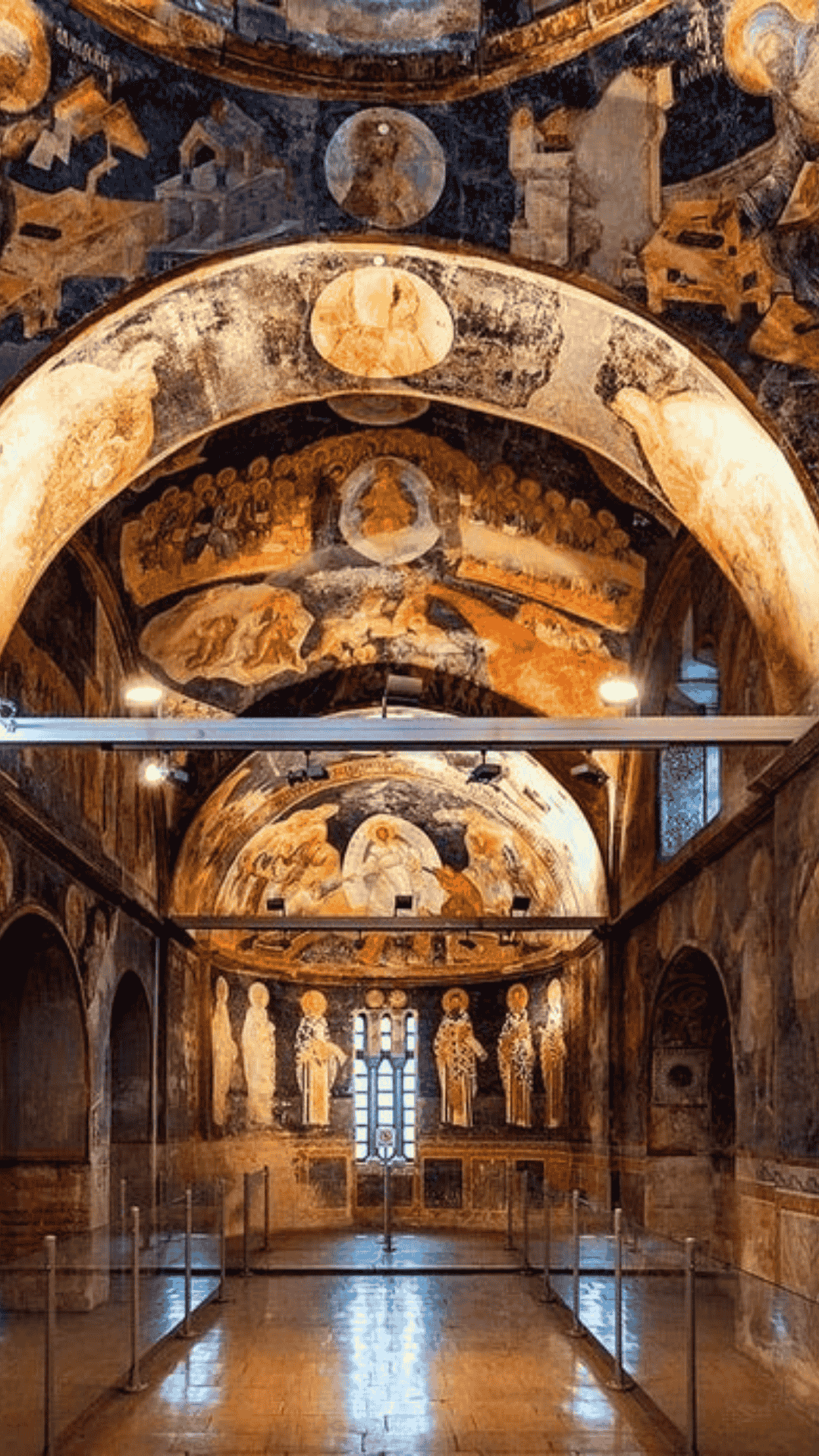
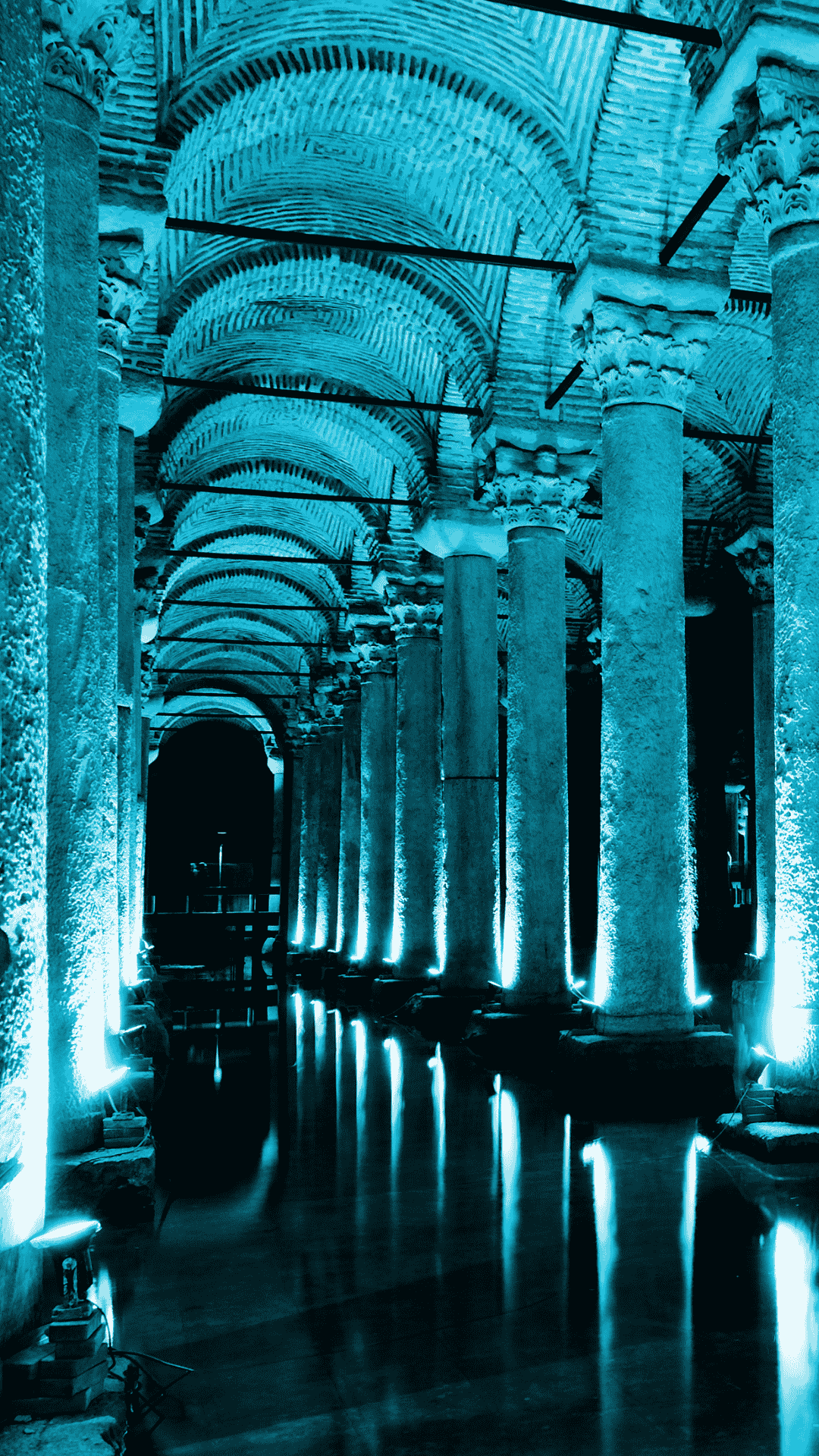
Some museums, palaces, and heritage sites may open later, close earlier, or suspend visits for part of the day during public holidays. Others remain open but attract larger-than-usual crowds. If a place is central to your itinerary, check the official website before setting out.
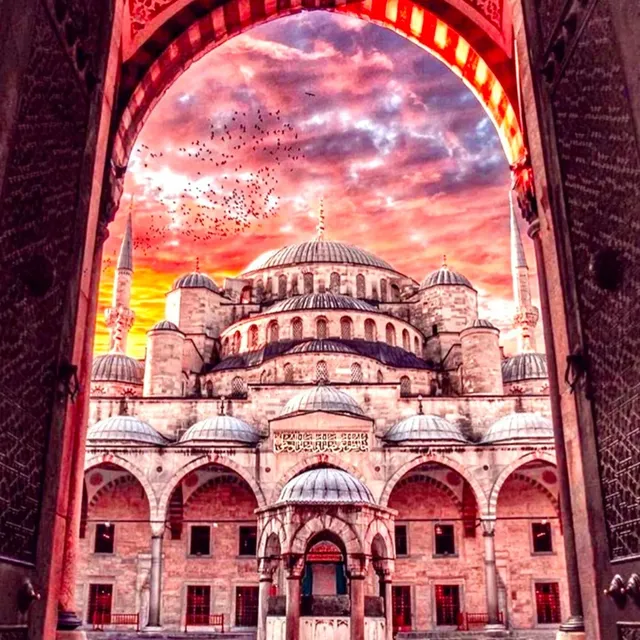
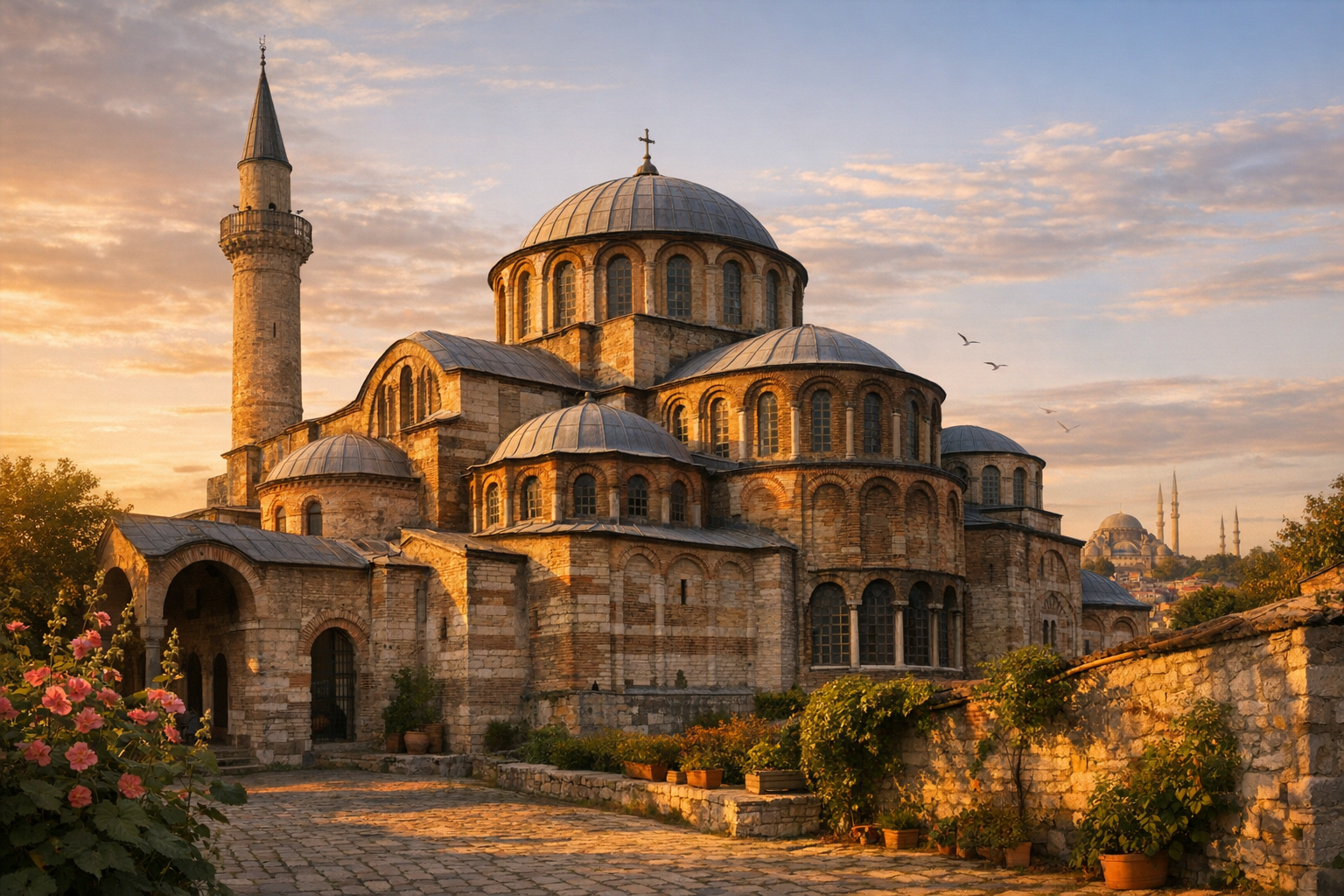
This matters particularly in historic districts, where many travelers combine several attractions in one walk. Around Sultanahmet Square, for example, a holiday can make the area feel festive and photogenic, but it may also slow entry to major landmarks.
Mosques and worship times
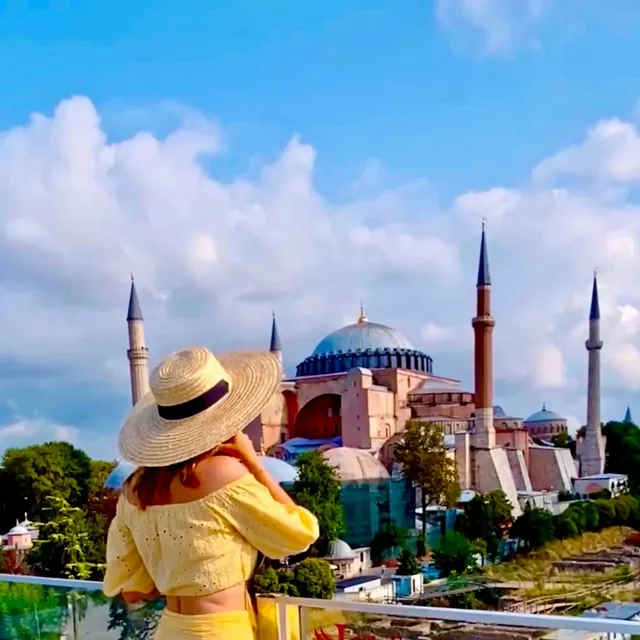
Visitors are welcome at many mosques, but prayer times always take priority. On religious holidays, access rules, visitor flow, and quiet expectations may be more important than usual. Dress respectfully, keep noise low, and be ready to wait briefly before entering. Iconic sites such as Hagia Sophia or the Blue Mosque can be especially busy during these periods.
Shops, bazaars, and restaurants
Independent shops may close for all or part of a holiday, while restaurants in tourist areas often stay open. Bazaars can feel less predictable than usual, with some sections lively and others quieter. If shopping is a priority, keep your plan flexible and have a backup idea for the day.
Transport and traffic
Public transport generally continues to operate, but routes, frequencies, or crowd patterns may change. Roads can also become congested, especially around bridges, ferry areas, and popular waterfront neighborhoods. It is wise to leave early, allow extra travel time, and check official transport operators for updates.
National holidays and the atmosphere you can expect
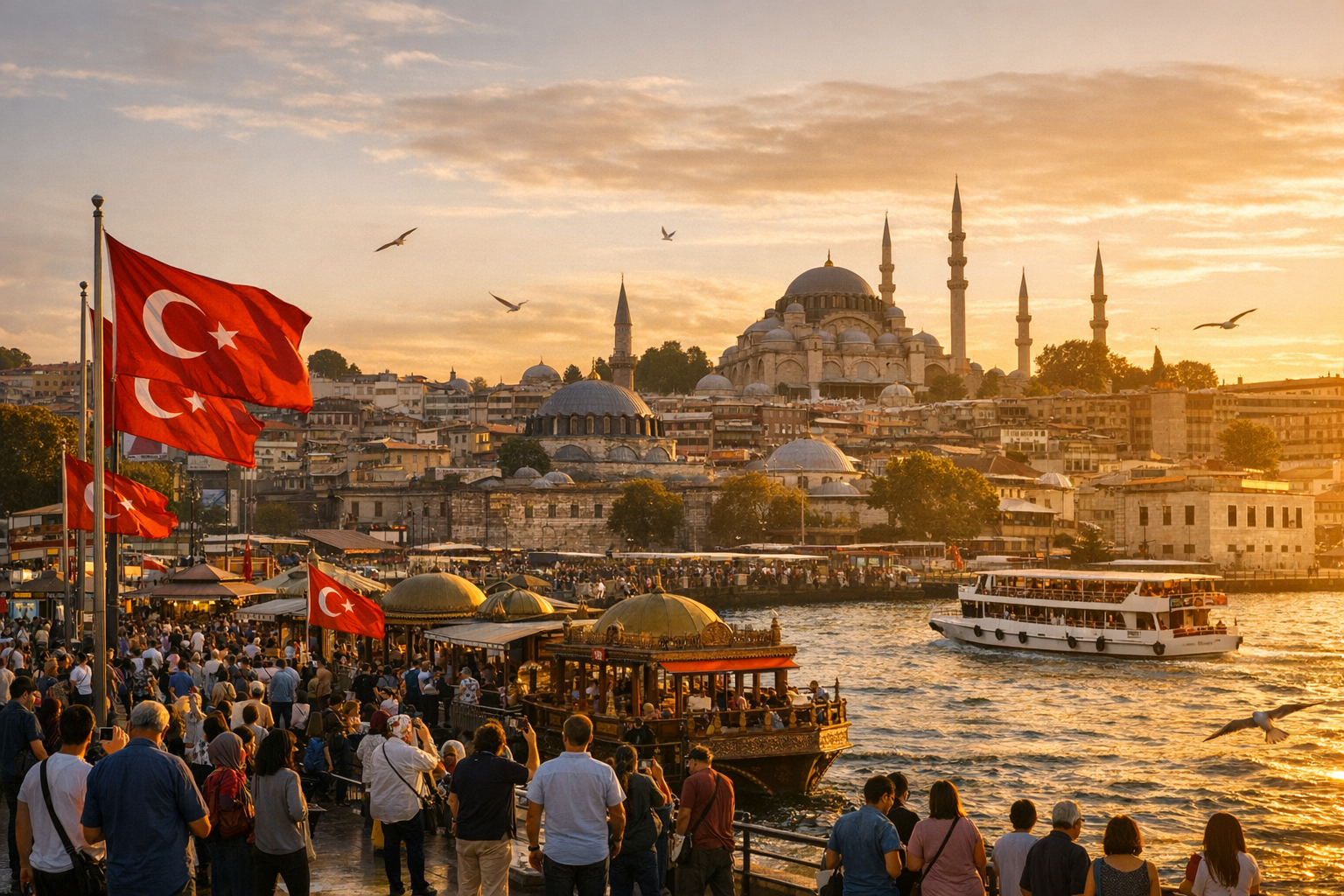
Turkey’s national holidays often bring a strong public mood. You may see flags hanging from homes and businesses, hear music in squares, or come across organized ceremonies. In Istanbul, central areas can feel especially animated in the late morning and evening.
For travelers, these holidays can be rewarding because they offer a glimpse of civic life, not just sightseeing. A walk through major public spaces may reveal a side of the city that is more local and communal than what you experience on an ordinary weekday. At the same time, official institutions and administrative services are more likely to be closed, so it is best not to leave paperwork or formal errands to those dates.
Religious holidays and what visitors should know
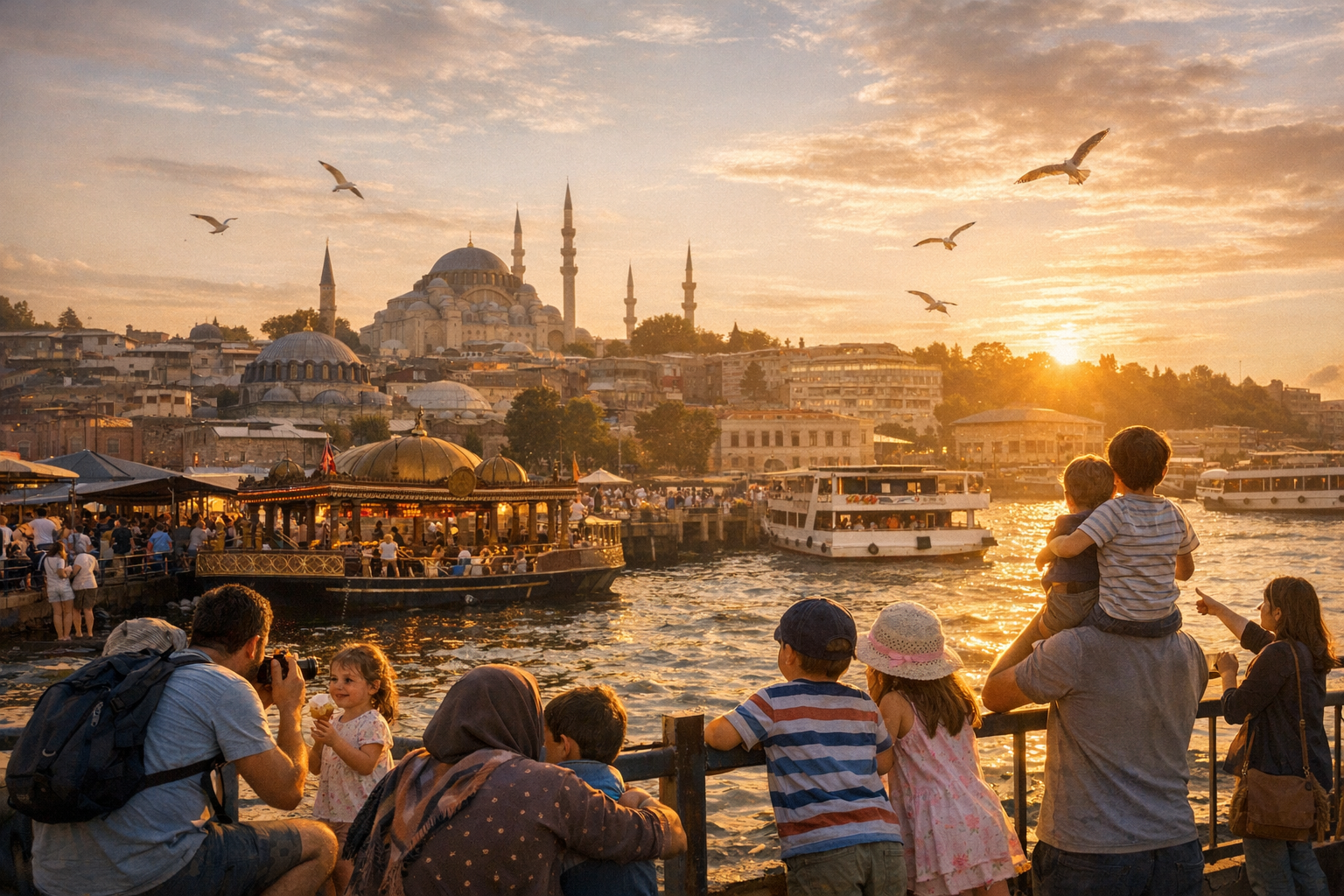
Religious holidays in Turkey are among the warmest and most socially important times of the year. Families gather, people travel to see relatives, and the rhythm of the day can feel more relaxed in some areas and more crowded in others. Visitors may notice a stronger family-oriented atmosphere in parks, promenades, and ferry terminals.
These periods are often excellent for experiencing local customs respectfully. You may hear holiday greetings more often, see people dressed for visits, and notice a celebratory mood after prayer times. As a guest, the best approach is simple: be patient, dress appropriately near places of worship, and remember that some services may run on a holiday timetable.
Best ways to plan around public holidays in Turkey
You do not need to restructure your whole trip around public holidays in Turkey, but a few smart habits make a big difference.
- Check official opening information: Museums, palaces, mosques, and transport providers may all publish holiday updates separately.
- Start early: Early morning is often the easiest time for major sights before local crowds build.
- Group nearby attractions: If one site changes hours, you can easily pivot to another nearby landmark, café, or viewpoint.
- Keep one flexible day: This helps if a must-see place turns out to be busier or less accessible than expected.
- Book key experiences in advance: For high-demand attractions or cruises, reserving ahead can remove uncertainty.
If your holiday visit leaves one landmark too crowded, it can be the perfect moment to switch to a different experience—perhaps a walk through Balat or time on the water with a Bosphorus Cruise.
Should you avoid visiting Turkey during public holidays?
Not at all. For many travelers, holiday periods are memorable precisely because the city feels different. Streets may be more animated, families are out together, and the public mood can be more festive than usual. The trade-off is mostly practical: you may need more patience, more planning, and a willingness to adapt your daily route.
If your priority is a quiet museum-focused itinerary, you may prefer ordinary weekdays outside holiday periods. But if you enjoy atmosphere, people-watching, and seeing how Istanbul lives beyond its monuments, a holiday can be a very rewarding time to visit.
Final tips before your trip
Before traveling, check official sources for the current year’s holiday calendar, as well as the latest information from the attractions and transport operators you plan to use. A good starting point for general background is GoTürkiye, and broader context on national observances can also be found at Britannica.
The key is not to fear holiday travel, but to approach it with realistic expectations. Build in extra time, confirm details shortly before your visit, and treat changes as part of the experience. In Istanbul, some of the most memorable moments happen not despite the holiday atmosphere, but because of it.