In this guide, we explore the city’s rich history, highlight iconic landmarks, and share useful context for navigating its busy streets and layered culture. So, before you set off on your Istanbul adventure, read on to discover some of the essentials of this enchanting city.
Before You Go: A Short History of Istanbul
With more than 8,500 years of history, Istanbul has long been one of the most beloved cities in the world. What makes it so precious is its position as a bridge between Europe and Asia. Because of this strategic location, it was desired and conquered many times by different empires.
At one stage, the city was named after Emperor Constantine I as Constantinople, and for many years it was under the control of the Roman Empire. Over time, the city for which so many wars were fought became the capital of three glorious empires: the Roman, Byzantine, and Ottoman Empires.
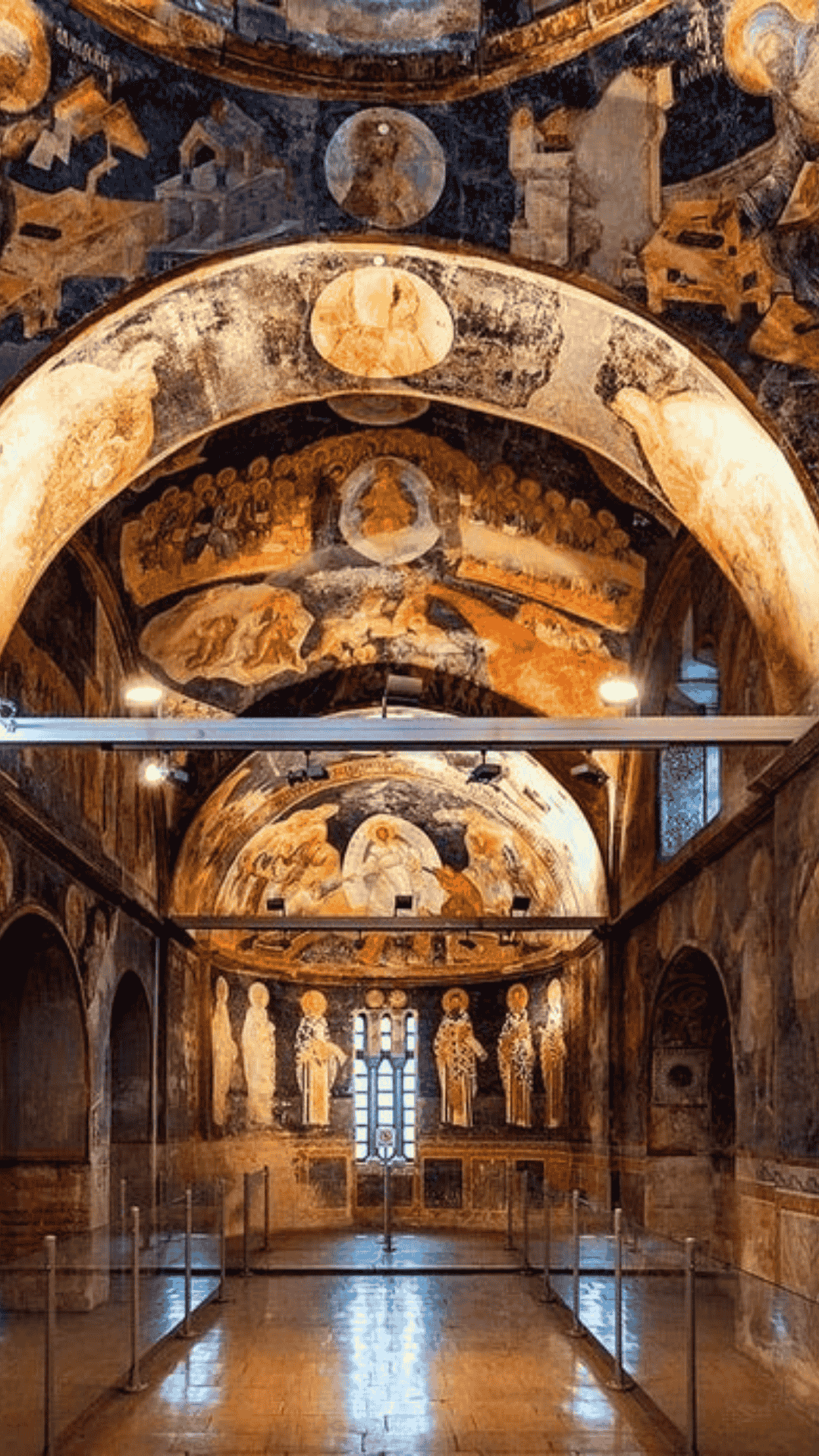
To know Istanbul is to know its unique history and culture. As you discover the city, you quickly realize there is always more to uncover. It is a massive place filled with traces left by different nationalities and religions. Without some knowledge of its past, it is hard to fully feel the spirit of the city.
That is why learning a little about Istanbul before your visit can be so valuable. During your trip, this general background will help you better understand many of the attractions you see. Once you step into Istanbul, every turn can reveal something new and distinctive.
Have General Information About Istanbul
Istanbul bears the marks of many cultures, empires, and religions. Therefore, it is not unusual to come across a mosque neighboring a church. Throughout history, Istanbul has been a place where people from different nationalities, ethnicities, cultures, and religions have lived together.
There is something truly remarkable about Istanbul welcoming people from all around the world. For many years, the city has protected its history and given it the attention it deserves. Thanks to that, visitors today have the chance to experience the city’s unique multicultural character.
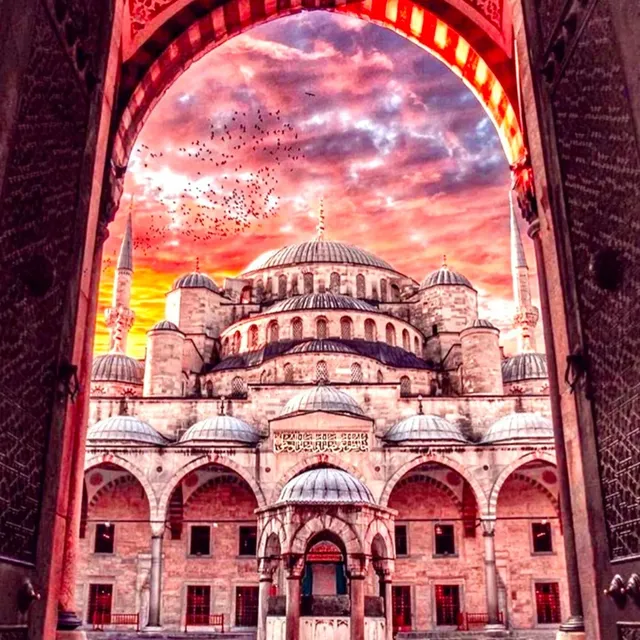
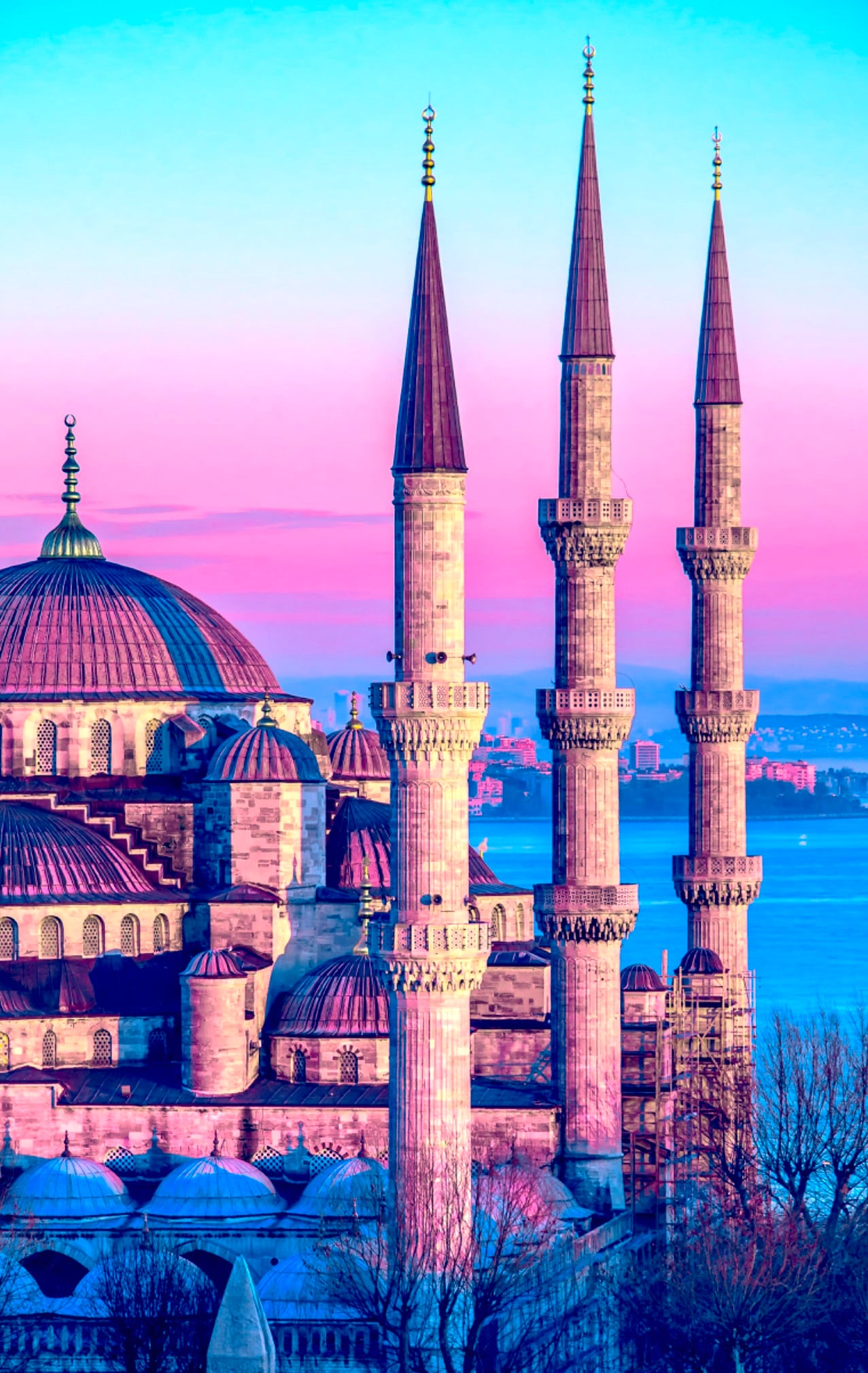
Since Istanbul is a huge city, it is best to begin with broad essentials. For first-time visitors, seeing the Blue Mosque in Sultanahmet has become a classic. One of the best-known attractions in the city, the Blue Mosque has particular importance because of its architecture. Located in the Fatih district, often considered the heart of Istanbul, it is a striking example of 17th-century architecture.
It has long been an important symbol of power, especially as the first mosque to have six minarets. Rising over Sultanahmet Square, it seems to gaze over the city. Even from a distance, the Blue Mosque catches your eye in all its glory. It is almost impossible to ignore while moving through the historic center.
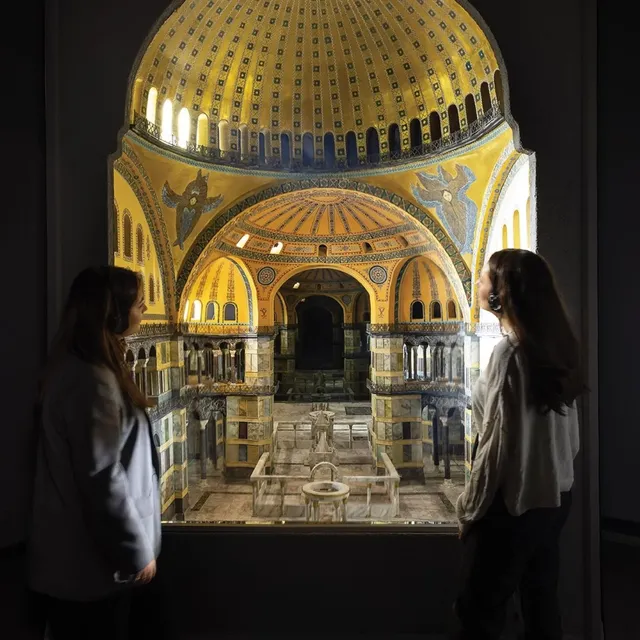
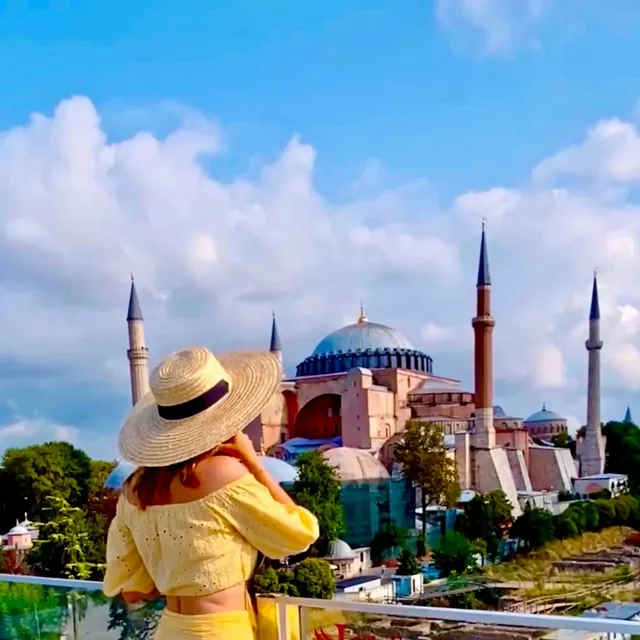
Hagia Sophia is another of the most important attractions in Istanbul, standing strong since 325 A.D. Constructed in the name of Constantine, the Roman emperor, it was an Orthodox church that represented the power and superiority of the ruler who moved the capital of the Roman Empire to Constantinople, today’s Istanbul.
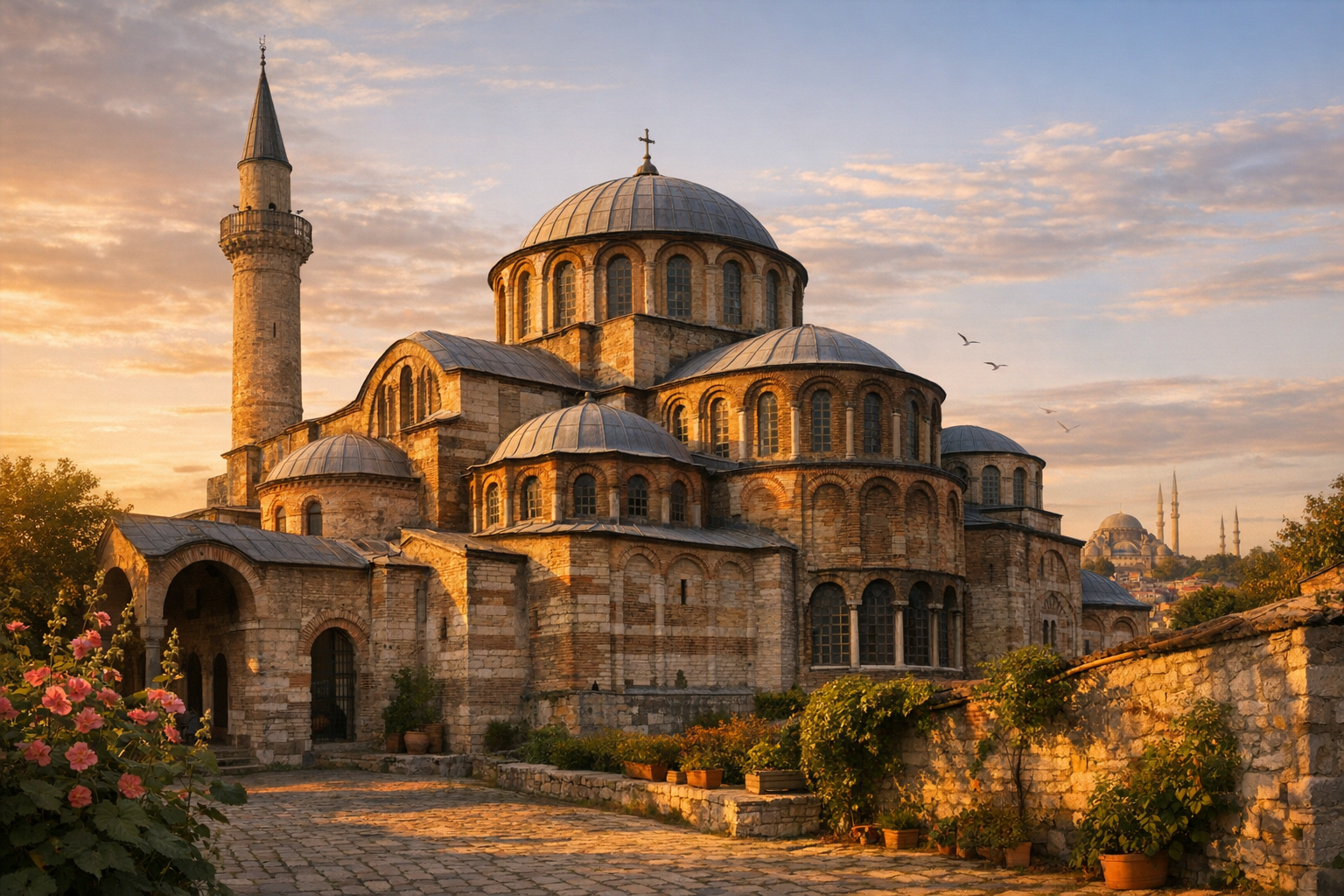
When the Ottoman Sultan Mehmet II conquered the city, Hagia Sophia was protected by the Ottomans. Once a place of worship for Christians, it became a place for Muslims in time. That layered story makes it one of the best places to go deeper into Istanbul’s past. Here, you can experience architecture that carries traces belonging to both Christian and Muslim traditions. It is also the close neighbor of the Blue Mosque.
For a broader historical overview of the city’s long past, you can also browse Britannica’s Istanbul entry.
More Places to See in Istanbul
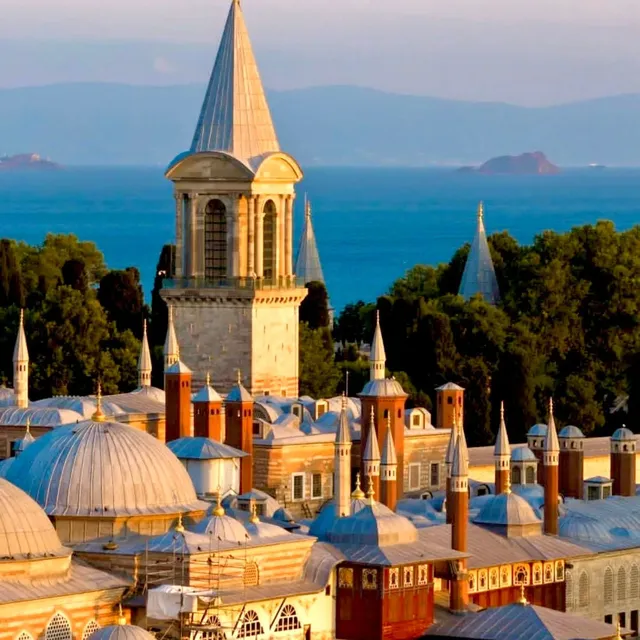
When speaking of the heart of Istanbul, full of historical structures and remarkable architecture, it is impossible not to mention Topkapi Palace, one of the city’s best-known and most visited sights. Standing next to the Blue Mosque and Hagia Sophia, Topkapi Palace was the seat of the Ottoman sultans and served in that role for 400 years.
It is a colossal palace covering 700,000 square. There, you can visit the chambers of the sultans, the Harem, and the tulip garden, and you can also visit the Turkish and Islamic Art Museum nearby. If you want official visitor information before planning your route, check the relevant museum resources on muze.gen.tr.
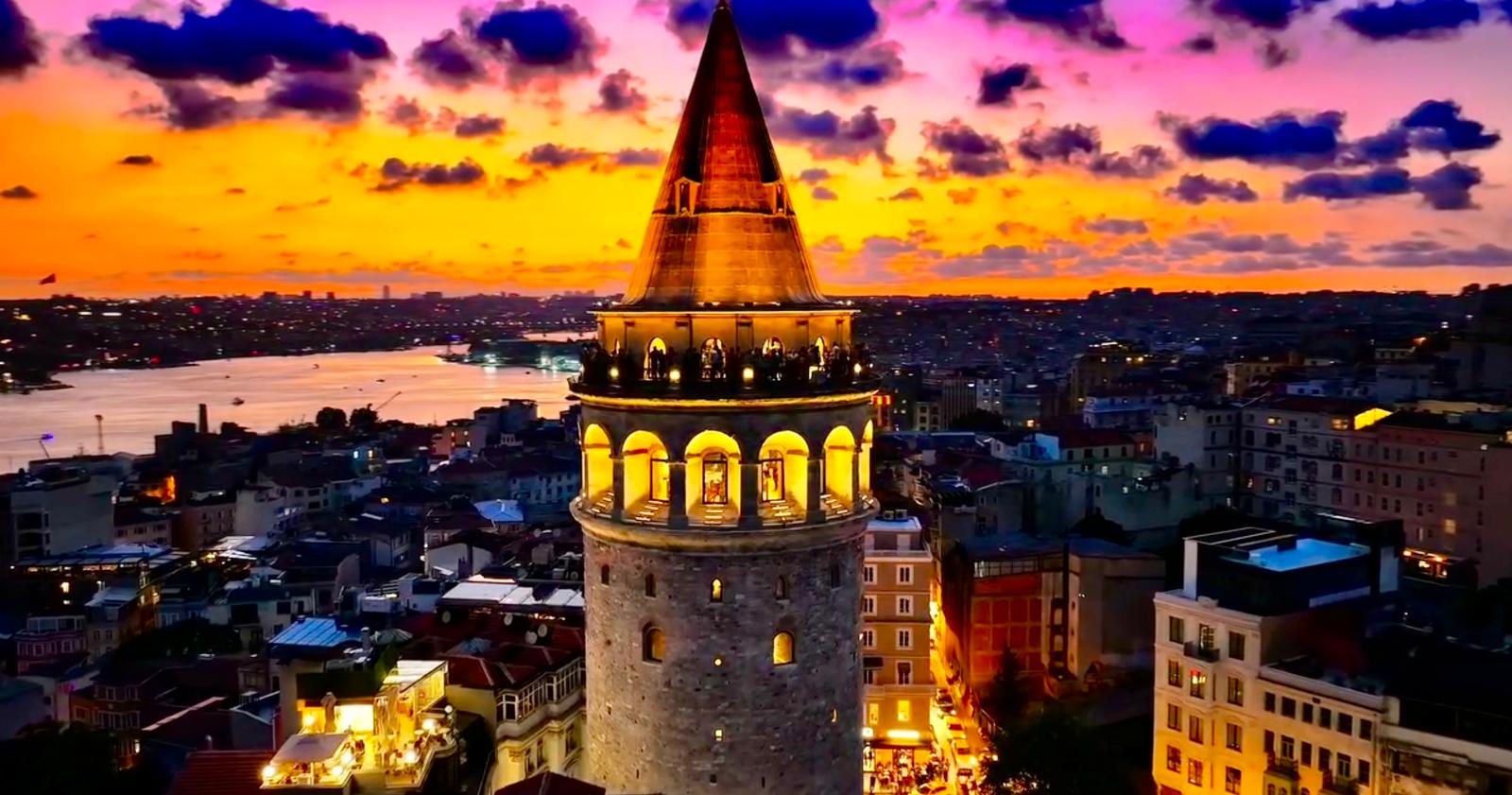
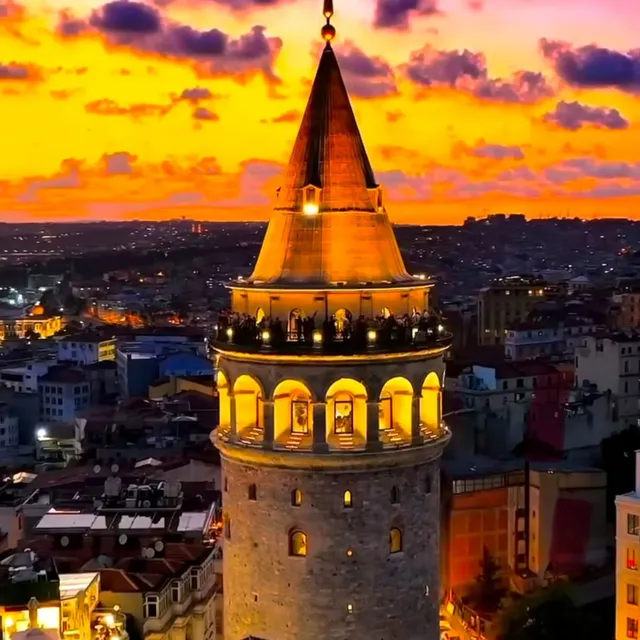
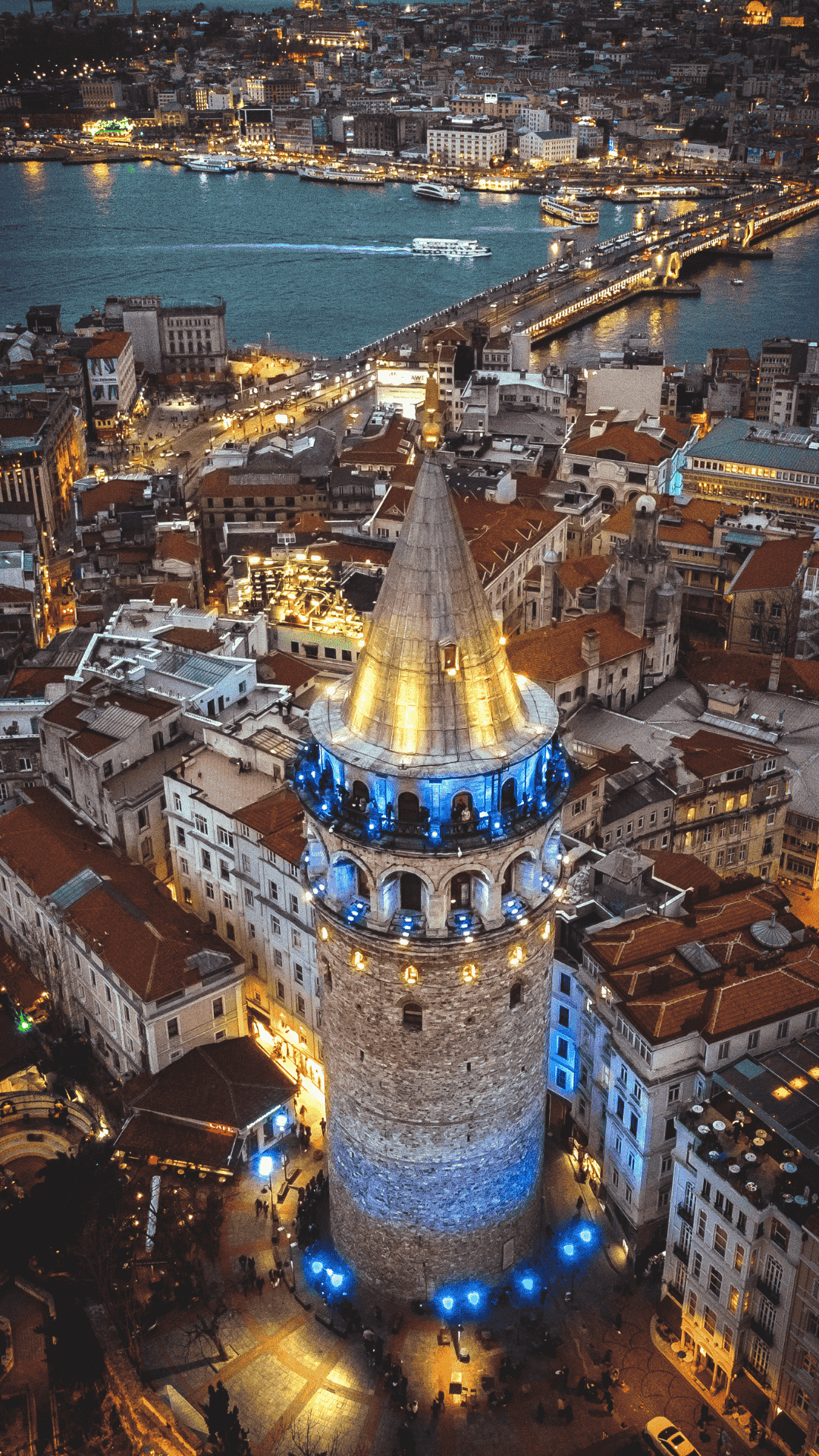
How about moving on to Taksim Square and beyond? Walk through Galata Bridge from Sultanahmet Square and continue toward Galata Tower, another major attraction in Istanbul. Climb up and take some of the most beautiful photos of the city, and do not forget to hear the tale of Galata during your visit.
After Galata Tower, start exploring the side streets of İstiklal Avenue, where many attractions are hidden in plain sight. While wandering around, it is worth having some general background on İstiklal Avenue and its treasures. Saint Antoine Church, located on İstiklal Street, is the largest Roman Catholic Church in Istanbul. Built in Gothic style, its red bricks immediately draw attention.
Besides churches and mosques, there are many other places that help you learn more about Istanbul. One of them is the Atlas Cinema Museum in Atlas Passage on İstiklal. Before your trip there, it helps to know that Atlas Passage was built in 1877 for the Armenian Catholic banker Agop Köçeoğlu. It hosts the famous Atlas Cinema, and the museum plays an important role in reflecting the city’s spirit.
Another attraction is the Flower Passage in İstiklal. In general terms, Flower Passage was originally a theater in the 1800s. After a fire, it was converted into a place with elegant shops. People later came here to sell flowers, which is how it got its name. In time, those shops became traditional Turkish meyhanes. Today, visiting Flower Passage and tasting Turkish cuisine in its meyhanes can be one of the enjoyable parts of exploring central Istanbul.
Why Learning Before You Go Matters
Istanbul is not a city of only one era, one faith, or one style. Its appeal comes from the way centuries overlap in everyday life. A walk through the city can take you from imperial landmarks to lively avenues, from monumental mosques to churches, museums, passages, and traditional dining spots.
That is exactly why learning a few essentials before you go makes such a difference. Even a small amount of historical and cultural context can turn a simple visit into a much richer experience. In Istanbul, every district, square, and monument tells part of a much larger story.