Landmarks in Istanbul You Should Not Miss
Hagia Sophia
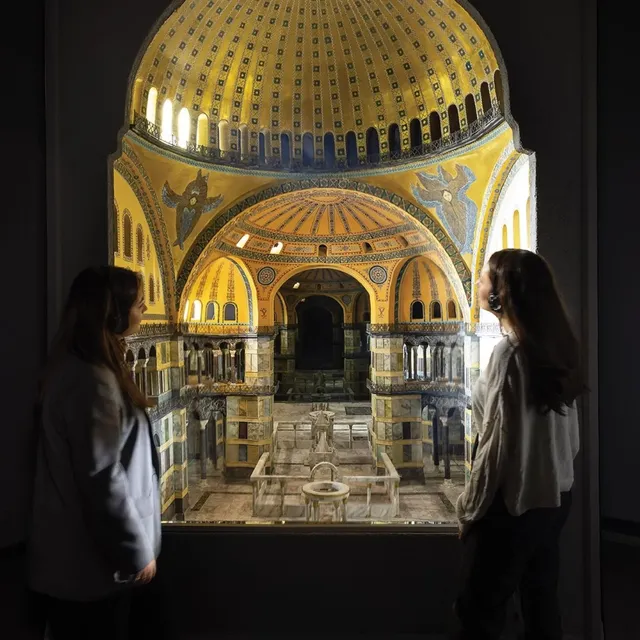
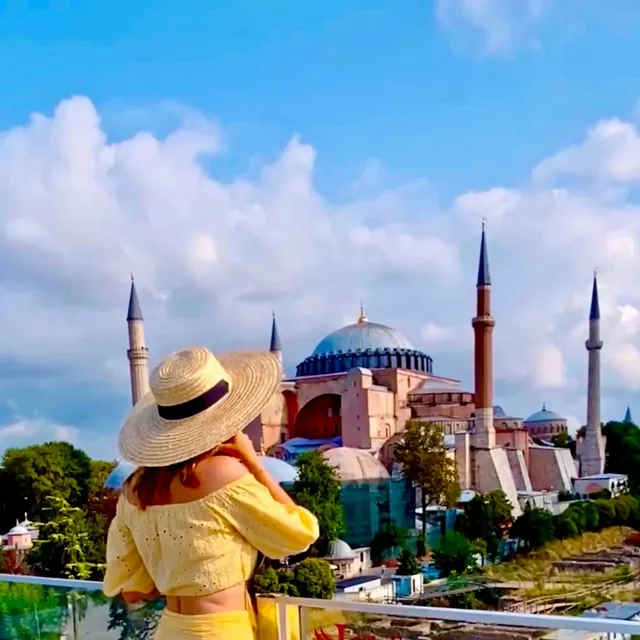
Hagia Sophia is one of the best-known landmarks of Istanbul and one of the most important and famous Byzantine structures in the world. It holds historical significance as a feature of the Byzantine Empire and stands as a monument to architectural achievement. It was built as a church in the beginning and was called the Church of the Holy Wisdom. Hagia Sophia was built in Istanbul in the 6th century, specifically in 536 AD, by Justinian, the emperor of the Byzantine Empire. Later, in 1453, the church was converted into a mosque during the Ottoman era, and finally in 1934 Ataturk, the founder of modern Turkey, converted the mosque into a museum.
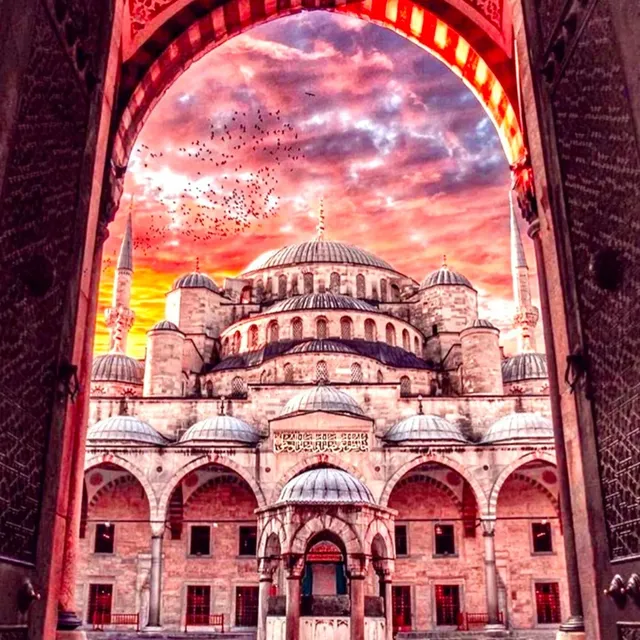
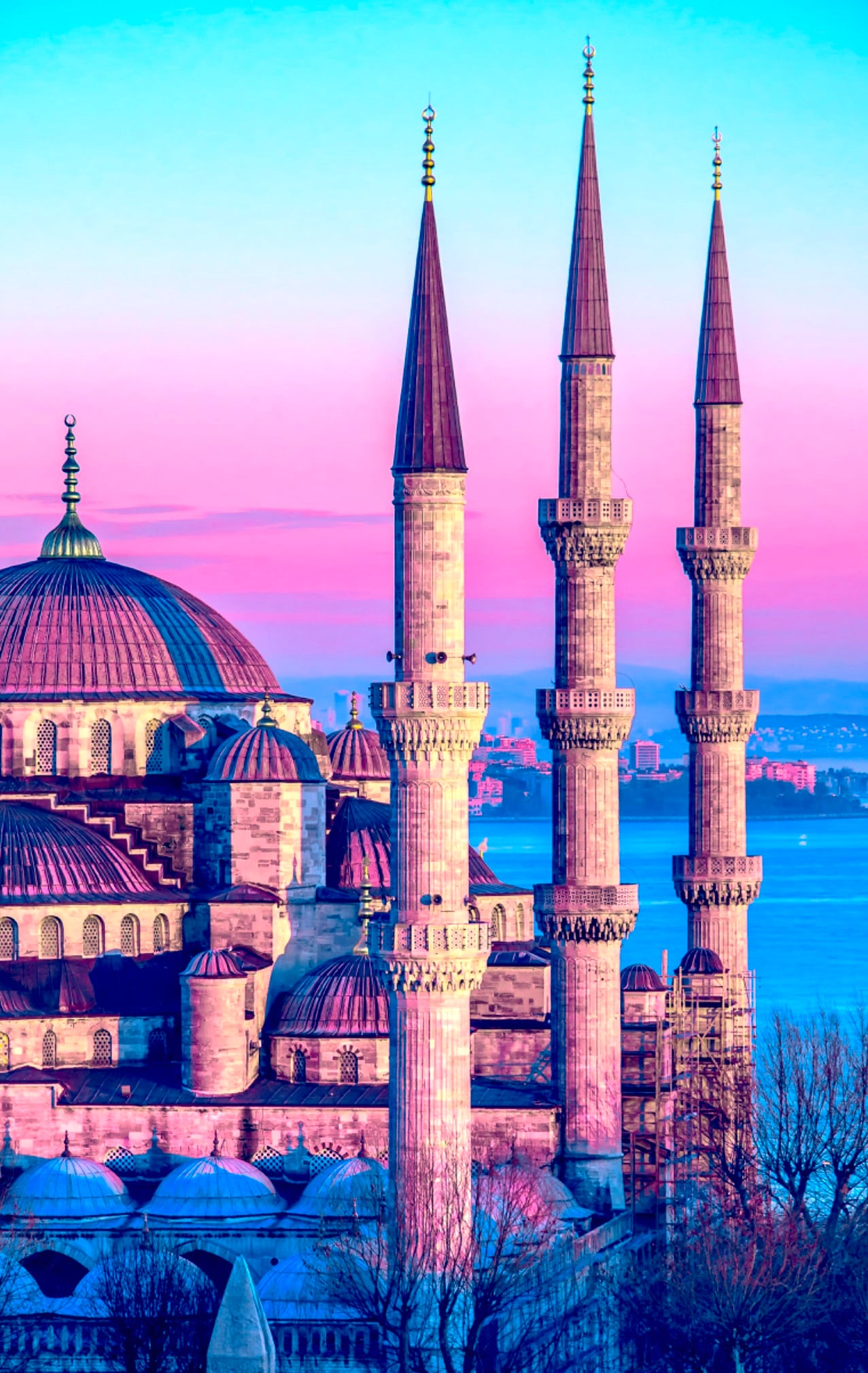
With a huge 32-meter dome, Hagia Sophia stands in the heart of Istanbul next to the Blue Mosque. Its architecture can easily take your breath away. The marble used for the floors was manufactured in Eastern Turkey and Syria, and the decoration changed many times through the ages, yet it remains a magnificent piece of art.
It doesn’t matter how much time you spend inside; it is a place that continues to hold your attention. You can also find additional historical context through UNESCO.
Topkapi Palace
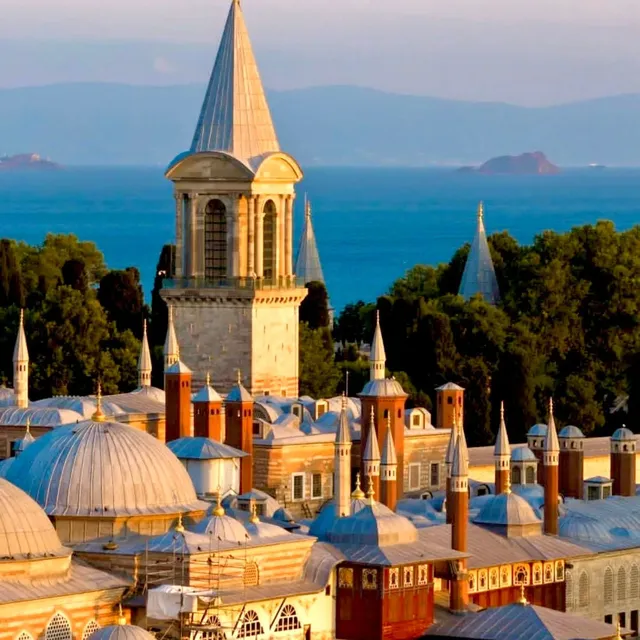
Topkapi Palace, or as some call it the Seraglio, is located in the heart of Istanbul and serves as a museum nowadays. During the 15th century, this palace served as an administrative center of the Ottoman Empire. Its construction lasted for six years and began in 1459 by order of Mehmet the Conqueror.
You can enter the first courtyard by the Imperial Gate and see the stone niches that used to display the severed heads of criminals. On the left side of the courtyard, you can see the imperial mint, which goes back to the eighteenth century and was used to produce gold and silver coins. Moving on to the second courtyard, you find the Imperial Tower above the ministers’ council, or the Imperial Divan, and next to it the Treasury Building.
There is also the Harem, which has 300 rooms, nine hammams, and two mosques. Topkapi Palace is full of stunning details to see and enjoy during a visit. For official visitor updates, it is always best to check the relevant museum or government source.
Grand Bazaar
Grand Bazaar is probably one of, if not the most popular, landmarks in Istanbul. The Grand Bazaar has eleven entrances and contains approximately four thousand shops offering hundreds of types of products such as souvenirs, traditional Turkish desserts, jewelry, antiques, clothes, carpets, and many other items.
Even if you are not interested in shopping, walking through this historic bazaar is an experience on its own and can guarantee a good time. Its atmosphere, scale, and constant movement make it one of the most memorable places in the city.
Dolmabahce Palace
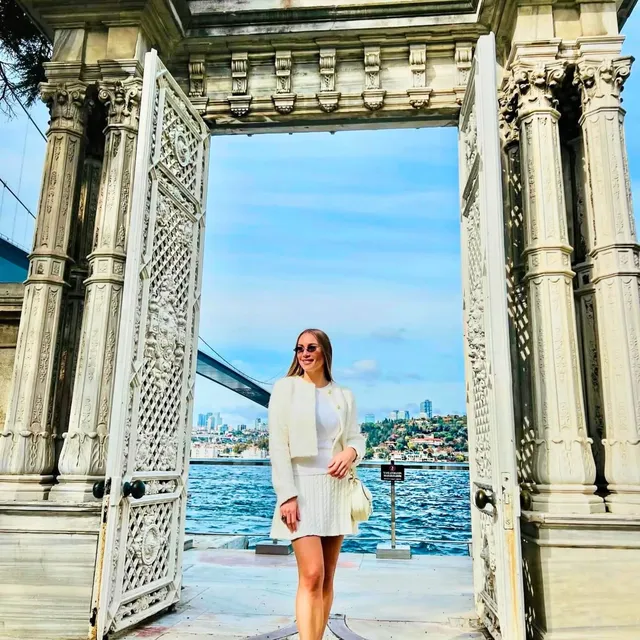
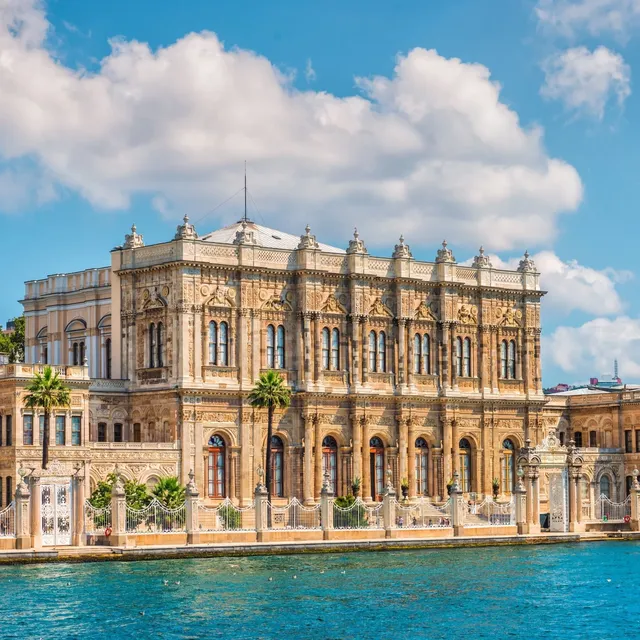
Dolmabahce Palace is another important landmark in Istanbul. It was built in the 19th century and is considered one of the most glamorous palaces in the world. It became the administrative center of the late Ottoman Empire, replacing Topkapi Palace, and the last Ottoman sultans resided there.
This palace is breathtaking because of the detail found throughout its interiors. The handmade parquet in the dining hall and the 4.5-tonne chandelier in the ceremonial hall, which was given as a present from Queen Victoria, are especially striking. The palace is also known for its 202 fine paintings from the 19th and 20th century.
The construction of Dolmabahce cost five million Ottoman mecidiye, which approximately equals 1.5 billions USD. If you plan to visit, check the official site of the National Palaces administration for current details: millisaraylar.gov.tr.
Basilica Cistern
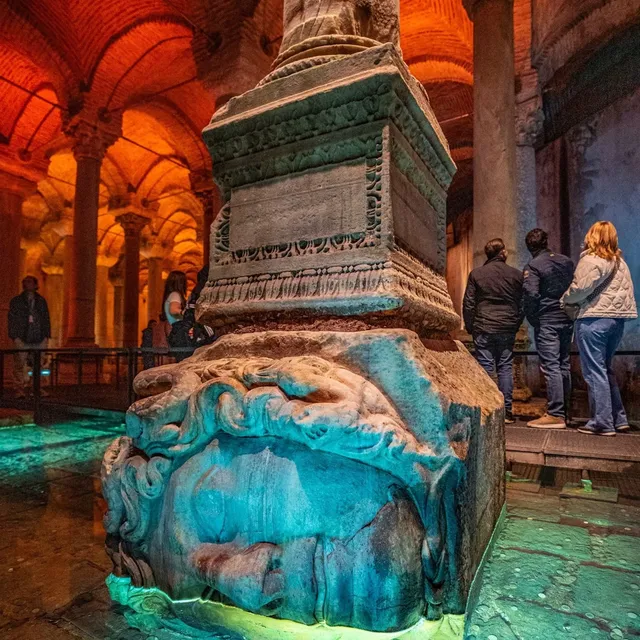
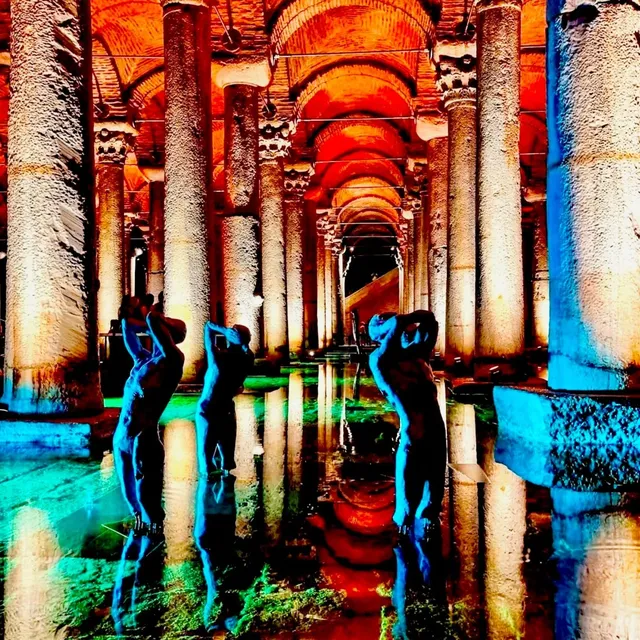
The Column with inverted Medusa head base in Basilica Cistern, Istanbul, Turkey.
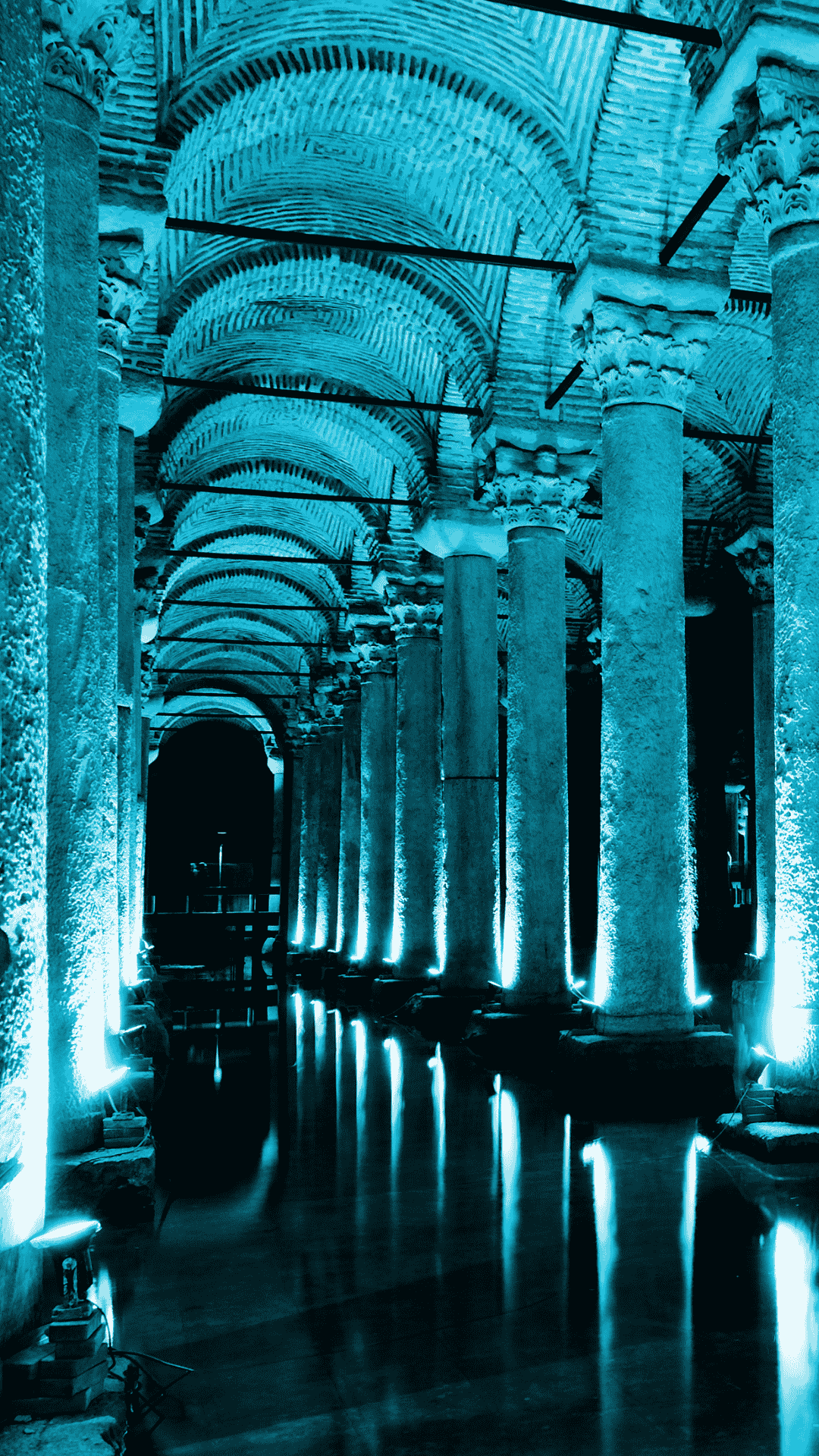
Basilica Cistern is one of the most amazing underground landmarks in Istanbul. This vast cistern has a huge palace hall with 336 columns lined up in 12 rows. Construction started during the rule of the Byzantine emperor Constantine but was finished in the 6th century during the rule of Emperor Justinian.
Basilica Cistern was considered a main source of water for Istanbul for many centuries because of its ability to hold up to 2.8 million cubic feet of water.
One of the most interesting features of the cistern is the two columns with Medusa head bases, believed to protect the cistern. Their unusual placement and mysterious presence are among the reasons this site remains so fascinating for visitors today.
Why These Istanbul Landmarks Matter
These places are not just sightseeing stops. Together, they show how Istanbul developed through Byzantine and Ottoman periods while remaining one of the world’s great cultural cities. Whether you are drawn to domes, palaces, bazaars, or underground wonders, these landmarks offer a strong introduction to the spirit of Istanbul.