Visiting Galata Tower: Tips Before You Go
Galata Tower is one of Istanbul’s most recognizable landmarks, standing in Beyoglu and offering sweeping views over the city. Whether you visit for the panorama, the history, or the lively streets around it, this tower remains a memorable stop for both first-time visitors and returning travelers.
Is Galata Tower free? Visiting Galata Tower is easy because no early booking is needed. You can pay the entry fee online or at the entrance. There is a pricing policy that varies for students, adults, and foreigners, but it is best to check the official site for current ticket details. The tower is designed like a museum, so you can enjoy your time through a guided tour. One recommended option is the Genoese Walks Galata tour, which shares stories about the historical building and its surroundings.
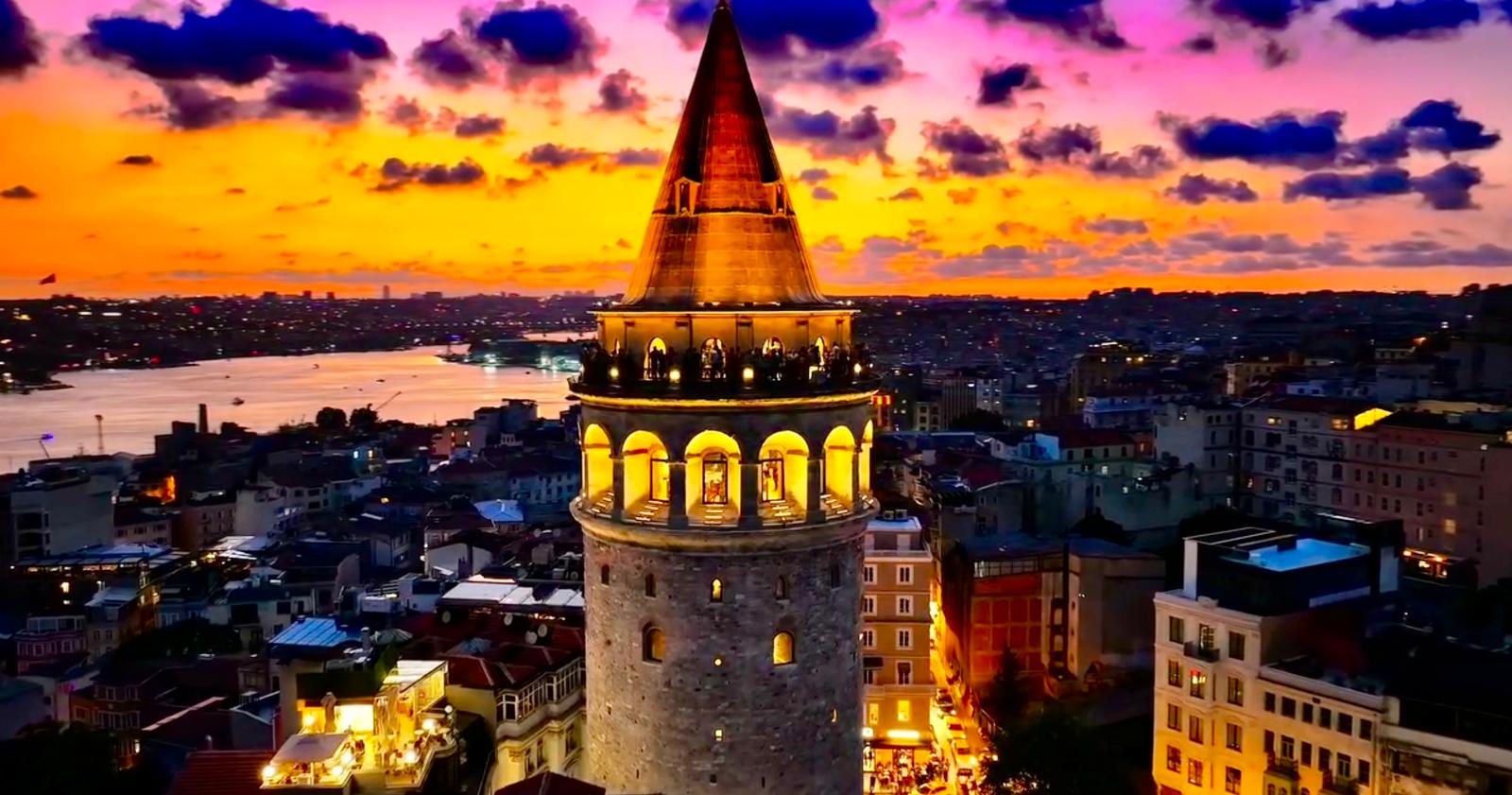
Does Galata Tower have a lift? Galata Tower deserves the name “tower” because its architectural plan was designed with nine floors and a height of almost 220 feet, or 66.90 meters, from the ground up to the cone. Originally, it had only steps to climb, but in 1967 Istanbul Municipality added a lift during renovation. Today, the Galata Tower lift allows visitors to go directly up to the window-room level, where a restaurant and cafe are located.
How many stairs are in Galata Tower? A small detail about the entrance helps answer this question. The gate on the south side requires ten steps to climb. Inside the building, there are 146 steps dispersed through five halls.
What time does Galata Tower open and close? The schedule mentioned here allows visitors to enjoy daytime and sunset views of Istanbul. It opens at 09:00 and closes at 19:00 every day. It is also possible to enjoy the night panorama of the city at the top of the tower with dinner until 22:00. As hours and arrangements may change, it is wise to confirm current details before visiting.
History of Galata Tower
The tower has a Romanesque style of architecture and was named the Tower of Christ. During the Constantinople era, it was considered the tallest building in the city. At that time, the tower was located on a different site but was destroyed by the crusaders during the Fourth Crusade. After the Ottoman conquest, it was modified and used to spot fires in the city.
The Galata Tower was built in 1348 by the Genoese to oversee and guard the harbor on the Galata shore. The Genoese contribution to Istanbul was not limited to this tower; they also erected Yoros Castle on the Black Sea shore. After the conquest of Constantinople in 1453, the Ottomans intended to keep trade going, and Venetian and Genoese rights were retained in much the same way as during the Byzantine period.
A man called Hezarfen Ahmet Celebi is said to have made artificial wings to glide over the Bosphorus, successfully landing on the Uskudar shore. According to legend, in 1638 he attached wings to his body and flew, or coasted, across the Bosphorus to Uskudar.
The first panoramic painting from the top of the tower was made by a French painter named Pierre Prevost, who called it Panorama De Constantinople.
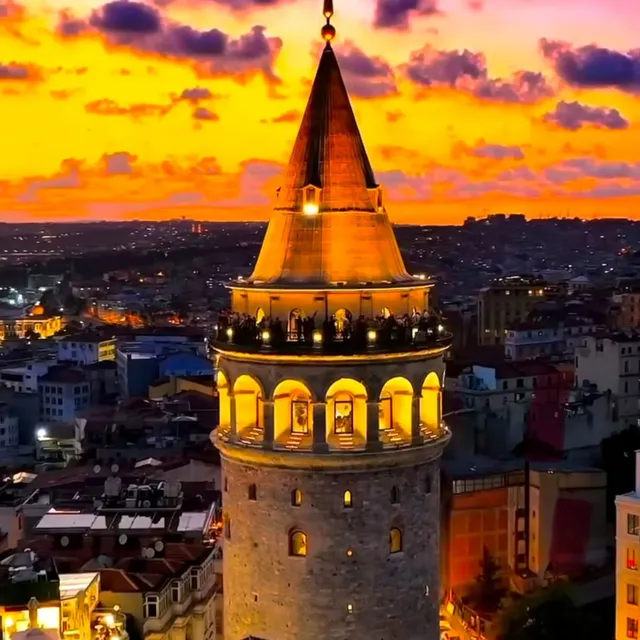
The tower went through difficult periods, including a storm in 1875 that completely destroyed its roof. It remained roofless during part of the Ottoman Era. Between 1965 and 1967, the roof was rebuilt and replaced with a concrete structure rather than the original wooden one. It served as a fire lookout tower until the 1960s. Today, the upper stories contain the viewing area. The panorama balcony, which circles the highest row of windows, is small, open to the elements, and may not suit visitors who are afraid of heights.
For a concise background overview, see the Galata Tower entry on Wikipedia. You can also explore broader cultural context through GoTürkiye.
Activities to Do Inside and Around the Tower
One of the main experiences at the tower is going up to the top and enjoying the panoramic view over Istanbul. In addition, there is a restaurant and a cafe where you can pair the scenery with a drink or a meal. The restaurant also hosts a Turkish show. Visitors can reach the upper levels by elevator.
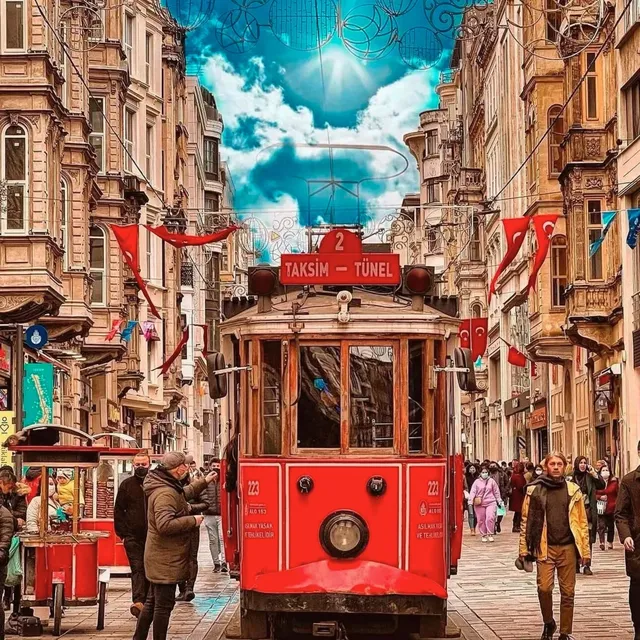
The tower stands in the Beyoglu district, one of the city’s busiest and most famous areas. Tourists come here throughout the year because it is full of life. Nearby, Taksim Square is a well-known meeting point for visitors. The area around it leads into Istiklal Street, a place long associated with shopping, crowds, and a lively street atmosphere.
As you walk along Istiklal Street toward the tower, you will notice fashion shops, cafes, food stops, and street artists who add to the atmosphere. On important match days, local football fans sometimes gather there, singing team songs and celebrating with fireworks, creating an energetic scene.
Around Galata Tower itself, there are bars, nightclubs, and many restaurants, some with beautiful views of the monument. At night, the area can also feel calm and relaxing, especially if you want to sit with a drink and enjoy the setting.
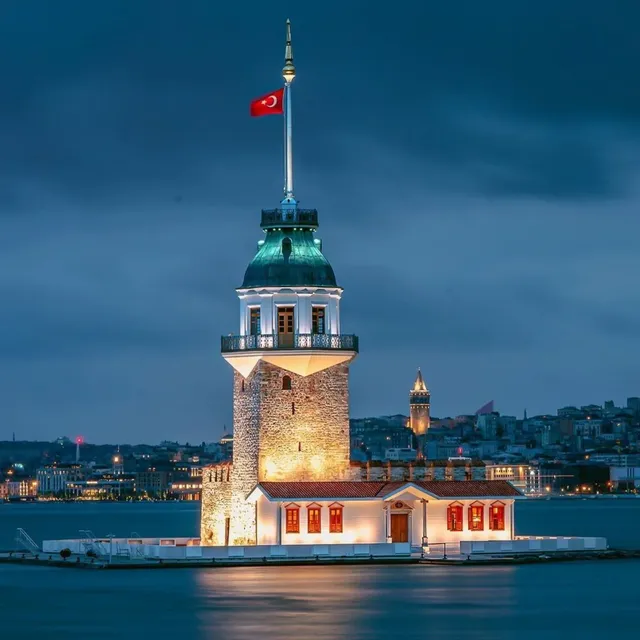
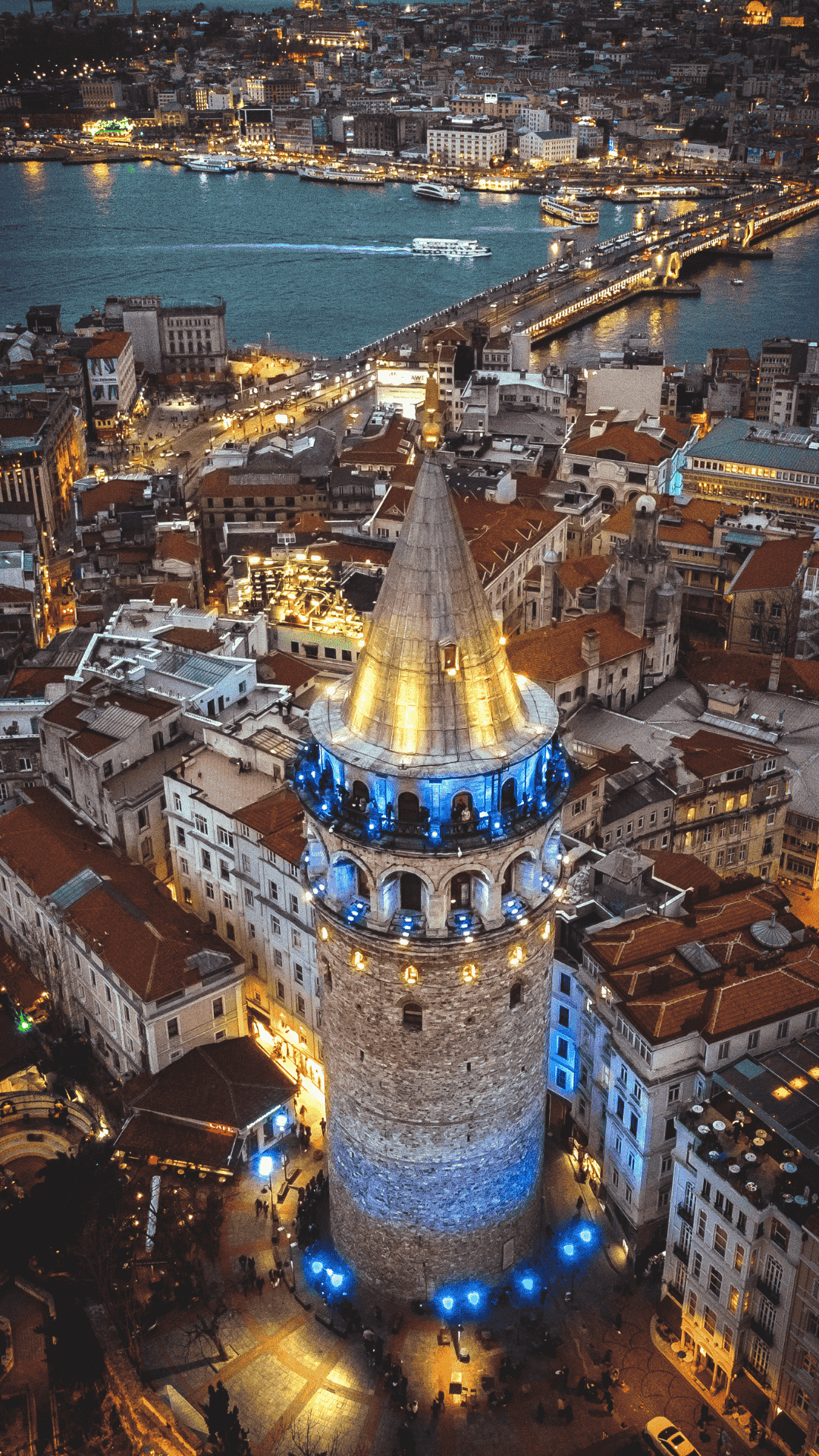
Istanbul is filled with monuments left by the Byzantine and Ottoman Empires, but Galata Tower has a special place in the city’s identity. Both locals and tourists enjoy spending time around it because it adds such a distinctive atmosphere. During the night, the tower is often illuminated with soft lights, making the whole area even more appealing.
The Golden Horn once served as a dividing barrier between Orthodox and Catholics during the Middle Ages. Orthodox communities lived south of the Golden Horn in Constantinople, while Catholics lived north of it in Galata. The Latins stormed and plundered Constantinople in 1204 during the Fourth Crusade. Because the Genoese supported Byzantium, they were given the Galata territory.
What Else Is Around Galata Tower?
When some visitors first arrived in Istanbul decades ago, the neighborhood around Galata Tower was described as decrepit and full of the huzun, or melancholy, later associated with Orhan Pamuk’s memoir of the city. Today, the area has changed significantly.
In the narrow lanes around the tower, you can now find stylish cafes, art galleries, design firms, boutiques, and restaurants. This makes the monument not only a historic stop, but also a great base for exploring modern city life in Beyoglu.
Buyuk Hendek Street
Buyuk Hendek Street is home to Neve Shalom, one of the city’s most important synagogues. The Turkish Jewish Museum is also located within the synagogue complex. The museum tells the story of the forced migration of Jews by Spanish monarchs in the 15th century and how the Ottomans welcomed them to settle in Istanbul.
By following Buyuk Hendek Street, you can reach Sisane Square. Mesrutiyet Street, which runs parallel to this area, is known for historical hotels such as Pera Palace. It also lies close to Istiklal Street, one of the district’s best-known walking routes. Mesrutiyet Street is associated with popular cultural stops including Pera Museum and Istanbul Modern.
Galip Dede Street
Istiklal Street is easily accessible from Galata Tower. If you stand with the tower behind you and follow Galip Dede Street north, you will arrive at Tunnel Square, where Istiklal Street begins. Along Galip Dede Street, you will find souvenir shops, hostels, cafes, painting workshops, and musical instrument stores.
Galata Mevlevi House Museum is located at the corner of Galip Dede Street and Istiklal Street. If you are interested in nearby cultural experiences, you may also want to explore the Whirling Dervishes tradition or continue your sightseeing toward landmarks such as Dolmabahce Palace.
There is also another way to experience the area without waiting in line for long. A Galata walking tour with a professional guide may include a fast-track ticket and commentary on the historical sites around the neighborhood.
FAQ About Galata Tower
Is Galata Tower worth visiting?
Yes, Galata Tower is one of Istanbul’s signature landmarks. Visitors come for the panoramic city views, the historical significance, and the lively Beyoglu atmosphere that surrounds the monument.
How long should I spend at Galata Tower?
Many visitors spend about one to two hours at the tower, depending on queues, time spent on the viewing level, and whether they stay for a drink, meal, or a walk around nearby streets.
Can you use an elevator in Galata Tower?
Yes. A lift was added during the 1967 renovation, making access easier for visitors. Even so, some stairs are still part of the experience inside the tower.
What can I see near Galata Tower?
You can explore Istiklal Street, Taksim Square, Galip Dede Street, Buyuk Hendek Street, cafes, boutiques, and cultural sites in the Beyoglu area. The neighborhood itself is a major part of the visit.
Is Galata Tower suitable for people afraid of heights?
The panorama balcony is small, open to the elements, and high above the city. Visitors with a fear of heights may want to consider this before going up to the top viewing area.