Driving in Istanbul: What to Expect
Driving in Istanbul can feel intimidating at first, but it becomes much easier once you understand the city’s rhythm. Driving in Turkey is done on the right-hand side, in line with most of Europe and the Americas. The basic road rules are similar to those in many western countries, with defined speed limits, clear signage, and traffic lights in major centers. Still, Istanbul has its own character: multi-laned highways cut across the city, while older neighborhoods and backstreets can be a maze of narrow, one-way roads where street names may change quickly.
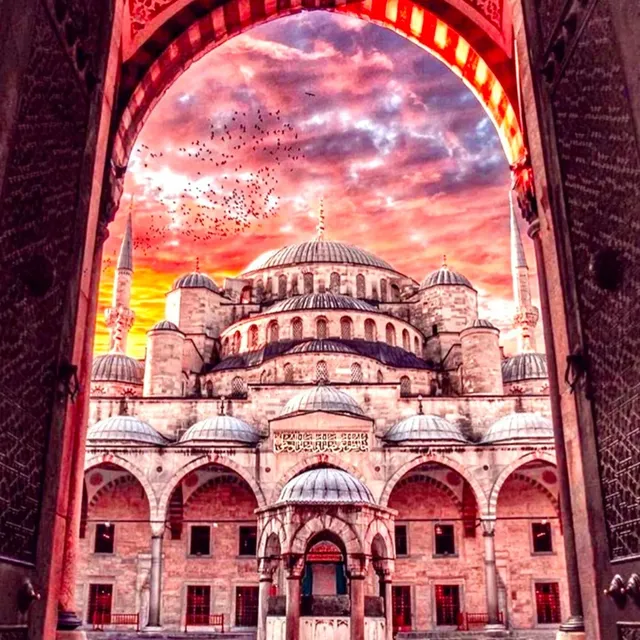
If you plan to drive between major sights such as Sultanahmet Square, Taksim Square, or around the historic peninsula near the Grand Bazaar, patience matters as much as route planning.
General Road Rules
The road rules themselves are broadly familiar. For cars, the stated speed limits are 110 km/hour on divided speedways and 50 km/hour in residential areas. Signage is generally clear, especially on main roads and highways, and traffic lights are present in all major centers.
That said, local driving style can feel more assertive than visitors may expect. On major arteries, traffic moves quickly when it opens up, while in denser central districts the flow can slow down suddenly. It helps to stay alert, keep a calm pace, and allow extra time for even short trips.
Pedestrians in Istanbul Traffic
Pedestrians are often of minimal concern to drivers in Istanbul, so anyone crossing the street should use extreme caution. The clearest expectation for drivers to stop is at traffic lights with pedestrian signals, though even then this is sometimes disobeyed.
For drivers, this means watching carefully not just for cars, but also for people stepping into the street unexpectedly, especially in busy districts, shopping areas, and around major visitor zones such as Sultanahmet. Extra caution is wise near tram stops, ferry piers, and crowded market streets.
Honking Is Part of Driving in Istanbul
Honking is not generally considered rude in Turkey and is used liberally. Drivers may honk to signal passing, indicate free space in a taxi, minibus, or dolmuş, or simply vent frustration in slow-moving traffic.
For newcomers, the amount of horn use can be surprising, but it is often more communicative than aggressive. In practice, it is just one part of the city’s driving culture.
Traffic Jams and Rush Hours
Traffic jams are commonplace during rush hours, especially in the early morning and evening. Congestion is often heaviest at major choke points such as the bridges and the entrances to highways. A route that looks straightforward on the map can take far longer than expected at these times.
If possible, avoid driving during peak periods. If you need to cross between Europe and Asia, Istanbul’s car ferry system can be a useful alternative in some cases. For current public transport and traffic-related urban mobility information, it is also worth checking official local transit resources such as Metro Istanbul or IETT.
Parking in Istanbul
Parking in Istanbul varies hugely, from covered parking buildings to open-air car parks and streetside spots. Availability depends heavily on the neighborhood. In areas like Sultanahmet, parking tends to be free but difficult to find. In business and entertainment districts such as Taksim, Beşiktaş, Nişantaşı, and Mecidiyeköy, there are many different options at a variety of prices.
The cost of parking in Istanbul has been described as considerably lower than in many western countries, averaging around 5 TL per hour with discounted pricing for longer stays, though it is best to check current rates locally as pricing may change over time.
- Historic areas: Often limited, busy, and harder to find.
- Commercial districts: Usually more structured parking options, including paid garages.
- Street parking: Possible in some areas, but availability can change quickly.
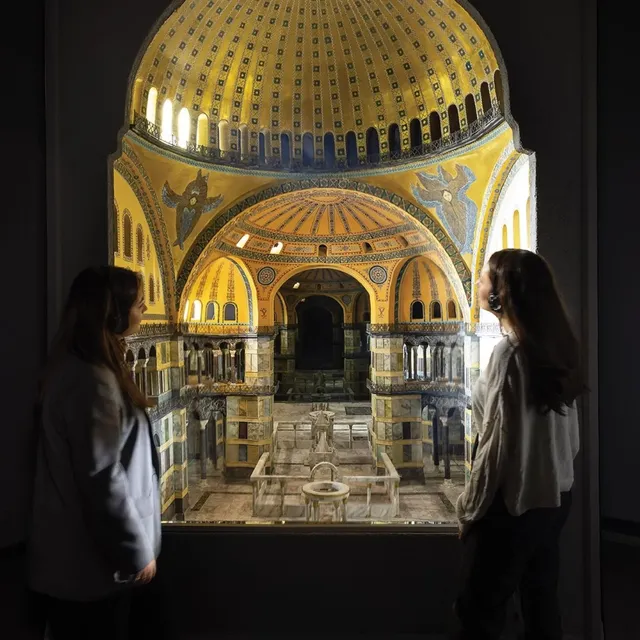
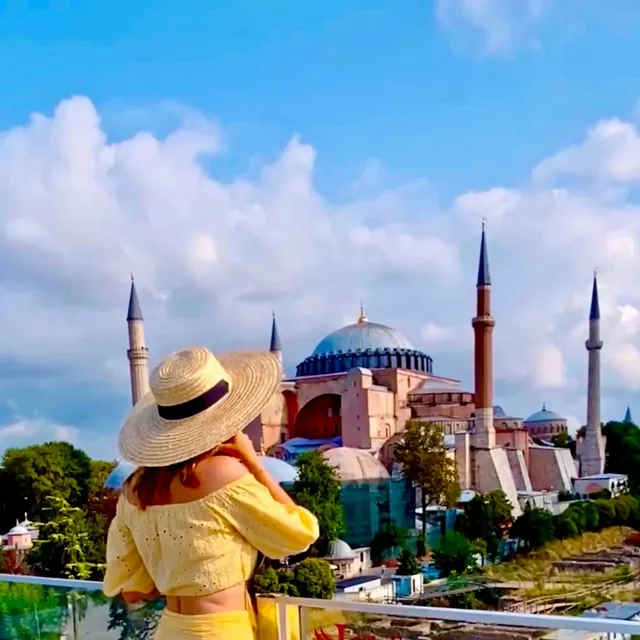
If you are visiting major landmarks such as Hagia Sophia, it may be easier to park once and continue on foot through the surrounding area.
Practical Tips Before You Drive
- Allow more time than your map suggests, especially during morning and evening rush hours.
- Expect narrow, one-way streets in older neighborhoods.
- Watch carefully for pedestrians, scooters, taxis, and sudden stops.
- Do not assume that a quiet-looking street will stay quiet for long.
- Consider ferries or public transport when crossing continents during peak traffic.
Although driving in Istanbul may seem like a major headache, with a little patience, insight, and attention it can be a very practical way to get around the city.
FAQ
Is driving in Istanbul difficult for visitors?
It can be challenging at first because of heavy traffic, narrow backstreets, frequent one-way roads, and an assertive local driving style. However, if you stay patient, avoid peak hours, and plan your route carefully, it can become much more manageable.
Which side of the road do people drive on in Istanbul?
Drivers in Istanbul, like the rest of Turkey, use the right-hand side of the road. This will feel familiar to visitors from most of Europe and the Americas, although local traffic behavior may still require some adjustment.
When is Istanbul traffic worst?
Traffic jams are most common during early morning and evening rush hours. Major congestion points often include the bridges and highway entrances, so trips between the European and Asian sides can take much longer during those periods.
Is parking easy to find in Istanbul?
Parking depends a lot on the area. In historic zones such as Sultanahmet, it may be free but hard to find. In business and entertainment districts, there are usually more paid options, including garages and open-air parking areas.
Should I drive or use public transport in Istanbul?
That depends on your route and timing. Driving can be useful for flexibility, but public transport and ferries may be easier during rush hour or when traveling between crowded central districts. Many visitors combine both depending on the day’s plan.