What Is a Turkish Bath?
Turkish bath, or Turk Hamami in Turkish, is a bathing tradition that goes back to the beginnings of the Ottoman Empire, and some people say the concept is even older and reaches back to the Greek period. Turkish baths are not limited to Turkey. You can also find them in the Middle East, Morocco, Syria, India, and other places that were once part of the Ottoman Empire or were influenced by its culture.
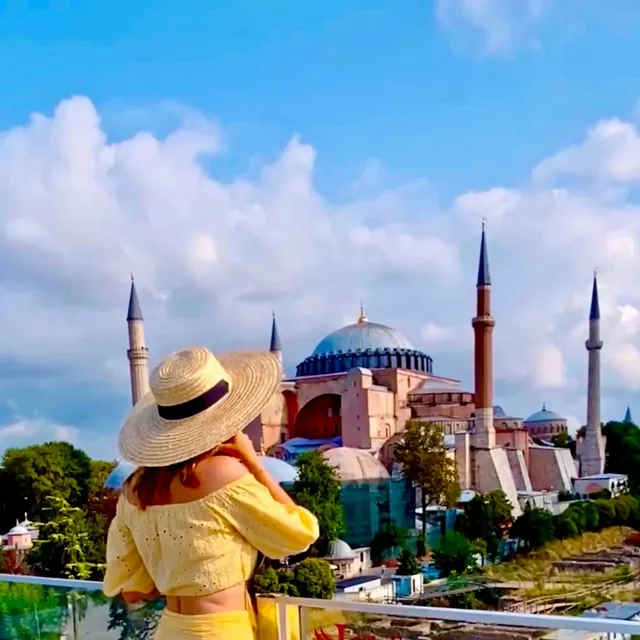
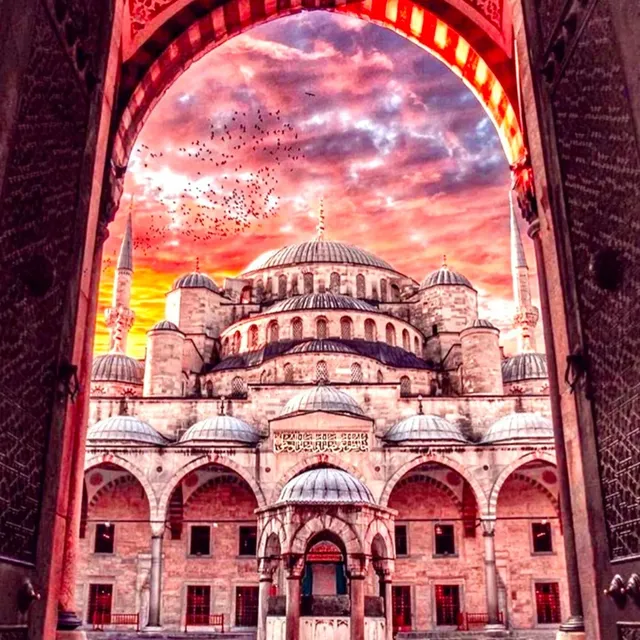
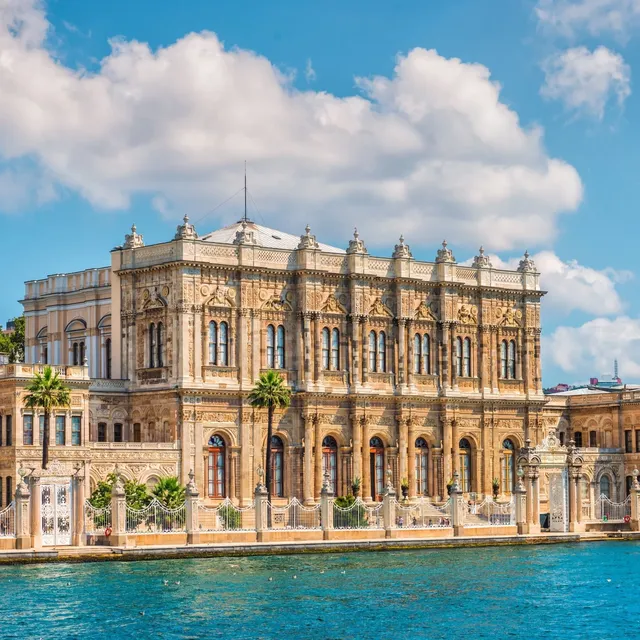
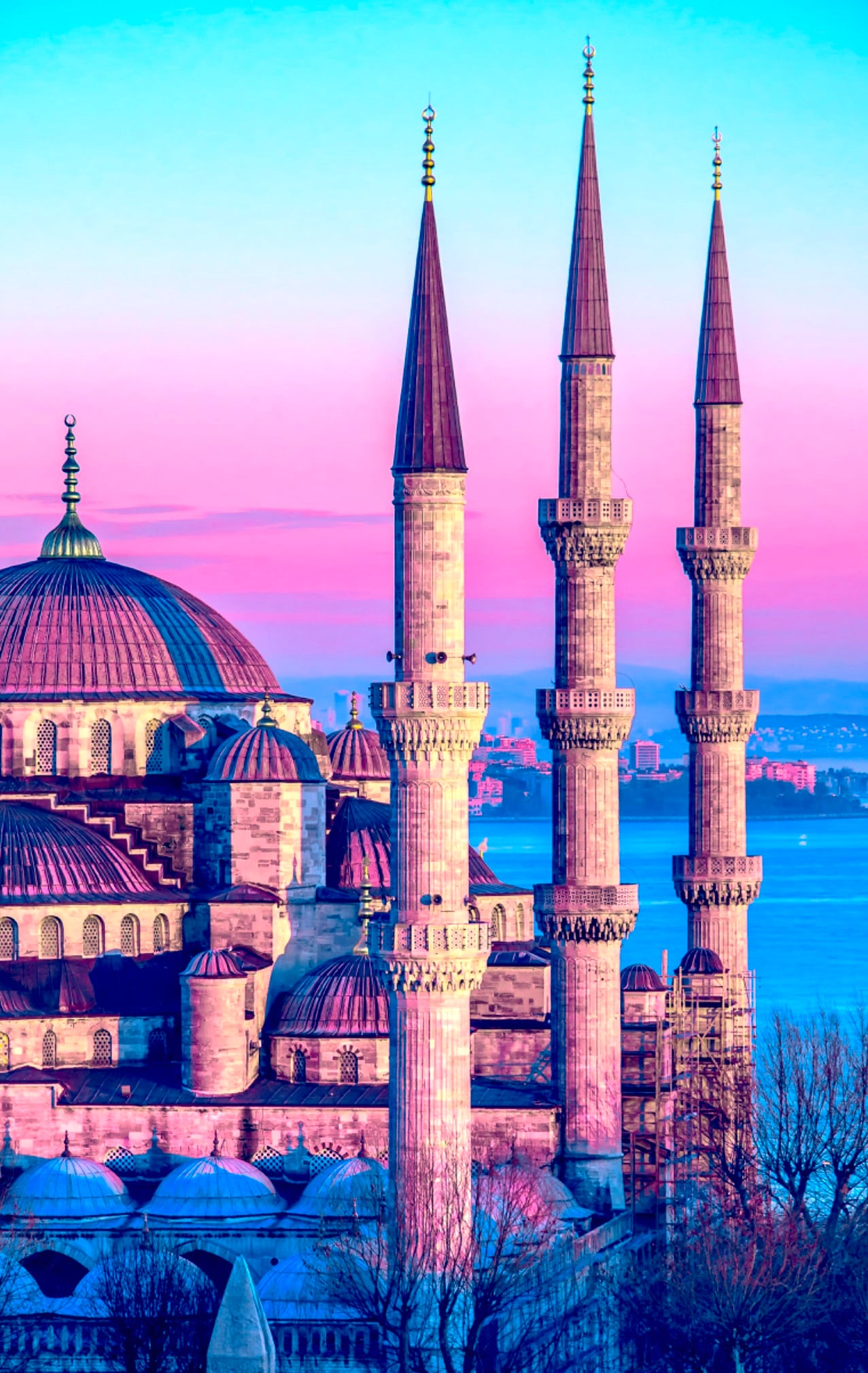
The tradition is especially famous in Istanbul, where visitors often include a hammam experience alongside major landmarks such as the Blue Mosque and Hagia Sophia. If you want a broader guide to this experience, you can also explore our page on Turkish Bath (Hammam).
According to Britannica, the hammam developed as a bathing and steam tradition across the Islamic world, while Ottoman culture gave it its own recognizable form and social role.
Why Is the Turkish Bath So Famous?
The Turkish bath combines techniques associated with the Roman bath and the Asian steam bath. A typical bath has a large central hall made of clean marble, warmed by steam under and around the hall.
You are not fully naked. Usually, you wear a robe or wrap made especially for Turkish baths that covers the lower part of the body. If you are not comfortable with that, you can bring a robe of your own. Inside the hall, you can lie down on the warm marble and let a professional masseuse perform the Turkish bath massage using a loofah and natural soap. The steam itself helps the body relax and may ease tension and spasms.
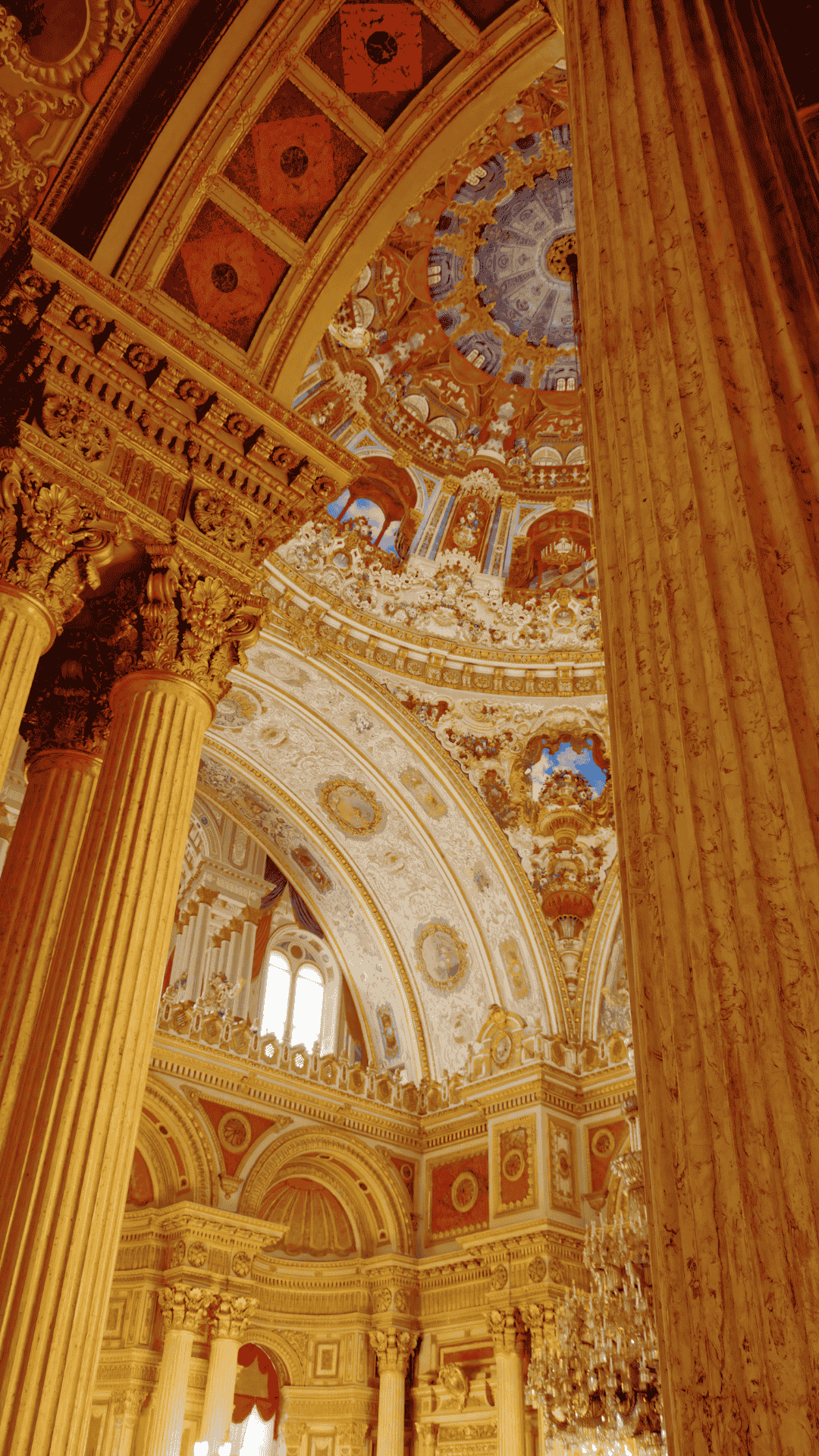
What makes the Turkish bath famous around the world is not only the bathing method, but also the atmosphere. Once you enter the main hall, you may feel as if you are bathing somewhere in the 14th century. That is part of the charm: the experience can feel both relaxing and fascinating at the same time.
How a Turkish Bath Experience Works
One of the distinctive parts of a Turkish bath is the dry heat room. These are smaller halls where you sit and build up sweat for about 10 to 15 minutes. After that, you may move to a larger communal marble space with high ceilings and skylighting from above, which adds to the calm atmosphere.
You can usually stay in this room for as long as you want and simply relax. After spending time in the heat and steam, the massage and scrubbing stage often follows. Many visitors consider this the most memorable part of the experience.
The experience can feel different from one person to another. Some people do not feel comfortable bathing half naked in front of others, and some prefer not to be massaged during their bath. Still, if you are open to it, having the body rubbed with exfoliating material and natural soap is often recommended, as it helps remove dead skin and leave you feeling refreshed.
As for hygiene, the usual practice is that masseuses throw away old materials and use new ones for each customer. That helps many first-time visitors feel more comfortable.
What Happens After the Bath?
When you finish bathing, you change your clothes and return to the main sitting rooms. There, you can relax with a cup of Turkish tea or Turkish coffee. It is normal to feel a little tired after such a deeply relaxing session, but that feeling usually fades once you step outside and start moving again.
In Istanbul, many travelers enjoy pairing a hammam visit with a walk around historic districts or stops at places such as the Grand Bazaar. The combination of history, architecture, and relaxation is one reason the city remains closely associated with the Turkish bath tradition.
Tips Before You Visit a Turkish Bath
- Bring flip-flops. Floors can be wet because of the steam, and you do not want to slip and turn a great experience into a bad memory.
- There are separate sections for men and women. In general, each area has one hall for men and one for women, so you do not need to worry about bathing with the opposite sex.
- The masseuses are trained professionals. If you are unsure about the massage, know that many visitors find it beneficial and comforting.
- Tipping is optional. Some people tip the masseuse when they finish, but it is not a rule. If you feel the service deserves it, you can tip; if not, you are not obligated.
- Bigger hammams may offer a better overall experience. Many travelers prefer larger historic baths for their atmosphere and spacious design.
Should You Try a Turkish Bath?
If you enjoy cultural experiences and want to try a traditional form of relaxation, a Turkish bath can be a memorable part of your trip. It offers more than washing or steaming. It is also about architecture, ritual, and the unique atmosphere that has made the hammam famous for centuries.
For travelers interested in the historical background of hammams in the wider Islamic and Ottoman world, Wikipedia provides a useful overview before your visit.