Where Is the Golden Horn?
The Golden Horn is the waterway that defines the northern edge of the peninsula of Old Istanbul. It is a natural estuary connected to the Bosphorus at the point where the strait meets the Sea of Marmara, and it has long marked the division between Istanbul’s historic core and the rest of the city. With its horn-shaped sheltered harbor, the Golden Horn served as a haven for Greek, Roman, Byzantine, Ottoman, and other maritime trade ships throughout history.
The Historic Bay of Istanbul
As Istanbul expanded, the Golden Horn lost some of its former importance as a major port, yet it remains a vital urban waterway and a popular place to explore. The shores are lined with residential districts, and parts of the waterfront have been turned into landscaped quays. Among the notable landmarks on its banks is the Bulgarian St. Stephen’s Iron Church. The waterway is also associated with the old Galata Bridge and its eateries, which continue to attract both locals and visitors.
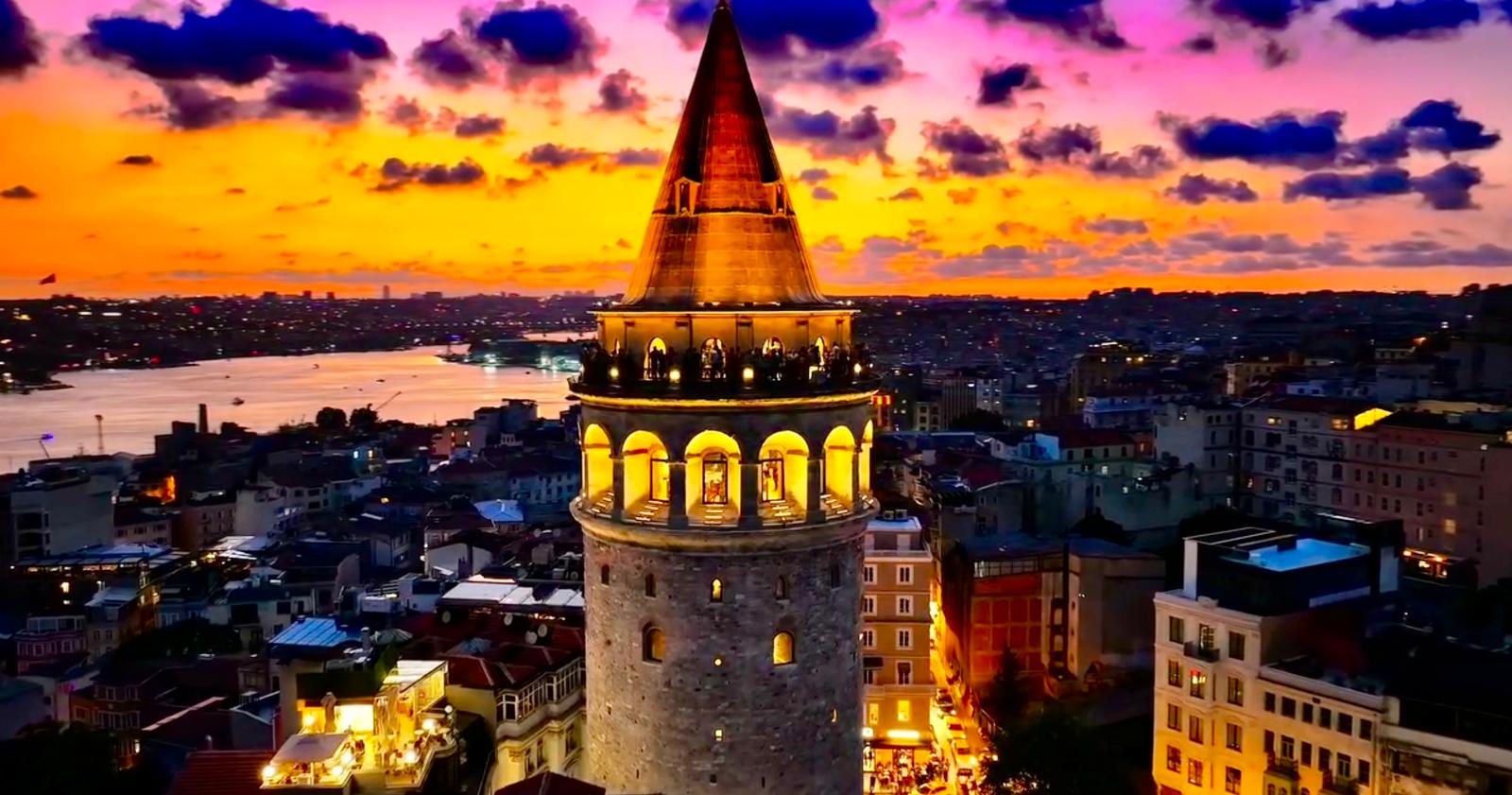
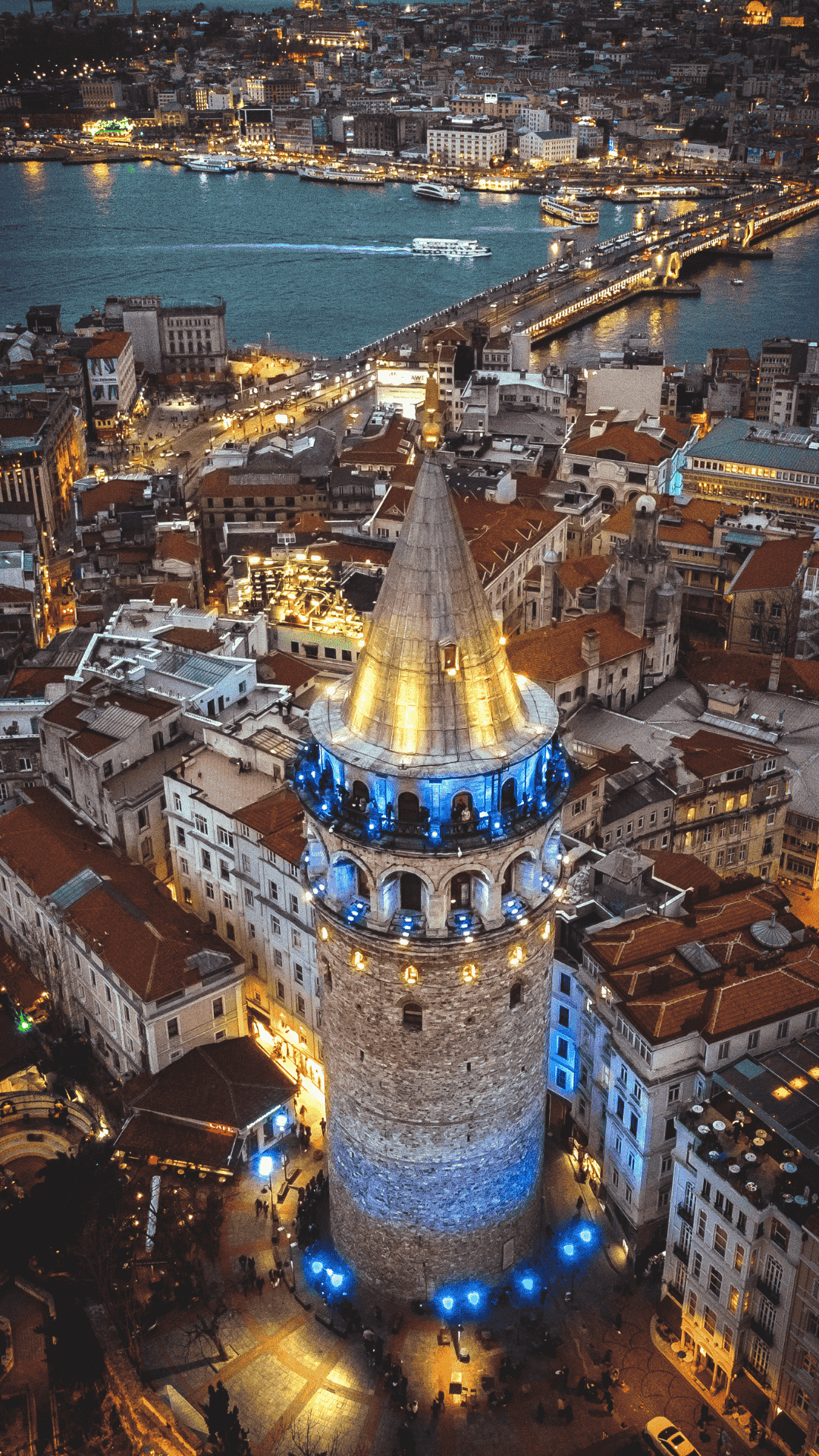
Today, the Golden Horn is crossed by several important bridges. At its mouth stands the Galata Bridge, linking the historic peninsula with Beyoğlu and offering easy access toward landmarks such as Galata Tower. Farther inland are the Atatürk Bridge and the Haliç Bridge, both important for city traffic and everyday movement across this historic inlet.
Golden Horn Bridges and Transportation
One of the most interesting unrealized ideas connected to the Golden Horn is Leonardo da Vinci’s 1502 bridge concept. His design proposed a bridge without columns, but it was never built in Istanbul. It later inspired the design of a somewhat smaller bridge in Norway.
The Golden Horn Metro Bridge added a modern layer to this historic setting. This steel cable-stayed bridge carries the M2 line of the Istanbul Metro across the Golden Horn. It is the fourth bridge over the waterway and connects the Beyoğlu and Fatih districts on the European side of the city. Positioned between the Galata Bridge and the Atatürk Bridge, it links the Yenikapı transportation hub directly with Hacıosman on the metro line. For current routes and service details, it is best to check the official Metro Istanbul website.
Another bridge farther north connects Ayvansaray in the southwest with Haliçioğlu in the northwest. These crossings make it easy to move between neighborhoods and reach the waterfront from different parts of the city. If you are coming from Galata Tower, you can cross the bridges and continue toward the Golden Horn shoreline.
Boat Tours on the Golden Horn
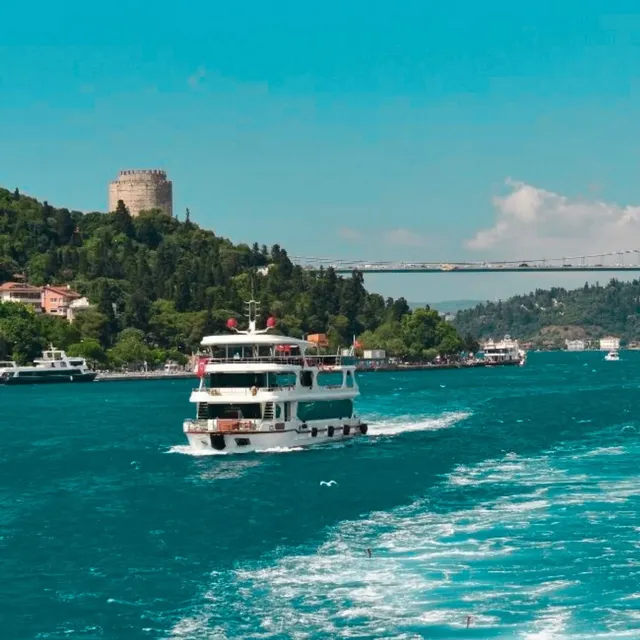
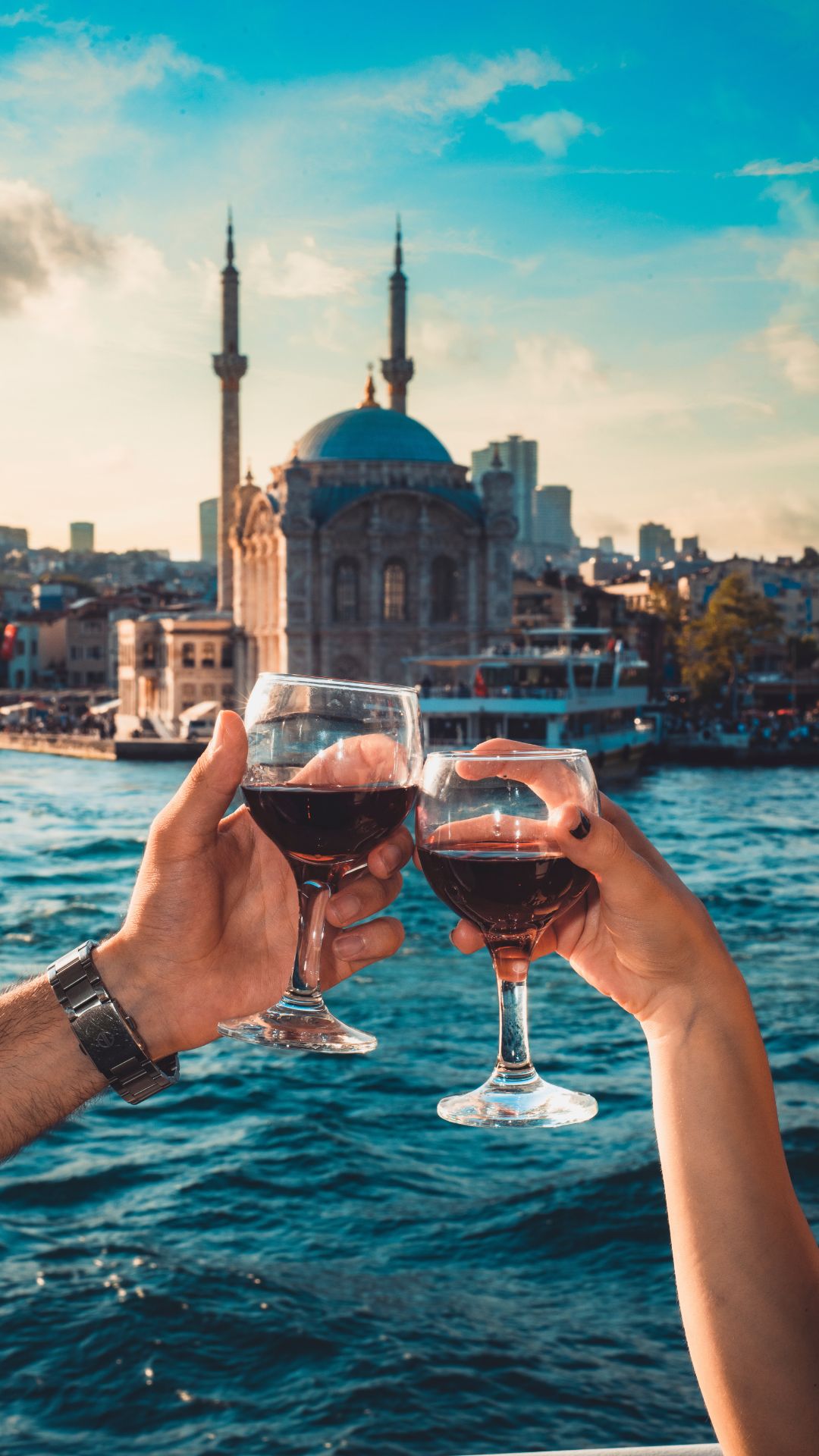
A boat excursion is one of the most enjoyable ways to experience the Golden Horn. Visitors can join a tour that combines the Golden Horn with the Bosphorus, allowing them to see the meeting point of historic waterways and modern Istanbul from the water. These trips pass several of the city’s best-known routes and reveal the shoreline from a very different perspective.
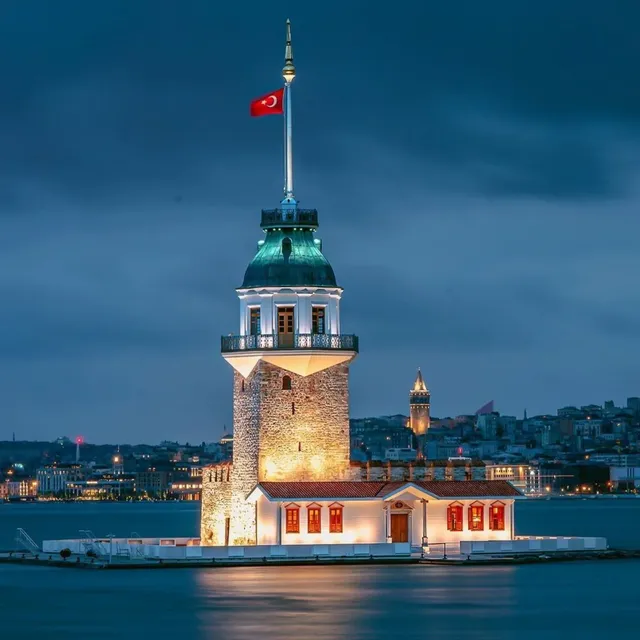
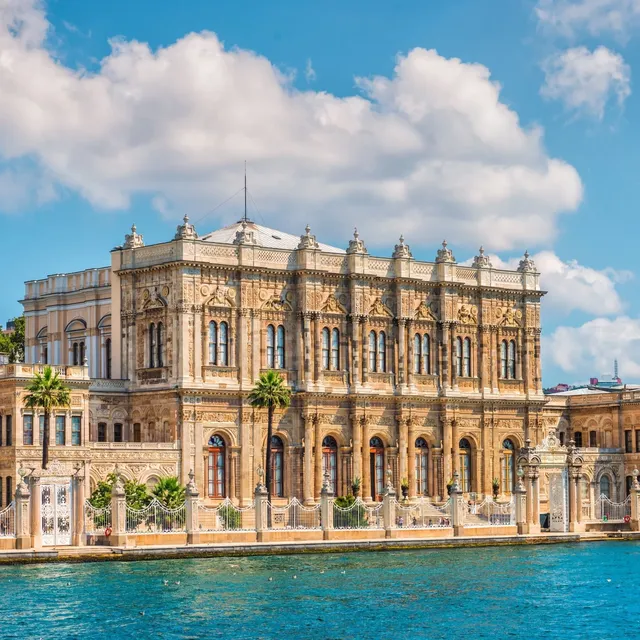
On a combined route, you may see famous sights including Dolmabahce Palace, Maiden's Tower, the Bosphorus bridges, Rumeli and Anadolu fortifications, and Ottoman waterfront mansions. If this kind of trip appeals to you, you can also explore options for a Bosphorus Cruise. For official city ferry information and route updates, check Şehir Hatları.
The long coastline gives these tours a special atmosphere, especially in spring. At that time of year, the Judas tree, long associated with Ottoman Istanbul, blooms along parts of the shore. The purple tones of its flowers can cover parks, streets, cemeteries, and promenades, creating one of the city’s most memorable seasonal views.
Best Views of the Golden Horn
If you want a sweeping panorama of the Golden Horn, Pierre Loti Café is one of the classic viewpoints. The setting is especially known for its broad outlook across the water and the historic districts beyond. It is remembered as a place where the French Orientalist Pierre Loti spent time gazing over the waters of the Golden Horn.
The Golden Horn is not only a geographical feature but also a place where layers of Istanbul’s history become visible at once. From Byzantine and Ottoman maritime heritage to metro bridges, promenades, and sightseeing boats, it offers a mix of old and new that is very typical of the city. Whether you cross it on foot, by metro, by car, or by boat, the Golden Horn remains one of Istanbul’s defining urban landscapes.