The Myth of the Bosphorus
The Bosphorus is one of Istanbul’s defining landmarks, linking continents, shaping history, and framing some of the city’s most memorable views. Bosphorus Istanbul owes its name to Thracian culture and Greek mythology. The name refers to one of the lovers of Zeus, whom he turned into a cow to protect her from Hera’s anger. The poor cow had to swim across the strait, yet could not escape Hera’s rage in the end.
The strait is traditionally called Boğaziçi, meaning “inner strait,” a name closely tied to its strategic importance as one of the two passways between the Black Sea and the Mediterranean Sea. Its width varies from 730 to 3300 meters, while its depth changes between 50 and 120 meters. This large-scale channel has always been significant for the rulers of two continents and remained at the core of conquests. In 1453, when Sultan Mehmed II conquered Istanbul by sliding ships over land toward the Golden Horn, the Bosphorus and Istanbul began to be ruled by the Ottomans, and since then the strait has stood as one of the symbols of the city.
Transportation Alternatives on the Bosphorus Strait
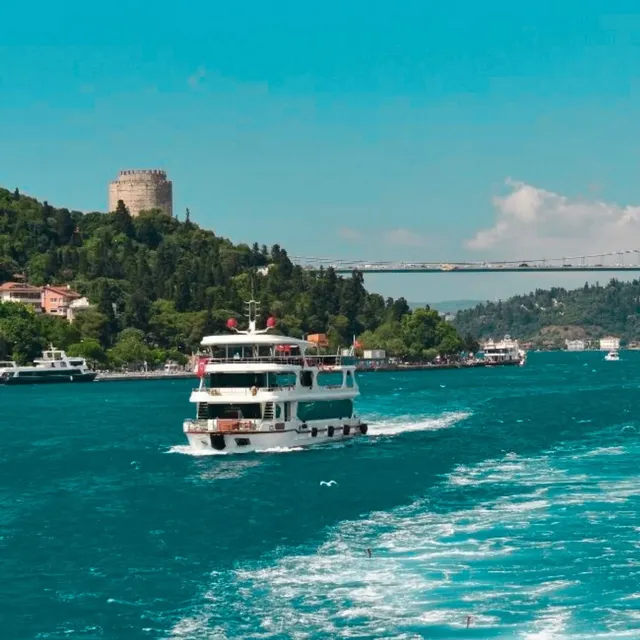
Serving as a busy international waterway, the Bosphorus Strait was reinforced by bridge construction beginning in the 1970s. The Bosphorus Bridge, or Boğaziçi Köprüsü, was the first one opened in 1973, connecting Ortaköy and Üsküdar. The Fatih Sultan Mehmet Bridge, linking Anadolu Hisarı to Rumeli Hisarı, was built in 1988 to alleviate traffic. Farther north, the third bridge, Yavuz Sultan Selim Bridge, was completed in 2016 and connected Garipçe and Poyrazköy.
These latter two bridges also include highways for intercontinental transport. There are also two subterranean tunnels crossing beneath the Bosphorus Strait: Marmaray serves as an underground rail line, while the Eurasia Tunnel is for automobiles. In short, there are three Bosphorus bridges and two tunnels actively used for commuter and international transport. For official public transport updates, routes, and practical information, travelers can also check Metro Istanbul.
Fascinating The Bosphorus Day Tours
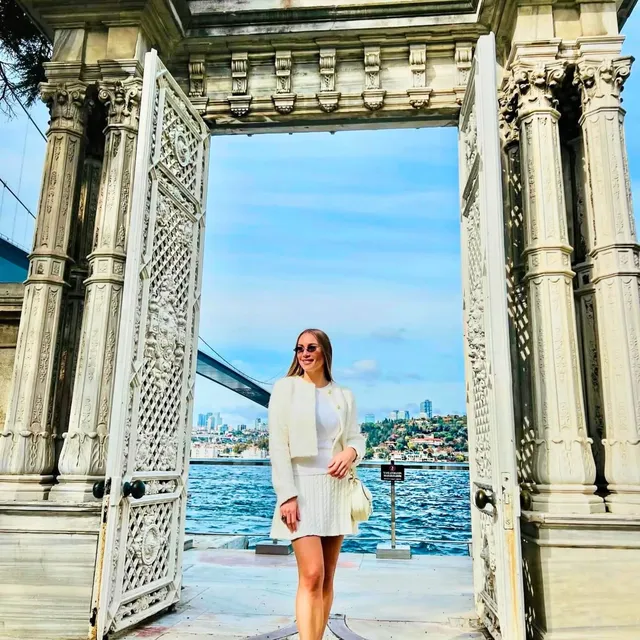
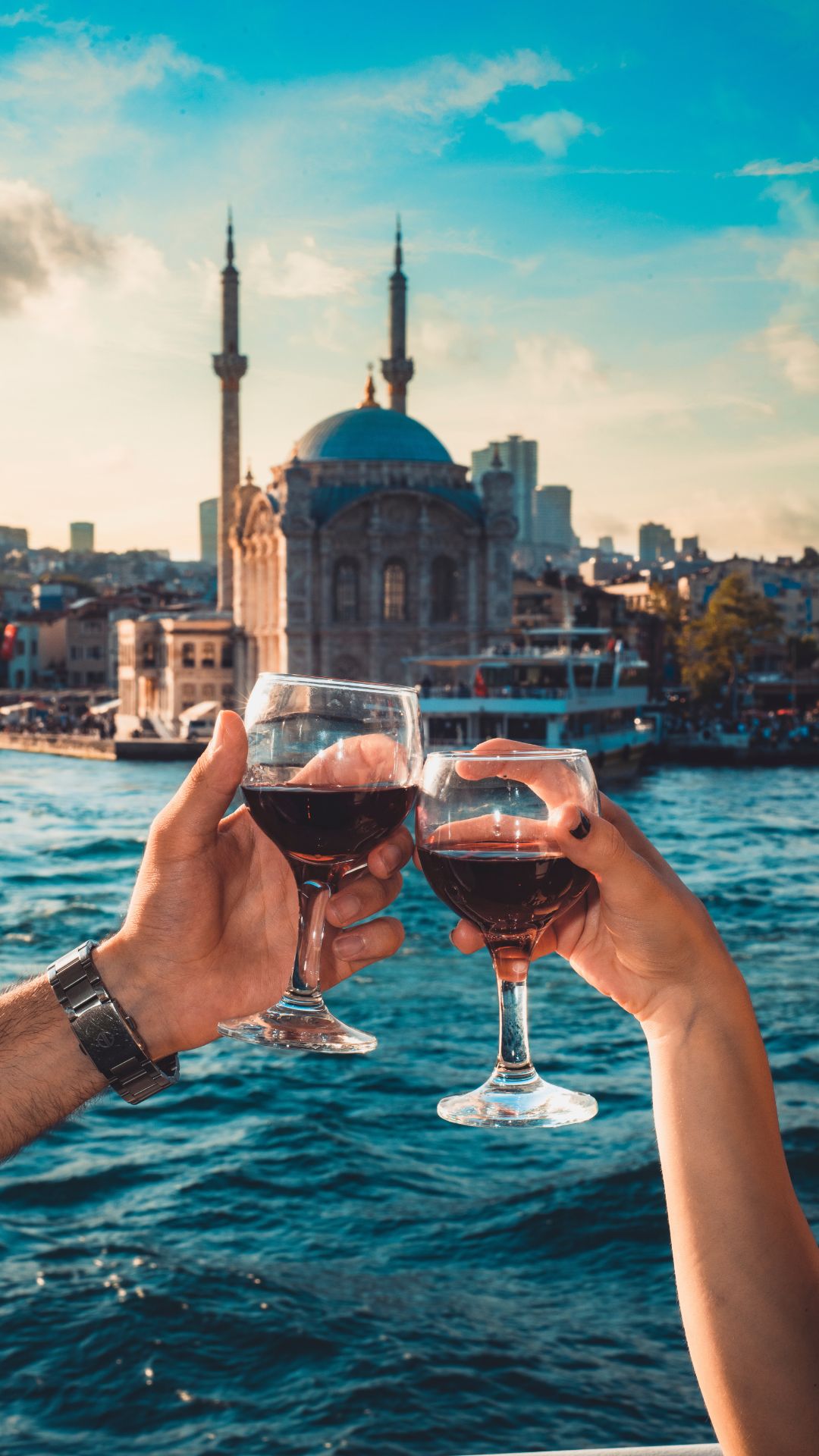
The Bosphorus is worth visiting not only for business but also for recreation and visual appeal. Along the strait on both continents, visitors encounter exceptionally attractive views of Ottoman architecture shaped by manor houses, waterfront residences, and palaces. Many of Istanbul’s major attractions also benefit from this scenery, which creates a wide variety of things to do around the Bosphorus, from sightseeing to scenic excursions.
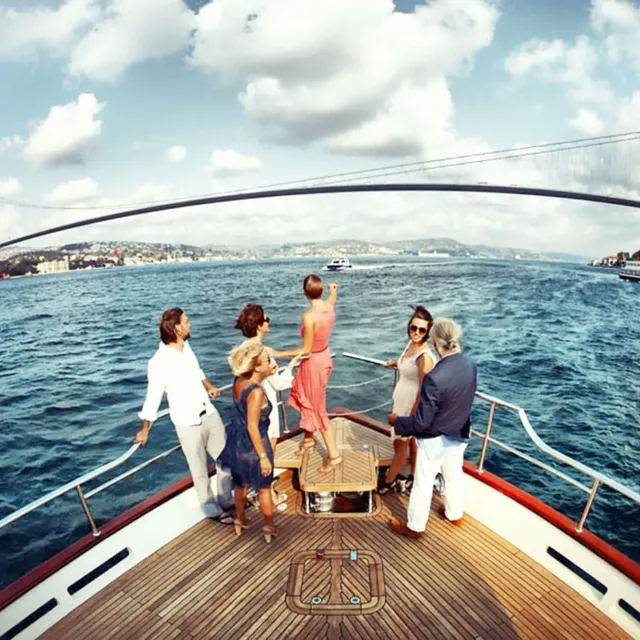
Among the many alternatives, a Bosphorus Cruise remains one of the most time-efficient and enjoyable ways to explore the waterway. One favorite for travelers is a cruise focused on city sightseeing, where you can admire the magnificent architecture of Dolmabahce Palace and Çırağan Palace on the European shore while also seeing Beylerbeyi Palace and many elegant waterfront mansions on the Asian side.
If you have a full day to explore the Bosphorus from south to north, a Black Sea extension allows you to discover quieter stretches filled with natural colors in Poyrazköy, Küçüksu, and Anadolu Kavağı. This kind of route is often arranged as a Bosphorus cruise with lunch so that more time can be dedicated to sightseeing while dining on board.
Another option combines the Bosphorus with the Golden Horn, letting visitors discover two important waterways together. In such itineraries, the sightseeing portion may include the Spice Bazaar, while the cruise follows the beautiful Bosphorus. Some tours can also be joined from Üsküdar.
There are also programs that combine a Golden Horn tour with a Bosphorus cruise and a cable car ride to Pierre Loti. Full-day options may begin with old-city exploration in Balat and Fener, continue with a morning cruise toward Rumeli Fortress, and end with a panoramic cable car experience over Eyüp and Pierre Loti.
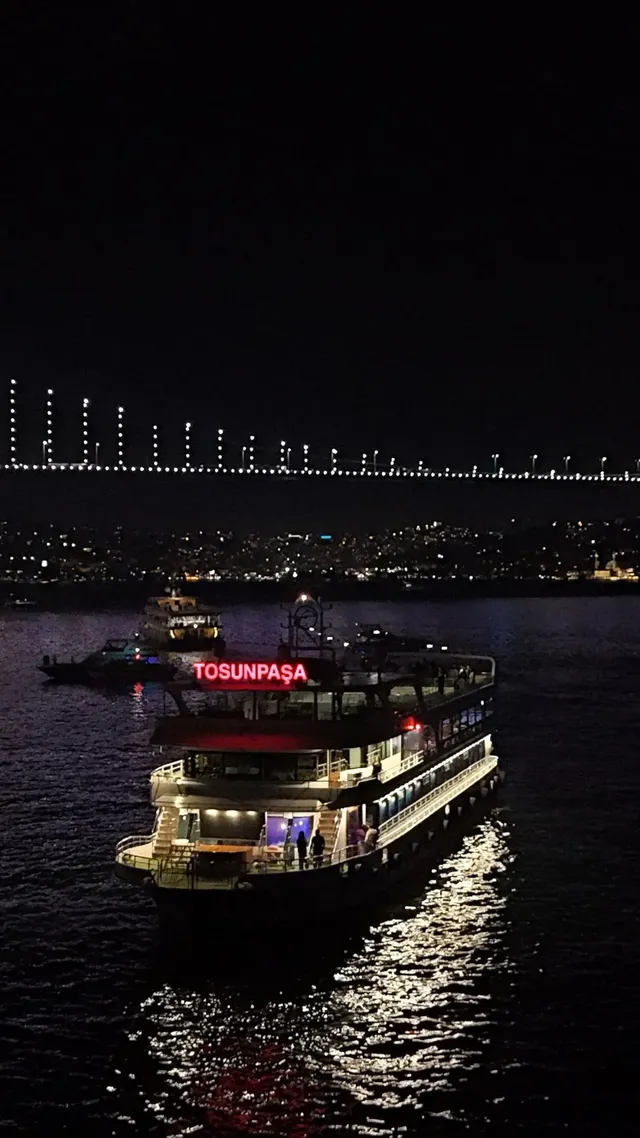
Bosphorus Cruise at Night
If you would like to see the uniquely illuminated palaces while tasting traditional Turkish cuisine on a boat, a Bosphorus Dinner and Show Cruise offers exactly that in a cozy atmosphere. This Bosphorus cruise dinner with Turkish show includes traditional ceremonies such as the whirling dervish and Mehter march, along with folklore elements like Caucasian dance, folk dance, and belly show. If you are interested in the cultural background of the dervish ceremony, see UNESCO’s page on the Mevlevi Sema tradition.
Joining a Bosphorus cruise is generally easy, since travelers can select a preferred schedule and cruise style among Istanbul tour events. Depending on the tour, pickup may be available from central locations or directly from your hotel. If you plan to join a cruise after another sightseeing activity, checking departures near Beşiktaş can be especially practical, as many Bosphorus cruises start from that area.
Elegant Accommodation Choices on the Bosphorus
To enjoy the scenery of the Bosphorus throughout your stay, there is a large selection of hotels with a Bosphorus view. One of the best-known choices, Four Seasons Istanbul Hotel Bosphorus, remains popular for its exclusive services, stylish decoration, and impressive views from the European shore.
If you prefer an authentic atmosphere on the Asian side, Sumahan on the Water offers a distinctive stay in a renovated waterfront manor house in Çengelköy. As a boutique hotel, it reflects the peaceful yet elegant spirit of the traditional yalı houses.
Another five-star option on Çırağan Street occupies a former Ottoman imperial palace and today serves as an ultra-luxury hotel. Çırağan Palace Kempinski Istanbul presents Ottoman-style luxury alongside modern comforts. Located close to Ortaköy, where the Bosphorus Bridge is located on the European side, it is also known for its Bosphorus-view restaurant and for hosting exclusive wedding and reception banquets.
What Makes the Bosphorus Special?
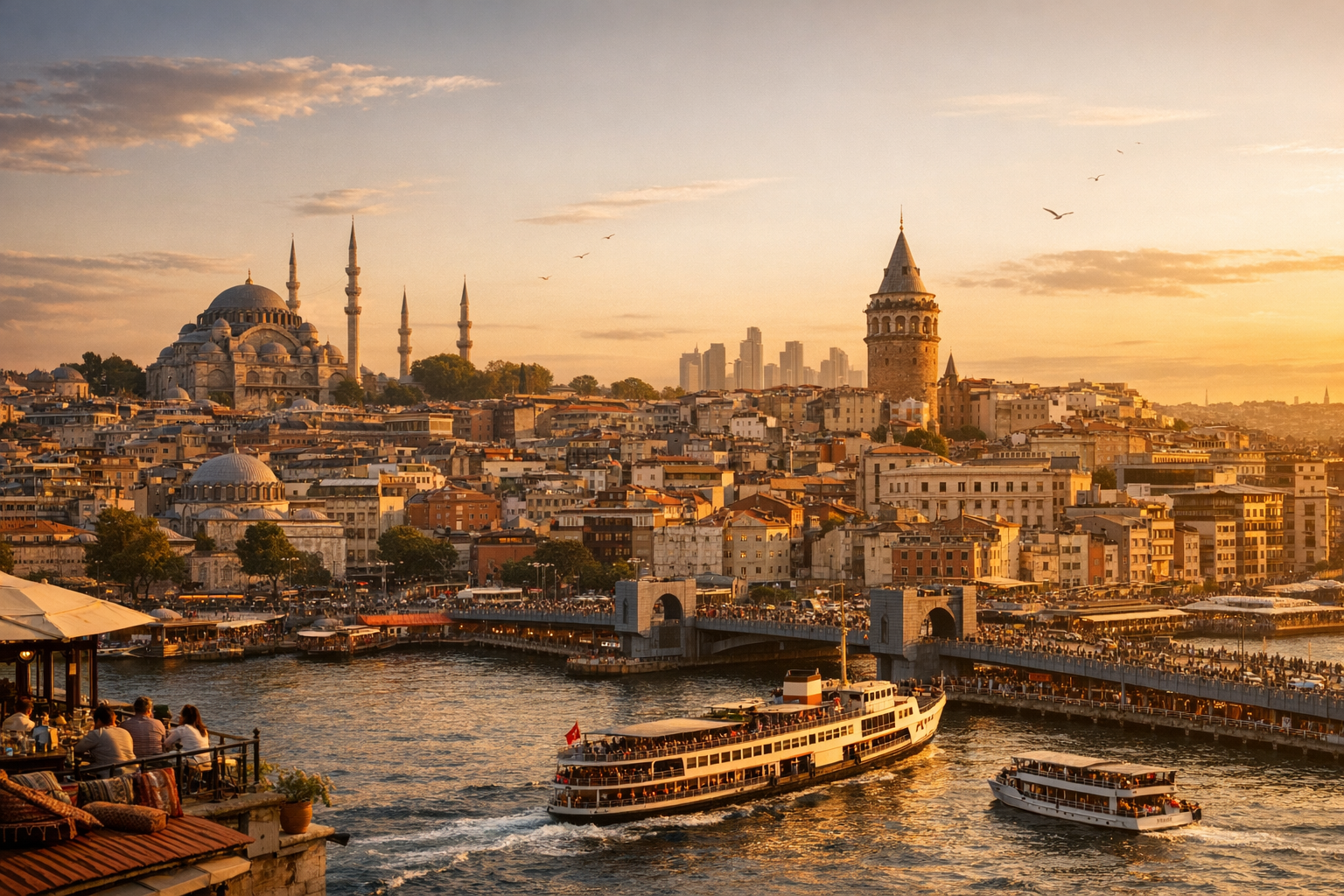
The Bosphorus is not simply a strait dividing Europe and Asia. It is a living route of ferries, ships, bridges, palaces, waterfront mansions, and neighborhoods that reveal Istanbul from a completely different perspective. Whether you experience it by day or by night, on shore or on a cruise, the Bosphorus remains one of the city’s most essential sights.