Museums and scenery in Halic
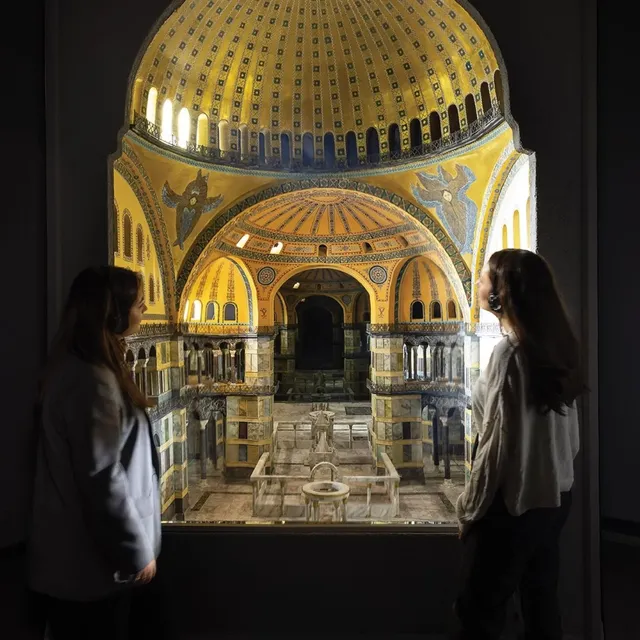
When you are exploring a city for the first time, museums are one of the best ways to understand its past and present. In Halic, they also come with memorable waterfront views. If you would like to see the richness of Turkey’s architecture and art in one stop, Miniaturk offers a small-scale version of the country’s natural and man-made heritage.
Known as the world’s largest miniature park, Miniaturk presents many works of Turkish monumental art from antiquity through the Roman Empire, from Byzantium to the Ottoman Empire. You can see miniature versions of bridges, cathedrals, mosques, caravansaries, and social complexes from across Turkey. For visitors who want context before exploring the rest of Istanbul, it can be a very useful introduction.
Another notable stop is the Rahmi Koc Museum, Turkey’s first major museum devoted to industrial transport and communications. It is especially interesting for visitors who enjoy technology and design. Its collection includes classic cars, technology created by Leonardo da Vinci, historical planes, and locomotives. If you plan to continue discovering historic neighborhoods after your visit, nearby Balat also makes a natural addition to a day around the Golden Horn.
For broader background on the waterway itself, you can also read about the Golden Horn, the larger historic inlet that shapes the identity of Halic.
Churches and mosques of Halic
Beyond its scenery and museums, Halic is home to churches, mosques, an Islamic-Ottoman social complex, and a Mevlevi dervish retreat. If you are interested in architecture, this part of Istanbul offers a layered view of the city’s religious and cultural history.
The most significant and revered mosque in the area is Eyup Sultan Mosque. It was among the first mosques constructed by the Ottomans and was built during the reign of Mehmet the Conqueror. For many visitors, it is not only an architectural stop but also an important spiritual site.
Another important monument is the Gul Mosque, which was once a chapel before being converted into a mosque. It is still used for prayer today and is notable for its Greek cross plan. These buildings show how Halic reflects the city’s long transitions between empires, faiths, and artistic traditions.
If religious architecture is a main interest during your trip, you may also want to compare these sites with major landmarks such as Suleymaniye Mosque in another part of the city.
Traditional Ottoman institutions in Halic
Since Mevlevi lodges are uncommon, Bahariye Mevlevihanesi is especially worth visiting. This Mevlevi lodge for dervishes was established in 1613 at the request of the grand vizier of the time. It offers a valuable chance to encounter the culture of Islamic mysticism. The lodge has been refurbished and occasionally hosts various events.
If you are curious about Mevlevi practices, Halic can be a meaningful place to learn more. Visitors interested in this tradition may also enjoy seeing a Whirling Dervishes performance elsewhere in Istanbul to better understand the ceremony and its cultural setting.
Another important site is the Zal Mahmutpasa Kulliyesi, a former Islamic and Ottoman social complex that includes a mosque, a madrasah, and a fountain. Since being restored in 2015, prayers are accepted there. Social complexes like this are strong examples of traditional Turkish construction and help explain how Ottoman urban life was organized. If you are interested in the history of Turkey, exploring one or two of these complexes can add real depth to your visit.
Where to eat in Halic
Nearly every major sight around Halic has places to eat nearby, so it is easy to combine sightseeing with a meal or a tea break. Starting your day with breakfast at the charming Fenerbahce Ferry on Halic can be a pleasant way to settle into the atmosphere of the area.
For something more casual, the modest fast-food spot near the Rahmi Koc Museum courtyard is known as a reasonable option. After visiting Eyup Sultan Mosque, many visitors enjoy Sultanzade Sofrasi and Eyup Sultan Konagi for traditional home-style cooking. If you head up to Pierre Loti Hill, the historic Pierre Loti tea garden is a classic stop for tea, Turkish coffee, shisha, and light refreshments.
Because restaurants and menus can change over time, it is always wise to check current details before you go. For transportation updates while planning your route around the area, official public transit resources such as Metro Istanbul can be helpful. You can also find general background on Halic through Wikipedia’s Golden Horn entry.
Planning your visit
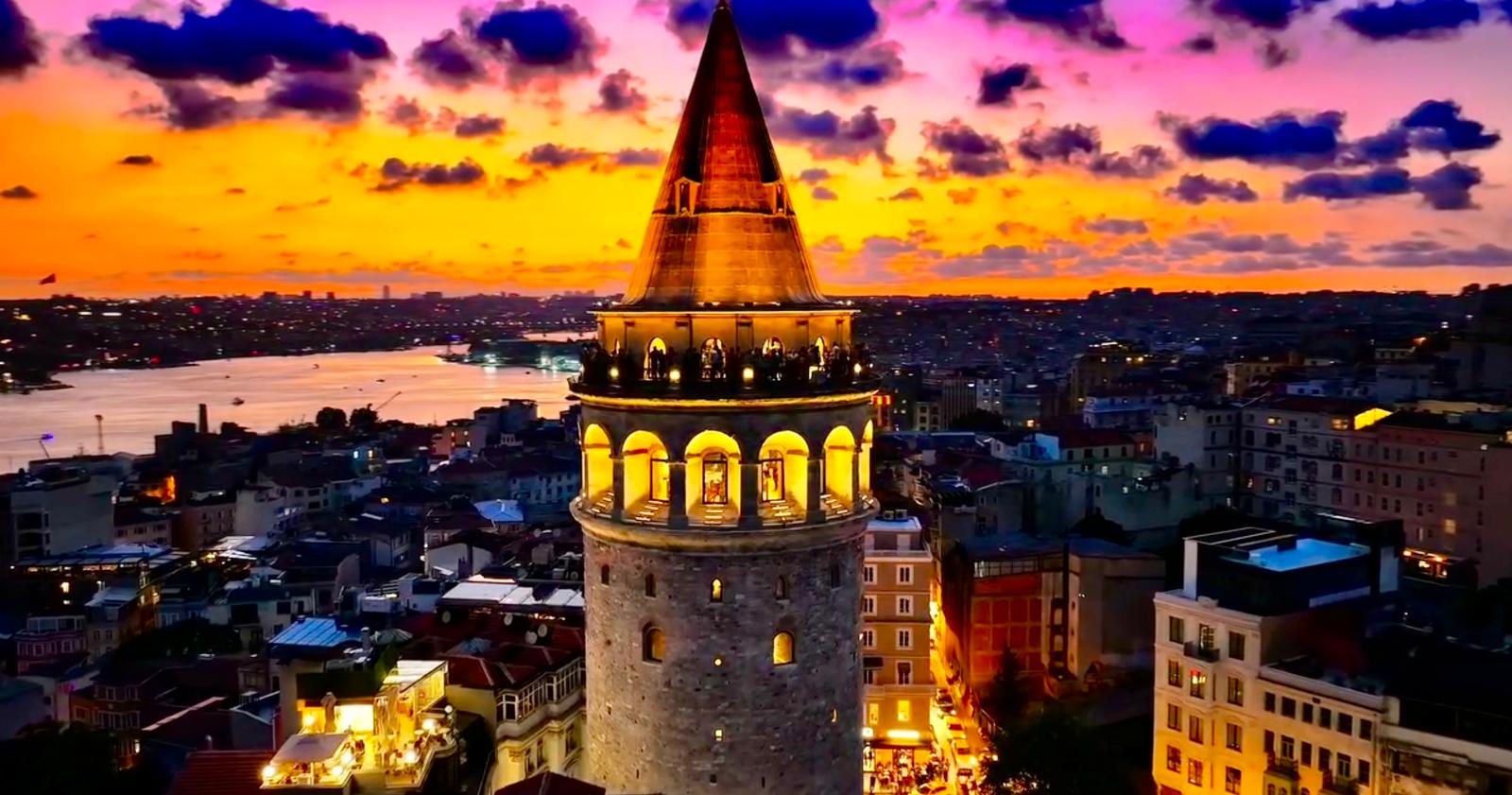
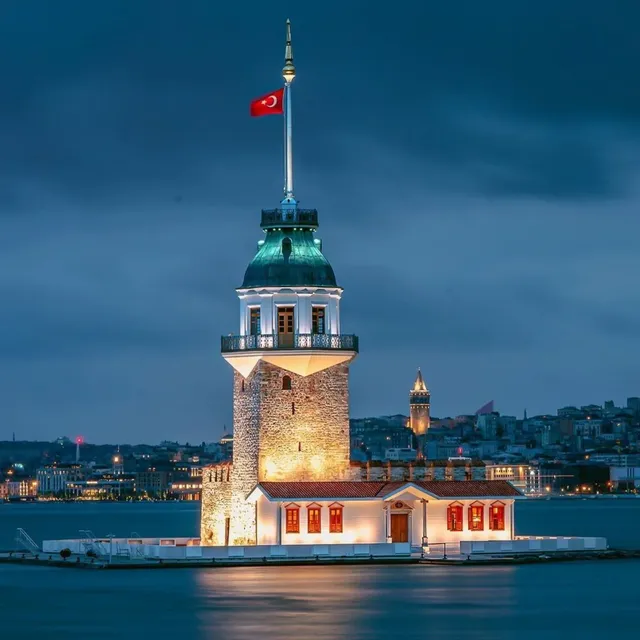
Halic works well for travelers who want more than one kind of Istanbul experience in a single area. You can combine panoramic water views with museums, religious landmarks, Ottoman institutions, and local dining. It is a place that rewards slow exploration, especially in the late afternoon when the light begins to soften over the water.
Whether you come for history, architecture, culture, or simply the scenery, Halic remains one of the city’s most atmospheric districts.