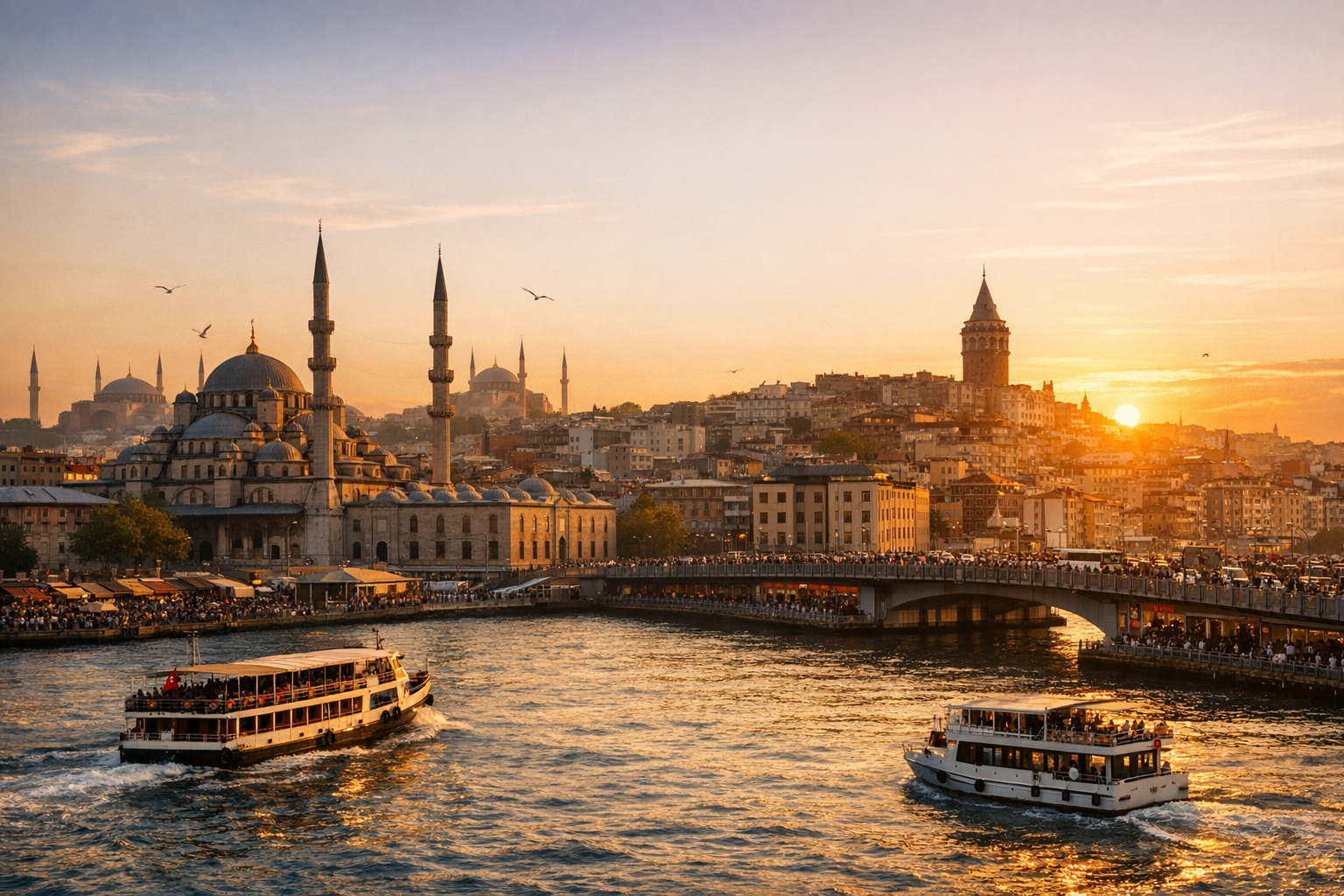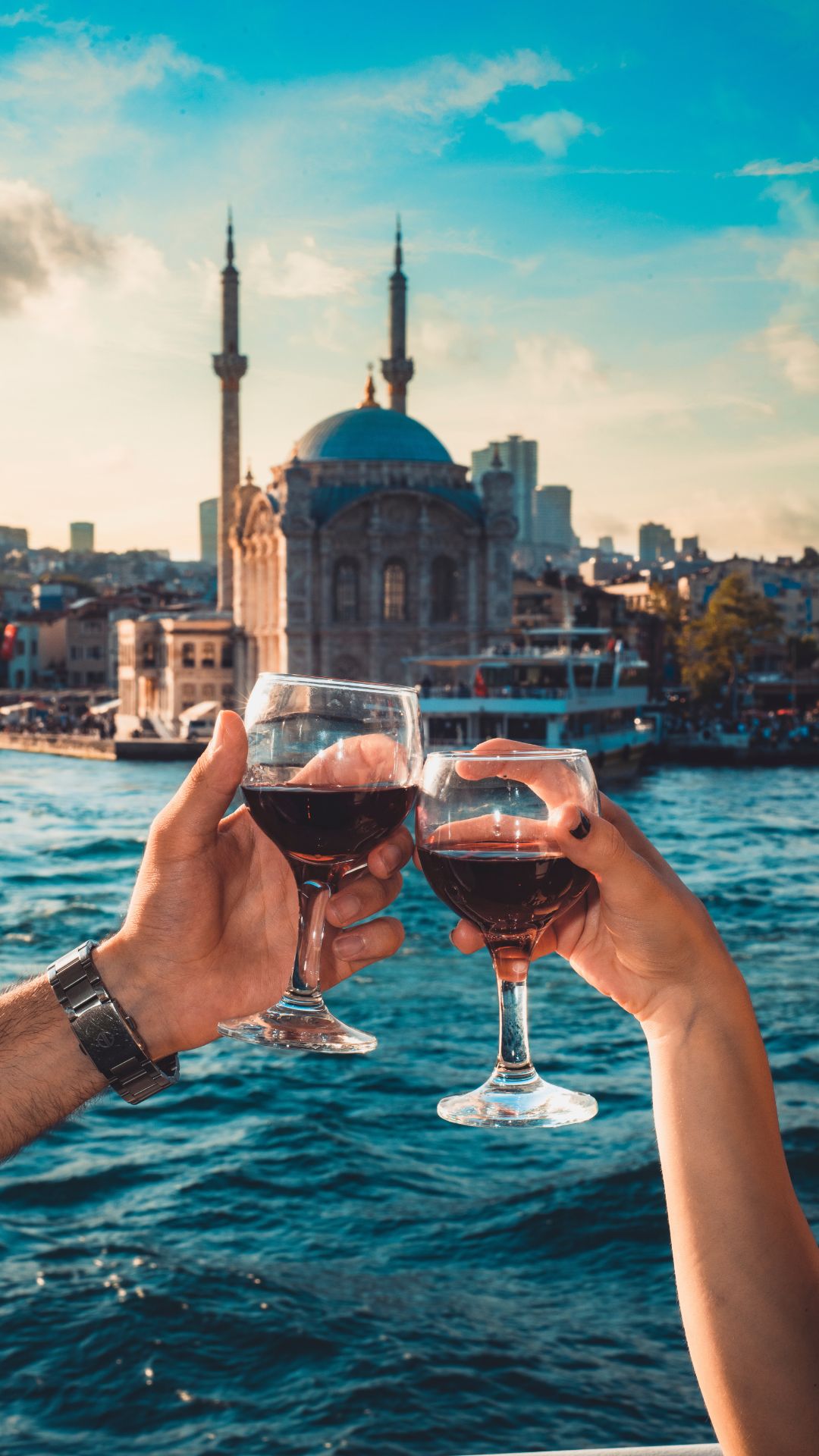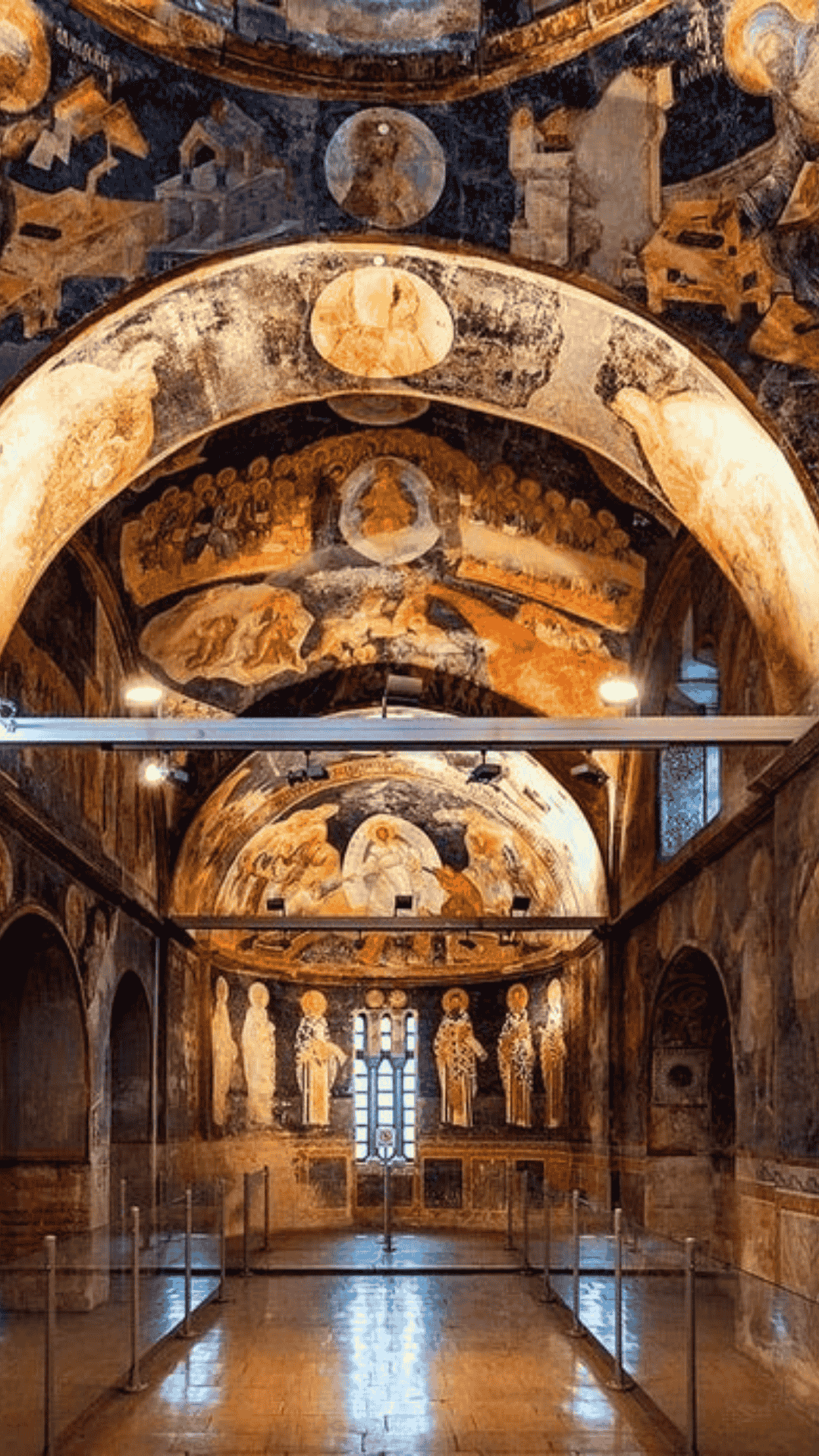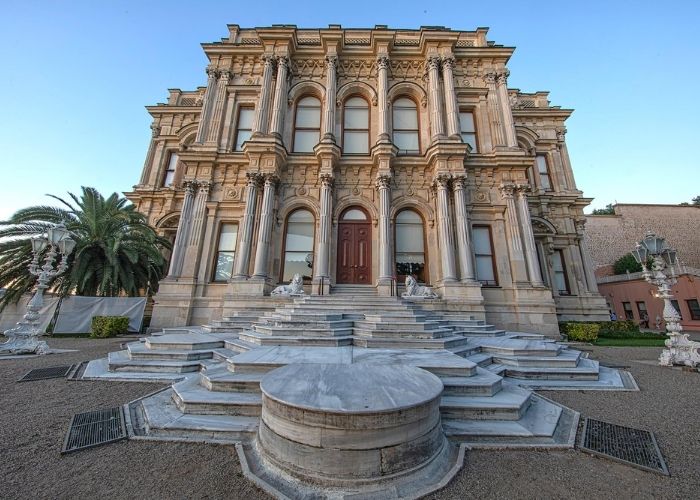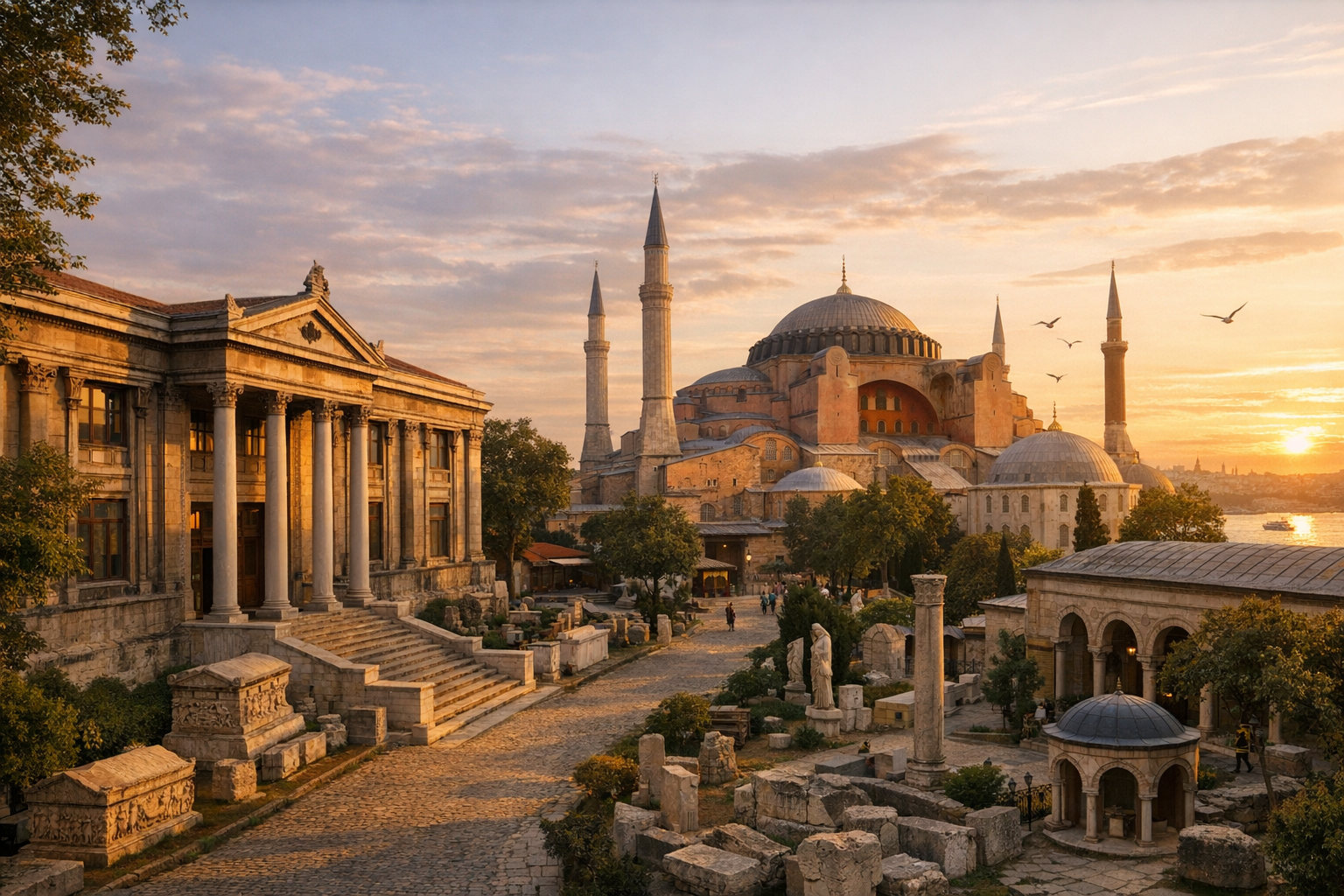
Rising along one of Istanbul’s most storied shores, Galataport combines the past and present in a way that feels natural rather than forced. Ottoman-era port structures have given way to museums and public spaces, while the waterfront promenade opens the area to both locals and travelers. Whether you are arriving by cruise ship, staying nearby, or simply exploring Karaköy, this stretch of coast invites you to slow down and take in Istanbul from a fresh angle.
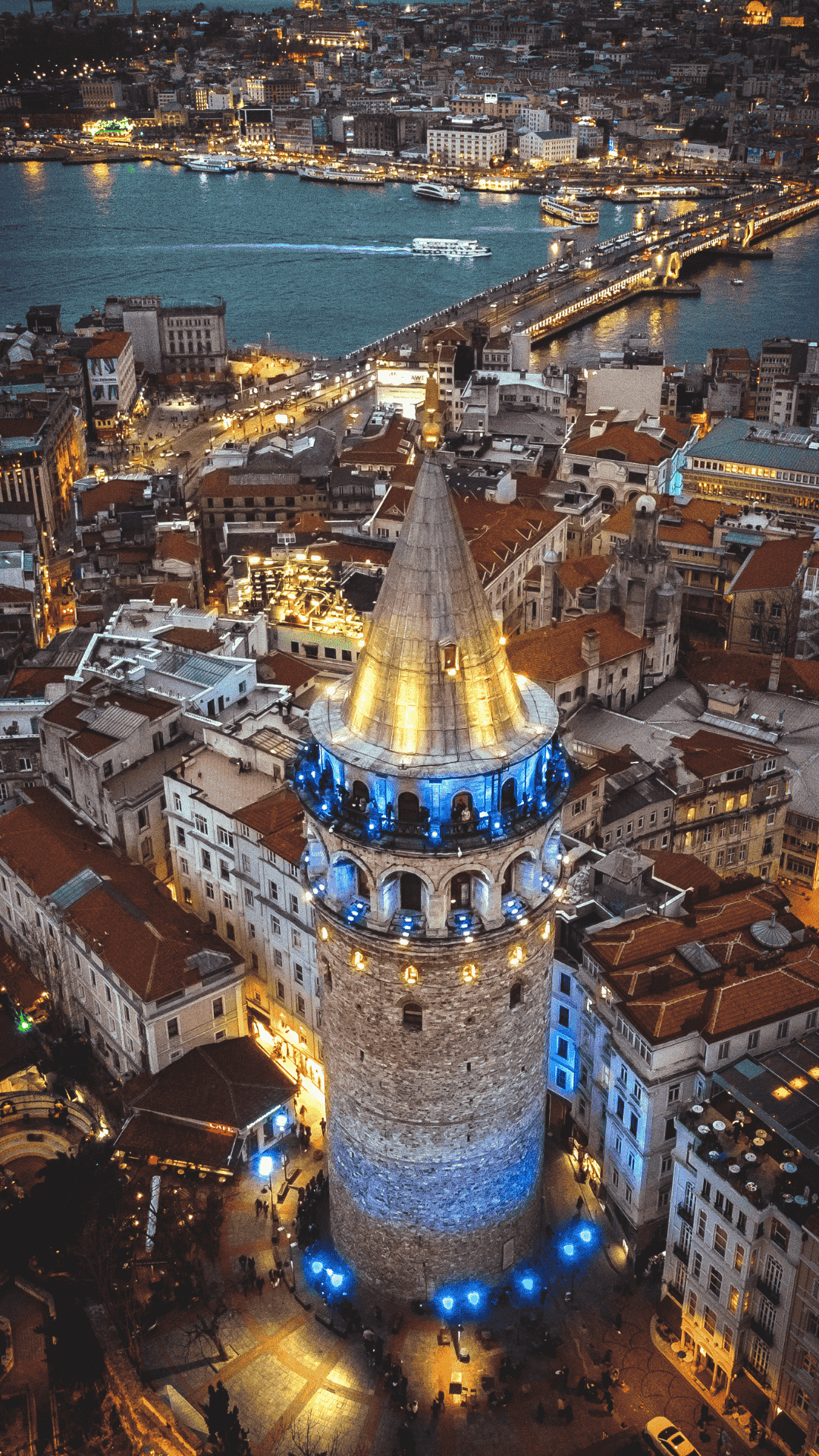
In this guide, we look at the historic landmarks around Galataport, the art institutions that give it cultural depth, its innovative cruise terminal, its broad dining and shopping options, and practical ways to reach it from central districts. The result is a fuller picture of why Galataport has become one of Istanbul’s most talked-about waterfront developments.
Galataport Istanbul and the Tophane Clock Tower
One of the most recognizable landmarks near Galataport is the Tophane Clock Tower, also known as the Nusretiye Clock Tower. Standing near the waterfront, it serves as a reminder that this district was important long before it became a contemporary cruise and lifestyle destination.
Historical significance and legacy
The Tophane Clock Tower was commissioned by Sultan Abdulmecid I in the 1840s during a period when the Ottoman Empire was undergoing major reform. Designed by Ottoman architect Nigogos Balyan, the structure reflects a neo-Baroque style shaped by both Ottoman and European influences. It was not simply built to tell time. It also symbolized modernization and marked the entrance to the Tophane district, once an active area of military production and trade.
Its location gave it added meaning. Overlooking the Bosphorus and the harbor approaches, the tower stood as a visual marker of authority and change. In the broader story of Istanbul, it represents a moment when the empire was adapting to new ideas while still rooted in its own traditions.
Why it matters for visitors
Today, the clock tower remains a convenient and meaningful stop for travelers walking through Karaköy and Galataport. Its proximity to the cruise terminal makes it easy to include in a short stroll, and its historic presence adds depth to a district that can otherwise seem defined only by newness. The article’s original claim notes that visitors can climb its 92 steps for city views; as access conditions can change, it is wise to check current visitor information on official or local sources before planning around that experience.
Istanbul Modern at Galataport Istanbul
A major cultural anchor of the area is Istanbul Modern, Turkey’s first museum dedicated to modern and contemporary art. Located within Galataport, it gives the waterfront an intellectual and artistic dimension that goes beyond shopping and dining.
The museum is known not only for its exhibitions but also for its role as a meeting point for artistic dialogue, education, and public programming. Temporary exhibitions, workshops, screenings, and events help make it approachable for both dedicated art followers and curious first-time visitors.
Architecture and setting
The building was designed by the Renzo Piano Building Workshop. Its design responds to the maritime setting with light-filled interiors and broad views that connect the galleries to the surrounding cityscape. The architecture creates an experience in which art and waterfront atmosphere feel closely linked.
Collections and artistic scope
Inside, visitors encounter a broad view of Turkish art from the late 19th century to the present, alongside works by international names. The museum also houses the MSGSU Istanbul Museum of Painting and Sculpture collection, donated by Mimar Sinan Fine Arts University in 1971. This collection includes more than 1,000 works spanning painting, sculpture, and decorative arts, making it an important stop for anyone interested in the development of Turkish visual culture.
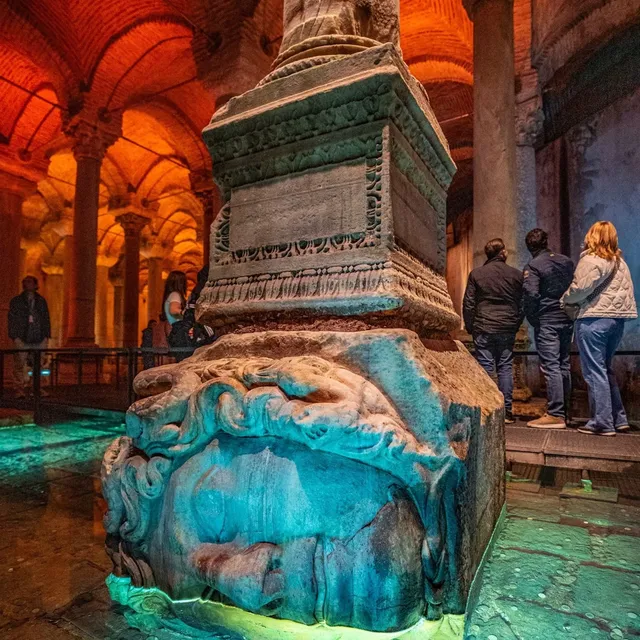
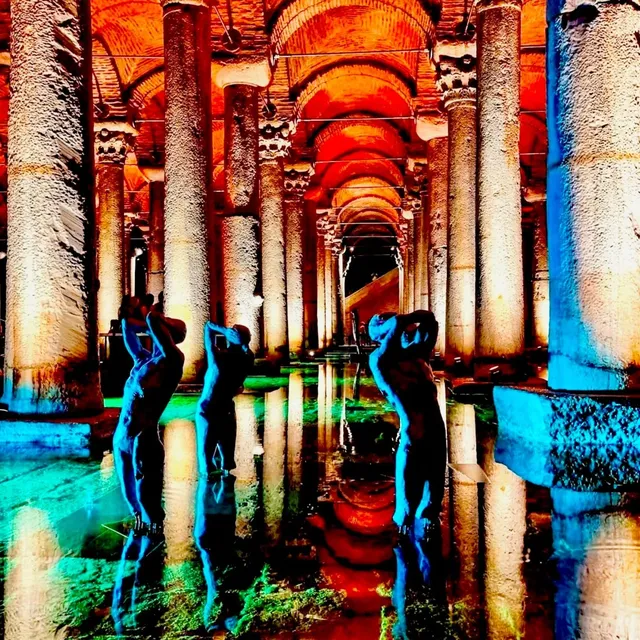
For travelers planning museum visits, it can be useful to compare Istanbul Modern with other major historic attractions such as Basilica Cistern, especially if you want a balance of contemporary art and Byzantine heritage in the same itinerary.
Galataport Istanbul’s subterranean cruise terminal
Galataport Istanbul has also attracted attention for its unusual cruise infrastructure. Its subterranean terminal was designed to change the standard cruise-port experience by moving core passenger operations underground and keeping the waterfront itself more open to the public.
How the terminal works
The terminal uses a hatch system that connects cruise ships with underground passenger areas. According to the original article, this helps reduce the long lines and congestion often associated with embarkation and disembarkation. Check-in, immigration, baggage claim, and security operations take place below ground, leaving the surface level for public circulation and sea views.
Capacity and technical features
The article states that the terminal has a daily capacity of 15,000 passengers and can handle three cruise ships at the same time. It also notes baggage conveyor systems and storage facilities designed for efficient movement and security. In addition, Galataport is described as being built to serve 25 million people a year, including 7 million foreign tourists and about 1.5 million cruise passengers. As large-scale infrastructure figures can be updated over time, readers should check official sources for the latest operational data.
Design inspiration
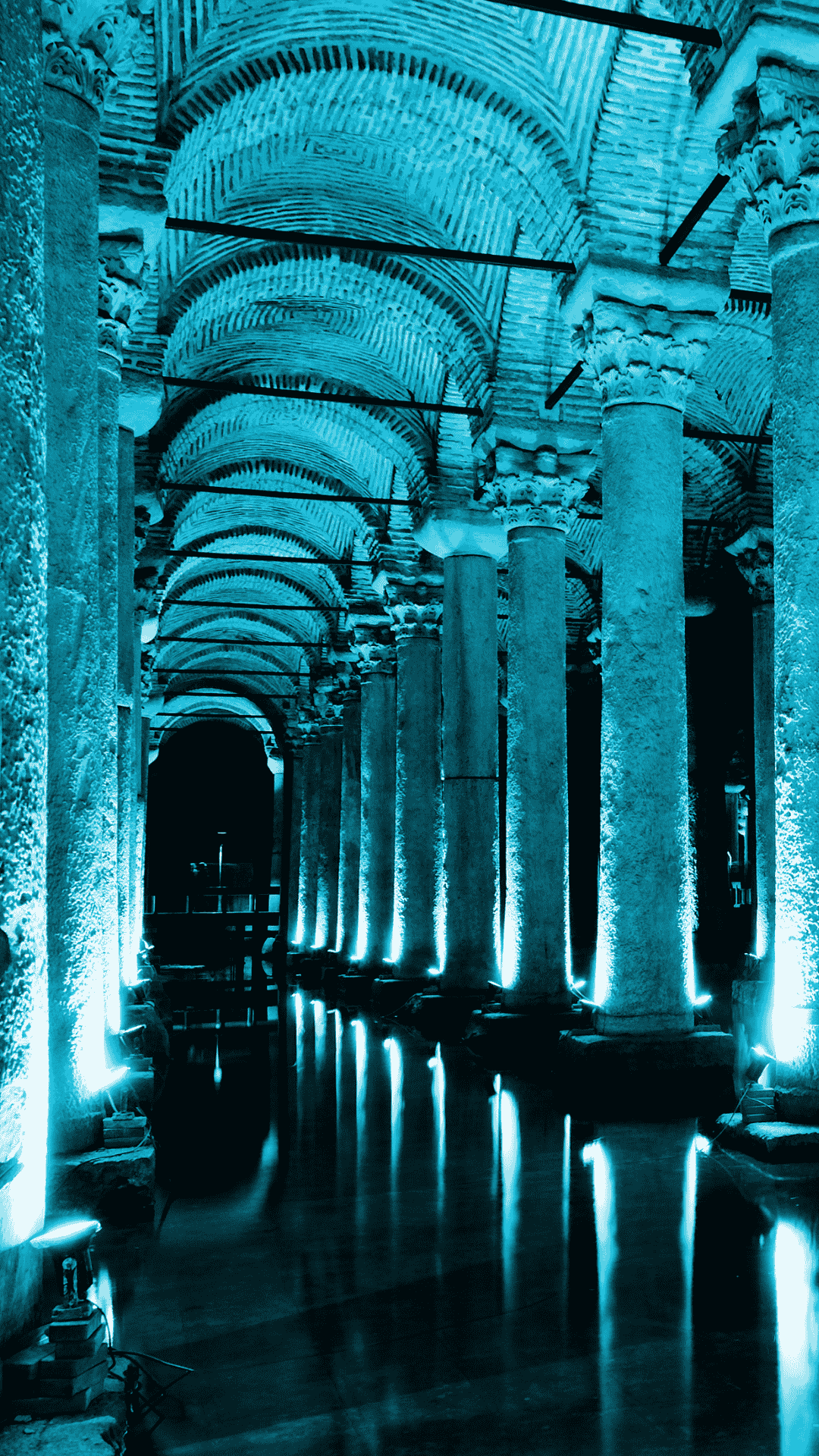
The architectural idea balances modern engineering with references to Istanbul’s layered past. The original article points to inspirations from the Basilica Cistern, particularly in the way underground space is turned into something atmospheric rather than purely functional. Local materials and careful use of natural light help the terminal feel less like a closed transit zone and more like part of the city itself.
Restaurants at Galataport Istanbul
Galataport is also a dining district with a wide range of restaurants and cafes. The appeal lies in variety: Turkish classics, global chains, upscale venues, seafood, desserts, coffee stops, and casual bites all sit within the same waterfront complex.
The original article highlights places such as Saltbae Burger, Sait, and Grandma Galataport while emphasizing the broader mix of local and international cuisine. It also notes that Galataport caters to different budgets and preferences, from fine dining to quick meals.
Alphabetical list of cafes and restaurants mentioned
- Baylan
- BigChefs
- Bodrum Mantı
- Burger King
- Butterfly
- Cafe Fuego
- Cookshop
- Cremma
- DD Scoop
- Divan Patisserie
- Frankie
- GIZIA BRASSERIE
- Gina
- Günaydın Kebap & Steakhouse
- Günaydın Köfte & Döner
- Galata Hills
- Grandma Cafe
- Hafız Mustafa
- İkon
- İstinye Tavukçusu
- İstinyemiş
- Kahve Dünyası
- Kahve Dünyası Al Götür
- Kirpi Cafe
- Kiva
- Köşkeroğlu
- L’Atelier Vakko Bistrot
- Liman İstanbul
- LOVENTI BELGIUM
- Mezzaluna
- Monochrome
- Muutto Anatolian Tapas Bar
- Ottoman 1860
- Popeyes
- Prince Coffee House
- Roka İstanbul
- Sait Balık
- Sagra 1936
- Saltbae Burger
- Şekerci Cafer Erol
- Simit Sarayı
- Starbucks Paket Postanesi
- The Populist
- Vakkorama Cafe
- Vandal
- Wong
For many visitors, the value of dining here is not just the menu but the atmosphere: sea views, lively crowds, stylish interiors, and the convenience of being able to eat between museum visits, shopping, or a waterfront walk.
Shopping variety at Galataport Istanbul
Shopping is another major part of the Galataport experience. The area mixes luxury labels, Turkish fashion names, bookstores, technology shops, gourmet food outlets, and souvenir options. This makes it appealing to travelers who want both international brands and more local discoveries in one place.
- Designer delights: Dior, Gucci, Valentino, Ipekyol, and Beymen are mentioned in the original article.
- Home and lifestyle: Maison d'Etto, Armağan Kids, and Vakko Home.
- Tech and gadgets: Apple Store, Teknoloji Market, and Polaroid.
- Books and music: D&R, Libreria Gatti, and Kasetçiden.
- Food-focused shopping: Hafız Mustafa, Eataly, Sevan Bıçakçı, and ice cream options noted in the article.
Independent stores and souvenirs
Beyond major names, the article also points to smaller specialty shops and handmade goods. Ferah Bakkal, Adamo, Atilla Karat, and Sevan Bıçakçı are mentioned for crafts, natural products, jewelry, ceramics, textiles, and other keepsakes.
If you want to combine modern retail with more traditional shopping in the same trip, Galataport pairs well with a visit to the Grand Bazaar, where the atmosphere and style of commerce are entirely different but equally memorable.
The Peninsula Istanbul in Galataport
For travelers seeking a high-end stay, The Peninsula Istanbul adds another layer of luxury to the district. The hotel sits on the Bosphorus waterfront in Karaköy and is described in the original article as an ultra-luxury property composed of four buildings, three of which have been restored to reflect their historical character.
Its presence reinforces Galataport’s role not just as a day-visit destination but also as a base for visitors who want premium accommodation within walking distance of museums, restaurants, and the waterfront promenade.
How to get to Galataport Istanbul
Reaching Galataport is relatively straightforward from central districts such as Eminönü and Taksim Square. Public transport, walking, and short transfers all make it accessible.
From Eminönü
- Ferry: The original article recommends the Eminönü-Kabataş Ferry and describes it as a scenic 15-minute ride.
- Tram: The T1 line runs toward Kabataş, with Karaköy as a short walking point for access.
- Bus: The article lists 1M, 26, 26A, 27E, 27SE, 28, 29C, 41E, 43R, 62, and 63.
From Taksim
- Metro: Take the M2 to Şişhane, then continue on foot or by tram.
- Funicular: The original article refers to the historic Tünel route as a nostalgic option into Karaköy.
- Bus: Listed lines include 40T, 42M, 46A, 46Ç, 55T, and 99T.
If you prefer to verify current routes, service changes, or timings before you go, official transport resources such as Metro Istanbul and IETT are the best references.
Why Galataport Istanbul stands out
What makes Galataport distinctive is not any single feature but the way multiple experiences sit side by side. You can view a 19th-century clock tower, visit a contemporary art museum, dine by the water, browse luxury shops, watch cruise activity, and continue on to surrounding neighborhoods such as Karaköy and Beyoğlu without needing to switch gears completely. It is a curated district, yes, but one that still opens onto the broader city.
For travelers interested in a polished waterfront experience with easy access to both culture and convenience, Galataport Istanbul earns its place on the itinerary.