What to see in Beyazit Istanbul
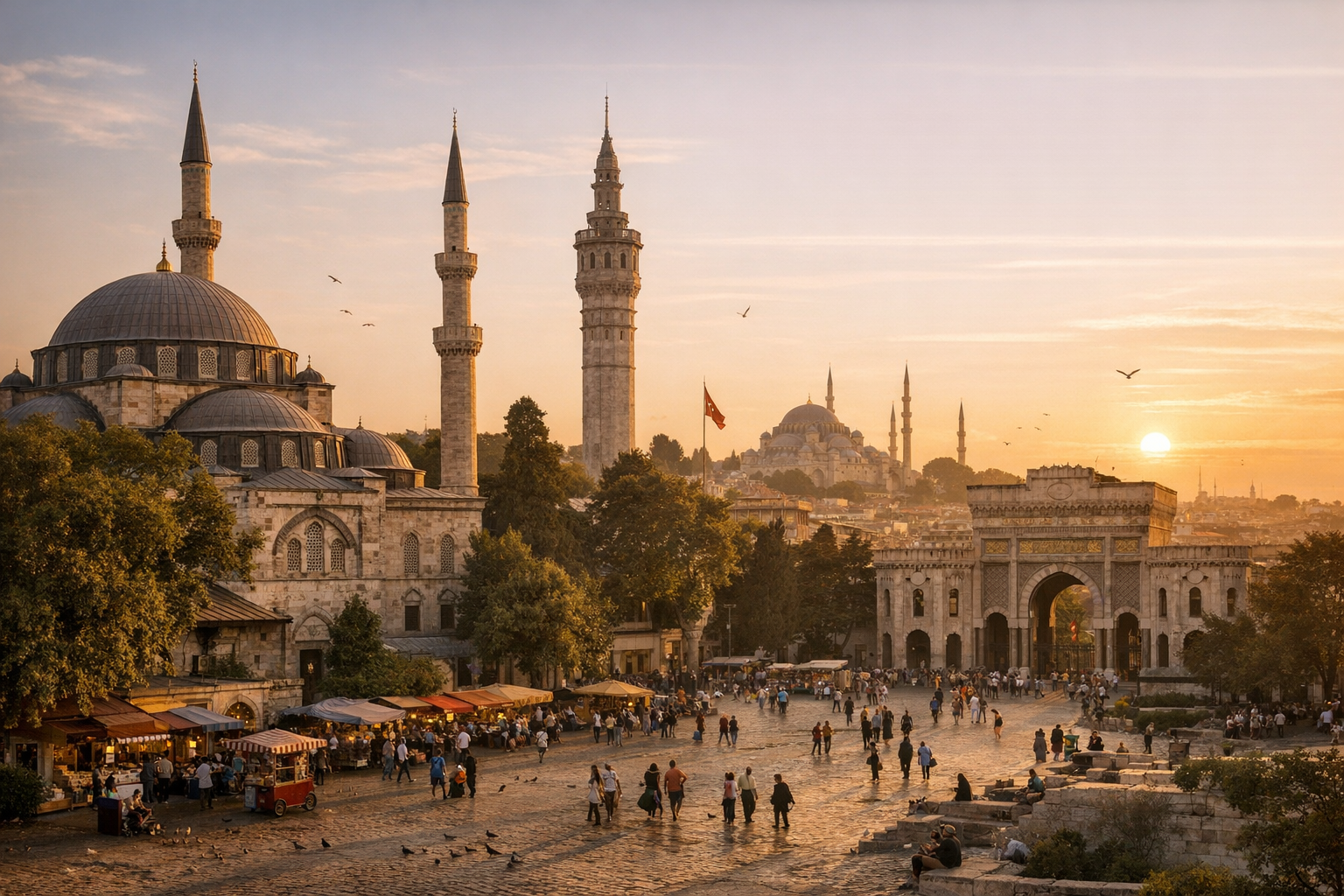
The main attractions of the district are Beyazit Square, Istanbul University, Beyazit Mosque, and the Grand Bazaar. The square itself has a strong historical presence and is one of the places you should visit if you are walking through Istanbul’s old city. It was the former site of the Forum of Theodosius, built by Emperor Constantine the Great, and it is also known as Freedom Square, although this name is not commonly used.
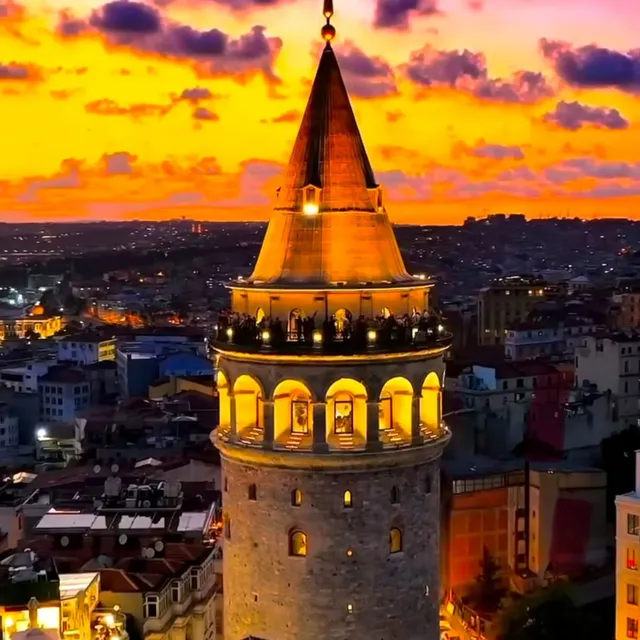
Beyazit Square is located directly in front of Istanbul University. If you ever have the chance to enter the university, do it. Its design is unlike most campuses: it was built with a fortress-like, martial character because it served the Ministry of War during the Ottoman Empire. Today, the university stands as a historical monument, and the nearby Beyazit Tower, located on the campus, can be seen from the square.
The square has also witnessed important political events. In 1969, it was the site of the protest known as Bloody Sunday.
Shop at the Grand Bazaar
Being next to the Grand Bazaar is one of the biggest advantages of visiting Beyazit. The bazaar is famous for its wide and distinctive collection of things to buy. You can browse the jewelry section, where many shops offer different styles and pieces, then continue to the Turkish delight and food section, where sellers often let you taste products before buying.
You may also want to see the carpet and clothing sections, which are among the memorable parts of the market. Bargaining is generally part of the experience in the Grand Bazaar, and many merchants speak foreign languages, which makes shopping easier for international visitors.

Tour around Beyazit Square
The square is not only a landmark but also a convenient point for continuing your day in several directions. If you like the area and do not want to leave it yet, you can ride the tram and continue toward the Spice Bazaar and the Golden Horn. Around the spice bazaar, you can shop for different kinds of spices and antiques, and the nearby fish market area is known as a relaxing place to eat fresh fish with views over the Golden Horn.
If you prefer to continue on foot, go uphill from Beyazit Square for about ten minutes to reach Suleymaniye Mosque, the largest mosque built by Sultan Suleyman the Magnificent. You can enter the mosque and admire its architecture. The mosque is open every day, but if you are a non-Muslim visitor, it is better to avoid the call to prayer times and Fridays, when it becomes especially crowded.
Why Beyazit stands out in the old city
The Beyazit district has a distinct identity and remains one of the areas in Istanbul that consistently gives visitors a strong sense of the city’s historical layers. The square takes its common name from Beyazit Mosque, located on one side of it. Within a short walk, you can move from a Byzantine-era forum site to an Ottoman imperial mosque, then into one of the world’s most famous covered markets.
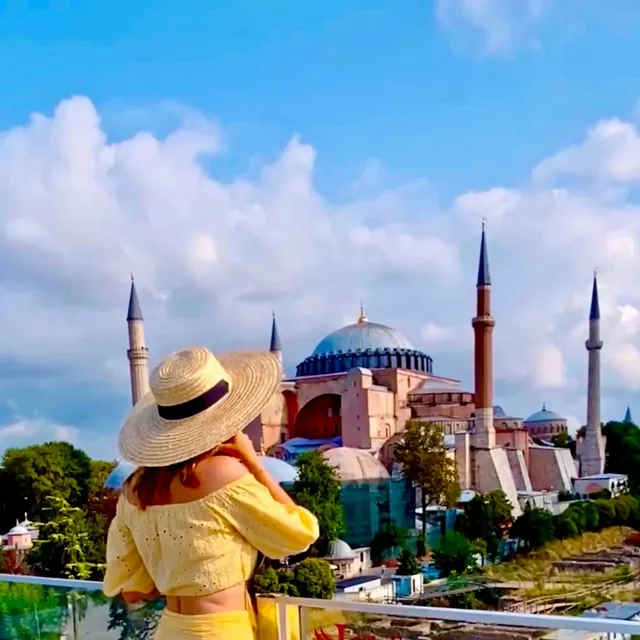
If you start your old city route in Beyazit, you are making a smart choice. From here, you can begin at the Grand Bazaar, continue into the square, walk up to Suleymaniye Mosque, and then head down toward the Golden Horn and the Spice Bazaar. Or, after finishing in Beyazit, you can take the tram through the Sultanahmet area and discover major landmarks such as Hagia Sophia and Sultanahmet Square. Readers and collectors may also want to stop by the Old Book Bazaar for local and international books.
Practical tips for visiting Beyazit Istanbul
- Best for: Travelers who want history, shopping, and walkable connections in one area.
- What to combine nearby: Grand Bazaar, Beyazit Square, Istanbul University, Suleymaniye Mosque, Spice Bazaar, and Sultanahmet.
- Shopping tip: Bargaining is common in the Grand Bazaar.
- Mosque etiquette: Dress respectfully and avoid prayer times and Friday visits if you want a quieter experience.
- Transport: Tram connections make Beyazit easy to combine with other historic districts. For current transit information, check metro.istanbul.
History note
Beyazit Square’s layered past is one reason the district feels so important. The area connects Byzantine and Ottoman history in a compact urban setting, with the former Forum of Theodosius beneath the memory of the modern square and the Ottoman-era university complex and mosque shaping the area visitors see today. For a broader historical overview, you can also consult Wikipedia’s Beyazıt Square entry.