Turkish Culture in Everyday Life
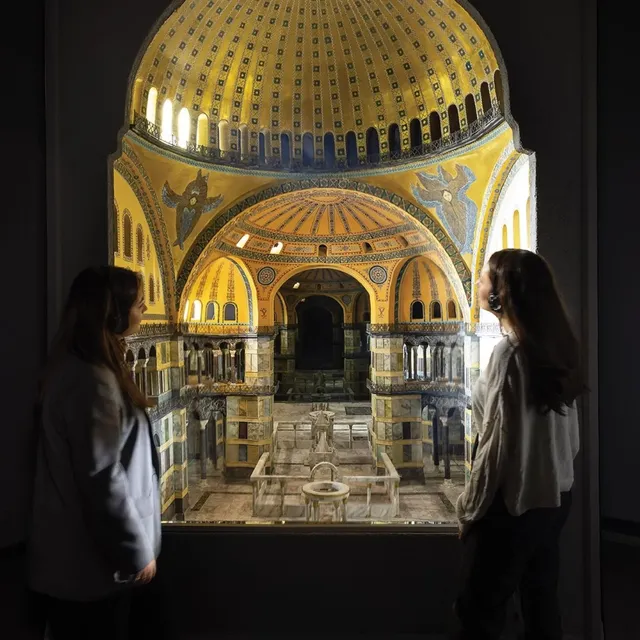
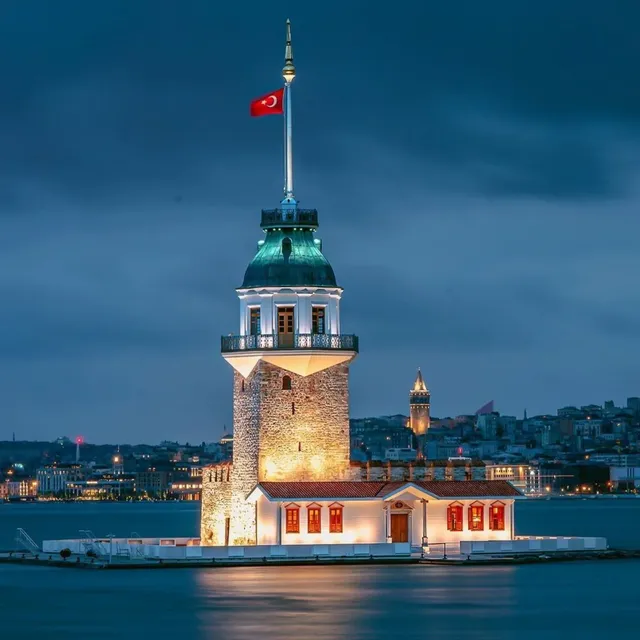
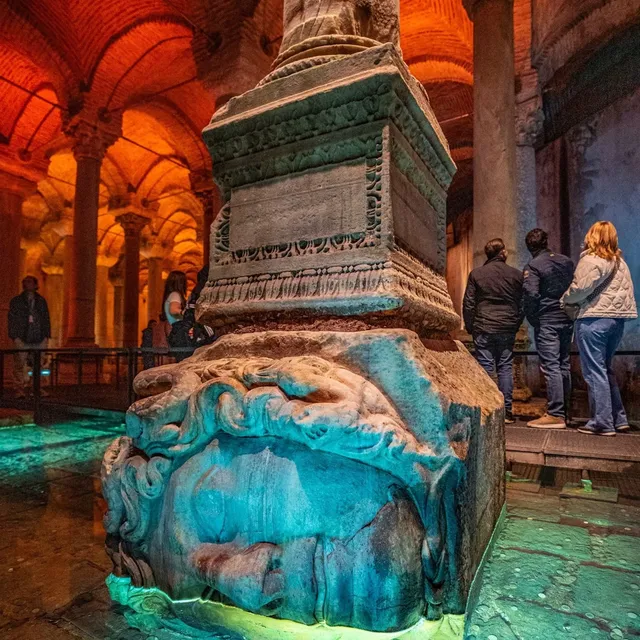
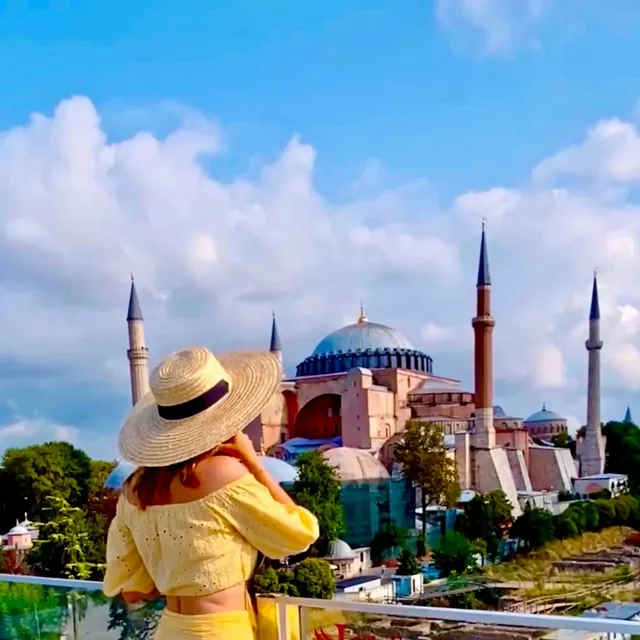
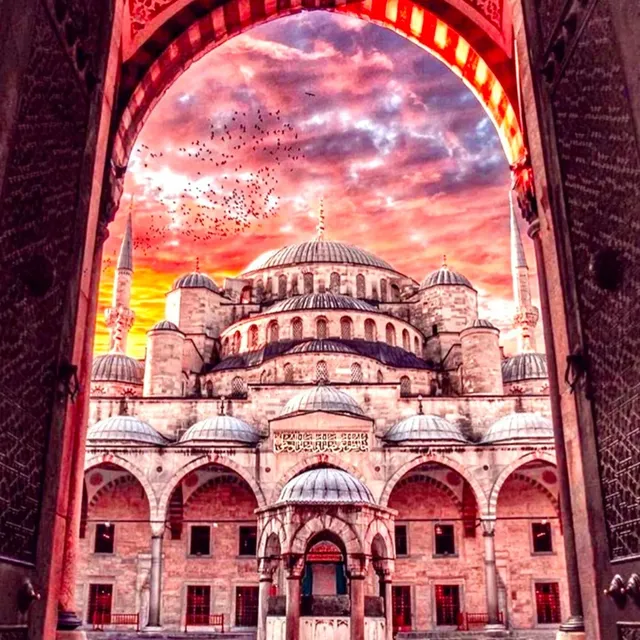
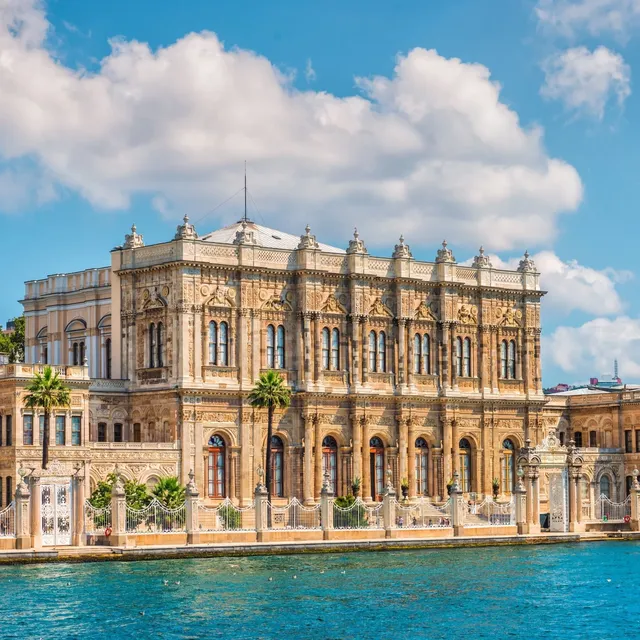
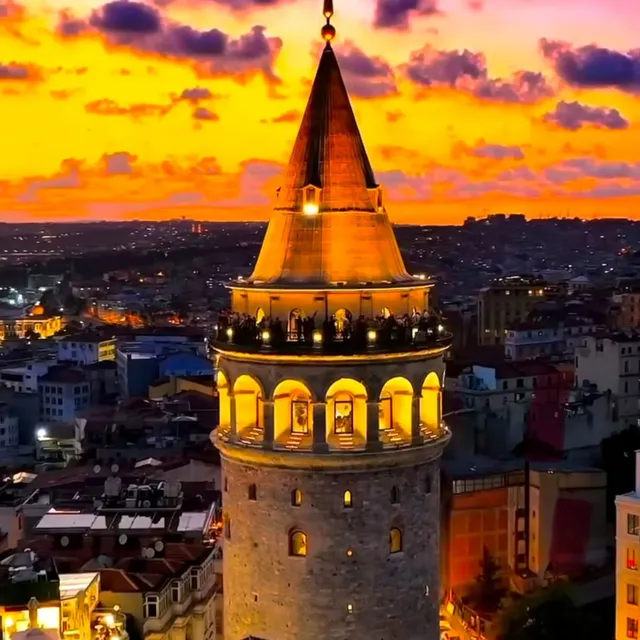
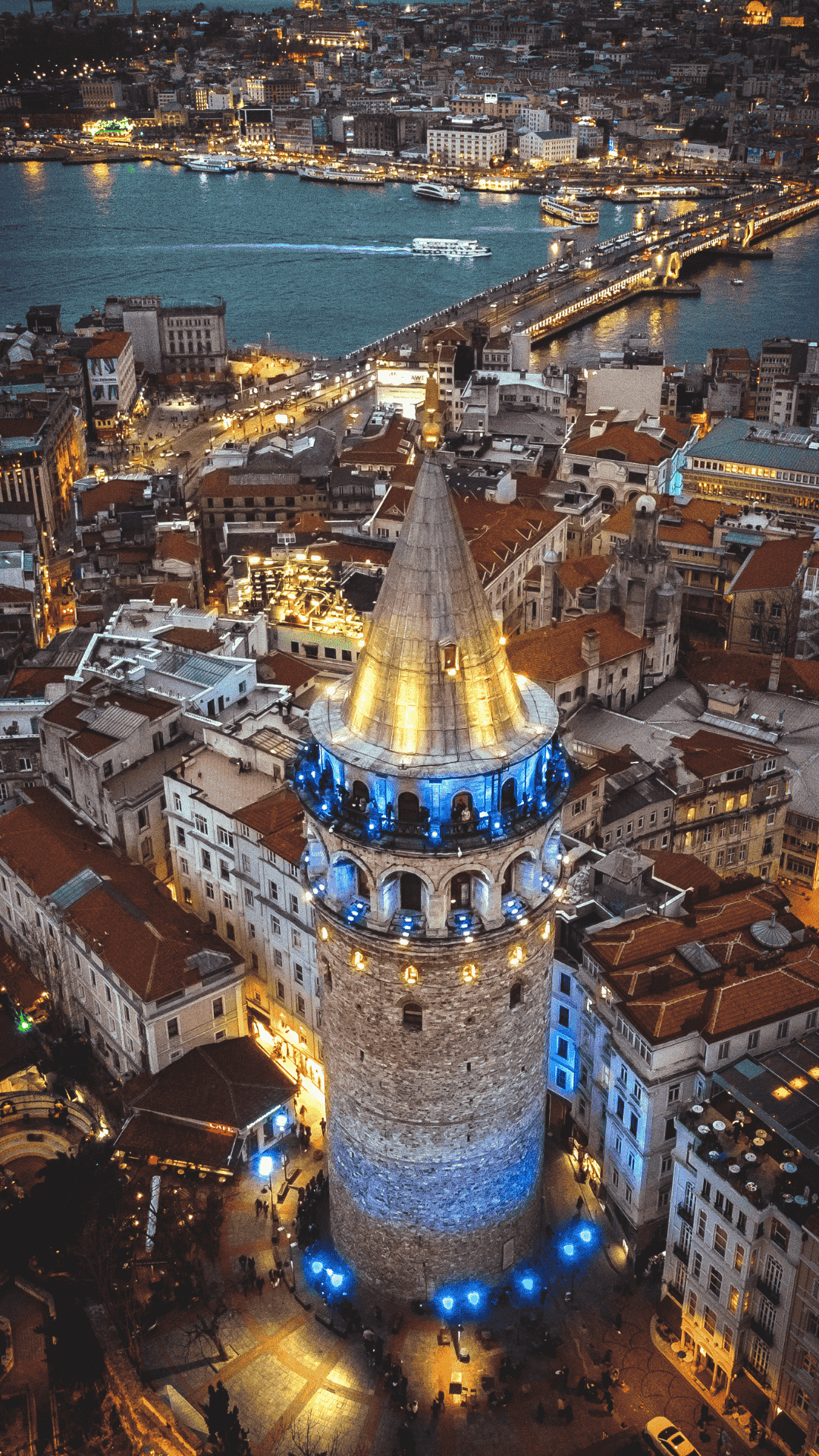
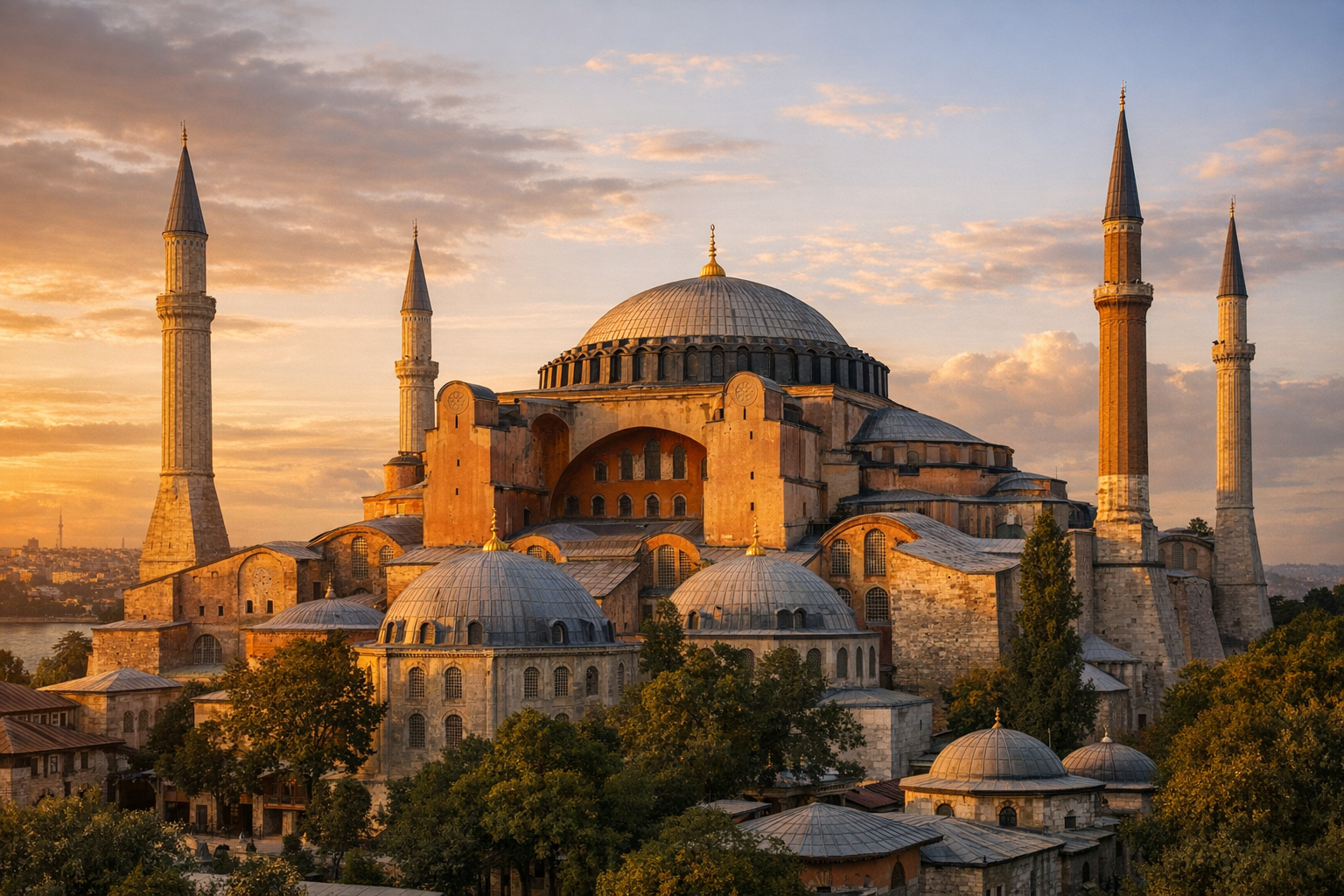
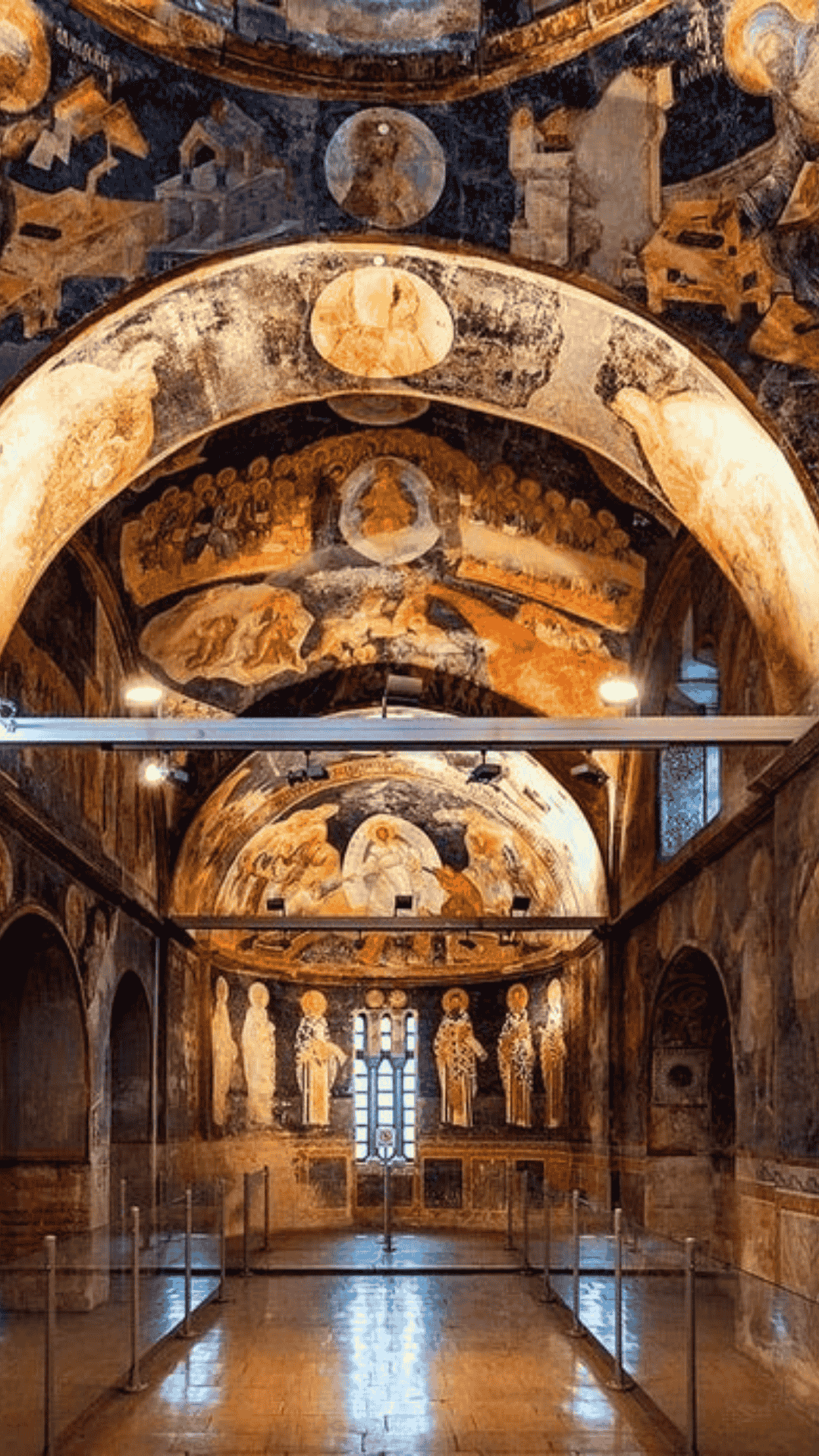
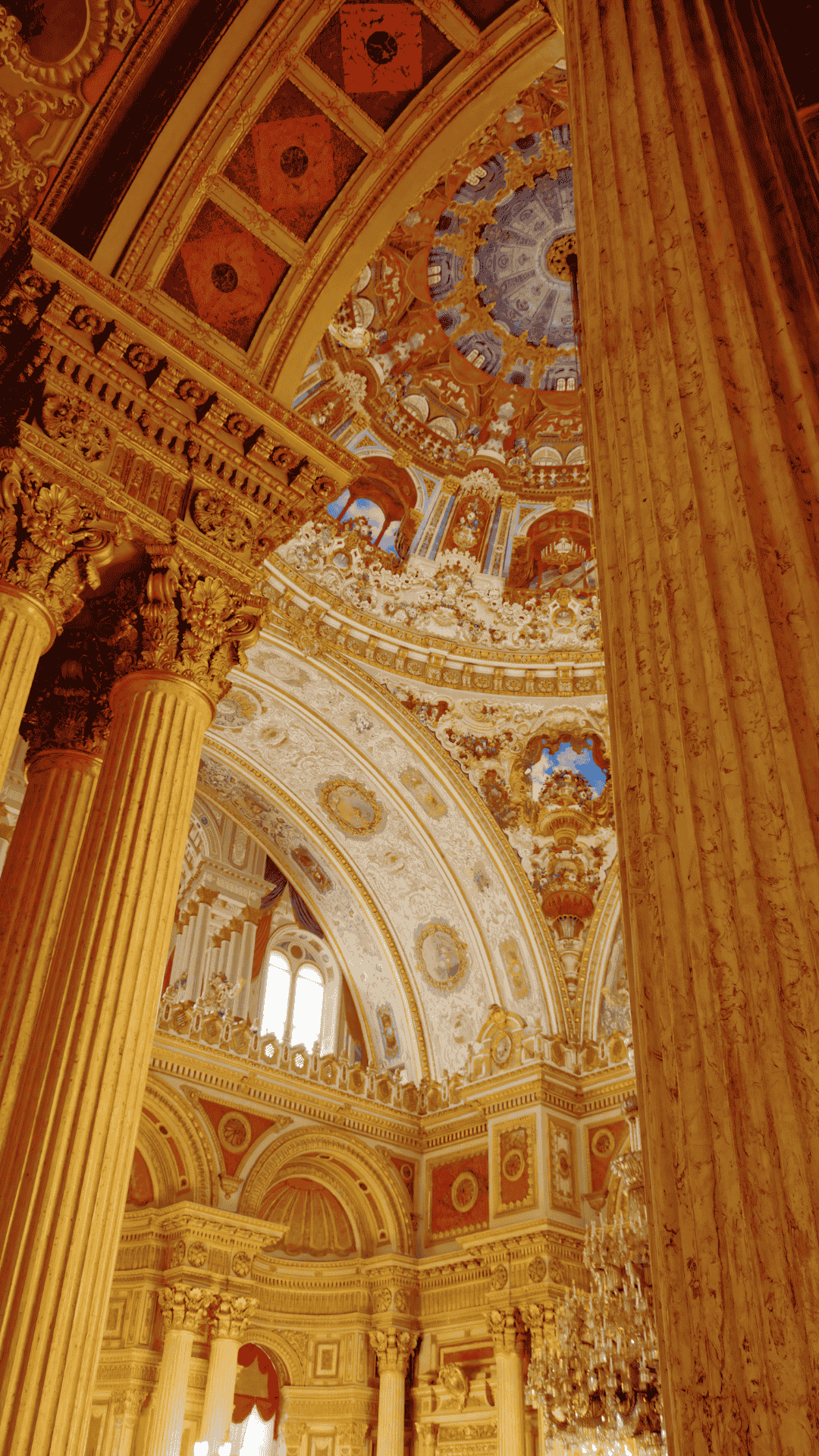
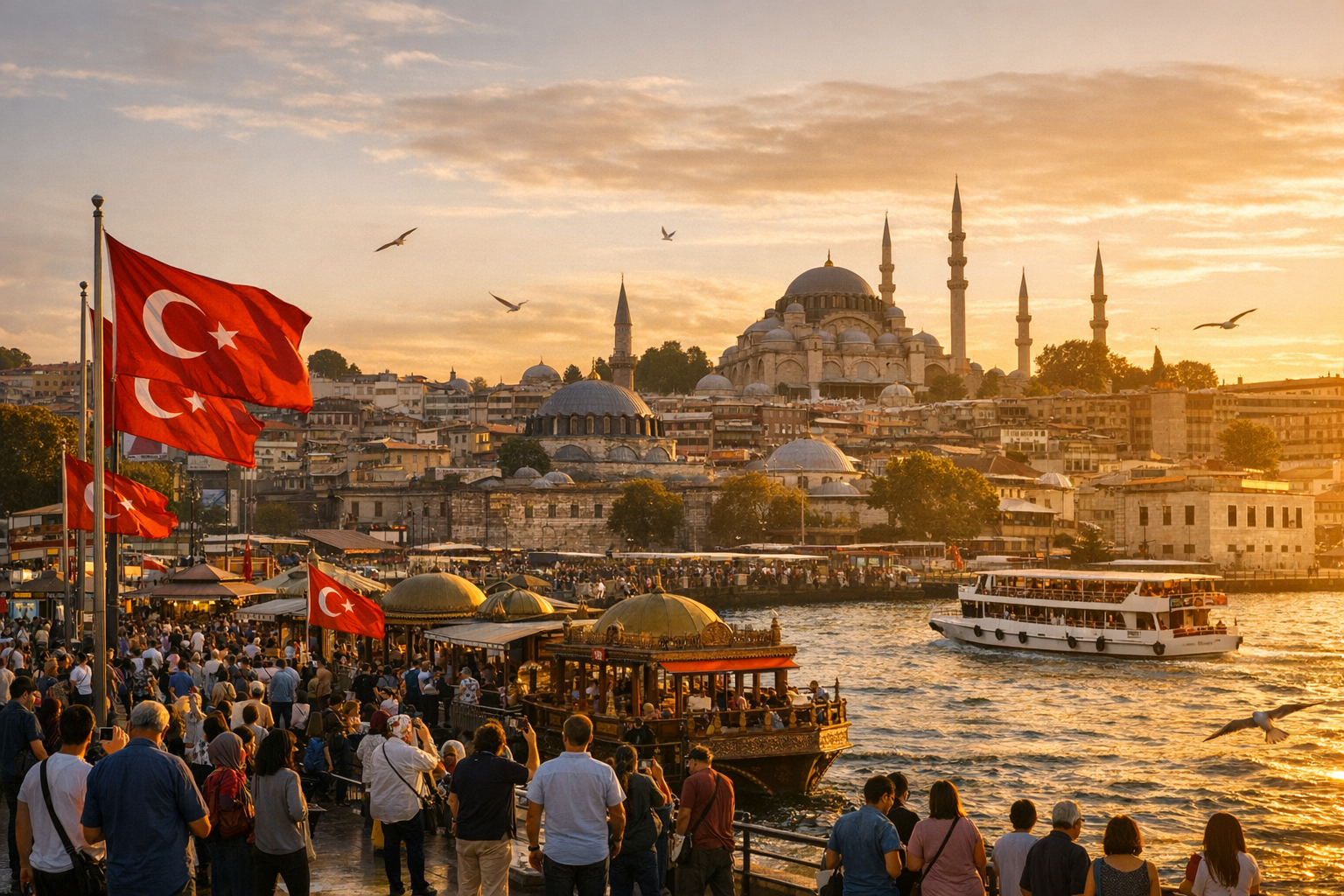
Many cultures have influenced Turkish culture and have managed to survive by continuing their development over the centuries. The Turkish language, Turkish customs, and traditions, as well as religious, culinary, and architectural practices, have taken shape over these centuries, and a reasonably dense culture has emerged. Especially in a city like Istanbul, which has been the focus of different states for centuries, Turkish culture can be seen at almost every point of the city.
One of the places where you can hear Turkish in the best way and observe the culture closely is undoubtedly Istanbul. In addition to historical monuments dating back to the Ottoman Empire, you will also be interested in artisan environments such as the Grand Bazaar. This place has fascinating architecture and history, and it gives you the chance to encounter the sweet timbre of the Turkish language and everyday expressions. Walking through places like Sultanahmet Square can also help you hear how Turkish is used in real daily settings, from greetings to practical questions.

Daily Turkish Words and Phrases
When you start to discover Istanbul, you may notice that you suddenly begin to adapt to everyday Turkish and adjust your ear. But before this discovery, it is helpful to learn useful words that can prepare you for everyday life if you are thinking of starting a permanent life in Turkey. Even if you come as a tourist, you may need to learn daily Turkish and useful words for events such as shopping, transportation, and accommodation. For this reason, here are a few phrases and useful words that may help you in everyday life.
First of all, you can start with greetings consisting of a couple of words. While discovering Istanbul, shopping, or meeting Turkish people, using these words can make your daily life easier. You can adapt yourself to life more comfortably by using these useful words for speaking Turkish daily.
Merhaba! (Standard greeting) - Hello
Selam! (Informal greeting) - Hi!
Günaydın! (Greeting used in the morning) - Good morning
İyi akşamlar! (Greeting used in the evening) - Good evening
İyi geceler! (Greeting used before going to bed or when leaving a place in the evening/night) - Good night
Nasılsın? - How are you?
Teşekkürler! - Thanks!
We think it is pretty easy for you to say these useful words when you try to read them several times. After your ear becomes familiar with daily Turkish, you will hardly be able to forget them. But you may also need to use some phrases and expressions found in everyday Turkish, especially in emergencies. Here are several examples:
Adınız nedir? - What is your name?
Nerelisiniz? - Where are you from?
Bir şikayette bulunmak istiyorum. - I want to file a complaint.
Burada görevli kimdir? - Who is in charge here?
Bu tamamen kabul edilemez! - This is completely unacceptable!
Paramı geri istiyorum! - I want my money back!
Burada bir saatten fazladır bekliyoruz. - We have been waiting for more than an hour.
Turkish Language and Daily Turkish
According to research known around the world, 7000 different languages are spoken today. The Turkish language, an essential part of Turkish culture based on historical Central Asia, is one of the oldest languages spoken. The Turkish race has spread to different continents over its long history, and Turkic republics have appeared. For this reason, other than Turkey's Turkish, different Turkish languages are also spoken globally. It is believed that the number of people who speak these Turkic languages and are located in different countries is more than 130 million.
Although the Turkish language may seem difficult for foreigners at first, it is a language that you can fit into your logic compared to other languages and is easy to learn. For tourists and foreigners who want to learn Turkish, there are online training programs, and it is also possible to take advantage of Turkish language courses in Turkey. Especially for foreigners who want to live permanently in Turkey, learning the Turkish language is very important for getting used to Turkish culture and adapting to life. After learning Turkish grammar, it may become much easier for you to master daily Turkish in the busy flow of life in cities such as Istanbul.
As you visit places where culture is strongly felt, such as Spice Bazaar, you can hear common greetings, questions, and simple requests used naturally throughout the day. If you would like a broader background on the language itself, you can also check the overview of the Turkic languages on Britannica.
Why Learning Daily Turkish Helps in Istanbul
Istanbul is one of the most practical places to become familiar with Turkish because the city combines daily life, trade, culture, and tourism in the same rhythm. In markets, public areas, museums, and neighborhood shops, you will hear short and useful expressions repeatedly. This repetition can help travelers and new residents feel more confident.
Even learning a few basic phrases can make simple interactions warmer and smoother. Saying hello, thanking someone, or asking a clear question often helps you connect with local people more easily. If you are planning a longer stay in Turkey, daily practice in Istanbul can become a natural part of adapting to Turkish culture.
For official tourism information about Turkey and its cultural destinations, you can also visit GoTürkiye.