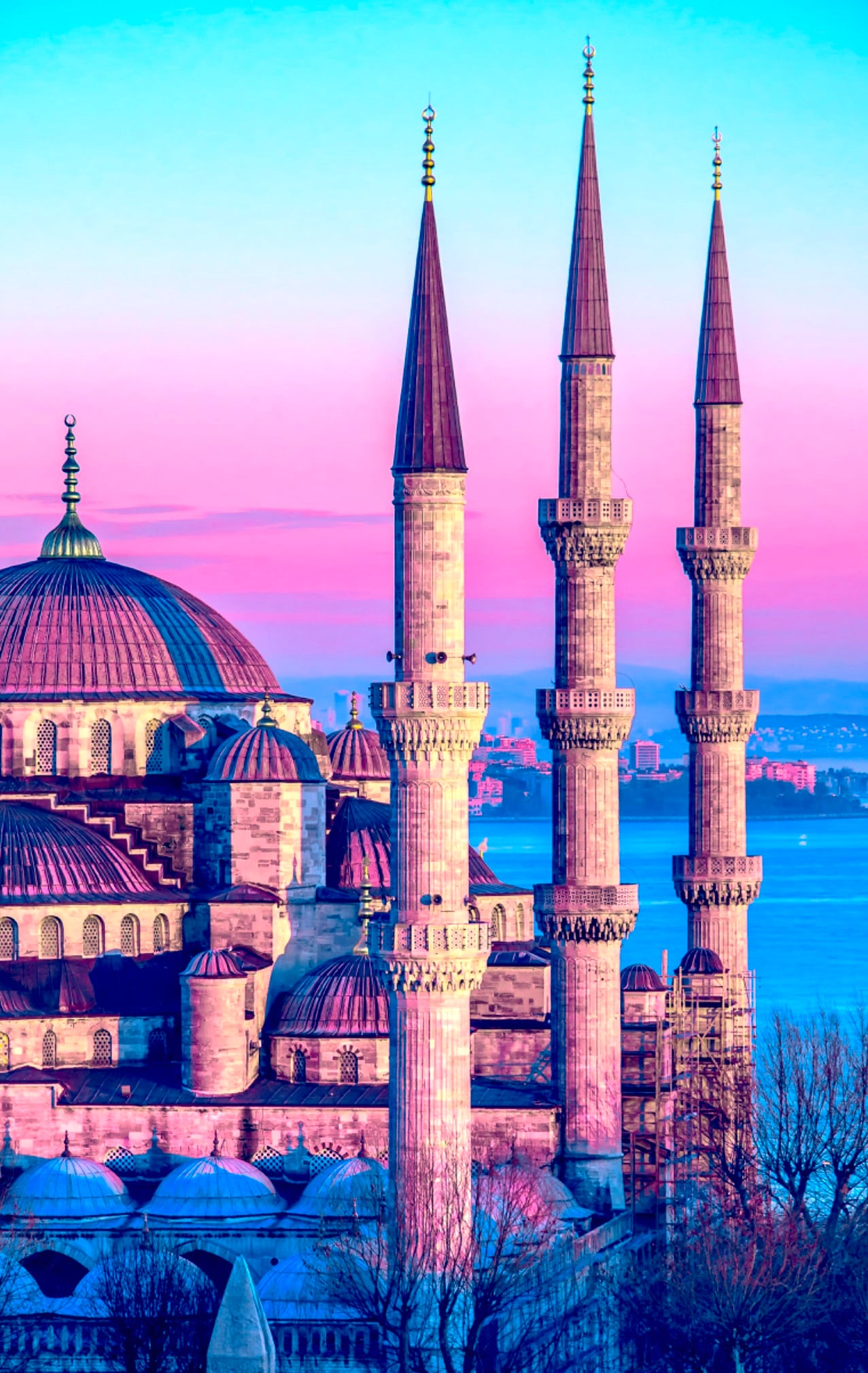
Hirka i Serif Mosque and the Sacred Mantle
The mosque is closely tied to the preservation and display of the Hırka-i Şerif, one of the most revered relics in Istanbul’s religious life. This connection is what makes the site distinct among the city’s imperial-era mosques. Rather than being known only for its architecture, the mosque is remembered first for the sacred mantle it was built to house.
From the fifteenth day of the month of Ramazan to the religious night of Kadir, Hırka-i Şerif is open for visitors in the break between the noon and midafternoon prayers. This seasonal opening has long shaped the mosque’s place in the devotional calendar of the city, drawing visitors who come specifically to see the relic during this period.
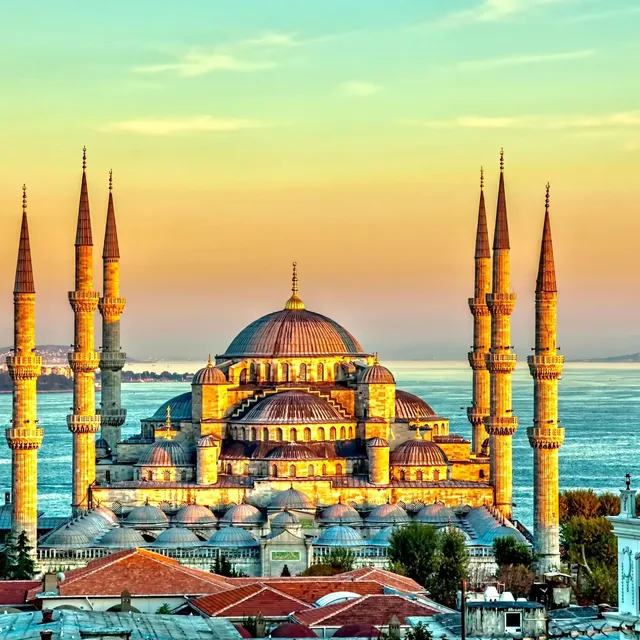
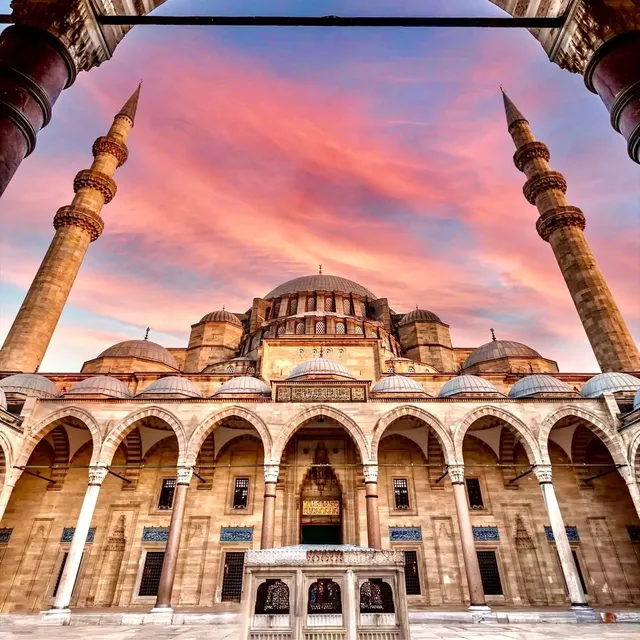
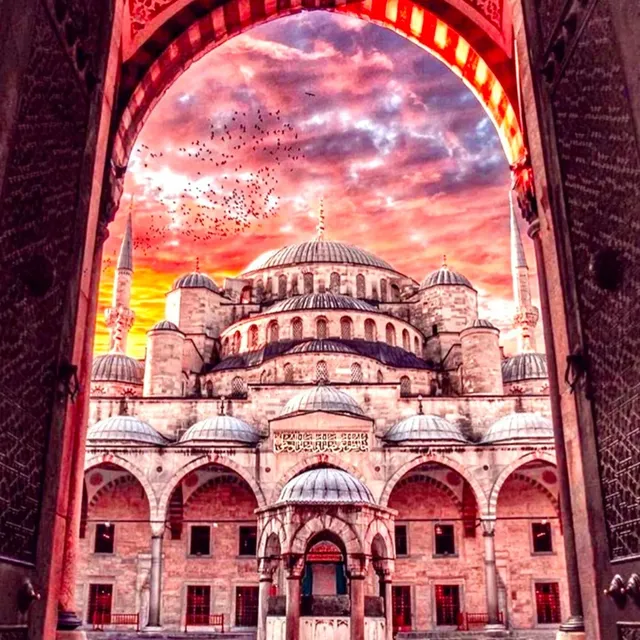
For travelers interested in Istanbul’s sacred heritage, the mosque can be understood alongside other major religious landmarks such as Suleymaniye Mosque and Blue Mosque. Each has a different historical role, but Hırka-i Şerif Mosque stands apart because of the relic preserved here.
History of the Mosque Complex
During the construction of the mosque, many nearby buildings were built as adjuncts to the mosque. These included a mortmain for the eldest member of the Üveysi family, an office for the deputy, barracks for soldiers, and rooms for those on duty. The former barracks building is presently used as Hırka-i Şerif Primary School.
These supporting structures show that the mosque was planned not simply as a prayer space, but as a complex designed around the care, custody, and ceremonial importance of the sacred mantle. The surrounding buildings helped organize both the practical and symbolic life of the site.
The mosque’s story is also linked to Ottoman dynastic and religious patronage. The transfer of the relic by imperial order and the later establishment of a purpose-built mosque reveal how seriously the relic was regarded. This historical background adds depth to a visit, especially for those exploring Ottoman-era religious monuments in Istanbul.
Architecture and Decorative Details
One can enter the yard through three gates. They are made of hewn kefeki stone. The mosque has two minarets, each with a single balcony. A dome with eight windows covers the eight-edged mosque. This geometric plan gives the building a distinctive appearance and helps set it apart from more familiar rectangular or courtyard-focused mosque layouts.
Above the gate on the right-hand side of the yard there is a calligraphic epitaph by Kazasker Mustafa İzzeddin, under Sultan Abdülmecid’s monogram. Below the dome, eight framed verse inscriptions made by the same calligrapher can also be seen. These details make the mosque especially interesting for visitors who appreciate Ottoman calligraphy and epigraphy.
Eight framed inscriptions are displayed above the mimbar, which are Abdülmecid’s own work and bear his signature. The preacher desk, mihrab and mimbar are made of red porphyry. Together, these features reflect the care given to both the sacred and artistic character of the building.
What to Expect When Visiting
A visit to Hırka-i Şerif Mosque is usually quieter and more contemplative than visits to Istanbul’s busiest monuments. Its significance comes from devotion, ritual memory, and the relic it protects. Visitors interested in the city beyond the main tourist circuit often find it especially rewarding.
If you are planning a wider itinerary, you can pair it with nearby historic districts or major Ottoman sites such as Grand Bazaar. For broader background on the mosque and the relic tradition, you can also consult resources like Wikipedia and transportation or city guidance through official Istanbul public transport sources such as IETT.
Because the public display of the relic follows the Ramadan calendar, it is wise to confirm current access details before going, especially if your visit depends on seeing the Hırka-i Şerif itself. Customs, access flow, and visiting arrangements may vary depending on the season and religious observance.
Why Hırka-i Şerif Mosque Matters
Many of Istanbul’s mosques are celebrated for scale, imperial patronage, or skyline views. Hırka-i Şerif Mosque matters for a different reason: it preserves a cherished relic and continues a tradition of visitation that connects the Ottoman past with present-day religious life. Its meaning lies in continuity as much as in architecture.
For anyone exploring the spiritual geography of the city, the mosque offers an experience rooted in reverence, memory, and ceremony. That makes it one of the most meaningful religious sites in Istanbul, even if it is less internationally famous than other landmarks.