
Let’s dig a little deeper.
What to See in the Istanbul Underground City
Below Istanbul, visitors can find hidden halls, storerooms, religious spaces, and museum collections that open a different side of the city’s past. Some are near major landmarks such as Hagia Sophia, while others are tucked into historic districts like Karaköy and Bankalar Caddesi. If you are interested in underground Istanbul, these places offer a memorable start.
Manguara Palace
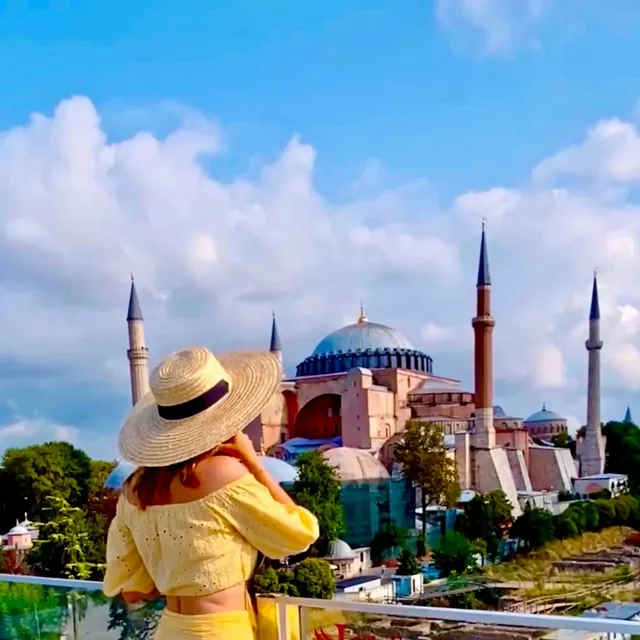
Located in Sultanahmet behind Hagia Sophia, part of this palace was unearthed by a carpet seller long ago. It was first used as a senate building and later became a philosophical school.
Manguara Palace is one of the few surviving places in Turkey that still tells stories of the Byzantine Empire. It was built in 425 and served as one of the early universities in Europe. Its name is said to come from the Latin phrase Magna Aula, meaning a place that holds a large number of people.
When you enter Manguara Palace, the scale of the structure is striking: a huge hall beneath a city crowded with life above. Once you get down, you will find a small door that leads into darker, more mysterious spaces. That sense of uncertainty is part of the experience. As you walk farther, you reach a brick chamber with dome-like forms and more doors opening into shadow. The rough condition of the palace adds to the feeling of stepping into a lost civilization.
You can reach Manguara Palace from Hagia Sophia, right behind Four Seasons Hotel, and the original text notes that it is open for visitors every day from 11 am to 1 am. As opening details may change, it is best to check locally before visiting.
The Underground Mosque
Some Byzantine-era structures in Istanbul were later reused by the Ottomans, and the Underground Mosque is one of the most intriguing examples. Known as Kurşunlu Mahzen Camii (Gunpowder Store Mosque), its name already suggests one of its historical uses as an armory.
When you enter, the low ceiling and narrow spaces formed by the columns create a strong atmosphere. During the Byzantine era, this place was used to hold the giant chains that blocked enemies from entering the Golden Horn. In the Ottoman era, it was used as a mosque, and it continues to serve that purpose.
The mosque is in Karaköy district and can be reached through Kemankeş Street. It is open to visitors outside prayer times. There is something unusually calming about this underground space, and it remains one of the city’s most distinctive hidden sites.
The Ottoman Bank Museum
What began as a British venture in Istanbul later became an official bank of the Ottoman Empire. As the empire’s economy grew, the bank needed a larger and safer location, so the Imperial Ottoman Bank moved to Bankalar Caddesi in 1892.
The building is now used by SALT, but the basement and ground floor remained known as the Ottoman Bank Museum in the original account. Walking through Bankalar Caddesi, you can notice a shift in architectural style. The buildings have a European character, and the Imperial Ottoman Bank itself was designed by the French-Turkish architect Alexander Vallaury.
Inside, there is a steel chamber with steps leading down to the basement, where another steel chamber, almost prison-like in appearance, was built to hold gold reserves. Visitors can also see old Ottoman banknotes written in Turkish, French, Greek, and English. It is an impressive stop that brings you close to a different layer of Istanbul’s more recent past.
You can reach the Imperial Ottoman Bank from Galata Tower. The original text says it opens from Tuesday to Saturday from 12 pm to 8 pm; check the current program before you go.
The Mosaic Museum
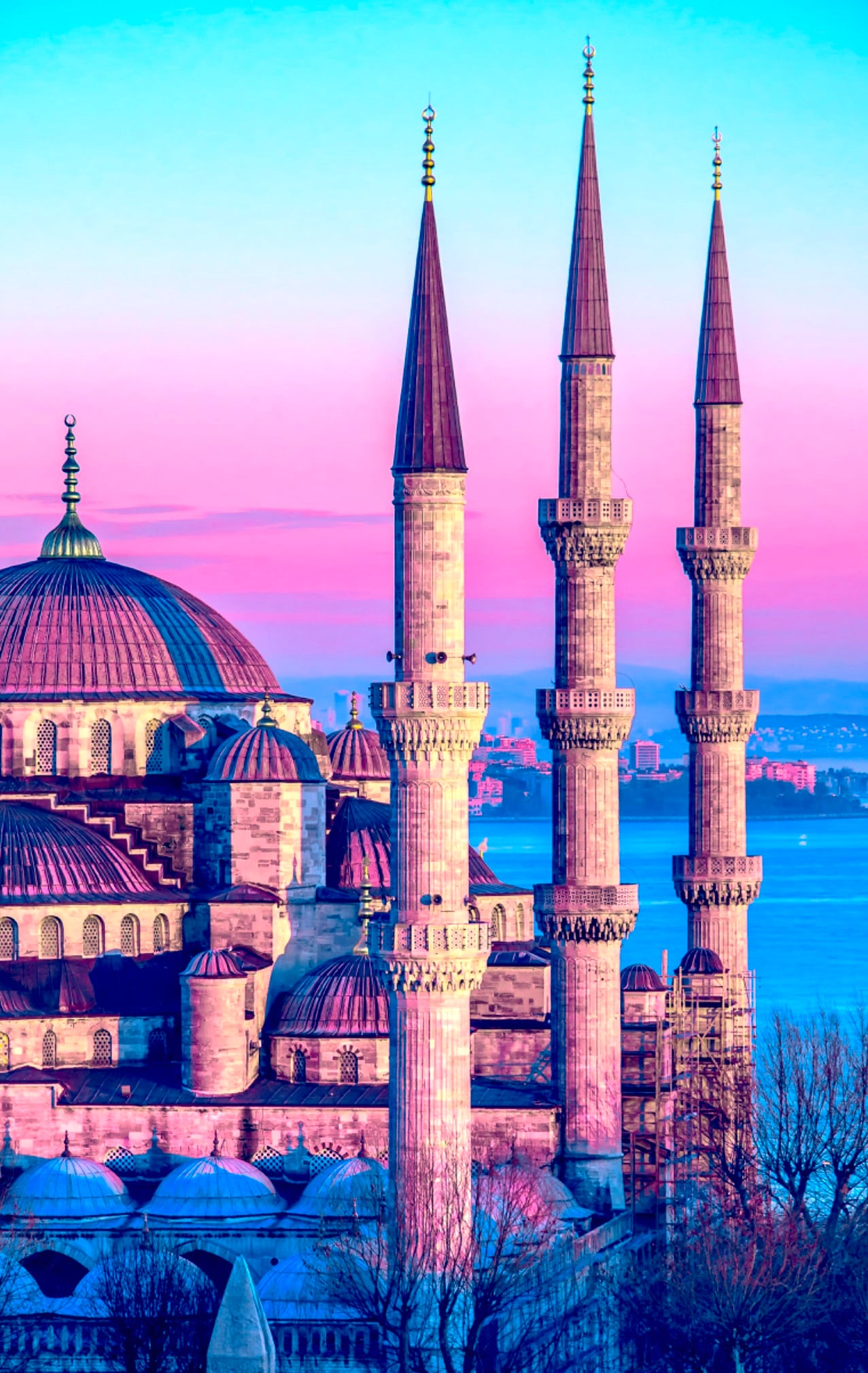
Located within the Blue Mosque complex, this museum contains one of the most gorgeous mosaics in the world according to the original article. The mosaic was made during the Roman period by artists from different regions of the country, and it covers 1870 square meters. It was later covered with marble when images were forbidden.
During the Ottoman period, a district was established above the mosaic without knowledge of what lay underneath. After a major fire in that district, the mosaic eventually came to light again. That rediscovery is part of what makes the museum so fascinating today.
If you are drawn to underground and buried heritage, this museum is an essential stop. For more context on the site and its collection, you can also compare it with the official page of the Great Palace Mosaic Museum and background material on Byzantine palace remains from Britannica.
Why Istanbul’s Underground Heritage Matters
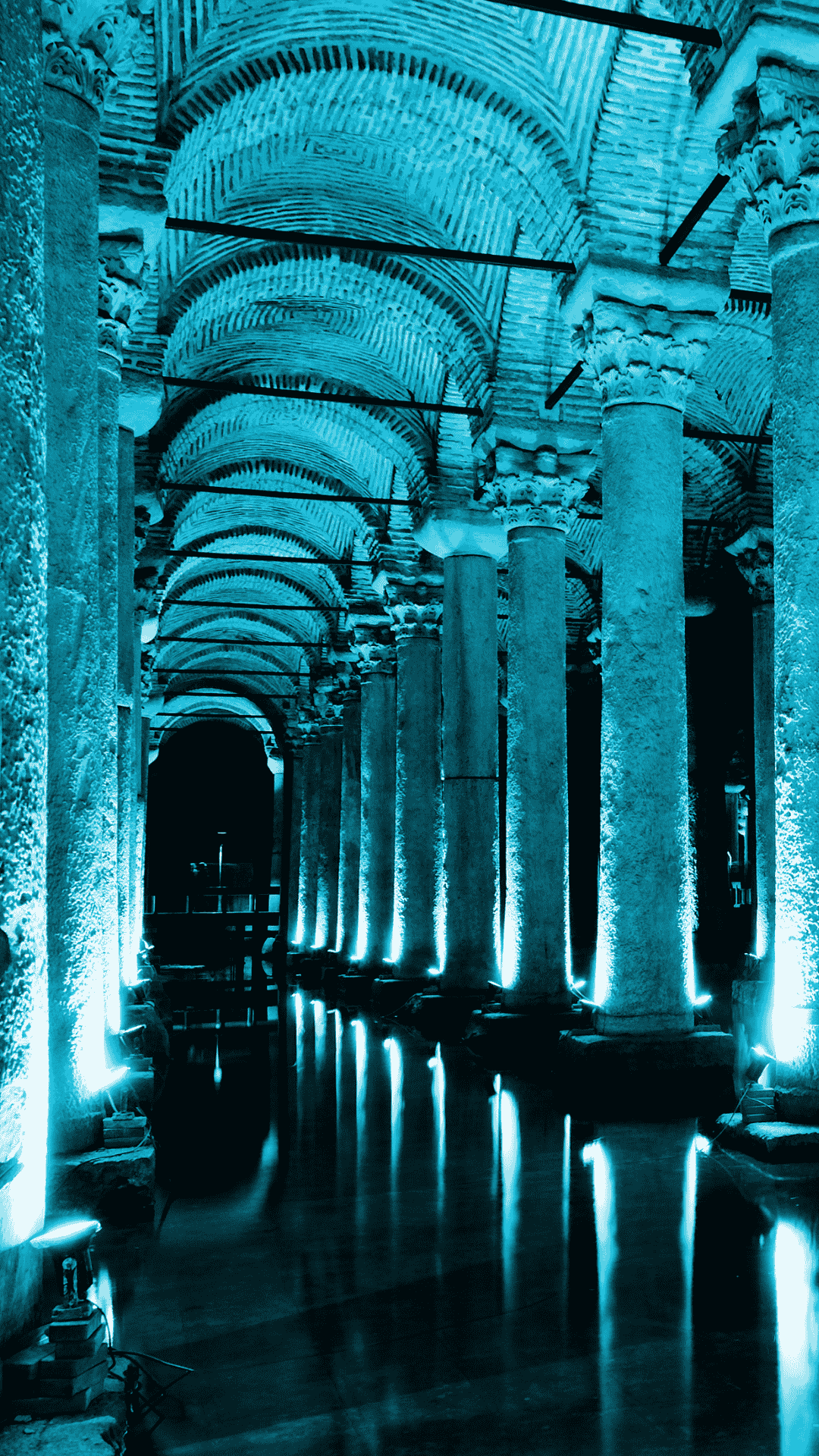
The underground side of Istanbul shows how the city never belonged to just one era. Roman, Byzantine, and Ottoman layers all survive in unexpected forms below ground level: halls, vaults, chambers, worship spaces, and buried artworks. Together, they reveal a city that was constantly reused, rebuilt, and reimagined.
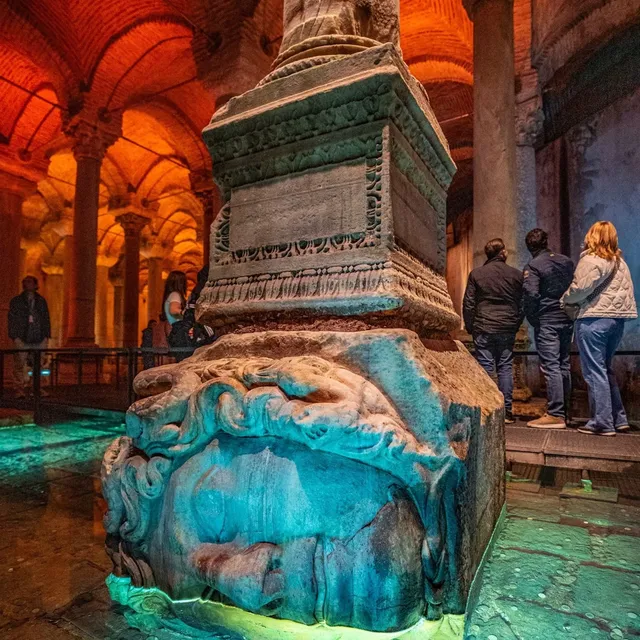
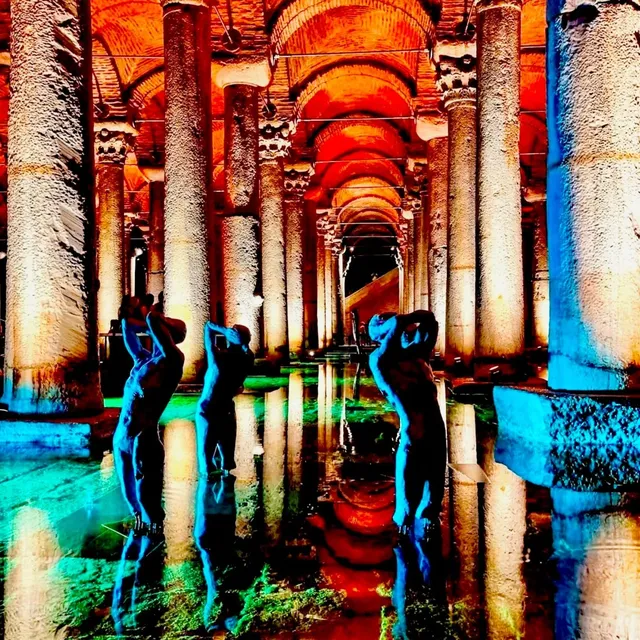
If this side of the city interests you, places such as the Basilica Cistern also help complete the picture of subterranean Istanbul. You do not have to dig physically in this city; you only need to know where to look.